
 Megtekintés
 Küldés
 Megosztás
 Részletek
 Útmutató

 Letöltés
 Hasonló darabok
 X-ray felvétel
 Diavetítés
 Kérdések és válaszok
 Statisztika
The Fall of Phaëton

- 97.0 x 122.0 cm


 Összes részlet megjelenítése
Giclée / Műnyomat
Múzeumi minőségű giclée vagy vászonnyomat, gyors gyártással és rugalmas finomítási lehetőségekkel. ( Kézzel festett másolat rendelése Áttérés digitális képre)




P118B Ft10

P118H Ft10

P118W Ft10

P438Z Ft10

P508JH Ft12

P508YH Ft12

P805H Ft10

P805Z Ft10

P919BZ Ft10

P919G Ft10

P919XJ Ft10

P959ZH Ft10

P968JZ Ft12

W106C Ft8

W218G Ft10

W218JH Ft8

W218Y Ft10

W307PJ Ft10

W316G Ft10

W316PJ Ft8

W316Y Ft10

W398PJ Ft8

W4111J Ft10

W500HY Ft15

W500JH Ft15

W692G Ft12

W849H Ft8

W940BG Ft15

W953PJ Ft8




Válasszon előre meghatározott méreteink közül, amelyek megfelelnek a műalkotás eredeti arányainak.

Írja be a keretének vagy a falának megfelelő szélességet és magasságot. A nyomatot csak le lehet vágni, soha nem tehető nagyobbá, mint az eredeti kép, így egy eltérő alakú méretnél a kép egy része elveszik. Mielőtt bármit kinyatintanánk, küldünk egy digitális próbamodellt jóváhagyásra. Az oldalon látható kép nem tartalmazza a valós levágást — ezt csak a próbamodell mutatja meg.
Világszerte történő kiszállítás területére mindössze 2 hét alatt, a szokásos 4-5 hét helyett. (4 november)

Ingyenes globális expressz szállítás

Prémium minőségű len vászon

Teljes körű szállítási biztosítás

Vámvisszatérítési Garancia

Hiteles színarányosság garancia

100 napos visszaküldési lehetőség (csak hibás termékek esetén)

100% pénzvisszatérítési garancia

Több darab vásárlásakor kedvezmény
 Az üvegkeretes opció csak 110 cm alatti méretben érhető el

The Fall of Phaëton
Giclée / Műnyomat
Reprodukció mérete
-


Összesített ár
Ft 26301
A Collision of Myth and Mastery: Unveiling George Stubbs’s ‘The Fall of Phaëton’
George Stubbs's “The Fall of Phaëton,” painted in 1777, isn’t merely a depiction of a Greek myth; it’s a visceral experience. This monumental canvas, now residing within the National Trust at Saltram, transcends its narrative origins to become a profound meditation on power, destruction, and the sublime beauty of chaos. Stubbs, a revolutionary figure in 18th-century art, deliberately eschewed the idealized forms favored by his contemporaries, instead opting for an anatomical realism that bordered on the unsettling, particularly when applied to subjects as grand and terrifying as the sun god’s son attempting to wrest control from his father.
The scene unfolds with breathtaking dynamism. Phaeton, a young man consumed by ambition and perhaps hubris, is shown at the apex of his disastrous journey – driving the chariot of the sun across the heavens. His face, contorted in panic and exertion, reflects the impending doom that threatens to engulf him and all beneath. The horses themselves are rendered with astonishing detail, their muscular forms straining against the reins, each a testament to Stubbs’s meticulous study of equine anatomy. The composition is dominated by diagonals – the sweeping arc of the chariot, the downward plunge of the thunderbolts, and the frantic movement of the steeds – creating a sense of relentless forward momentum that pulls the viewer directly into the heart of the drama.
Anatomy as Revelation: Stubbs’s Scientific Approach
Stubbs's commitment to anatomical accuracy was legendary. His fascination with the inner workings of animals, fueled by his time dissecting horses at York County Hospital, informed every brushstroke. “The Fall of Phaëton” is a prime example of this approach; Stubbs didn’t simply paint a horse; he painted its very essence – the sinews beneath the skin, the skeletal structure supporting the musculature, and the intricate network of veins pulsing with life. This dedication to realism was considered radical at the time, challenging the prevailing artistic conventions that prioritized idealized beauty over scientific observation.
The painting’s color palette further enhances its dramatic effect. Stark contrasts between light and shadow – a consequence of Stubbs's masterful use of chiaroscuro – heighten the sense of urgency and impending disaster. The fiery hues of the sun chariot are juxtaposed against the deepening blues and purples of the approaching night, symbolizing the irreversible shift from day to darkness. The subtle gradations of color within each figure’s form contribute to a remarkable sense of volume and depth, drawing the viewer into the scene with an almost unsettling immediacy.
Mythic Symbolism and Emotional Resonance
Beyond its technical brilliance, “The Fall of Phaëton” is rich in symbolic meaning. The myth itself speaks to themes of unchecked ambition, divine retribution, and the consequences of defying fate. Phaeton’s downfall serves as a cautionary tale against hubris and a reminder that even those blessed with extraordinary power are ultimately subject to mortality. The figures surrounding the event – the Heliades, transformed into poplar trees in mourning for their brother, and Cycnus, hiding his face in despair – amplify this sense of loss and tragedy.
However, the painting transcends mere allegory. It evokes a profound emotional response—a mixture of awe, terror, and pity. The sheer scale of the scene, combined with Stubbs’s dramatic composition and masterful use of color, creates an overwhelming sensory experience that leaves the viewer breathless. “The Fall of Phaëton” is not simply a depiction of a myth; it's a powerful meditation on human nature, the forces of destruction, and the enduring beauty of tragedy—a timeless masterpiece that continues to captivate audiences centuries after its creation.
A Legacy Enduring: Reproductions and Artistic Inspiration
Reproductions of “The Fall of Phaëton” offer a remarkable opportunity to experience Stubbs’s artistic vision firsthand. Whether displayed in a grand salon or a more intimate setting, this painting commands attention with its dramatic intensity and technical brilliance. Collectors appreciate the work's historical significance, scientific rigor, and enduring aesthetic appeal. Interior designers often incorporate reproductions into spaces seeking to evoke a sense of grandeur, drama, and intellectual curiosity – a testament to Stubbs’s lasting influence on art history.
Kérdések és válaszok
Hogyan építhető be „The Fall of Phaëton”, George Stubbs alkotása a lakberendezésbe?
A „The Fall of Phaëton”, George Stubbs alkotása ajánlott Statement célokra, lehetőleg egy Living Room helyiségbe. A felhasználás módja és a tér kialakítása együtt segít eldönteni, hogy melyik reprodukció illik bele.
Mikor készült „The Fall of Phaëton”, George Stubbs alkotása, és milyen stílusú?
A "The Fall of Phaëton" 1777-ben készült, a Romanticism irányzat részeként.
Erős fény-árnyék kontrasztot mutat-e a "The Fall of Phaëton"?
A „The Fall of Phaëton”, George Stubbs alkotása Statement kontrasztot mutat a világos és sötét részek között.
A művész életrajza
korai élet és képzés
George Stubbs, a híres angol festő, 1724. augusztus 25-én született Liverpoolben, Egyesült Királyságban. Korai évei viszonylag kevés feljegyzést hagytak maguk után 35 éves koráig; a legtöbb információ Ozias Humphry emlékeiből származik, melyek 1794-es beszélgetéseken alapulnak Stubbsal. A művész utazása 15 éves korában kezdődött, kezdetben apja mellett dolgozott, aki bőrműves volt. Később Hamlet Winstanley, egy lancashire-i festő és metsző tanítása alatt töltött rövid ideig lärült, amely időszak lehetővé tette számára, hogy tanulmányozza a knowsley halli gyűjteményt.művészeti fejlődés és meghatározó alkotások
Stubbs anatómia iránti szenvedélye arra késztette, hogy 1744-ben Yorkba költözhetjen, ahol Charles Atkinson sebész mellett tanulott a york county hospital kórházban. Első megmaradt művei közé tartozik egy sor illusztráció John Burton 1751-ben megjelent szülészészeti tankönyvéhez. 1756-ban Stubbs egy lincolnshire-i farmházat bért ki, és 18 hónapon át töltötte lovak boncolgatásával, amelyet élettársa, Mary Spencer segített. Ez a folyamat vezetett a the anatomy of the horse (A ló anatómiaja) című mű 1766-os kiadásához, amely eredeti rajzai ma már a royal academy gyűjteményében kapott helyet. Stubbs munkásságát hamar felismerték a kortárs arisztokratikus megbízók, köztük Richmond 3. hercege is, aki 1759-ben három hatalmas festést rendelt meg tőle. Ez jelezte sikeres pályafutása kezdetét, számos herceggel és lorddal dolgozott együtt, aminek csúcspontja egy londoni marylebone-i ház megvásárlása volt.örökség és jelentős festmények
Stubbs leghíresebb alkotása, a Whistlejacket – egy ugró lovat ábrázoló festmény, amelyet Rockingham 2. markesa megbízta – ma már a londoni national gallery-ban található. Ez és két másik, szintén Rockingham számára készült festmény megtöri a hagyományos elvárásokat az egyszerű háttér használatával.- A Whistlejacket, egy tisztán származású lovas, amely hátsó lábain áll, bemutatja Stubbs megingathatatlanságát a lovak lényének megörökítésében.
- Stubbs sorozatában egy oroszlán egy lovat támad, ami a romantikus mozgalom korai példái közé tartozik, demonstrálva hatását a 18. századi művészetre.
- tekintse meg Stubbs műveit itt: https://OriginalUniqueArt.com/@/george_stubbs
- fedezze fel a londoni national gallery gyűjteményét, amelyben Stubbs kiemelkedő alkotásai is megtalálhatóak: /hu/art/show/art-8xyffg-hu/
- tudjon meg többet Stubbs életéről és munkásságáról a wikipédián: https://en.wikipedia.org/wiki/george_stubbs
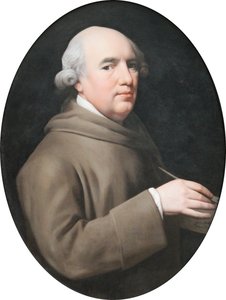
George Stubbs
1724 - 1806 , Egyesült Királyföld
Rövid információk
- Artistic Movement Or Style: Romantika, Lovak művészete
- Artists Or Movements Influenced By This Artist: ['Joshua Reynolds']
- Artists Who Influenced This Artist: ['Hamlet Winstanley']
- Date Of Birth: Augusztus 25, 1724
- Date Of Death: 1806. Július 10.
- Full Name: George Stubbs
- Nationality: Angol
- Notable Artworks:
- Whistlejacket
- Lovag és szörny
- A lovat támadó óriás
- Place Of Birth: Liverpool, Anglia
Kapcsolódó cikkek
George Stubbs: Anatomical Precision & Romantic Vision in 18th-Century British Art
Explore the captivating world of George Stubbs, the 18th-century master renowned for his anatomical precision & Romantic animal paintings. Discover his legacy and investment potential.
Echoes of Olympus: Mythological Narratives in Western Art Through the Ages
Explore the captivating history of mythological narratives in Western art! From ancient Greece to modern masterpieces, discover iconic artworks & symbolism. Expert analysis and high-quality reproductions at OriginalUniqueArt.
Timeless Legends: A Curated Guide to the Eternal Allure of Mythological Masterpieces
Embark on a sophisticated journey through the eternal allure of mythological art. Discover how master painters breathe life into ancient legends, from Greek deities to Baroque masterpieces, and learn to curate these timeless narratives within your own exquisite art collection.
The Noble Steed on Canvas: A Historical & Artistic Exploration of Horse Painting Across Cultures
Explore the rich history of horse painting! Discover masterpieces from Stubbs to Munnings & learn about symbolism, techniques & artists. Find museum-quality reproductions at OriginalUniqueArt.
The Noble Steed: A Historical and Artistic Exploration of Horses in Fine Art
Explore the rich history of horses in fine art! From ancient depictions to Renaissance masterpieces & beyond, discover iconic artworks and artists. Learn about symbolism, techniques, and find museum-quality reproductions at OriginalUniqueArt.


