
 Megtekintés
 Küldés
 Megosztás
 Részletek
 Útmutató

 Letöltés
 Hasonló darabok
 X-ray felvétel
 Diavetítés
 Kérdések és válaszok
 Statisztika
Lord Grosvenor

- 99.0 x 83.0 cm


 Összes részlet megjelenítése
Giclée / Műnyomat
Múzeumi minőségű giclée vagy vászonnyomat, gyors gyártással és rugalmas finomítási lehetőségekkel. ( Kézzel festett másolat rendelése Áttérés digitális képre)




P118B Ft10

P118H Ft10

P118W Ft10

P438Z Ft10

P508JH Ft12

P508YH Ft12

P805H Ft10

P805Z Ft10

P919BZ Ft10

P919G Ft10

P919XJ Ft10

P959ZH Ft10

P968JZ Ft12

W106C Ft8

W218G Ft10

W218JH Ft8

W218Y Ft10

W307PJ Ft10

W316G Ft10

W316PJ Ft8

W316Y Ft10

W398PJ Ft8

W4111J Ft10

W500HY Ft15

W500JH Ft15

W692G Ft12

W849H Ft8

W940BG Ft15

W953PJ Ft8




Válasszon előre meghatározott méreteink közül, amelyek megfelelnek a műalkotás eredeti arányainak.

Írja be a keretének vagy a falának megfelelő szélességet és magasságot. A nyomatot csak le lehet vágni, soha nem tehető nagyobbá, mint az eredeti kép, így egy eltérő alakú méretnél a kép egy része elveszik. Mielőtt bármit kinyatintanánk, küldünk egy digitális próbamodellt jóváhagyásra. Az oldalon látható kép nem tartalmazza a valós levágást — ezt csak a próbamodell mutatja meg.
Világszerte történő kiszállítás területére mindössze 2 hét alatt, a szokásos 4-5 hét helyett. (7 november)

Ingyenes globális expressz szállítás

Prémium minőségű len vászon

Teljes körű szállítási biztosítás

Vámvisszatérítési Garancia

Hiteles színarányosság garancia

100 napos visszaküldési lehetőség (csak hibás termékek esetén)

100% pénzvisszatérítési garancia

Több darab vásárlásakor kedvezmény
 Az üvegkeretes opció csak 110 cm alatti méretben érhető el

Lord Grosvenor
Giclée / Műnyomat
Reprodukció mérete
-


Összesített ár
Ft 26396
The Equestrian Vision of George Stubbs
George Stubbs' "Lord Grosvenor’s Arabian Stallion with a Groom," painted in 1765, isn’t merely a portrait; it’s a meticulously crafted tableau vivant—a snapshot of aristocratic leisure and the profound connection between man and beast. Stubbs, already recognized as the foremost painter of horses of his era, transcends simple representation, instead offering a deeply considered study of anatomy, movement, and psychological nuance. This work exemplifies his pioneering approach to animal painting, firmly rooted in scientific observation yet imbued with a distinctly Romantic sensibility.
The scene unfolds within a softly rendered English landscape—rolling hills bathed in the golden light of late afternoon. The composition is dominated by the magnificent Arabian stallion, poised and alert, its muscular form captured with astonishing accuracy. Stubbs’s anatomical knowledge, honed through years of dissecting horses (a practice considered radical at the time), is immediately apparent in the precise rendering of every muscle, tendon, and bone. Yet, this isn't a cold, clinical study; the horse radiates vitality, its ears pricked forward, nostrils flared, conveying an intense awareness of its surroundings.
A Masterclass in Technique – Light, Shadow, and Sabino Markings
Stubbs’s mastery lies not just in his anatomical precision but also in his masterful manipulation of light and shadow. He employs a low horizon line, drawing the viewer's eye upwards to the horse, emphasizing its imposing presence against the backdrop of the landscape. The warm tones of the chestnut stallion—rich browns, golds, and russets—are contrasted with the cooler greens and blues of the foliage, creating a dynamic interplay of color that adds depth and realism to the scene. Notably, Stubbs meticulously portrays the horse’s unique genetic Sabino markings – the broad blaze running down its forehead, the striking white stockings, and the delicate white spots adorning its belly and sides—demonstrating an almost obsessive attention to detail.
The groom, a figure of quiet dignity, stands in stark contrast to the stallion’s spirited energy. Dressed in a dark suit, he exudes a reassuring presence, his posture suggesting years of experience and a deep understanding of horses. This juxtaposition—the youthful exuberance of the horse and the seasoned calm of its handler—adds another layer of complexity to the composition, hinting at the symbiotic relationship between man and animal.
Historical Context & Romantic Ideals
Painted during the mid-18th century, “Lord Grosvenor’s Arabian Stallion with a Groom” reflects the prevailing artistic trends of the time. Stubbs' work aligns with the burgeoning Romantic movement, which emphasized emotion, individualism, and the sublime beauty of nature. Unlike the rigid formality of Neoclassical art, Stubbs’s painting embraces a more naturalistic approach, capturing the essence of the subject rather than adhering to idealized forms. The inclusion of the landscape—a carefully constructed vista that evokes a sense of tranquility and grandeur—further reinforces this Romantic sensibility.
The portrait itself was commissioned for Richard Grosvenor, 7th Baronet, and 1st Earl Grosvenor, a prominent figure in English society. Such commissions were not merely about depicting a horse; they represented a celebration of aristocratic status, wealth, and the connection to the land. The painting served as a visual testament to the family’s equestrian pursuits and their appreciation for fine horses.
A Timeless Appeal – Reproduction & Beyond
“Lord Grosvenor’s Arabian Stallion with a Groom” remains a captivating work of art, admired for its technical brilliance, emotional depth, and historical significance. Reproductions offer an accessible way to experience the beauty and artistry of this iconic painting, bringing its timeless appeal into any home or office space. When selecting a reproduction, consider the quality of materials and the artist’s interpretation – ensuring that it faithfully captures Stubbs' original vision while maintaining a high level of detail and vibrancy.
Kérdések és válaszok
A "Lord Grosvenor" jellemző arra, amit George Stubbs általában alkotott?
George Stubbs ismétlődő témái közé tartozik a classical anatomy, romantic style, aristocratic patronage, equestrian art, animal studies, scientific accuracy, british landscape, rural life; a „Lord Grosvenor” fókuszál a horse, equestrian, portraiture, groom, landscape, sabino, anatomy, 18th century témakörre.
Honnan érkeznek a „Lord Grosvenor”, George Stubbs alkotása látogatói?
A "Lord Grosvenor" számára létre van hozva egy Statisztikák oldal. Ez az oldal ábrázolja a mű és a művész többi alkotásának havi látogatottságát, országon és nyelvenként bontva.
Melyik évben és melyik irányzatban készült a "Lord Grosvenor"?
A "Lord Grosvenor" 1765-ben készült, a Romanticism irányzat egyik alkotásaként. A dátum és az irányzat rögzíti a művet a művészettörténetben.
A művész életrajza
korai élet és képzés
George Stubbs, a híres angol festő, 1724. augusztus 25-én született Liverpoolben, Egyesült Királyságban. Korai évei viszonylag kevés feljegyzést hagytak maguk után 35 éves koráig; a legtöbb információ Ozias Humphry emlékeiből származik, melyek 1794-es beszélgetéseken alapulnak Stubbsal. A művész utazása 15 éves korában kezdődött, kezdetben apja mellett dolgozott, aki bőrműves volt. Később Hamlet Winstanley, egy lancashire-i festő és metsző tanítása alatt töltött rövid ideig lärült, amely időszak lehetővé tette számára, hogy tanulmányozza a knowsley halli gyűjteményt.művészeti fejlődés és meghatározó alkotások
Stubbs anatómia iránti szenvedélye arra késztette, hogy 1744-ben Yorkba költözhetjen, ahol Charles Atkinson sebész mellett tanulott a york county hospital kórházban. Első megmaradt művei közé tartozik egy sor illusztráció John Burton 1751-ben megjelent szülészészeti tankönyvéhez. 1756-ban Stubbs egy lincolnshire-i farmházat bért ki, és 18 hónapon át töltötte lovak boncolgatásával, amelyet élettársa, Mary Spencer segített. Ez a folyamat vezetett a the anatomy of the horse (A ló anatómiaja) című mű 1766-os kiadásához, amely eredeti rajzai ma már a royal academy gyűjteményében kapott helyet. Stubbs munkásságát hamar felismerték a kortárs arisztokratikus megbízók, köztük Richmond 3. hercege is, aki 1759-ben három hatalmas festést rendelt meg tőle. Ez jelezte sikeres pályafutása kezdetét, számos herceggel és lorddal dolgozott együtt, aminek csúcspontja egy londoni marylebone-i ház megvásárlása volt.örökség és jelentős festmények
Stubbs leghíresebb alkotása, a Whistlejacket – egy ugró lovat ábrázoló festmény, amelyet Rockingham 2. markesa megbízta – ma már a londoni national gallery-ban található. Ez és két másik, szintén Rockingham számára készült festmény megtöri a hagyományos elvárásokat az egyszerű háttér használatával.- A Whistlejacket, egy tisztán származású lovas, amely hátsó lábain áll, bemutatja Stubbs megingathatatlanságát a lovak lényének megörökítésében.
- Stubbs sorozatában egy oroszlán egy lovat támad, ami a romantikus mozgalom korai példái közé tartozik, demonstrálva hatását a 18. századi művészetre.
- tekintse meg Stubbs műveit itt: https://OriginalUniqueArt.com/@/george_stubbs
- fedezze fel a londoni national gallery gyűjteményét, amelyben Stubbs kiemelkedő alkotásai is megtalálhatóak: /hu/art/show/art-8xyffg-hu/
- tudjon meg többet Stubbs életéről és munkásságáról a wikipédián: https://en.wikipedia.org/wiki/george_stubbs
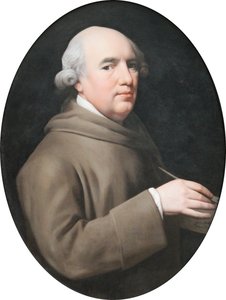
George Stubbs
1724 - 1806 , Egyesült Királyföld
Rövid információk
- Artistic Movement Or Style: Romantika, Lovak művészete
- Artists Or Movements Influenced By This Artist: ['Joshua Reynolds']
- Artists Who Influenced This Artist: ['Hamlet Winstanley']
- Date Of Birth: Augusztus 25, 1724
- Date Of Death: 1806. Július 10.
- Full Name: George Stubbs
- Nationality: Angol
- Notable Artworks:
- Whistlejacket
- Lovag és szörny
- A lovat támadó óriás
- Place Of Birth: Liverpool, Anglia
Kapcsolódó cikkek

Georges Seurat 25 Mesterműve: A Pontillizmus Zsenialitása – OriginalUniqueArt.com
Fedezze fel Georges Seurat 25 legikonikusabb művét! Ismerje meg a pontillizmus zsenialitását, az impresszionizmus forradalmát és a színek lenyűgöző játékát. Prémium minőségű reprodukciók és inspiráló otthoni dekorációk a OriginalUniqueArt.com-on. Fedezze fel a teljes gyűjteményt online!

Georges Braque Mesterek: A 25 Leglenyűgözőbb Kép, Ami Megváltoztatta a Modern Festészetet
Fedezze fel Georges Braque 25 legikonikusabb műalkotását! Ismerje meg a kubizmus történetét, Picasso hatását és a francia művész lenyűgöző festményeit. Múzeumi minőségű reprodukciók és inspiráló dekorációs ötletek a OriginalUniqueArt.com-on.
George Stubbs: Anatomical Precision & Romantic Vision in 18th-Century British Art
Explore the captivating world of George Stubbs, the 18th-century master renowned for his anatomical precision & Romantic animal paintings. Discover his legacy and investment potential.

The Equine Muse: A Historical & Artistic Exploration of Horses in Painting
Explore the captivating history of horses in painting! Discover Renaissance masterpieces, Baroque grandeur & expert insights for collecting equestrian art. Learn about symbolism, techniques & lasting value with OriginalUniqueArt.
The Noble Steed: A Historical and Artistic Exploration of Horses in Fine Art
Explore the rich history of horses in fine art! From ancient depictions to Renaissance masterpieces & beyond, discover iconic artworks and artists. Learn about symbolism, techniques, and find museum-quality reproductions at OriginalUniqueArt.


