
 Megtekintés
 Küldés
 Megosztás
 Részletek
 Útmutató

 Letöltés
 Hasonló darabok
 X-ray felvétel
 Diavetítés
 Kérdések és válaszok
 Statisztika
Lady in a Brown Robe

- 65.0 x 65.0 cm


 Összes részlet megjelenítése
Giclée / Műnyomat
Múzeumi minőségű giclée vagy vászonnyomat, gyors gyártással és rugalmas finomítási lehetőségekkel. ( Kézzel festett másolat rendelése Áttérés digitális képre)




P118B Ft10

P118H Ft10

P118W Ft10

P438Z Ft10

P508JH Ft12

P508YH Ft12

P805H Ft10

P805Z Ft10

P919BZ Ft10

P919G Ft10

P919XJ Ft10

P959ZH Ft10

P968JZ Ft12

W106C Ft8

W218G Ft10

W218JH Ft8

W218Y Ft10

W307PJ Ft10

W316G Ft10

W316PJ Ft8

W316Y Ft10

W398PJ Ft8

W4111J Ft10

W500HY Ft15

W500JH Ft15

W692G Ft12

W849H Ft8

W940BG Ft15

W953PJ Ft8




Válasszon előre meghatározott méreteink közül, amelyek megfelelnek a műalkotás eredeti arányainak.

Írja be a keretének vagy a falának megfelelő szélességet és magasságot. A nyomatot csak le lehet vágni, soha nem tehető nagyobbá, mint az eredeti kép, így egy eltérő alakú méretnél a kép egy része elveszik. Mielőtt bármit kinyatintanánk, küldünk egy digitális próbamodellt jóváhagyásra. Az oldalon látható kép nem tartalmazza a valós levágást — ezt csak a próbamodell mutatja meg.
Világszerte történő kiszállítás területére mindössze 2 hét alatt, a szokásos 4-5 hét helyett. (6 november)

Ingyenes globális expressz szállítás

Prémium minőségű len vászon

Teljes körű szállítási biztosítás

Vámvisszatérítési Garancia

Hiteles színarányosság garancia

100 napos visszaküldési lehetőség (csak hibás termékek esetén)

100% pénzvisszatérítési garancia

Több darab vásárlásakor kedvezmény
 Az üvegkeretes opció csak 110 cm alatti méretben érhető el

Lady in a Brown Robe
Giclée / Műnyomat
Reprodukció mérete
-


Összesített ár
Ft 26492
A Vision of Neoclassical Grace
In the quiet splendor of George Romney’s 1785 masterpiece, Lady in a Brown Robe, we encounter more than a mere portrait; we step into the refined atmosphere of the Georgian era. This exquisite work captures Miss Eliza Siddall, a woman celebrated for her beauty, not through flamboyant display, but through a profound sense of serenity and poise. As she gazates toward the viewer, there is an intimate connection established—a silent dialogue between the subject and the observer that has captivated audiences for centuries. The painting serves as a quintessential window into Neoclassical portraiture, a movement that sought to revive the dignified ideals of ancient Greece and Rome, stripping away excessive ornamentation to reveal the pure, sculptural essence of the human form.
The technical mastery displayed by Romney is nothing short of breathtaking. Utilizing the rich, luminous possibilities of oil on canvas, the artist achieves a depth of texture that invites the eye to linger upon every fold of the sitter's attire. His approach is characterized by a meticulous attention to tonal gradation, where light and shadow dance across the surface to create a lifelike three-dimensionality. The soft, warm glow emanating from the skin tones contrasts beautifully with the earthy, understated palette of the brown robe, creating a visual harmony that feels both grounded and ethereal. For the discerning collector or interior designer, this balance of subtle color and masterful light makes the piece an incredibly versatile anchor for any sophisticated space.
Symbolism and Social Elegance
Beyond its aesthetic brilliance, the artwork is steeped in the social aspirations of late 18th-century London. During this period of Enlightenment, the aristocracy sought to project values of virtue, stability, and classical wisdom. The choice of a simple brown robe is deeply symbolic; rather than relying on the ostentatious silks or jewels common in royal portraiture, Romney uses the understated elegance of the garment to emphasize the sitter's inner character and natural grace. This restraint reflects the Neoclassical preference for clarity and truth over superficiality. The delicate pearl necklace, catching a glint of light, provides just enough ornamentation to signify her high social standing without disrupting the painting's overall sense of tranquil dignity.
To possess or display a reproduction of this work is to invite a sense of historical continuity and timelessness into a modern environment. The painting does not merely decorate a wall; it commands a room with its quiet authority and emotional depth. Whether placed in a sunlit library or a formal dining area, Lady in a Brown Robe offers an enduring inspiration, reminding us of an era where art was used to capture the very soul of elegance. It remains a cornerstone of British art history, a testament to George Romney's ability to transform a single moment of stillness into an eternal emblem of beauty.
Kérdések és válaszok
Ki készítette a(t) "Lady in a Brown Robe"-t, és mikor?
A "Lady in a Brown Robe" alkotója George Romney, a mű pedig 1785 származik.
Honnan érkeznek a „Lady in a Brown Robe”, George Romney alkotása látogatói?
A „Lady in a Brown Robe”, George Romney alkotása Statisztikák oldala a nyilvános látogatási statisztikákat mutatja be: az alkotás havi látogatottságát, összehasonlításban a művész legnézettebb alkotásaival, valamint a látogatók származási helyét.
A George Romney alkotása, a "Lady in a Brown Robe", a jogi szabadhasználatban (public domain) áll-e, és miért?
A „Lady in a Brown Robe”, George Romney alkotása közösségi tulajdon – a szerzői jog lejártt állapotban van. A szerzői jogi védelem időtartama a művész halálától számítódik, amely 1802 évben történt.
A művész életrajza
A Life in Portraiture: The World of George Romney
Born in the picturesque landscape of Dalton-in-Furness, Lancashire, on December 15th, 1734, George Romney ascended to become one of the most sought-after portrait painters of his era. His journey from a cabinet maker’s son to the favored artist of British high society is a compelling narrative of innate talent and unwavering ambition. Early life offered little indication of the artistic path he would forge; initially apprenticed to his father, it was an inherent inclination towards drawing and craftsmanship that led him to Christopher Steele, a local portraitist who had studied in Paris. This apprenticeship proved pivotal, providing Romney with foundational skills and an introduction to European artistic traditions. He quickly surpassed his master, however, demonstrating a precocious talent demanding further cultivation. A brief, unhappy marriage and subsequent separation propelled him towards London in 1762, a city brimming with opportunity but also fierce competition.Establishing a Reputation: Style and Technique
London proved to be a crucible for Romney’s artistic development. He swiftly established himself as a formidable portraitist, challenging the dominance of artists like Thomas Gainsborough and Sir Joshua Reynolds. While he never sought membership in the Royal Academy – a decision that perhaps limited his access to certain patronage – his success was undeniable. Romney's style evolved over time, initially reflecting the influence of Steele and his Parisian training, but soon blossomed into something distinctly his own. He possessed an exceptional ability to capture not merely the likeness, but also the personality and social standing of his sitters. His portraits are characterized by elegant poses, a refined use of light and shadow, and a subtle psychological insight that set him apart. Romney’s technique was marked by a delicate touch and a preference for flowing lines, often drawing inspiration from classical sculpture. He skillfully employed color to convey texture and depth, creating portraits that were both visually striking and emotionally resonant. His ability to flatter his subjects while maintaining artistic integrity earned him the loyalty of an elite clientele. He understood the power of suggestion, hinting at character rather than explicitly defining it, a quality that appealed to those who valued discretion and refinement.The Muse and Her Influence: Emma Hamilton
Romney’s life took a dramatic turn with his encounter with Emma Hart, later known as Lady Hamilton, in 1782. She became not only his most celebrated model but also his muse, profoundly influencing his artistic output. Emma's beauty, intelligence, and theatrical flair captivated Romney, inspiring a series of portraits that explored themes of classical mythology, dramatic narrative, and feminine grace. He depicted her in various roles – as a spinner, as the tragic Miranda from Shakespeare’s *The Tempest*, and in numerous allegorical scenes that showcased her expressive range. These works demonstrate Romney's willingness to experiment with composition and symbolism, moving beyond conventional portraiture into more imaginative territory. The Tempest series, in particular, reveals a Romantic sensibility at play, anticipating the emotional intensity of later artists. The relationship was intense and all-consuming for Romney, though ultimately unfulfilled romantically; Emma eventually became the mistress of Lord Nelson, a union that cemented her place in history. Nevertheless, their artistic collaboration left an indelible mark on both their lives and produced some of Romney’s most enduring masterpieces. It is said he painted over 80 portraits of her, each revealing a different facet of her captivating personality.Notable Works and Artistic Development
Romney's oeuvre encompasses a diverse range of subjects, reflecting his versatility as an artist. Among his most celebrated works are *Peter and James Romney* (a touching portrait of his brothers), *Portrait of G. Cowper*, and the dramatic *The Death of General Wolfe*, which secured him a prestigious award from the Royal Society of Arts in 1799. These paintings showcase his evolving style, moving from more formal, classical compositions to increasingly dynamic and emotionally charged scenes. His later portraits often display a heightened sense of intimacy and psychological depth, indicative of his growing mastery of capturing the inner lives of his subjects. Romney’s artistic development can be traced through his exploration of light, color, and composition—elements that he skillfully employed to create works of enduring beauty and significance.Legacy and Historical Significance
George Romney's impact on British portraiture is undeniable. He helped shape the aesthetic sensibilities of the late 18th century, contributing to a style that emphasized elegance, psychological depth, and artistic flair. His portraits offer invaluable insights into the lives and tastes of the British elite during his time, providing a visual record of their social customs, fashion, and intellectual pursuits. While he faced periods of self-doubt and struggled with mental health issues in later life – leading to a decline in productivity before his death in Kendal in 1802 – his legacy endures through the hundreds of paintings and drawings that remain as testaments to his skill. His work continues to be admired for its technical brilliance and emotional resonance. Romney’s influence can be seen in the portraits of subsequent generations of British artists. The enduring fascination with his relationship with Emma Hamilton adds another layer of intrigue to his story. He remains a significant figure in the history of art, a master portraitist who captured the spirit of an age and left behind a body of work that continues to captivate and inspire. Romney’s portraits are not merely representations of individuals; they are windows into a vanished world.
George Romney
1734 - 1802 , Egyesült Királyság
Rövid információk
- Artistic Movement Or Style: Portréfestészet, Romantika
- Artists Or Movements Influenced By This Artist: ['Angol festők']
- Artists Who Influenced This Artist:
- Steele
- Vanloo
- Raffael
- Tiziano
- Date Of Birth: Dec 15, 1734
- Date Of Death: Nov 15, 1802
- Full Name: George Romney
- Nationality: Angol
- Notable Artworks:
- Peter Romney
- Cowper portréja
- Wolfe halála
- Place Of Birth: Dalton-in-Furness, UK
Kapcsolódó cikkek
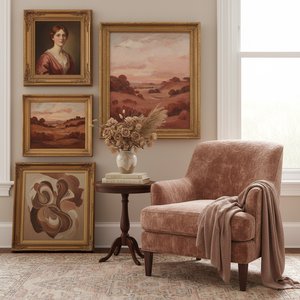
A rózsaszínbarna árnyalatok uralma: 10 híres festmény a művészettörténetből
Fedezze fel a 10 legikonikusabb festményt, melyeket a rózsaszínbarna árnyalatok uralnak! Ismerje meg Rembrandt, Monet és más mesterek alkotásait. Művészettörténet, inspiráció otthon dekorációhoz – OriginalUniqueArt.com kínálatában megtalálja álmai faliképét. Böngéssze a teljes gyűjteményt online!

10 Iconic Neoclassical Masterpieces That Changed Art History Forever
Journey through history with 10 Neoclassical masterpieces. From Jacques-Louis David to Ingres, explore the stories behind these timeless icons. Find museum-quality art reproductions and elegant decor inspiration at OriginalUniqueArt.com. Discover all masterpieces on OriginalUniqueArt.com
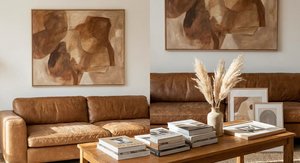
A 'Sandy Brown' Szín Uralkodása a Festészetben: 10 Híres Műalkotás, Amelyek Meghatározták Korukat
Fedezze fel a 'sandy brown' szín lenyűgöző világát a festészetben! 10 híres műalkotás – Rembrandt, Vermeer és más mesterek alkotásai – inspiráló történetekkel. Múzeumi minőségű reprodukciók otthonába OriginalUniqueArt.com-on. Böngésszen online!

10 Iconic Masterpieces Defined by Rich Rosy Brown Tones
Immerse yourself in the warmth of history with 10 iconic paintings defined by rosy brown tones. Explore the stories behind these timeless masterpieces and find inspiration for your decor. Discover museum-quality art reproductions on OriginalUniqueArt.com.
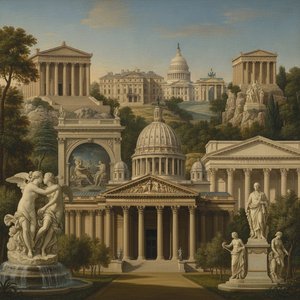
10 Iconic Neoclassical Masterpieces That Changed Art History Forever
Journey through history with 10 iconic Neoclassical masterpieces. From Jacques-Louis David to Ingres, explore the stories behind these timeless works of art. Find museum-quality reproductions and elegant decor inspiration at OriginalUniqueArt.com. Discover all masterpieces on OriginalUniqueArt.com


