

 Előnézet
 Megosztás
 Megosztás
 Részletek
 Útmutató

 Letöltés
 Hasonló darabok
 X-ray felvétel
 Diavetítés
 Statisztika
Edward Loveden (1749–1822)
 Oil On Canvas
- WallArt
- Romantic Portraiture
 1789
1789- 19th Century
 127.0 x 102.0 cm
 Llyfrgell Genedlaethol Cymru / The National Library of Wales
 Tovább olvasom
Giclée / Műnyomat
Múzeumi minőségű giclée vagy vászonnyomat, gyors gyártással és rugalmas finomítási lehetőségekkel. ( Kézzel festett másolat vásárlása Áttérés digitális képre)




P118B $10

P118H $10

P118W $10

P438Z $10

P508JH $12

P508YH $12

P805H $10

P805Z $10

P919BZ $10

P919G $10

P919XJ $10

P959ZH $10

P968JZ $12

W106C $8

W218G $10

W218JH $8

W218Y $10

W307PJ $10

W316G $10

W316PJ $8

W316Y $10

W398PJ $8

W4111J $10

W500HY $15

W500JH $15

W692G $12

W849H $8

W940BG $15

W953PJ $8




Válasszon előre meghatározott méreteink közül, amelyek megfelelnek a műalkotás eredeti arányainak.

Megadhat saját méreteket is egy konkrét kerethez vagy helyszínhez igazítva. Amennyiben a kiválasztott méret nem egyezik az eredeti kép arányokkal, a műalkotást le fogjuk vágni, vagy kiegészítjük a képet tükrözött vagy egyszínű szélekkel. A gyártás megkezdése előtt egy digitális tervezetet küldünk jóváhagyásra.
Kérjük, vegye figyelembe, hogy a képernyőn látható előnézet nem tükrözi a tényleges levágást vagy kiegészítést. Csak a tervezet mutatja pontosan a végső kompozíciót.
Bár az egyedi méretek is elérhetőek, az eredeti arányok megőrzése érdekében azt javasoljuk, hogy válasszon a előre meghatározott listából származó méretet.
Világszerte történő kiszállítás területére mindössze 2 hét alatt, a szokásos 4-5 hét helyett. (20 szeptember)

Ingyenes globális expressz szállítás

Prémium minőségű len vászon

Teljes körű szállítási biztosítás

Vámvisszatérítési Garancia

Tökéletes színarányosság garancia

100 napos visszaküldési garancia (csak gyártási hibás termékek esetén)

100% pénzvisszatérítési garancia

Több darab vásárlásakor kedvezmény
 Az üvegkeretes opció csak 110 cm alatti méretben érhető el

Edward Loveden (1749–1822)
Giclée / Műnyomat
Reprodukció méretei
-


Összesített ár
$ 80
Edward Loveden (1789) – A Portrait of Georgian Ambition
- George Romney’s “Edward Loveden” offers a captivating glimpse into the world of 18th-century British society, meticulously rendered in 1789. This portrait, measuring 127 x 102 cm, is more than just a likeness; it's a carefully constructed tableau reflecting the status and aspirations of its subject – Edward Loveden himself. The painting’s strength lies not merely in Romney’s technical skill but also in his ability to capture the nuances of Georgian formality and the subtle power dynamics inherent in portraiture during this era.
- The composition immediately draws the eye to Loveden, seated with an air of quiet confidence on a chair upholstered in rich red cushions. His attire – a black jacket over a crisp white shirt, complemented by a powdered wig and meticulously groomed mustache – speaks volumes about his position within the social hierarchy. Romney’s masterful use of light and shadow sculpts Loveden's features, emphasizing his intelligence and bearing. The subtle details, such as the texture of the fabric and the sheen on his shoes, demonstrate Romney’s dedication to realism and his ability to convey a sense of tangible presence.
Romney’s Portrait Style and Technique
- George Romney was a pivotal figure in the development of British portraiture. Influenced by both English and Continental artistic traditions, particularly those he encountered during his apprenticeship with Christopher Steele in Paris, Romney developed a distinctive style characterized by its naturalism and psychological depth. Unlike some of his contemporaries who favored idealized representations, Romney sought to capture his subjects’ individual personalities and character traits.
- His technique involved meticulous observation and careful brushwork. Romney employed a layering method – *glazing* – building up color gradually through thin, translucent washes. This approach allowed him to achieve subtle gradations of tone and create a luminous effect, particularly evident in Loveden’s clothing and the background landscape. The use of warm earth tones—ochres, browns, and reds—contributes to the painting's overall richness and depth.
Historical Context and Symbolism
- Created in 1789, “Edward Loveden” reflects the burgeoning commercial and political landscape of Britain. The figure’s attire and setting suggest a man involved in trade or perhaps even public service – a common subject for portraits commissioned by wealthy merchants and politicians during this period. The inclusion of the background trees, subtly rendered, adds to the sense of an outdoor setting, possibly referencing the importance of land ownership and rural estates within Georgian society.
- The presence of two secondary figures in the background, though smaller in scale, is a deliberate compositional element. They likely represent Loveden’s family or associates, reinforcing his social standing and highlighting the importance of connections within this era. Romney's ability to integrate these elements seamlessly into the main portrait demonstrates his skill as a storyteller through visual means.
Emotional Impact and Artistic Legacy
- “Edward Loveden” transcends a simple depiction of an individual; it’s a window into a bygone era. Romney's ability to capture the subject's dignity and composure evokes a sense of admiration and respect. The painting’s enduring appeal lies in its technical brilliance, historical significance, and the psychological insight that Romney brings to his portraits.
- This reproduction offers an exceptional opportunity to own a piece of art history – a testament to George Romney's genius and a captivating representation of Georgian society. Its dimensions (127 x 102 cm) make it suitable for a variety of interior spaces, adding a touch of elegance and sophistication to any room.
A művész életrajza
A Life in Portraiture: The World of George Romney
Born in the picturesque landscape of Dalton-in-Furness, Lancashire, on December 15th, 1734, George Romney ascended to become one of the most sought-after portrait painters of his era. His journey from a cabinet maker’s son to the favored artist of British high society is a compelling narrative of innate talent and unwavering ambition. Early life offered little indication of the artistic path he would forge; initially apprenticed to his father, it was an inherent inclination towards drawing and craftsmanship that led him to Christopher Steele, a local portraitist who had studied in Paris. This apprenticeship proved pivotal, providing Romney with foundational skills and an introduction to European artistic traditions. He quickly surpassed his master, however, demonstrating a precocious talent demanding further cultivation. A brief, unhappy marriage and subsequent separation propelled him towards London in 1762, a city brimming with opportunity but also fierce competition.Establishing a Reputation: Style and Technique
London proved to be a crucible for Romney’s artistic development. He swiftly established himself as a formidable portraitist, challenging the dominance of artists like Thomas Gainsborough and Sir Joshua Reynolds. While he never sought membership in the Royal Academy – a decision that perhaps limited his access to certain patronage – his success was undeniable. Romney's style evolved over time, initially reflecting the influence of Steele and his Parisian training, but soon blossomed into something distinctly his own. He possessed an exceptional ability to capture not merely the likeness, but also the personality and social standing of his sitters. His portraits are characterized by elegant poses, a refined use of light and shadow, and a subtle psychological insight that set him apart. Romney’s technique was marked by a delicate touch and a preference for flowing lines, often drawing inspiration from classical sculpture. He skillfully employed color to convey texture and depth, creating portraits that were both visually striking and emotionally resonant. His ability to flatter his subjects while maintaining artistic integrity earned him the loyalty of an elite clientele. He understood the power of suggestion, hinting at character rather than explicitly defining it, a quality that appealed to those who valued discretion and refinement.The Muse and Her Influence: Emma Hamilton
Romney’s life took a dramatic turn with his encounter with Emma Hart, later known as Lady Hamilton, in 1782. She became not only his most celebrated model but also his muse, profoundly influencing his artistic output. Emma's beauty, intelligence, and theatrical flair captivated Romney, inspiring a series of portraits that explored themes of classical mythology, dramatic narrative, and feminine grace. He depicted her in various roles – as a spinner, as the tragic Miranda from Shakespeare’s *The Tempest*, and in numerous allegorical scenes that showcased her expressive range. These works demonstrate Romney's willingness to experiment with composition and symbolism, moving beyond conventional portraiture into more imaginative territory. The Tempest series, in particular, reveals a Romantic sensibility at play, anticipating the emotional intensity of later artists. The relationship was intense and all-consuming for Romney, though ultimately unfulfilled romantically; Emma eventually became the mistress of Lord Nelson, a union that cemented her place in history. Nevertheless, their artistic collaboration left an indelible mark on both their lives and produced some of Romney’s most enduring masterpieces. It is said he painted over 80 portraits of her, each revealing a different facet of her captivating personality.Notable Works and Artistic Development
Romney's oeuvre encompasses a diverse range of subjects, reflecting his versatility as an artist. Among his most celebrated works are *Peter and James Romney* (a touching portrait of his brothers), *Portrait of G. Cowper*, and the dramatic *The Death of General Wolfe*, which secured him a prestigious award from the Royal Society of Arts in 1799. These paintings showcase his evolving style, moving from more formal, classical compositions to increasingly dynamic and emotionally charged scenes. His later portraits often display a heightened sense of intimacy and psychological depth, indicative of his growing mastery of capturing the inner lives of his subjects. Romney’s artistic development can be traced through his exploration of light, color, and composition—elements that he skillfully employed to create works of enduring beauty and significance.Legacy and Historical Significance
George Romney's impact on British portraiture is undeniable. He helped shape the aesthetic sensibilities of the late 18th century, contributing to a style that emphasized elegance, psychological depth, and artistic flair. His portraits offer invaluable insights into the lives and tastes of the British elite during his time, providing a visual record of their social customs, fashion, and intellectual pursuits. While he faced periods of self-doubt and struggled with mental health issues in later life – leading to a decline in productivity before his death in Kendal in 1802 – his legacy endures through the hundreds of paintings and drawings that remain as testaments to his skill. His work continues to be admired for its technical brilliance and emotional resonance. Romney’s influence can be seen in the portraits of subsequent generations of British artists. The enduring fascination with his relationship with Emma Hamilton adds another layer of intrigue to his story. He remains a significant figure in the history of art, a master portraitist who captured the spirit of an age and left behind a body of work that continues to captivate and inspire. Romney’s portraits are not merely representations of individuals; they are windows into a vanished world.
George Romney
1734 - 1802 , Egyesült Királyság
Gyors információk
- Artistic Movement Or Style: Portréfestészet, Romantika
- Artists Or Movements Influenced By This Artist: ['Angol festők']
- Artists Who Influenced This Artist:
- Steele
- Vanloo
- Raffael
- Tiziano
- Date Of Birth: Dec 15, 1734
- Date Of Death: Nov 15, 1802
- Full Name: George Romney
- Nationality: Angol
- Notable Artworks:
- Peter Romney
- Cowper portréja
- Wolfe halála
- Place Of Birth: Dalton-in-Furness, UK
Kapcsolódó cikkek

Georges Braque Mesterek: A 25 Leglenyűgözőbb Kép, Ami Megváltoztatta a Modern Festészetet
Fedezze fel Georges Braque 25 legikonikusabb műalkotását! Ismerje meg a kubizmus történetét, Picasso hatását és a francia művész lenyűgöző festményeit. Múzeumi minőségű reprodukciók és inspiráló dekorációs ötletek a OriginalUniqueArt.com-on.

Sir George Clausen: Capturing Edwardian Life & British Impressionism's Nuances
Explore the luminous world of Sir George Clausen, a leading British Impressionist painter. Discover his captivating scenes of Edwardian life, rural England & poignant war art. Learn about his legacy and find high-quality reproductions at OriginalUniqueArt.

Georges Seurat 25 Mesterműve: A Pontillizmus Zsenialitása – OriginalUniqueArt.com
Fedezze fel Georges Seurat 25 legikonikusabb művét! Ismerje meg a pontillizmus zsenialitását, az impresszionizmus forradalmát és a színek lenyűgöző játékát. Prémium minőségű reprodukciók és inspiráló otthoni dekorációk a OriginalUniqueArt.com-on. Fedezze fel a teljes gyűjteményt online!

George Romney: Portraiture, Patronage & the Shaping of Georgian Society
Explore the life & art of George Romney, leading portraitist of Georgian England. Discover his style, famous patrons like Emma Hamilton, and legacy in British society. Expert insights for collectors.
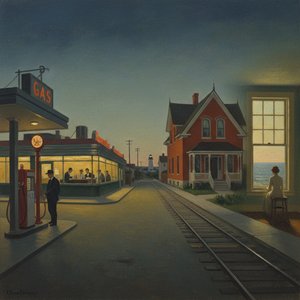
Edward Hopper 25 Mesterműve: A Modern Magány és a Fény Játékai – OriginalUniqueArt
Fedezze fel Edward Hopper 25 legikonikusabb művét! Ismerje meg a modern magány, a fény és árnyék mesterét. Vászonképek, nyomatok – magas minőségben a OriginalUniqueArt.com-on. Inspirálódjon otthoni dekorációjához!


