 Megtekintés
 Küldés
 Megosztás
 Részletek
 Útmutató

 Letöltés
 Hasonló darabok
 X-ray felvétel
 Diavetítés
 Kérdések és válaszok
 Statisztika
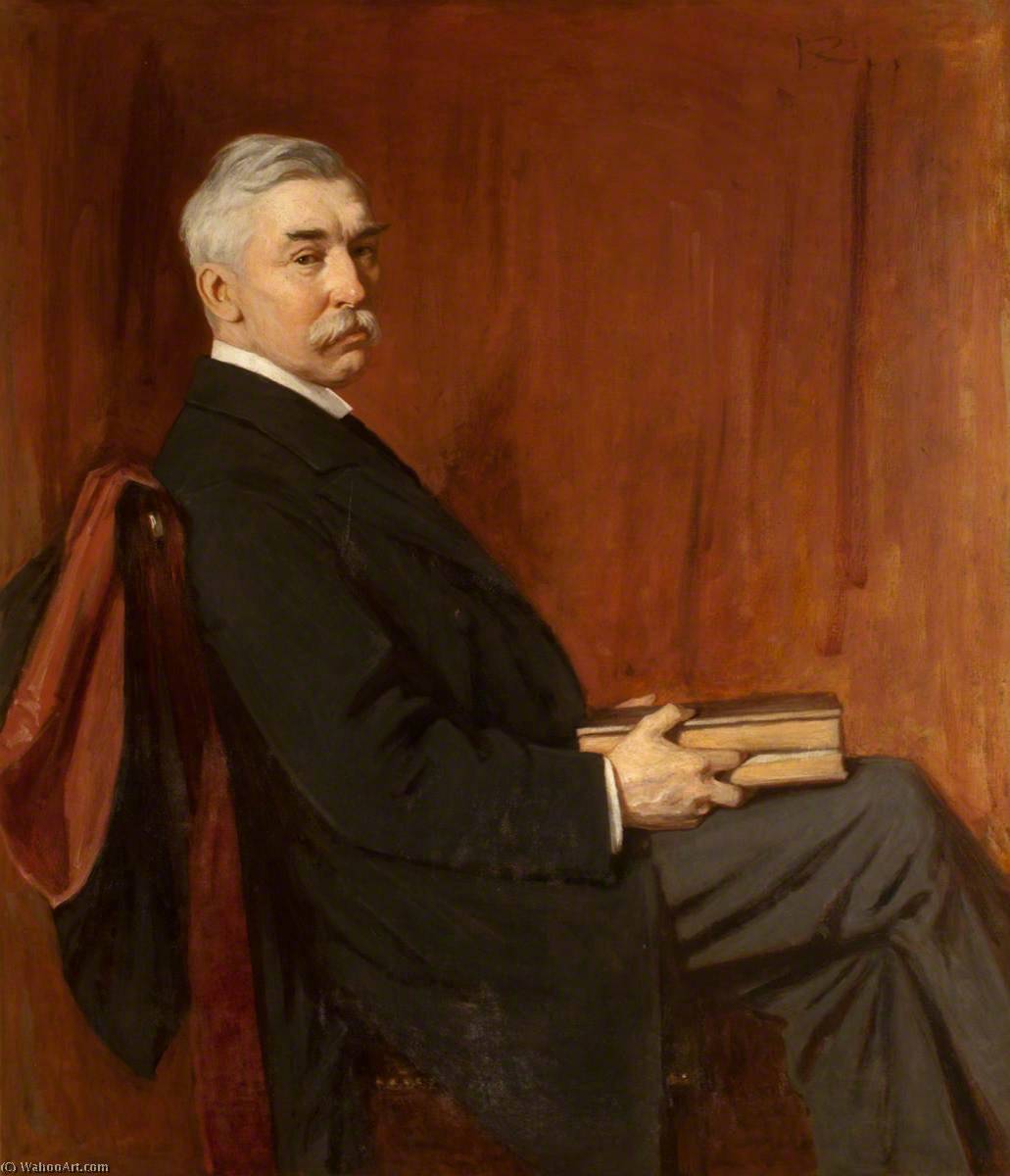
Sir John Sibbald

- 122.0 x 107.0 cm


 Összes részlet megjelenítése
Giclée / Műnyomat
Múzeumi minőségű giclée vagy vászonnyomat, gyors gyártással és rugalmas finomítási lehetőségekkel. ( Kézzel festett másolat rendelése Áttérés digitális képre)




P118B Ft10

P118H Ft10

P118W Ft10

P438Z Ft10

P508JH Ft12

P508YH Ft12

P805H Ft10

P805Z Ft10

P919BZ Ft10

P919G Ft10

P919XJ Ft10

P959ZH Ft10

P968JZ Ft12

W106C Ft8

W218G Ft10

W218JH Ft8

W218Y Ft10

W307PJ Ft10

W316G Ft10

W316PJ Ft8

W316Y Ft10

W398PJ Ft8

W4111J Ft10

W500HY Ft15

W500JH Ft15

W692G Ft12

W849H Ft8

W940BG Ft15

W953PJ Ft8




Válasszon előre meghatározott méreteink közül, amelyek megfelelnek a műalkotás eredeti arányainak.

Írja be a keretének vagy a falának megfelelő szélességet és magasságot. A nyomatot csak le lehet vágni, soha nem tehető nagyobbá, mint az eredeti kép, így egy eltérő alakú méretnél a kép egy része elveszik. Mielőtt bármit kinyatintanánk, küldünk egy digitális próbamodellt jóváhagyásra. Az oldalon látható kép nem tartalmazza a valós levágást — ezt csak a próbamodell mutatja meg.
Világszerte történő kiszállítás területére mindössze 2 hét alatt, a szokásos 4-5 hét helyett. (4 november)

Ingyenes globális expressz szállítás

Prémium minőségű len vászon

Teljes körű szállítási biztosítás

Vámvisszatérítési Garancia

Hiteles színarányosság garancia

100 napos visszaküldési lehetőség (csak hibás termékek esetén)

100% pénzvisszatérítési garancia

Több darab vásárlásakor kedvezmény
 Az üvegkeretes opció csak 110 cm alatti méretben érhető el

Sir John Sibbald
Giclée / Műnyomat
Reprodukció mérete
-


Összesített ár
Ft 26538
A Portrait of Dignity: The Soul of Sir John Sibbald
In the quiet, commanding presence of George Agnew Reid’s Sir John Sibbald, one finds more than just a mere likeness of a man; one encounters a profound meditation on character and intellectual legacy. Completed around 1893, this masterful oil on canvas serves as a window into the Victorian era's reverence for authority, wisdom, and moral fortitude. The subject, Sir John Sibbald—a distinguished physician and Fellow of the Royal College of Physicians of Edinburgh—is captured not in a moment of action, but in a state of contemplative repose. As he sits before a subtle, deep red backdrop, his very posture radiates a sense of settled importance, inviting the viewer to pause and reflect upon the weight of a life dedicated to science and service.
Reid, an artist whose roots were planted in the pastoral landscapes of Ontario but whose hands were trained in the rigorous academic traditions of Philadelphia, brings a unique duality to this work. There is a palpable tension between the meticulous, almost scientific precision of his realism and a soft, atmospheric warmth that breathes life into the canvas. The way the light catches the silvered strands of Sibbald’s beard and the gentle furrow of his brow suggests an intimacy that transcends the formal boundaries of traditional portraiture. For the collector or the lover of fine art, this piece offers a rare opportunity to possess a fragment of Canadian artistic heritage, rendered with a sensitivity that makes the subject feel both monumental and deeply human.
Mastery of Light and Texture
The technical brilliance of Sir John Sibbald lies in Reid’s sophisticated use of glazing and tonal variation. To gaze upon the painting is to witness a masterclass in the art of realism. The artist employed thin, translucent layers of oil paint—a technique known as glazing—to build up a luminous depth that seems to glow from within. This method allows light to penetrate the surface, illuminating the subtle textures of Sibbald’s dark formal suit and the crisp, stark white of his shirt. Such attention to detail creates a breathtaking illusion of three-dimensionality, making the fabric appear heavy and tactile, as if one could reach out and feel the weave of the cloth.
Beyond the physical textures, Reid utilizes light to direct the emotional narrative of the piece. The soft gradient of the background, transitioning from deep shadows to a warmer, muted crimson, focuses all attention upon the subject's face and hands. This careful manipulation of chiaroscuro—the contrast between light and dark—imbues the portrait with a sense of drama and solemnity. For interior designers seeking to anchor a room with a piece of commanding presence, the painting’s balanced composition and rich, tonal palette provide an unparalleled sense of sophistication and timelessness.
Symbolism and the Legacy of Knowledge
Every element within this portrait has been carefully curated by Reid to communicate the essence of his subject. The inclusion of a book held firmly yet naturally in Sibbald’s hands is far from incidental; it serves as a powerful symbol of scholarship, erudition, and the pursuit of truth. In an age where professional identity was inextricably linked to one's intellectual contributions, the book acts as a silent testament to the physician's devotion to the medical arts. This symbolic layer elevates the painting from a simple biographical record to a tribute to the enduring power of human knowledge.
The overall emotional impact of the work is one of profound stability and grace. In an ever-changing world, there is a deep, aesthetic comfort in encountering such a steadfast representation of character. Whether displayed in a private study, a grand library, or a curated gallery space, Sir John Sibbald acts as a focal point of quiet strength. It is a piece that does not merely decorate a wall; it enriches the atmosphere of a home, offering a continuous dialogue between the historical dignity of the past and the refined elegance of the present.
Kérdések és válaszok
Ki készítette a "Sir John Sibbald" alkotást, és milyen stílusú?
A „Sir John Sibbald” alkotását George Reid készítette Contemporary Realism stílusban. A művész és a műveszetség meghatározza a mű hagyományát.
Milyen más neveken ismert George Reid?
A „Sir John Sibbald” alkotójáról, George Reid nevű művészről ismert egyéb nevek között szerepel G. A. Reid.
Milyen technikával készült a „Sir John Sibbald”, George Reid alkotása?
A „Sir John Sibbald”, George Reid alkotása technikája Oil On Canvas. A reprodukciók célja ezen technika megjelenítésének hiteles återadása.
A művész életrajza
Early Life and Artistic Foundations
George Agnew Reid emerged from the fertile landscapes of rural Canada West, born in 1860 in Wingham, Ontario – a place that would forever shape his artistic vision. His beginnings weren’t steeped in formal training, but rather in the rhythms of farm life; a setting he'd later revisit with poignant detail and deep emotional resonance within his paintings. Initially hesitant about his son’s aspirations, Reid’s father eventually recognized and supported this burgeoning talent, granting him the opportunity to study at the Central Ontario School of Art in Toronto in 1879 under the guidance of Robert Harris. This foundational period instilled a respect for established techniques and representational art, yet it simultaneously ignited within Reid a desire to explore beyond mere imitation – a yearning to capture something more profound than simple representation. He sought further refinement at Philadelphia’s Pennsylvania Academy of the Fine Arts from 1882 to 1885, where he was profoundly influenced by Thomas Eakins – a master of realism and anatomical accuracy whose unwavering dedication to truthful depiction served as a guiding principle throughout Reid's career. Equally significant during this formative time was his meeting and subsequent marriage to Mary Hiester Reid, herself a gifted artist; their union forged a lifelong artistic partnership built on mutual respect and a shared creative spirit. Reid’s artistic journey then extended across the Atlantic, immersing himself in the vibrant art scenes of Paris at the Académies Julian and Colarossi, and undertaking focused study at the Prado Museum in Madrid between 1888-1889 – broadening his understanding of European masters and enriching his stylistic vocabulary.A Blossoming Style: Genre Painting and Narrative Depth
Upon returning to Canada, Reid’s artistic focus shifted away from portraiture towards genre painting – a style that allowed him to explore the narratives embedded within everyday life. This wasn't simply a change in subject matter; it represented a deepening of his artistic intent. He sought to capture not just appearances, but the very essence of human experience, translating the quiet dramas and poignant moments of rural Ontario into compelling visual stories. Works like *The Foreclosure of the Mortgage* (1893) stand as prime examples – a deeply moving depiction of rural hardship that powerfully conveyed the struggles faced by ordinary Canadians with remarkable sensitivity. Reid masterfully blended the precision he’d absorbed during his Parisian academic training with subtle Impressionistic touches – a delicate interplay of light and atmosphere that imbued his canvases with realism and emotional resonance. He wasn't merely recording scenes; he was interpreting them, imbuing them with a psychological depth that resonated deeply with viewers. His paintings became windows into the lives of ordinary Canadians, particularly those in rural Ontario, offering glimpses into their joys, sorrows, and enduring spirit. Reid possessed an exceptional ability to observe and capture the nuances of human emotion, translating these observations onto canvas with remarkable skill – creating works that were both aesthetically pleasing and profoundly meaningful.Career Highlights and Educational Leadership
Reid’s artistic achievements were paralleled by a distinguished career in art education and administration. His election to the Royal Canadian Academy of Arts in 1889 solidified his position within the burgeoning Canadian art community, recognizing his significant contributions and influence. However, perhaps his most enduring legacy lies in his role as Principal of the Central Ontario School of Art and Design (later OCAD University) from 1912 to 1918 – a period during which he spearheaded crucial reforms that transformed the institution into a leading center for artistic training in Canada. He passionately believed in the power of art education to nurture creativity and foster a vibrant cultural landscape, advocating for accessible and comprehensive instruction for all aspiring artists. Beyond his administrative duties, Reid continued to produce significant works, including murals and commissioned pieces for public buildings – most notably contributing to the decoration of Toronto’s third City Hall. His commitment extended beyond individual artistry; he actively championed the importance of beauty and good design in everyday life, believing that art should enrich all aspects of human experience.Notable Works
- Spynie Castle and Loch, Moray (1866): A captivating Scottish landscape painting showcasing dramatic light and detail – a testament to his early artistic explorations.
- Mrs Alexander Hay Moncur (1887): A stunning Victorian portrait exhibiting rich detail and luxurious elegance, demonstrating his mastery of formal portraiture.
- John Ritchie Findlay of Aberlour (1899): An academic realist portrait capturing wisdom and experience – a reflection of his ability to portray the complexities of human character.
- The Foreclosure of the Mortgage (1893): A poignant depiction of rural hardship, considered a landmark achievement in Canadian art and a powerful commentary on social realities.
Legacy and Lasting Influence
George Agnew Reid’s legacy extends far beyond his individual paintings; he was a catalyst for change within the Canadian art world – fostering a distinctly national artistic identity while simultaneously embracing international influences. His mentor, Thomas Eakins, instilled in him a commitment to realism and anatomical accuracy, while his time in Paris exposed him to the innovative techniques of Impressionism – elements that he skillfully integrated into his own unique style. He played a crucial role in establishing a visual language that reflected the Canadian experience, depicting Ontario landscapes and rural life with both sensitivity and authenticity. As an educator and administrator, Reid nurtured generations of Canadian artists, shaping the future of art education within the country. His artworks continue to be held in esteemed public and private collections across Canada – including the Art Gallery of Ontario and the National Gallery of Canada – a testament to their enduring artistic merit and historical significance. He died in 1947, leaving behind a body of work that continues to captivate and inspire, solidifying his place as one of Canada’s most important and influential artists. His ability to combine academic rigor with emotional depth created works that resonate with viewers on a profound level – reflecting the social realities of his time and offering enduring insights into the human condition.
George Reid
1860 - 1947 , Kanada
Rövid információk
- Artistic Movement Or Style: Népi festészet, Realizmus
- Artists Or Movements Influenced By This Artist: ['Kanadai művészek']
- Artists Who Influenced This Artist: ['Thomas Eakins']
- Date Of Birth: 1860. 25. július
- Date Of Death: 1947. augusztus 23.
- Full Name: George Agnew Reid
- Nationality: Kanadai
- Notable Artworks:
- Hitelvitele
- Spynie kastély
- Hay Moncur asszony
- Place Of Birth: Wingham, Kanada
Kapcsolódó cikkek

Georges Braque Mesterek: A 25 Leglenyűgözőbb Kép, Ami Megváltoztatta a Modern Festészetet
Fedezze fel Georges Braque 25 legikonikusabb műalkotását! Ismerje meg a kubizmus történetét, Picasso hatását és a francia művész lenyűgöző festményeit. Múzeumi minőségű reprodukciók és inspiráló dekorációs ötletek a OriginalUniqueArt.com-on.

Sir Joshua Reynolds legszebb művei: Klasszikus portrék és a brit arisztokrácia ragyogása – OriginalUniqueArt
Fedezze fel Sir Joshua Reynolds 25 legszebb művét! Klasszikus portrék, brit arisztokrácia és a 18. század festészete – OriginalUniqueArt minőségi reprodukciókkal. Elegáns otthoni dekorációhoz inspiráló képek és vászonképek. Böngéssze gyűjteményünket online!

Georges Seurat 25 Mesterműve: A Pontillizmus Zsenialitása – OriginalUniqueArt.com
Fedezze fel Georges Seurat 25 legikonikusabb művét! Ismerje meg a pontillizmus zsenialitását, az impresszionizmus forradalmát és a színek lenyűgöző játékát. Prémium minőségű reprodukciók és inspiráló otthoni dekorációk a OriginalUniqueArt.com-on. Fedezze fel a teljes gyűjteményt online!

John Singer Sargent 25 Mesterműve: Elegancia és Portrék a OriginalUniqueArt Galériában
Fedezze fel John Singer Sargent 25 legikonikusabb művészeti alkotását! Portrék, impresszionista stílus és a fény játéka – inspirálódjon Sargent életrajzából és vászonképeiből. Művészeti reprodukciók otthonába a OriginalUniqueArt-on!

George Agnew Reid: A Canadian Impressionist's Pursuit of Light, Colour, and National Identity
Explore the life & work of George Agnew Reid, a pivotal figure in Canadian Impressionism. Discover his genre paintings, mural commissions, and lasting influence on art education & national identity. A comprehensive guide for collectors & enthusiasts.


