

 Előnézet
 Megosztás
 Megosztás
 Részletek
 Útmutató

 Letöltés
 Hasonló darabok
 X-ray felvétel
 Diavetítés
 Statisztika
The Gamblers
 Ashcan School
 1924
1924 17.0 x 23.0 cm
 Tovább olvasom
Kézzel készített olajfestmény reprodukció
Kézzel festett olajvastú vászon, az Ön által választott méretben és keretben, művészeink készítik meglévőre. ( Váltás nyomtatványra Áttérés digitális képre)




































Válasszon előre meghatározott méreteink közül, amelyek megfelelnek a műalkotás eredeti arányainak.

Ön megadhat saját méreteket egy adott kerethez vagy térhez igazításhoz. Ha a kiválasztott méret nem egyezik az eredeti kép arányával, akkor a műalkotást levágjuk, vagy további kézzel festett elemekkel meghosszabbítjuk a festményt. A gyártás megkezdése előtt küldünk Önnek egy digitális előnézetet jóváhagyásra.
Kérjük, vegye figyelembe, hogy a képernyőn megjelenő előnézet nem tükrözi a tényleges vágást vagy kiterjesztést. Csak az előnézet fog pontosan mutatni a végső kompozíciót.
Bár egyedi méretek állnak rendelkezésre, javasoljuk, hogy válasszon egy méretet az előre meghatározott listából az eredeti arányok megőrzése érdekében.
A rendelést követően a OriginalUniqueArt.com csapata e-mailt küld az ügyfélnek az instrukciókért, és biztosít egy előnézeti képet (mockup).
Világszerte elérhető szállítás () 3-4 hét alatt a szokásos 5 hét helyett. (21 szeptember). A minőség nem kérdőjelezhető.

Ingyenes globális expressz szállítás

Prémium minőségű len vászon

Teljes körű szállítási biztosítás

Vámvisszatérítési Garancia

Tökéletes színarányosság garancia

100 napos visszaküldési garancia (csak gyártási hibás termékek esetén)

100% pénzvisszatérítési garancia

Több darab vásárlásakor kedvezmény
 Az üvegkeretes opció csak 110 cm alatti méretben érhető el

The Gamblers
Reprodukciós technika
Reprodukció méretei
-


Összesített ár
$ 425
A művész életrajza
George Overbury “Pop” Hart: A Life Painted in Vibrant Detail
George Overbury “Pop” Hart (1868-1933) wasn’t a name etched into the annals of art history until relatively recently, yet his vibrant watercolors offer a captivating window into early 20th-century America – a world brimming with travel, social change, and a burgeoning interest in depicting everyday life. Born in Cairo, Illinois, to a family involved in the printing industry, Hart’s artistic journey began not through formal training but through observation and a restless spirit that propelled him across continents. His early years were marked by itinerant work as a sign painter, a profession that honed his technical skills while simultaneously exposing him to the diverse visual landscapes of America and Europe. This period instilled in him a keen eye for detail and an appreciation for capturing fleeting moments – qualities that would become hallmarks of his distinctive style.
Hart’s formal artistic education began in Chicago, where he attended the Art Institute from 1894 to 1897. However, it was his travels—a defining characteristic of his life—that truly shaped his artistic vision. Beginning around 1898, Hart embarked on a series of extended journeys that took him to Mexico, Central America, North Africa, the Caribbean, and ultimately, Tahiti. These expeditions weren’t merely vacations; they were immersive experiences that fueled his art and provided him with an unparalleled understanding of diverse cultures and social dynamics. It was in Tahiti, shortly after the death of Paul Gauguin, that Hart truly found his artistic voice – a voice characterized by spontaneity, humor, and a fascination with the lives of ordinary people.
Returning to New York City in 1907, Hart became part of a vibrant artist community centered in Fort Lee, New Jersey. This group, including figures like Walt Kuhn, Arthur B. Davies, and Edward Hopper, represented a shift away from the rigid academic traditions of the time and embraced a more social realist approach. Hart’s style evolved during this period, incorporating elements of Impressionism, Post-Impressionism, and even touches of Social Realism – reflecting the diverse influences surrounding him. He was drawn to capturing scenes of daily life: bustling marketplaces, spirited cockfights (a frequent subject in his work), festive celebrations, and the simple pleasures of human interaction. His technique involved loose, expressive brushstrokes, often layering paint in a way that created a sense of movement and immediacy – a deliberate departure from the polished realism favored by many of his contemporaries.
The Watercolorist’s Palette: Technique and Style
Hart's mastery lay primarily in watercolor. He recognized its inherent qualities—its portability, quick drying time, and ability to capture subtle nuances of light and color—and exploited them with remarkable skill. Unlike many artists who meticulously planned their compositions, Hart often worked *en plein air*, directly on location, allowing his sketches to inform the final painting. His brushwork was characterized by a loose, almost improvisational quality – a deliberate rejection of rigid control in favor of capturing the essence of a moment. He employed a technique of layering paint in thin washes, allowing colors to bleed and blend together organically, creating a luminous and atmospheric effect.
His color palette was equally vibrant and expressive. Hart favored bright, saturated hues—particularly reds, yellows, and blues—that he used to create a sense of energy and excitement. He wasn’t afraid to use contrasting colors to draw the eye and emphasize key elements within his compositions. Furthermore, Hart's work is notable for its dynamic composition – often featuring multiple figures engaged in lively activity. This reflects his fascination with capturing the dynamism of everyday life and his ability to convey a sense of movement and spontaneity on paper.
Subjects of Observation: Cockfights, Festivals, and Everyday Life
While Hart’s travels exposed him to a wide range of subjects, he consistently returned to scenes of social interaction – particularly cockfighting and festive celebrations. These events provided him with ample opportunities to observe human behavior, capture the energy of crowds, and explore themes of competition, ritual, and community. His depictions of cockfights are not simply illustrations; they’re vibrant narratives filled with detail, humor, and a keen understanding of the participants' motivations. Similarly, his paintings of festivals convey a sense of joyous abandon – capturing the sights, sounds, and smells of these communal gatherings.
Beyond these specific subjects, Hart also painted landscapes, portraits, and still lifes—often infused with a distinctly personal style. He frequently depicted scenes from his travels, showcasing the beauty and diversity of the world around him. His work is characterized by an intimate perspective – he often focused on capturing the details of ordinary people’s lives, revealing their humanity and resilience.
Legacy and Recognition
Despite a relatively quiet career, George Overbury “Pop” Hart left behind a significant body of work that has gained increasing recognition in recent decades. His paintings are now held by major museums across the United States and Europe, including the Museum of Modern Art, the Brooklyn Museum, and the Smithsonian Institution. A comprehensive monograph on his life and art, published in 1986, helped to bring attention to his work and establish him as a significant figure in American watercolor painting.
Hart’s legacy extends beyond his artistic achievements. He represents a fascinating example of an artist who embraced travel and cultural exchange as integral components of his creative process. His paintings offer a unique glimpse into the early 20th century—a time of rapid social change, technological innovation, and a growing interest in exploring the world beyond one’s immediate surroundings. “Pop” Hart's vibrant watercolors continue to captivate viewers with their energy, humor, and profound appreciation for the beauty and complexity of human life.

george overbury pop hart
1868 - 1933
Gyors információk
- Artistic Movement Or Style: Ashcan School, Watercolorist
- Artists Or Movements Influenced By This Artist:
- Robert Henri
- Diego Rivera
- Artists Who Influenced This Artist:
- Cézanne
- John Marin
- Date Of Birth: May 10, 1868
- Date Of Death: September 9, 1933
- Full Name: George Overbury "Pop" Hart
- Nationality: American
- Notable Artworks:
- Happy days (self-portrait)
- The Gamblers
- Place Of Birth: Cairo, Illinois, USA
Kapcsolódó cikkek

Georges Seurat 25 Mesterműve: A Pontillizmus Zsenialitása – OriginalUniqueArt.com
Fedezze fel Georges Seurat 25 legikonikusabb művét! Ismerje meg a pontillizmus zsenialitását, az impresszionizmus forradalmát és a színek lenyűgöző játékát. Prémium minőségű reprodukciók és inspiráló otthoni dekorációk a OriginalUniqueArt.com-on. Fedezze fel a teljes gyűjteményt online!
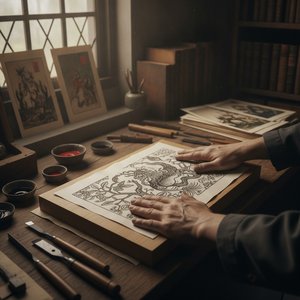
Mastering the Woodcut: A Definitive Guide to the Art of Relief Printing and its Historical Legacy
Explore the profound history and technical mastery of woodcut relief printing. From ancient origins to German Expressionism, discover how artists use the subtractive process to create iconic works. A definitive guide for art students, collectors, and historians.

The Enduring Legacy of Fine Art Prints: Technique, History & Aesthetic Impact
Explore the rich history & techniques of fine art prints. Discover investment potential, assess authenticity, and learn how to preserve your collection with expert guidance. Trusted insights for discerning collectors.

Georges Braque Mesterek: A 25 Leglenyűgözőbb Kép, Ami Megváltoztatta a Modern Festészetet
Fedezze fel Georges Braque 25 legikonikusabb műalkotását! Ismerje meg a kubizmus történetét, Picasso hatását és a francia művész lenyűgöző festményeit. Múzeumi minőségű reprodukciók és inspiráló dekorációs ötletek a OriginalUniqueArt.com-on.

Giclée Prints: Archival Quality & Aesthetic Nuances for the Discerning Collector
Explore the world of giclée prints with OriginalUniqueArt. Learn about archival quality, aesthetic nuances & investment potential. Expert guidance for discerning art collectors seeking museum-quality reproductions and lasting value.