
 Megtekintés
 Küldés
 Megosztás
 Részletek
 Útmutató

 Letöltés
 Hasonló darabok
 X-ray felvétel
 Diavetítés
 Kérdések és válaszok
 Statisztika
Gipsies

- 36.0 x 47.0 cm


 Összes részlet megjelenítése
Giclée / Műnyomat
Múzeumi minőségű giclée vagy vászonnyomat, gyors gyártással és rugalmas finomítási lehetőségekkel. ( Kézzel festett másolat rendelése Áttérés digitális képre)




P118B Ft10

P118H Ft10

P118W Ft10

P438Z Ft10

P508JH Ft12

P508YH Ft12

P805H Ft10

P805Z Ft10

P919BZ Ft10

P919G Ft10

P919XJ Ft10

P959ZH Ft10

P968JZ Ft12

W106C Ft8

W218G Ft10

W218JH Ft8

W218Y Ft10

W307PJ Ft10

W316G Ft10

W316PJ Ft8

W316Y Ft10

W398PJ Ft8

W4111J Ft10

W500HY Ft15

W500JH Ft15

W692G Ft12

W849H Ft8

W940BG Ft15

W953PJ Ft8




Válasszon előre meghatározott méreteink közül, amelyek megfelelnek a műalkotás eredeti arányainak.

Írja be a keretének vagy a falának megfelelő szélességet és magasságot. A nyomatot csak le lehet vágni, soha nem tehető nagyobbá, mint az eredeti kép, így egy eltérő alakú méretnél a kép egy része elveszik. Mielőtt bármit kinyatintanánk, küldünk egy digitális próbamodellt jóváhagyásra. Az oldalon látható kép nem tartalmazza a valós levágást — ezt csak a próbamodell mutatja meg.
Világszerte történő kiszállítás területére mindössze 2 hét alatt, a szokásos 4-5 hét helyett. (4 november)

Ingyenes globális expressz szállítás

Prémium minőségű len vászon

Teljes körű szállítási biztosítás

Vámvisszatérítési Garancia

Hiteles színarányosság garancia

100 napos visszaküldési lehetőség (csak hibás termékek esetén)

100% pénzvisszatérítési garancia

Több darab vásárlásakor kedvezmény
 Az üvegkeretes opció csak 110 cm alatti méretben érhető el

Gipsies
Giclée / Műnyomat
Reprodukció mérete
-


Összesített ár
Ft 26538
A Snapshot of Rustic Life: George Morland’s “Gipsies”
George Morland's "Gipsies," painted around 1800, offers a captivating glimpse into the world of itinerant travelers – the gypsies – as they sought respite and perhaps livelihood within the dappled shade of a woodland tree. This small yet remarkably detailed canvas isn’t merely a depiction of a scene; it’s an evocation of atmosphere, a carefully constructed tableau brimming with quiet observation and a subtle sense of melancholy. Measuring just 36 x 47 cm, “Gipsies” invites the viewer into its intimate space, drawing us close to the figures within and allowing us to contemplate their lives against the backdrop of a serene, if slightly melancholic, English landscape.
Morland’s artistic journey began in London, nurtured by his father, an artist himself. Early influences included Francis Wheatley, whose meticulous attention to detail and ability to capture fleeting moments undoubtedly shaped Morland's nascent style. However, it was the Dutch Golden Age masters – particularly their mastery of light, texture, and the depiction of everyday life – that truly informed “Gipsies.” This influence is immediately apparent in the painting’s rich, almost tactile quality; Morland meticulously renders every fold of fabric, every ripple of water, and every weathered surface with a remarkable level of realism. The use of loose brushstrokes and a slightly hazy atmosphere further enhances this sense of immediacy, transporting us directly into the scene.
The Scene Unfolds: Composition and Narrative
The composition is deceptively simple yet profoundly effective. A group of gypsies – men, women, and children – are scattered around a large oak tree, its branches providing dappled shade over the figures. A horse stands patiently near the center, suggesting movement and perhaps a connection to trade or travel. A dog lies contentedly at the edge of the scene, adding another layer of domesticity to this otherwise itinerant gathering. Notice how Morland doesn’t impose a rigid narrative; instead, he presents a moment frozen in time – a pause in their journey, a shared respite beneath the tree.
The arrangement is carefully balanced, with the figures clustered around the tree while others are positioned further back, creating a sense of depth and inviting the viewer to become an observer within the scene. The inclusion of the horse is particularly noteworthy; it’s not just a decorative element but a symbol of mobility and livelihood – essential components of the gypsy lifestyle. The dog, often associated with loyalty and companionship, reinforces this theme of community and shared experience.
Symbolism and Emotional Resonance
“Gipsies” is more than just a realistic portrayal of a group of travelers; it’s imbued with subtle symbolism. The tree itself represents stability and connection to the earth – a grounding force amidst the nomadic lives of the gypsies. The muted color palette, dominated by browns, greens, and greys, contributes to the painting's overall mood of quiet contemplation. There’s a hint of sadness in the faces of some of the figures, perhaps reflecting the challenges and uncertainties inherent in their itinerant existence.
Morland was particularly drawn to scenes of rural life and the lives of marginalized communities. His work often captures a sense of vulnerability and resilience – a poignant awareness of the human condition. “Gipsies” is no exception; it’s a tender, understated portrait that invites us to empathize with these often-misunderstood travelers and appreciate their unique way of life. The painting's enduring appeal lies in its ability to evoke a sense of nostalgia for a simpler time, while simultaneously offering a glimpse into the complexities of human existence.
A Reproduction Worth Cherishing
OriginalUniqueArt offers meticulously crafted hand-painted reproductions of George Morland’s “Gipsies,” ensuring that this captivating artwork can be enjoyed in your home or office. Our skilled artists replicate Morland's distinctive brushwork and atmospheric effects with exceptional precision, capturing the painting’s original charm and emotional depth. Whether you are an art collector, a design enthusiast, or simply someone who appreciates beautiful artistry, a OriginalUniqueArt reproduction of “Gipsies” is a timeless addition to any space – a window into a bygone era and a celebration of human connection.
Kérdések és válaszok
Milyen típusú alkotás a "Gipsies"?
A katalógusban a „Gipsies”, George Morland alkotása a WallArt kategóriába tartozik. Ez a besorolás segít hasonló művek megtalálásában.
Miért van az, hogy a "Gipsies" szerzői jogi állapota ilyen?
A "Gipsies" szerzői jogi státusza – közösségi tulajdon – a szerzői jog lejártt – a művész 1804 évi halálából adódik.
Mit ábrázol a "Gipsies"?
A "Gipsies" alkotás tárgyai: gypsies, landscape, rural, leisure, tree, horse, group, outdoors.
A művész életrajza
Early Life and Influences
George Morland, a name synonymous with the intimate depiction of rural English life in the late 18th century, was born on June 26, 1763, within the bustling heart of London. His artistic journey began under the nurturing guidance of his father, Henry Robert Morland – himself a painter, engraver, and skilled picture restorer. From a remarkably young age, Henry recognized George’s innate talent and fostered his creative development with unwavering support. By the time George reached ten years old, his name had already gained recognition as an honorary exhibitor of sketches at the prestigious Royal Academy, marking a significant early step in his burgeoning career.
Morland's formative artistic influences were deeply rooted in the traditions of Dutch Golden Age painting. He was particularly drawn to the meticulous detail and atmospheric perspective favored by masters like Rembrandt and Vermeer. However, he also found inspiration in the work of Francis Wheatley, a contemporary painter known for his charming depictions of domestic scenes. A pivotal moment in Morland’s early career came with an introduction to Sir Joshua Reynolds, one of the most influential figures in British art at the time. Reynolds generously allowed Morland to study and copy his own paintings, providing invaluable insights into composition, technique, and the principles of classical beauty. This apprenticeship profoundly shaped Morland's artistic sensibilities, laying the foundation for his distinctive style.
Artistic Style and Notable Works
George Morland’s artistic style is immediately recognizable by its focus on humble, everyday scenes – farmyards teeming with livestock, bustling stables filled with horses, smugglers lurking in shadowy corners, and gatherings of itinerant gypsies. He possessed a remarkable ability to capture the textures and details of these rustic environments with astonishing precision, creating paintings that feel remarkably immediate and alive. His compositions are often characterized by a rich, layered quality, achieved through meticulous brushwork and a masterful use of light and shadow. Unlike many of his contemporaries who favored grand historical or mythological subjects, Morland chose to depict the lives of ordinary people in their natural surroundings – a deliberate decision that reflected his own artistic sensibilities.
It’s important to note that much of Morland's work was originally intended for reproduction in prints. Publishers recognized the commercial potential of his scenes and produced numerous engravings based on his paintings, generating significant income for them while often yielding considerably less profit for Morland himself. Despite this financial reality, he continued to produce a prodigious amount of artwork throughout his career. Among his most celebrated works are The Farmyard, a vibrant depiction of rural activity; the hauntingly evocative Horse Devoured by a Lion (a copy of Stubbs’s original), and the atmospheric Near Nîmes. These paintings, along with many others, offer a captivating glimpse into the world of 18th-century England.
Development and Artistic Journey
Morland's artistic journey was marked by both periods of intense creativity and times of struggle. His early training under his father provided him with a solid foundation in painting techniques, including copying works by Dutch and Flemish masters – a practice that instilled in him a deep appreciation for the traditions of European art. However, it was his encounter with Sir Joshua Reynolds that truly shaped his artistic vision. Reynolds’s emphasis on classical beauty and harmonious composition profoundly influenced Morland's approach to painting, while also encouraging him to develop his own unique style.
After the 1790s, Morland underwent a significant stylistic transformation. His paintings became increasingly characterized by their intimate scale, meticulous detail, and evocative atmosphere. However, this period of artistic flourishing was tragically cut short by personal difficulties – excessive drinking and a generally dissolute lifestyle took a toll on his health and productivity. He faced numerous financial challenges, including periods of debt and imprisonment, which further hampered his ability to produce work. Despite these hardships, Morland remained remarkably prolific, continuing to paint until his untimely death in October 1804 at the age of 41.
Legacy and Historical Significance
George Morland’s contribution to English art is considerable, though often overlooked by mainstream historical narratives. He stands as a key figure in the development of genre painting – the depiction of everyday scenes from ordinary life – and his work played a significant role in shaping the visual culture of 18th-century England. His paintings were immensely popular during his lifetime, largely due to their appeal to a wide audience and the widespread availability of prints based on his works. Today, Morland’s art is celebrated for its remarkable detail, atmospheric quality, and intimate portrayal of rural life.
His legacy extends beyond the realm of fine art. Morland's paintings helped to popularize the depiction of rural England, contributing to a growing sense of national identity and pride. Furthermore, his work served as inspiration for generations of artists, both in Britain and abroad. George Morland’s works can be found in numerous museums and collections across the world, including the National Gallery in London and the Tate Britain in London, ensuring that his artistic legacy continues to endure.

George Morland
1763 - 1804 , Egyesült Királyföld
Rövid információk
- Artistic Movement Or Style: Falusi tájak, gazdasági élet
- Artists Or Movements Influenced By This Artist: ['Angol tájképfestészet']
- Artists Who Influenced This Artist:
- Francis Wheatley
- Holland mesterek
- Date Of Birth: 1763. 06. 26.
- Date Of Death: 1804. 10. 29.
- Full Name: George Morland
- Nationality: Angol
- Notable Artworks:
- A tanya
- Szamár a sziklákon
- Nérpázó lovasok
- Place Of Birth: London, Anglia
Kapcsolódó cikkek

The Equine Muse: A Historical & Artistic Exploration of Horses in Painting
Explore the captivating history of horses in painting! Discover Renaissance masterpieces, Baroque grandeur & expert insights for collecting equestrian art. Learn about symbolism, techniques & lasting value with OriginalUniqueArt.

Georges Braque Mesterek: A 25 Leglenyűgözőbb Kép, Ami Megváltoztatta a Modern Festészetet
Fedezze fel Georges Braque 25 legikonikusabb műalkotását! Ismerje meg a kubizmus történetét, Picasso hatását és a francia művész lenyűgöző festményeit. Múzeumi minőségű reprodukciók és inspiráló dekorációs ötletek a OriginalUniqueArt.com-on.

The Noble Steed on Canvas: A Historical & Artistic Exploration of Horse Painting Across Cultures
Explore the rich history of horse painting! Discover masterpieces from Stubbs to Munnings & learn about symbolism, techniques & artists. Find museum-quality reproductions at OriginalUniqueArt.
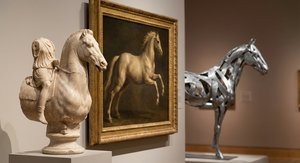
The Noble Steed: A Historical and Artistic Exploration of Horses in Fine Art
Explore the rich history of horses in fine art! From ancient depictions to Renaissance masterpieces & beyond, discover iconic artworks and artists. Learn about symbolism, techniques, and find museum-quality reproductions at OriginalUniqueArt.

Georges Seurat 25 Mesterműve: A Pontillizmus Zsenialitása – OriginalUniqueArt.com
Fedezze fel Georges Seurat 25 legikonikusabb művét! Ismerje meg a pontillizmus zsenialitását, az impresszionizmus forradalmát és a színek lenyűgöző játékát. Prémium minőségű reprodukciók és inspiráló otthoni dekorációk a OriginalUniqueArt.com-on. Fedezze fel a teljes gyűjteményt online!
