

 Megtekintés
 Küldés
 Megosztás
 Részletek
 Útmutató

 Letöltés
 Hasonló darabok
 X-ray felvétel
 Diavetítés
 Statisztika
Szeptember Napfénye
 Akril festmény vászonon
- Falfeliratok és faldekoráció
- Impressionistic Landscape
 47.0 x 58.0 cm
 Alfred East Art Gallery
 Összes részlet megjelenítése
Az ezen az oldalon megjelenített műalkotások szerzői jogi védelem alatt állnak, ami azt jelenti, hogy törvényileg nem készíthetünk és nem adhatunk el belőlük pontos másolatokat. Ez a védelem olyan nemzetközi megállapodások alapján érvényesül, mint például a Berni Egyezmény és a nemzeti jogszabályok által, beleértve azokat is, amelyeket meghatározott Az USA szerzői jogi törvénye – 17. cím.
Ez a módszer teljes mértékben megfelel a szerzői jogi szabályozásnak, mivel nem tartalmazza a védett műalkotás másolását vagy duplikálását. Ehelyett ez egy kreatív újinterpretáció – egy új festmény, amely az eredetivel való összefüggései miatt hatással van rá, de nem az az.
Giclée / Műnyomat
Múzeumi minőségű giclée vagy vászonnyomat, gyors gyártással és rugalmas finomítási lehetőségekkel. ( Kézzel festett másolat rendelése Áttérés digitális képre)




P118B Ft10

P118H Ft10

P118W Ft10

P438Z Ft10

P508JH Ft12

P508YH Ft12

P805H Ft10

P805Z Ft10

P919BZ Ft10

P919G Ft10

P919XJ Ft10

P959ZH Ft10

P968JZ Ft12

W106C Ft8

W218G Ft10

W218JH Ft8

W218Y Ft10

W307PJ Ft10

W316G Ft10

W316PJ Ft8

W316Y Ft10

W398PJ Ft8

W4111J Ft10

W500HY Ft15

W500JH Ft15

W692G Ft12

W849H Ft8

W940BG Ft15

W953PJ Ft8




Válasszon előre meghatározott méreteink közül, amelyek megfelelnek a műalkotás eredeti arányainak.

Írja be a keretének vagy a falának megfelelő szélességet és magasságot. A nyomatot csak le lehet vágni, soha nem tehető nagyobbá, mint az eredeti kép, így egy eltérő alakú méretnél a kép egy része elveszik. Mielőtt bármit kinyatintanánk, küldünk egy digitális próbamodellt jóváhagyásra. Az oldalon látható kép nem tartalmazza a valós levágást — ezt csak a próbamodell mutatja meg.
Világszerte történő kiszállítás területére mindössze 2 hét alatt, a szokásos 4-5 hét helyett. (25 október)

Ingyenes globális expressz szállítás

Prémium minőségű len vászon

Teljes körű szállítási biztosítás

Vámvisszatérítési Garancia

Hiteles színarányosság garancia

100 napos visszaküldési lehetőség (csak hibás termékek esetén)

100% pénzvisszatérítési garancia

Több darab vásárlásakor kedvezmény
 Az üvegkeretes opció csak 110 cm alatti méretben érhető el

Szeptember Napfénye
Giclée / Műnyomat
Reprodukció mérete
-


Összesített ár
Ft 25642
George Harrison – September Sunlight
A Hungarian art enthusiast’s journey into the captivating world of George Harrison's “September Sunlight” begins with an appreciation for its understated beauty and profound connection to a pivotal moment in musical history. Painted around 2001, this landscape piece transcends mere visual representation; it embodies the spirit of Harrison’s artistic evolution – a quiet revolution within the celebrated framework of The Beatles.- Subject Matter & Atmosphere: “September Sunlight” depicts a tranquil rural vista dominated by mature trees and a serene body of water under the golden hues of late afternoon light. The scene evokes a palpable sense of peace, mirroring Harrison’s lifelong fascination with nature and spirituality.
- Impressionistic Style & Technique: Harrison's approach aligns perfectly with Impressionism, prioritizing capturing fleeting moments of light and atmosphere over meticulous detail. Employing oil paint on canvas, he skillfully utilized plein air painting – working outdoors directly from observation – resulting in textured brushstrokes that convey immediacy and freshness.
- Composition & Color Palette: The artwork’s balanced composition centers around a cluster of trees, complemented by a cottage nestled amongst foliage. Dominant greens and yellows illuminate the landscape, accented by earthy browns and subtle blues. This harmonious color palette reflects the warmth and beauty characteristic of autumn.
- Symbolism & Emotional Impact: The title itself – “September Sunlight” – speaks volumes about Harrison’s artistic sensibilities. It symbolizes a transition period, capturing the melancholic charm of summer's farewell and hinting at contemplation—themes recurrent throughout his solo career.
- Detailed Analysis: The artist’s meticulous attention to detail—evident in the layering of textures and the subtle atmospheric perspective—highlights Harrison's commitment to capturing the essence of his subject matter.
- Historical Context: Harrison’s work emerged during a period of significant artistic experimentation, mirroring broader trends within British art. It stands as an emblem of Harrison’s personal transformation – from Beatle icon to respected musician and spiritual seeker.
Kérdések és válaszok
Milyen közös tulajdonságokat oszt meg a "Szeptember Napfénye" George Harrison további alkotásaival?
George Harrison munkásságán belül a "Szeptember Napfénye" a Impressionistic Landscape stílus képét képviseli, a harrison’s impressionistic vision, spiritual reflection & nature, beatles legacy influence, exploring inner harmony, symbolic landscape imagery témakörével összefüggésben.
Milyen technikával készült és milyen méretű „Szeptember Napfénye”, George Harrison alkotása?
A "Szeptember Napfénye" alkotás Akril festmény vászonon technikával készült, eredeti mérete pedig 47 x 58 cm.
Melyik helyiségbe illik jól a "Szeptember Napfénye" reprodukciója az otthonunkban?
A "Szeptember Napfénye" reprodukciója jól illik egy Nappali-be.
A művész életrajza
A Quiet Revolution: George Harrison, Musician and Spiritual Seeker
George Harold Harrison, born February 25, 1943, in Liverpool, England, wasn't merely “the quiet Beatle.” He was a pivotal figure in the evolution of popular music, a deeply spiritual individual whose journey profoundly shaped both his art and the cultural landscape of the 20th century. His story is one of subtle power, artistic growth blossoming within the confines of an iconic band, and ultimately, a triumphant solo career that cemented his place as a musical icon. Growing up in a working-class family in Wavertree, Liverpool, Harrison’s early life was steeped in the sounds of post-war Britain. While his peers were captivated by American rock ‘n’ roll pioneers like Elvis Presley and Chuck Berry, his mother's fondness for Indian classical music subtly planted a seed that would later blossom into a defining characteristic of his musical identity.
His initial foray into music began at the age of fourteen with self-taught guitar lessons, fueled by an instinctive passion. This dedication led him to Paul McCartney, and through him, to John Lennon’s skiffle group, The Quarrymen – the nascent form of what would become the most influential band in history. Joining The Beatles was a transformative experience, yet initially, Harrison found himself somewhat overshadowed by the dominant songwriting partnership of Lennon and McCartney. For years, his creative contributions were limited, but this period wasn't one of dormancy; it was a time of intense musical apprenticeship, honing his guitar skills and absorbing the collaborative energy that defined the band’s early sound. As The Beatles evolved, so too did Harrison’s role within the group. From 1965 onwards, he began to assert his songwriting voice, offering tracks like “Taxman,” a wry commentary on British taxation, and increasingly complex compositions reflecting a growing maturity.
The mid-to-late 1960s witnessed a significant shift in Harrison’s musical contributions. Inspired by his travels and deepening interest in Indian culture, he introduced the sitar and other Eastern instruments into The Beatles' music, broadening their sonic palette and influencing countless musicians to follow. Songs like “Within You Without You” showcased his burgeoning spiritual exploration, drawing heavily from Hindu philosophy and incorporating traditional Indian instrumentation. This period also saw Harrison’s guitar playing evolve; he developed a distinctive style characterized by its melodic phrasing and innovative use of slide guitar, adding texture and depth to the band's sound. The influence of artists like Ravi Shankar became increasingly apparent, leading to collaborative projects that further blurred the lines between Eastern and Western musical traditions.
From Shadows to Sunlight: Musical Evolution and Spiritual Exploration
The Beatles’ early years were marked by a dynamic interplay of songwriting styles, with Lennon and McCartney primarily driving the band's creative direction. However, Harrison steadily developed his own voice, experimenting with different instruments and lyrical themes. He began incorporating elements of Indian music into The Beatles’ songs, starting with “Norwegian Wood” (1965) and culminating in the groundbreaking “Within You Without You” on *Rubber Soul* (1965). This track, a lengthy instrumental piece featuring the sitar prominently, signaled a major shift in the band's sound and demonstrated Harrison’s growing confidence as a composer. His lyrics also began to explore themes of spirituality and introspection, reflecting his burgeoning interest in Eastern philosophies.
As The Beatles matured, Harrison’s songwriting became increasingly sophisticated. He penned tracks like “Taxman” (1966), a satirical commentary on British taxation, and “While My Guitar Gently Weeps” (1968), a deeply emotive ballad that showcased his melodic gift. His exploration of Indian music continued throughout the 1960s, leading to collaborations with Ravi Shankar and further experimentation with Eastern instrumentation. This period also saw him develop a distinctive slide guitar style, which became a hallmark of his sound.
A Solo Voice Emerges: All Things Must Pass and Beyond
Following the Beatles’ breakup in 1970, Harrison embarked on a remarkably successful solo career. The release of *All Things Must Pass*, a sprawling triple album, marked a watershed moment, showcasing his songwriting prowess and establishing him as a force to be reckoned with outside the confines of the band. The album spawned numerous hit singles, including “My Sweet Lord,” which became one of the biggest-selling songs of all time, and demonstrated a newfound confidence and artistic freedom. Throughout the 1970s and beyond, Harrison continued to explore diverse musical styles, incorporating elements of rock, blues, gospel, and Indian classical music into his work. He organized the groundbreaking Concert for Bangladesh in 1971, a pioneering benefit concert that raised funds for refugees and demonstrated his commitment to humanitarian causes.
He formed the Traveling Wilburys with Bob Dylan, Tom Petty, Jeff Lynne, and George Martin – a supergroup of American musicians who produced some of Harrison’s most beloved songs. His later work continued to evolve, reflecting his spiritual journey and his deep appreciation for music from around the world. He remained a respected figure in the music industry until his death in 2001.
Legacy: A Quiet Influence on Music and Spirituality
George Harrison’s legacy extends far beyond his contributions as a Beatle. He was a visionary artist who fearlessly explored new musical territories and championed spiritual enlightenment through his music. His pioneering use of Indian instrumentation, his introspective songwriting, and his unwavering commitment to social justice left an indelible mark on popular culture. The Traveling Wilburys, formed in the late 1980s, further showcased his collaborative spirit and enduring talent. Though he faced personal challenges, including a near-fatal stabbing in 1999, Harrison remained a source of inspiration for generations of musicians and fans alike. His death in 2001 marked the loss of a true musical innovator, but his music continues to resonate with listeners worldwide, reminding us of the power of creativity, compassion, and spiritual exploration.

George Harrison
1943 - 2001 , Egyesült Királyföld
Rövid információk
- Artistic Movement Or Style: Rock, Indiai zene
- Artists Or Movements Influenced By This Artist: ['Indiai zenészek']
- Artists Who Influenced This Artist:
- Elvis
- Chuck Berry
- Date Of Birth: Feb 25, 1943
- Date Of Death: Nov 29, 2001
- Full Name: George Harold Harrison
- Nationality: Britannia
- Notable Artworks:
- Taxman
- Within You
- Place Of Birth: Liverpool, Anglia
Kapcsolódó cikkek

A Romantikus Tájképfestészet 10 Legikonikusabb Műalkotása – OriginalUniqueArt.com
Fedezze fel a romantikus tájképfestészet 10 legikonikusabb műalkotását! Caspar David Friedrich, J.M.W. Turner és más mesterek festményeinek története – inspiráló olajfestmények otthonába. OriginalUniqueArt.com: múzeumi minőségű reprodukciók és egyedi dekorációk online.
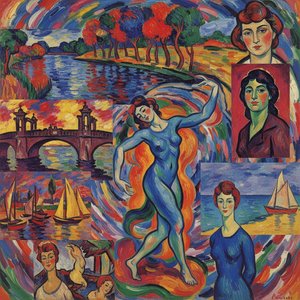
A Fauvizmus 10 Mesterműve: Színek és Érzések Világa – OriginalUniqueArt
Fedezze fel a fauvizmus 10 legikonikusabb műalkotását! Matisse, Derain és más mesterek intenzív színeivel teli festményeinek története. Vásároljon minőségi art reprodukciókat a OriginalUniqueArt.com-on, és hozza el az expresszionizmus vibráló világát otthonába! Fedezze fel teljes kollekciónkat online.

A Hudson River Iskola 10 Mesterműve: Tájképfestészet és Amerika Lelke – OriginalUniqueArt
Fedezze fel a Hudson River Iskola 10 legikonikusabb műalkotását! Frederic Church, Thomas Cole és más amerikai festők romantikus tájképei. Vászonkép másolatok, faliképek otthonába – OriginalUniqueArt.com kínálatából. Explore the full collection online!
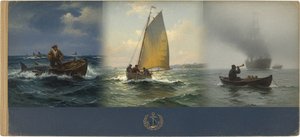
Winslow Homer 25 Mesterműve: Az Amerikai Tájkép Lelkét Megragadó Festmények
Fedezze fel Winslow Homer 25 legikonikusabb művét! Olajfestményei, akvarelljei az amerikai tájkép és tengerpartok lélegzetelállító szépségét ábrázolják. Művészeti reprodukciók galéria minőségben a OriginalUniqueArt.com-on. Explore the full collection online!
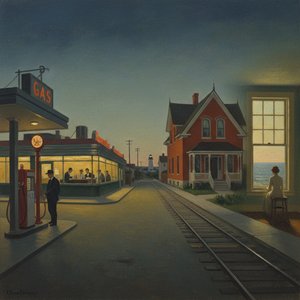
Edward Hopper 25 Mesterműve: A Modern Magány és a Fény Játékai – OriginalUniqueArt
Fedezze fel Edward Hopper 25 legikonikusabb művét! Ismerje meg a modern magány, a fény és árnyék mesterét. Vászonképek, nyomatok – magas minőségben a OriginalUniqueArt.com-on. Inspirálódjon otthoni dekorációjához!

