

 Megtekintés
 Küldés
 Megosztás
 Részletek
 Útmutató

 Letöltés
 Hasonló darabok
 X-ray felvétel
 Diavetítés
 Q&A
Q&A Statisztika
John the Murderer
 Oil On Canvas
- WallArt
- Cubist
 1918
1918 81.0 x 86.0 cm
 Összes részlet megjelenítése
Az ezen az oldalon megjelenített műalkotások szerzői jogi védelem alatt állnak, ami azt jelenti, hogy törvényileg nem készíthetünk és nem adhatunk el belőlük pontos másolatokat. Ez a védelem olyan nemzetközi megállapodások alapján érvényesül, mint például a Berni Egyezmény és a nemzeti jogszabályok által, beleértve azokat is, amelyeket meghatározott Az USA szerzői jogi törvénye – 17. cím.
Ez a módszer teljes mértékben megfelel a szerzői jogi szabályozásnak, mivel nem tartalmazza a védett műalkotás másolását vagy duplikálását. Ehelyett ez egy kreatív újinterpretáció – egy új festmény, amely az eredetivel való összefüggései miatt hatással van rá, de nem az az.
Giclée / Műnyomat
Múzeumi minőségű giclée vagy vászonnyomat, gyors gyártással és rugalmas finomítási lehetőségekkel. ( Kézzel festett másolat rendelése Áttérés digitális képre)




P118B Ft10

P118H Ft10

P118W Ft10

P438Z Ft10

P508JH Ft12

P508YH Ft12

P805H Ft10

P805Z Ft10

P919BZ Ft10

P919G Ft10

P919XJ Ft10

P959ZH Ft10

P968JZ Ft12

W106C Ft8

W218G Ft10

W218JH Ft8

W218Y Ft10

W307PJ Ft10

W316G Ft10

W316PJ Ft8

W316Y Ft10

W398PJ Ft8

W4111J Ft10

W500HY Ft15

W500JH Ft15

W692G Ft12

W849H Ft8

W940BG Ft15

W953PJ Ft8




Válasszon előre meghatározott méreteink közül, amelyek megfelelnek a műalkotás eredeti arányainak.

Írja be a keretének vagy a falának megfelelő szélességet és magasságot. A nyomatot csak le lehet vágni, soha nem tehető nagyobbá, mint az eredeti kép, így egy eltérő alakú méretnél a kép egy része elveszik. Mielőtt bármit kinyatintanánk, küldünk egy digitális próbamodellt jóváhagyásra. Az oldalon látható kép nem tartalmazza a valós levágást — ezt csak a próbamodell mutatja meg.
Világszerte történő kiszállítás területére mindössze 2 hét alatt, a szokásos 4-5 hét helyett. (31 október)

Ingyenes globális expressz szállítás

Prémium minőségű len vászon

Teljes körű szállítási biztosítás

Vámvisszatérítési Garancia

Hiteles színarányosság garancia

100 napos visszaküldési lehetőség (csak hibás termékek esetén)

100% pénzvisszatérítési garancia

Több darab vásárlásakor kedvezmény
 Az üvegkeretes opció csak 110 cm alatti méretben érhető el

John the Murderer
Giclée / Műnyomat
Reprodukció mérete
-


Összesített ár
Ft 26157
A Glimpse into Moral Ambiguity: George Grosz's "John the Murderer"
To stand before George Grosz’s John the Murderer is not merely to observe a painting; it is to confront a raw, unsettling moment of human frailty. Created in the charged atmosphere of 1918, this oil on canvas piece transcends simple portraiture or narrative scene-setting. Instead, it plunges the viewer into a world steeped in moral ambiguity and societal decay. The composition itself—a man holding a woman suspended above him, observed by another figure in the background—is immediately arresting, forcing an uncomfortable intimacy upon all who gaze upon it. Grosz, ever the unflinching chronicler of his time, uses this visceral tableau to dissect the underbelly of human nature.
The Language of Cubism and Fragmentation
Technically, the painting is a masterful deployment of Cubist elements. This style, which allowed artists like Picasso to shatter conventional perspectives, serves here not just as an aesthetic choice but as a profound commentary on reality itself. The fragmentation inherent in the technique mirrors the fractured social order that defined post-war Berlin. Grosz refuses the viewer the comfort of a single, stable viewpoint; instead, we are presented with multiple angles simultaneously, contributing to an overall feeling of unease and psychological tension. This visual disorder is key to understanding the painting's emotional weight.
Symbolism in the Domesticated Horror
What elevates John the Murderer beyond mere sensationalism is Grosz’s meticulous placement of seemingly innocuous objects. Scattered throughout the scene are vases and a potted plant—symbols traditionally associated with domesticity, order, and fragile beauty. These elements act as a devastating counterpoint to the violence unfolding at the center. They whisper of normalcy in the face of atrocity, suggesting that the capacity for brutality can bloom unexpectedly within the most mundane settings. This juxtaposition forces us to question where the line between civilization and savagery truly lies.
A Reflection on Weimar Turmoil
George Grosz’s biography paints him as a satirist who lived through epochs of profound political upheaval, particularly the volatile Weimar Republic. John the Murderer is steeped in this historical context; it functions as a furious indictment rendered with jagged lines and grotesque caricature. It speaks to the moral rot that permeated the era—a time when societal structures seemed brittle enough to shatter under the weight of ideological fervor. Owning or displaying a reproduction of this work is therefore not just an aesthetic choice for one's interior, but a sophisticated nod to 20th-century social critique.
Bringing the Edge Home
For those who appreciate art that demands contemplation rather than passive admiration, this piece offers unparalleled depth. The combination of Grosz’s biting satire, the intellectual rigor of Cubism, and the unsettling symbolism of everyday objects makes John the Murderer a powerful focal point for any discerning collector or designer. It is an artwork that does not whisper its message; it confronts you with it, ensuring that every viewing becomes a charged moment of reflection on morality, power, and the fragile veneer of civilization.
Kérdések és válaszok
Milyen érzést kelt „John the Murderer”, George Grosz alkotása színe?
A "John the Murderer" alkotásban a Dark színek Tense érzetet kölcsönöznek.
Milyen összefüggésben áll a "John the Murderer" témája George Grosz megszokott motíveivel?
A "John the Murderer" a cubism, violence, social critique, nudity, figurative art, berlin art, human nature ábrázol, míg George Grosz dokumentált témái a cubist fragmentation of modern life, critique of weimar society's decay, political satire on human depravity, early grosz social commentary. A kettő összevetése megmutatja, hogyan kapcsolódik ez a mű a művész megszokott motívumaihoz.
A „John the Murderer”, George Grosz alkotása jogtalanul védett (public domain)?
A „John the Murderer”, George Grosz alkotása még szerzői jog védi státuszú mű. Ez a jogi státusz határozza meg, hogy a mű képmásolata hogyan reproduzható.
A művész életrajza
A Satirist of Shattered Worlds: The Life and Art of George Grosz
George Grosz, born Georg Ehrenfried Groß in Berlin in 1893, was a visual chronicler of societal decay and political upheaval. His art wasn’t merely *of* its time—the tumultuous Weimar Republic and the rise of fascism—it was a visceral reaction to it, a furious indictment rendered in jagged lines and grotesque caricatures. Grosz didn't simply depict Berlin; he dissected it, exposing its moral rot with unflinching honesty. The early years of his life were marked by instability following his father’s death, an event that propelled his mother into managing an officers’ mess, placing the young Georg amidst a world of Prussian militarism and rigid social hierarchies—a world he would later relentlessly satirize. His formal artistic training began with meticulous copies of traditional Dutch masters like Eduard von Grützner, honing technical skill before he abandoned academic conventions for a far more provocative path. This early discipline, however, provided the foundation upon which his uniquely expressive style would be built.Dada, New Objectivity, and the Birth of a Critical Vision
Grosz’s artistic development was inextricably linked to the avant-garde movements that flourished in post-World War I Germany. He became a central figure in Berlin Dada, embracing its nihilistic spirit and anti-establishment fervor. However, unlike some of his Dadaist contemporaries who reveled in pure absurdity, Grosz channeled Dada's rebellious energy into pointed social commentary. His work during this period—pieces like *The Pit* (1921) and *The Pillars of Society* (1926)—are searing indictments of the German bourgeoisie, the military elite, and the corrupt political system that led the nation to disaster. He wasn’t interested in aesthetic beauty; he sought to shock, provoke, and expose hypocrisy. This commitment to social critique evolved into his participation in *Neue Sachlichkeit* (New Objectivity), a movement characterized by its realistic yet unsentimental depiction of contemporary life. While sharing New Objectivity's focus on realism, Grosz infused it with a uniquely biting satire that distinguished him from other artists associated with the group. His paintings and drawings weren’t simply representations of reality; they were distorted reflections of a society teetering on the brink of collapse. The use of exaggerated features, sharp angles, and unsettling compositions served to amplify his critique, forcing viewers to confront the uncomfortable truths he exposed.Exile and Transformation: A New World, A Shifting Style
The ascent of Nazism forced Grosz into exile in 1933. He found refuge in the United States, becoming a naturalized citizen in 1938. This relocation marked a significant turning point in his artistic career. Removed from the immediate context that fueled his most potent work, and confronted with a different set of social and political realities, Grosz’s style began to shift. The overtly aggressive caricatures gave way to more subdued landscapes and portraits, often tinged with a sense of melancholy and disillusionment. He experimented with looser brushstrokes and a wider range of colors, moving away from the stark black-and-white palette that had defined his earlier work. While he continued to exhibit and teach at the Art Students League in New York, his work lacked the raw urgency of his Berlin period. He struggled to find his footing in a new environment, grappling with feelings of alienation and artistic uncertainty. The apocalyptic visions that emerged during this time—paintings depicting desolate landscapes and fragmented figures—reflected not only the horrors unfolding in Europe but also his own internal turmoil.Key Works and Recurring Themes
Grosz’s oeuvre is marked by a consistent engagement with themes of social injustice, political corruption, and the dehumanizing effects of modernity. *The Pit* (1921) offers a particularly harrowing depiction of urban poverty and exploitation, while *The Pillars of Society* (1926) satirizes the moral decay of the German elite. His work frequently features grotesque figures, distorted perspectives, and unsettling juxtapositions—elements that contribute to its overall sense of unease and critique. Recurring motifs include military uniforms, opulent interiors, and scenes of debauchery, all serving as symbols of societal excess and moral corruption. Grosz’s ability to capture the psychological state of a nation on the verge of collapse is arguably his greatest achievement.Legacy and Enduring Relevance
George Grosz returned to Berlin in 1959, shortly before his death, a poignant return to the city that had both inspired and haunted him. His legacy extends far beyond the historical context of Weimar Germany. He remains a powerful example of an artist who dared to confront uncomfortable truths and challenge societal norms. His work serves as a cautionary tale about the dangers of political extremism, social injustice, and unchecked power.- Satirical Power: Grosz’s masterful use of caricature continues to inspire artists and commentators today.
- Social Commentary: His unflinching critique of societal ills remains remarkably relevant in a world still grappling with inequality, corruption, and political polarization.
- Historical Witness: His art provides invaluable insight into the social and political climate of interwar Germany, offering a visceral understanding of the forces that led to World War II.
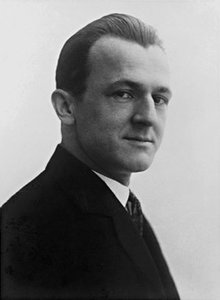
George Grosz
1893 - 1959 , Németország
Rövid információk
- Artistic Movement Or Style: Dada, Új Objektivitás
- Date Of Birth: 1893. 26. július
- Date Of Death: 1959. 6. július
- Full Name: George Grosz
- Nationality: Német
- Notable Artworks:
- A Pit
- Pillars Society
- Place Of Birth: Berlin, Németország
Kapcsolódó cikkek

Georges Seurat 25 Mesterműve: A Pontillizmus Zsenialitása – OriginalUniqueArt.com
Fedezze fel Georges Seurat 25 legikonikusabb művét! Ismerje meg a pontillizmus zsenialitását, az impresszionizmus forradalmát és a színek lenyűgöző játékát. Prémium minőségű reprodukciók és inspiráló otthoni dekorációk a OriginalUniqueArt.com-on. Fedezze fel a teljes gyűjteményt online!

Giclée Prints: Archival Quality & Aesthetic Nuances for the Discerning Collector
Explore the world of giclée prints with OriginalUniqueArt. Learn about archival quality, aesthetic nuances & investment potential. Expert guidance for discerning art collectors seeking museum-quality reproductions and lasting value.

The Enduring Legacy of Fine Art Prints: Technique, History & Aesthetic Impact
Explore the rich history & techniques of fine art prints. Discover investment potential, assess authenticity, and learn how to preserve your collection with expert guidance. Trusted insights for discerning collectors.

Echoes of Time: Exploring the Enduring Appeal & Historical Context of Vintage Art Prints
Explore the captivating world of vintage art prints! Discover their history, collecting tips & enduring appeal. Expert insights on chromolithography and building a legacy collection with OriginalUniqueArt.

Georges Braque Mesterek: A 25 Leglenyűgözőbb Kép, Ami Megváltoztatta a Modern Festészetet
Fedezze fel Georges Braque 25 legikonikusabb műalkotását! Ismerje meg a kubizmus történetét, Picasso hatását és a francia művész lenyűgöző festményeit. Múzeumi minőségű reprodukciók és inspiráló dekorációs ötletek a OriginalUniqueArt.com-on.


