() ·

A painting made for you, by hand

A Város

Kézzel készített olajfestmény reprodukció

Kézzel festett olajvastú vászon, az Ön által választott méretben és keretben, művészeink készítik meglévőre. ( Váltás nyomtatványra Áttérés digitális képre)

A gyűjtemény leírása

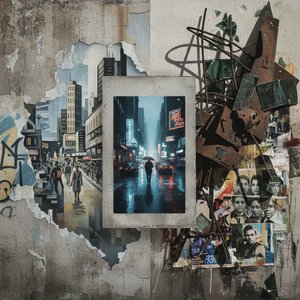
George Grosz ikonikus *A Város* című alkotása egy szokatlan városi jelenetet ábrázol, mely az Expressionizmus és Futurizmus jellegzetes vonásai által meghatározott dinamikus és kifejező stílusban mutatkozik meg. Érdemes megtekinteni!

A művész életrajza

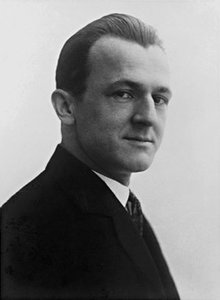
Fedezd fel George Grosz (1893-1959) berlini dadaista és new objectivity művészetét! Szatírákkal, karikatúrákkal ábrázolja a Weimar Republik társadalmi problémáit, a fasizmus és a moral rohamot.

from ·

Chapter 1

How large should it be?

Slide to change the size; the picture on the left shows the frame at its real width. The proportions of the original are kept.

Standard méret
egyedi méretű
CM
INCH

Válasszon előre meghatározott méreteink közül, amelyek megfelelnek a műalkotás eredeti arányainak.

szélesség
magasság

Írja be a kívánt szélességet és magasságot, hogy illeszkedjen a keretéhez vagy a falához. Mivel ez kézzel festett alkotás, egy eltérő formájú méret esetén a művész akár festhet is valamivel többet a kép körül, vagy korolathat is belőle — az Ön döntésének megfelelően. A festés megkezdése előtt küldünk egy digitális tervezetet jóváhagyásra. Az oldalon látható kép nem tartalmazza a végeredményt — csak a tervezet mutatja meg a valódi eredményt.

Chapter 2

How should it arrive?

Choose the edges of the stretched canvas

Choose your frame

Corner sample of the WhiteWrap canvas edge finish, stretched on tömörfa bars
White Ft1
Corner sample of the BlurSideWrap canvas edge finish, stretched on tömörfa bars
Blurside Ft1
Corner sample of the ExtendedWrap canvas edge finish, stretched on tömörfa bars
Extended Ft1
Corner sample of the P118B picture frame: formázott polisztirol, 5 cm wide and 3 cm thick
P118B Ft10
Corner sample of the P118H picture frame: formázott polisztirol, 5 cm wide and 3 cm thick
P118H Ft10
Corner sample of the P118W picture frame: formázott polisztirol, 5 cm wide and 3 cm thick
P118W Ft10
Corner sample of the P438Z picture frame: formázott polisztirol, 5.5 cm wide and 3.5 cm thick
P438Z Ft10
Corner sample of the P508JH picture frame: formázott polisztirol, 7 cm wide and 3.5 cm thick
P508JH Ft12
Corner sample of the P508YH picture frame: formázott polisztirol, 7 cm wide and 3.5 cm thick
P508YH Ft12
Corner sample of the P805H picture frame: formázott polisztirol, 5 cm wide and 3.5 cm thick
P805H Ft10
Corner sample of the P805Z picture frame: formázott polisztirol, 5 cm wide and 3.5 cm thick
P805Z Ft10
Corner sample of the P919BZ picture frame: formázott polisztirol, 7 cm wide and 3.5 cm thick
P919BZ Ft10
Corner sample of the P919G picture frame: formázott polisztirol, 7 cm wide and 3.5 cm thick
P919G Ft10
Corner sample of the P919XJ picture frame: formázott polisztirol, 7 cm wide and 3.5 cm thick
P919XJ Ft10
Corner sample of the P959ZH picture frame: formázott polisztirol, 5 cm wide and 3 cm thick
P959ZH Ft10
Corner sample of the P968JZ picture frame: formázott polisztirol, 6 cm wide and 4 cm thick
P968JZ Ft12
Corner sample of the W106C picture frame: tömörfa, 5 cm wide and 3 cm thick
W106C Ft8
Corner sample of the W218G picture frame: tömörfa, 5 cm wide and 3 cm thick
W218G Ft10
Corner sample of the W218JH picture frame: tömörfa, 5 cm wide and 3 cm thick
W218JH Ft8
Corner sample of the W218Y picture frame: tömörfa, 5 cm wide and 3 cm thick
W218Y Ft10
Corner sample of the W307PJ picture frame: tömörfa, 6 cm wide and 3 cm thick
W307PJ Ft10
Corner sample of the W316G picture frame: tömörfa, 6 cm wide and 3 cm thick
W316G Ft10
Corner sample of the W316PJ picture frame: tömörfa, 6 cm wide and 3 cm thick
W316PJ Ft8
Corner sample of the W316Y picture frame: tömörfa, 6 cm wide and 3 cm thick
W316Y Ft10
Corner sample of the W398PJ picture frame: tömörfa, 5 cm wide and 3 cm thick
W398PJ Ft8
Corner sample of the W4111J picture frame: tömörfa, 6.5 cm wide and 3.5 cm thick
W4111J Ft10
Corner sample of the W500HY picture frame: tömörfa, 7 cm wide and 5 cm thick
W500HY Ft15
Corner sample of the W500JH picture frame: tömörfa, 7 cm wide and 5 cm thick
W500JH Ft15
Corner sample of the W692G picture frame: tömörfa, 8 cm wide and 4 cm thick
W692G Ft12
Corner sample of the W849H picture frame: tömörfa, 5 cm wide and 3 cm thick
W849H Ft8
Corner sample of the W940BG picture frame: tömörfa, 7.5 cm wide and 4.5 cm thick
W940BG Ft15
Corner sample of the W953PJ picture frame: tömörfa, 6 cm wide and 3.5 cm thick
W953PJ Ft8
Corner sample of the H24-GOLD picture frame: faragott fa gesszóval, 10 cm wide and 6 cm thick
H24-GOLD Ft30
Corner sample of the H24-SILVER picture frame: faragott fa gesszóval, 10 cm wide and 6 cm thick
H24-SILVER Ft30
Corner sample of the H36-GOLD picture frame: faragott fa gesszóval, 15 cm wide and 6.5 cm thick
H36-GOLD Ft45
Corner sample of the H36-SILVER picture frame: faragott fa gesszóval, 15 cm wide and 6.5 cm thick
H36-SILVER Ft45

Moulding: . Overall size with the frame: .

Chapter 3

Who paints it, and should anything change?

Examples of what can be changed: Replace face with customer photo; Add pet (e.g., replace cat with dog); Include hidden message in background; Change background landscape or elements.
After order, OriginalUniqueArt.com team will email client for instructions and provide a mockup preview

Világszerte elérhető szállítás () 3-4 hét alatt a szokásos 5 hét helyett. (2 november). A minőség nem kérdőjelezhető.

Chapter 4

The finishing touches

A nameplate, as in a museum?

A gravírozott bronztábla részletei

This elegant plaque features the artist's name and the title of the artwork, finely engraved for a timeless presentation.

It is made from bronze with a refined, elegant finish. The text is precisely laser-engraved for a sharp and permanent result. Measuring 9x2 cm, the plaque is compact yet easy to read. It's built to be durable and scratch-resistant, offering a professional, museum-quality look. Mounting is simple thanks to the included adhesive backing.

Átlátszó akril tábla részletei

The plaque includes essential engraved details such as the artist's name, the title of the artwork, the date it was created, the type of media used-like oil on canvas or watercolor-a brief description of the piece, and a QR code that links to the complete artwork information.

It is crafted from clear acrylic, offering a sleek, modern appearance. The text is UV-engraved in black to ensure strong visual contrast. With a size of 10x15 cm, it ensures optimal readability. It comes equipped with two metal hooks for secure wall mounting. The plaque is designed to be weather-resistant, making it suitable for various environments, and it includes interactive features that work seamlessly with smartphone scanning.

Fekete akril tábla részletei

This elegant plaque includes engraved information such as the artist's name, the title of the artwork, the date it was created, the type of media used (like oil on canvas or watercolor), a short description of the artwork, and a QR code for quick access to more information.

The plaque itself is made from refined black acrylic with a premium finish. The text is laser-engraved in white for high contrast and readability. Its size is 10x15 cm, designed to be easy to read. It comes with two metal hooks for professional mounting. The design is sleek and fits any interior style. It is also weather-resistant and durable, with built-in digital integration for mobile compatibility.

A protective varnish?

When do you need it?

Chapter 5

Your painting, as you ordered it

A Város

Reprodukciós technika

Reprodukció mérete

-

Kiváló mesterművész

Nagyobb részletesség, finomság és bővített gyártási idő

-

Reprodukció keretezése

-

-

A bármely oldalsó méretét túlszálaló 105 cm (kb. 41 hüvelyk) meghaladó műalkotások vagy reprodukciók esetében a keret összeszerelhető készletként, szétszerelve kerül szállításra. Ez a módszer biztosítja a biztonságos szállítást, és megakadályozza a szállítás során fellépő sérüléseket.

Szakmész összeszerelést igényel – ez nem DIY (önösszeszerelhető) termék.
A készletet egy tapasztalt keretező szakembernek kell összeszerelnie és a vásznat feszítenie kell, fa ragasztó (nem tartalmazza a csomag), vásznfeszítő fogó és szorítók használatával, amelyek a ragasztó száradásáig a keretrészeket egymáshoz vuôngjba tartják. A helytelen összeszerelés vagy a nem egyenletes vásznfeszítés maradandó károsíthatja a műalkotást, és ez nem része a garanciánknak.

  • A készlet tartalmazza az összes tömörfa rudat, pontosan méretre vágva.

  • A mellékelt csavarokkal, valamint a sarokszerekhez szükséges faütő ragasztóval kell összeszerelnie (ez nem tartalmazható a csomagban), így a keretrendezőnek külön kell beszereznie.

  • A csomag nem tartalmazza a szükséges professzionális eszközöket: egy vászonfeszítőt és klipseket a rácsok vízszintes tartásához a ragasztó megszáradásáig.

Fontos:
A sarokcsatlakozásokhoz fánylagra van szükség, a keretrudakat szorítókapcsokkal kell rögzíteni, amíg a rag teljesen meg nem szárad, a kész keretre feszített vászonhoz pedig vászonfeszítő fogat szükséges. Ezek egyike sem található meg a készletben. Kérjük, rendelés előtt győződjön meg róla, hogy rendelkezik tapasztalt keretező szakemberrel.

Névtábla

-

-

Védőréteg (Lakk)

Fényes lakk (intenzívabb színek, védelem a fény és a nedvesség hatása ellen)

-

Műalkotásom egyedi igényre szabása

Példák a módosíthatóságra: az arc kicserélése az ügyfél fotójára; háziállat hozzáadása (pl. macska helyett kutya); rejtett üzenet elhelyezése a háttérben; a háttér tájainak vagy elemeinek megváltoztatása.

-

Sürgős

Világszerte szóló szállítás () mindössze 3-4 hét alatt, a szokásos 5 hét helyett. (2 november). A minőség nem kérdőjelezhető.

-

Express szállítás

Világszerte elérhető szállítás területre 5 héten belül. (9 november).

A szállítás díja tartalmazza

Összesített ár

Ft 188322

Összesített ár Ft 188322

Az üvegkeretes opció csak 110 cm alatti méretben érhető el

Included with every order

  • Ingyenes globális expressz szállítás
  • Prémium minőségű len vászon
  • Teljes körű szállítási biztosítás
  • Vámvisszatérítési Garancia
  • Hiteles színarányosság garancia
  • 100 napos visszaküldési lehetőség (csak hibás termékek esetén)
  • 100% pénzvisszatérítési garancia
  • Több darab vásárlásakor kedvezmény

A Város: Az urbánus élet élénk felfedezése

George Grosz 1917-es alkotása, „A Város”, lenyűgöző és dinamikus ábrázolása az urbánus életnek, amely tökéletesen megörökíti a nyüzsgő metropolisok lényegét. Ez a vibráló műalkotás tevékenységgel és energiával teli, bepillantást engedve a városi élet kaotikus, mégis lenyűgöző világába.

Kompozíció és stílus

„A Város” kompozíciója komplex és rétegzett; alakok, építészeti elemek és táblák sűrű tömegéből áll, mely mélység és mozgás érzetét kelti. Grosz egy kissé torzuló perspektívát alkalmaz, ami tovább növeli a jelen frenetikus energiáját. A központi fókusz egy hatalmas óratorny körül alakul, amely kiemelkedik a káosz közepén, irányító pontként szolgálva, mely vonzza a néző tekintetét.

A mű stílusa kifejezett és dinamikus, emlékeztetve az expresszionizmusra vagy a futurizmusra. Grosz erőteljes ecsetvonatainak és a részletgazdag ábrázolásnak – különösen az építészeti elemek és a figurák esetében – köszönhetően gazdag, texturált vizuális élményt kapunk. Az domináns színek a mélyvörös, a fekete és a sötét lila, amelyek hangulatos és intenzív atmoszférát teremtnek. A sárga, a zöld és a kék olyan világosabb színszlávék, amelyek kontrasztot adnak, és bizonyos elemekre vonják a figyelmet a jeleneten belül.

Történelmi kontextus

„A Város” Németország Weimar-köztársamájának viharos időszakában született. Ezt az korszakot politikai instabilitás, gazdasági zűrzavar és társadalmi felfordulások jellemezték, amelyek mind-mind tükröződnek Grosz művészetében. A berlini Dada és a Neue Sachlichkeit (Új Objektivizmus) csoportok meghatározó tagjaként Grosz művészetét a korabeli társadalmi problémák kritikájára és megjegyzésére használta.

Szimbolika és érzelmi hatás

„A Város” témája egy nyüzsgő városképi látkép, tele emberekkel, akik a napi teendőikkel folydognak. A számos tábla és hirdetés kereskedelmi vagy urbánus környezetre utal, miközben a figurák különböző mozgási állapotban tűnnek fel, szimbolizálva a városi élet állandó dinamizmusát és mozgását.

Gondolatilag a mű megörökíti egy nyüzsgő város lényegét: energiáját, mozgását és összetettségét. A drámai és egyenetlen fények titokzatosságot árasztanak, növelve a jelenet összességében tapasztalható intenzitását. A markáns vonalak, a éles szögek és a szaggatott élek hozzájárnak a mozgás és a káosz érzetéhez, olyan érzelmek skáláját keltve életre, a izgalomtól és a kíváncsiságtól kezdve az nyugtalanságig és a feszültségig.

Miért válassza ezt a műalkotást?

„A Város” George Grosz expresszionista technikáinak mesteri tudásának és az urbánus élet lényegének megörökítésének lenyűgöző példája. Ez a mű csodálatos kiegészítője lehet bármely gyűjteménynek, hiszen történelmi jelentékleg, művészi készség és érzelmi mélység egyedi ötvözetét kínálja.

A műkedvelők, a gyűjtők és az belsőépítészek számára, akik inspirációt keresnek vagy minőségi reprodukció vásárlását tervezik, „A Város” lehetőséget nyújt arra, hogy egy darab történelmet és művészi ragyogást vigyenek otthonukba. Vibráló színei, dinamikus kompozíciója és gazdag textúrái lenyűgöző fókuszpontként szolgálnak, amelyek beszélgetést és csodálatot váltanak ki.

Élje át az urbánus élet energiáját és összetettségét „A Város” segítségével, egy időtlen remekművel, amely továbbra is inspirálja és lenyűgözi a közönséget világszerte.

Kérdések és válaszok

Honnan érkeznek a „A Város”, George Grosz alkotása látogatói?

A „A Város”, George Grosz alkotása statisztikái a mű Statisztikák oldalán érhetőek el: a mű havi látogatottsága, a művész alkotásainak megtekintése, valamint a legutóbbi látogatók országos és nyelvi lebontása.

Mennyire fényes „A Város”, George Grosz alkotása?

A „A Város”, George Grosz alkotása alkotás Sötét fényerőséggel rendelkezik. A fényerő azt mutatja meg, hogy a színek mennyire tűnnek visszafényesnek.

Hová sorolható a "A Város" George Grosz ismétlődő témái közé?

A "A Város" a urban landscape, nighttime city, social critique, war imagery, futurist style, expressionist art, clock tower symbolism ábrázol, míg George Grosz dokumentált témái a dada expressionism critique, social commentary revolt, futurist distortion chaos, berlin night urban life, symbolic clock tower fear. A kettő összevetése megmutatja, hogyan kapcsolódik ez a mű a művész megszokott motívumaihoz.

More about this painting

Megtekintés AR előnézet Váltás nyomtatványra Áttérés digitális képre Küldés
Részletek Útmutató Kedvencekhez ad Letöltés Hasonló darabok X-ray felvétel Diavetítés Q&A Statisztika

In numbers

  • 1917the year it was painted
  • 29frames to choose from
  • standard sizes, in its own proportions
  • 5weeks to paint and deliver it

About the original

Méretek
100.0 x 102.0 cm
George Grosz

George Grosz

1893 - 1959, Németország

Quick facts about George Grosz

  • Artistic Movement Or Style: Dada, Új Objektivitás
  • Date Of Birth: 1893. 26. július
  • Date Of Death: 1959. 6. július
  • Full Name: George Grosz
  • Nationality: Német
  • Notable Artworks:
    • A Pit
    • Pillars Society
  • Place Of Birth: Berlin, Németország

A művész életrajza

A Satirist of Shattered Worlds: The Life and Art of George Grosz

George Grosz, born Georg Ehrenfried Groß in Berlin in 1893, was a visual chronicler of societal decay and political upheaval. His art wasn’t merely *of* its time—the tumultuous Weimar Republic and the rise of fascism—it was a visceral reaction to it, a furious indictment rendered in jagged lines and grotesque caricatures. Grosz didn't simply depict Berlin; he dissected it, exposing its moral rot with unflinching honesty. The early years of his life were marked by instability following his father’s death, an event that propelled his mother into managing an officers’ mess, placing the young Georg amidst a world of Prussian militarism and rigid social hierarchies—a world he would later relentlessly satirize. His formal artistic training began with meticulous copies of traditional Dutch masters like Eduard von Grützner, honing technical skill before he abandoned academic conventions for a far more provocative path. This early discipline, however, provided the foundation upon which his uniquely expressive style would be built.

Dada, New Objectivity, and the Birth of a Critical Vision

Grosz’s artistic development was inextricably linked to the avant-garde movements that flourished in post-World War I Germany. He became a central figure in Berlin Dada, embracing its nihilistic spirit and anti-establishment fervor. However, unlike some of his Dadaist contemporaries who reveled in pure absurdity, Grosz channeled Dada's rebellious energy into pointed social commentary. His work during this period—pieces like *The Pit* (1921) and *The Pillars of Society* (1926)—are searing indictments of the German bourgeoisie, the military elite, and the corrupt political system that led the nation to disaster. He wasn’t interested in aesthetic beauty; he sought to shock, provoke, and expose hypocrisy. This commitment to social critique evolved into his participation in *Neue Sachlichkeit* (New Objectivity), a movement characterized by its realistic yet unsentimental depiction of contemporary life. While sharing New Objectivity's focus on realism, Grosz infused it with a uniquely biting satire that distinguished him from other artists associated with the group. His paintings and drawings weren’t simply representations of reality; they were distorted reflections of a society teetering on the brink of collapse. The use of exaggerated features, sharp angles, and unsettling compositions served to amplify his critique, forcing viewers to confront the uncomfortable truths he exposed.

Exile and Transformation: A New World, A Shifting Style

The ascent of Nazism forced Grosz into exile in 1933. He found refuge in the United States, becoming a naturalized citizen in 1938. This relocation marked a significant turning point in his artistic career. Removed from the immediate context that fueled his most potent work, and confronted with a different set of social and political realities, Grosz’s style began to shift. The overtly aggressive caricatures gave way to more subdued landscapes and portraits, often tinged with a sense of melancholy and disillusionment. He experimented with looser brushstrokes and a wider range of colors, moving away from the stark black-and-white palette that had defined his earlier work. While he continued to exhibit and teach at the Art Students League in New York, his work lacked the raw urgency of his Berlin period. He struggled to find his footing in a new environment, grappling with feelings of alienation and artistic uncertainty. The apocalyptic visions that emerged during this time—paintings depicting desolate landscapes and fragmented figures—reflected not only the horrors unfolding in Europe but also his own internal turmoil.

Key Works and Recurring Themes

Grosz’s oeuvre is marked by a consistent engagement with themes of social injustice, political corruption, and the dehumanizing effects of modernity. *The Pit* (1921) offers a particularly harrowing depiction of urban poverty and exploitation, while *The Pillars of Society* (1926) satirizes the moral decay of the German elite. His work frequently features grotesque figures, distorted perspectives, and unsettling juxtapositions—elements that contribute to its overall sense of unease and critique. Recurring motifs include military uniforms, opulent interiors, and scenes of debauchery, all serving as symbols of societal excess and moral corruption. Grosz’s ability to capture the psychological state of a nation on the verge of collapse is arguably his greatest achievement.

Legacy and Enduring Relevance

George Grosz returned to Berlin in 1959, shortly before his death, a poignant return to the city that had both inspired and haunted him. His legacy extends far beyond the historical context of Weimar Germany. He remains a powerful example of an artist who dared to confront uncomfortable truths and challenge societal norms. His work serves as a cautionary tale about the dangers of political extremism, social injustice, and unchecked power.
  • Satirical Power: Grosz’s masterful use of caricature continues to inspire artists and commentators today.
  • Social Commentary: His unflinching critique of societal ills remains remarkably relevant in a world still grappling with inequality, corruption, and political polarization.
  • Historical Witness: His art provides invaluable insight into the social and political climate of interwar Germany, offering a visceral understanding of the forces that led to World War II.
Grosz’s influence can be seen in the work of countless artists who followed, those drawn to his commitment to social engagement and his willingness to use art as a weapon against injustice. He was not merely an artist; he was a witness, a conscience, and a relentless critic of his time—a role that continues to resonate with audiences today. His paintings are held in major museums worldwide, including the Kunstsammlungen und Museen Augsburg, the Kunsthalle Bielefeld, and the Whitney Museum of American Art, ensuring that his powerful message will continue to be heard for generations to come.

Gyors információk

  • Notable elements or techniques: Szegélyezett perspektíva, nagy színvilág
  • Influences: Futuriszta
  • Location: Kunsthalle Mannheim
  • Artistic style: Egyetemes ekspreszionizmus
  • Medium: Olaj vászonra
  • Year: 1917

Művészeti kvíz

Minden kérdésre csak egy helyes válasz létezik.

Kérdés 1:
Mik az alkotó művészneve?
Kérdés 2:
Milyen művészi irányzat jellemzi Grosz művészetét?
Kérdés 3:
Mikor született Grosz?
Kérdés 4:
Milyen történelmi korszakban keletkezett az alkotás?
Kérdés 5:
Mi szerepe van az óra torony az alkotás kompozíciójában?