

 Megtekintés
 Küldés
 Megosztás
 Részletek

 Letöltés
 Hasonló darabok
 X-ray felvétel
 Diavetítés
She Shall be Called Woman
 Oil On Canvas
- WallArt
- Symbolist Movement
 1880
1880- 19th Century
 116.0 x 257.0 cm
 Tate Britain
 Összes részlet megjelenítése
Kézzel készített olajfestmény reprodukció
Kézzel festett olajvastú vászon, az Ön által választott méretben és keretben, művészeink készítik meglévőre. ( Nyomat rendelése Kép letöltése)




P118B $10

P118H $10

P118W $10

P438Z $10

P508JH $12

P508YH $12

P805H $10

P805Z $10

P919BZ $10

P919G $10

P919XJ $10

P959ZH $10

P968JZ $12

W106C $8

W218G $10

W218JH $8

W218Y $10

W307PJ $10

W316G $10

W316PJ $8

W316Y $10

W398PJ $8

W4111J $10

W500HY $15

W500JH $15

W692G $12

W849H $8

W940BG $15

W953PJ $8




Válasszon előre meghatározott méreteink közül, amelyek megfelelnek a műalkotás eredeti arányainak.

Ön megadhat saját méreteket egy adott kerethez vagy térhez igazításhoz. Ha a kiválasztott méret nem egyezik az eredeti kép arányával, akkor a műalkotást levágjuk, vagy további kézzel festett elemekkel meghosszabbítjuk a festményt. A gyártás megkezdése előtt küldünk Önnek egy digitális előnézetet jóváhagyásra.
Kérjük, vegye figyelembe, hogy a képernyőn megjelenő előnézet nem tükrözi a tényleges vágást vagy kiterjesztést. Csak az előnézet fog pontosan mutatni a végső kompozíciót.
Bár egyedi méretek állnak rendelkezésre, javasoljuk, hogy válasszon egy méretet az előre meghatározott listából az eredeti arányok megőrzése érdekében.
A rendelést követően a OriginalUniqueArt.com csapata e-mailt küld az ügyfélnek az instrukciókért, és biztosít egy előnézeti képet (mockup).
Világszerte elérhető szállítás () 3-4 hét alatt a szokásos 5 hét helyett. (21 augusztus). A minőség nem kérdőjelezhető.

Ingyenes globális expressz szállítás

Prémium minőségű len vászon

Teljes körű szállítási biztosítás

Vámvisszatérítési Garancia

Hiteles színpontosság garancia

60 napos visszaküldési lehetőség (csak hibás termékek esetén)

100% pénzvisszatérítési garancia

Több darab vásárlása esetén kedvezmény
 Az üvegkeretes opció csak 110 cm alatti méretben érhető el

She Shall be Called Woman
Reprodukciós technika
Reprodukció mérete
-


Összesített ár
$ 300
A műalkotás leírása
The Enigmatic Figure: A Portrait of Quiet Strength
George Frederic Watts’ “She Shall be Called Woman,” painted circa 1875-92, is not a portrait in the conventional sense. It's an arresting study in stillness and profound contemplation, capturing a woman seemingly lost within her own thoughts. The figure, rendered with a deliberate lack of explicit detail – her face obscured by a veil of dark hair – immediately invites speculation and projection. She stands bathed in a diffused light, reminiscent of a northern sky, suggesting both vulnerability and an inner resilience. The composition is carefully balanced; the verticality of her form contrasts subtly with the horizontal sweep of the landscape behind her, creating a sense of groundedness despite the ethereal quality of the scene.
Watts’ masterful use of oil paint allows for a remarkable depth of texture and color. The muted palette – predominantly blues, greens, and browns – evokes a mood of melancholy and introspection. Notice how he builds up layers of pigment to create subtle gradations in tone, particularly around the folds of her dress and the suggestion of foliage behind her. This technique isn’t merely decorative; it contributes significantly to the painting's overall sense of atmosphere and emotional resonance.
A Symbolist Vision: Echoes of Myth and Philosophy
“She Shall be Called Woman” firmly establishes Watts as a key figure within the Symbolist movement, a European artistic current that flourished in the late 19th century. Rejecting the realism and materialism prevalent in much of 19th-century art, Symbolists sought to express inner states of mind, spiritual truths, and mythological themes through evocative imagery and suggestive forms. This painting is deeply rooted in this philosophy; it’s less about depicting a specific individual and more about embodying an abstract concept – womanhood itself.
The veiled face, a recurring motif in Watts' work, symbolizes the hidden depths of the female psyche, the mysteries that lie beneath the surface. The landscape behind her is not merely a backdrop but a symbolic representation of the inner world—a suggestion of nature’s wisdom and the cyclical rhythms of life. Watts drew heavily on classical mythology and philosophy for inspiration, particularly Plato's concept of the “Allegory of the Cave,” which explores the journey from ignorance to enlightenment. The woman in this painting can be interpreted as a figure emerging from darkness into a realm of greater understanding.
Historical Context: Victorian Sensibilities and Spiritual Yearning
To understand "She Shall be Called Woman," it’s crucial to consider the social and intellectual climate of Victorian England. The era was marked by rapid industrialization, social upheaval, and a growing sense of spiritual unease. Many Victorians felt alienated from the materialism of the age and yearned for something more meaningful—a connection to nature, spirituality, and the timeless values of antiquity. Watts’ art reflects this yearning, offering a refuge from the anxieties of modern life.
Watts himself was deeply influenced by his travels in Italy, where he encountered the works of Michelangelo and Giotto, which profoundly shaped his artistic vision. His interest in classical mythology and philosophy further informed his work, leading him to explore themes of beauty, truth, and the human condition with a profound sensitivity.
Emotional Resonance: A Portrait of Inner Strength
Despite her obscured features, “She Shall be Called Woman” radiates an undeniable sense of strength and dignity. The painting’s power lies not in its literal depiction but in its ability to evoke a feeling—a quiet contemplation, a profound awareness of the mysteries of existence. It's a portrait that invites viewers to project their own hopes, fears, and aspirations onto the figure, creating a deeply personal and resonant experience.
Reproductions of this iconic work offer an opportunity to bring Watts’ evocative vision into any space, serving as a reminder of the enduring power of art to illuminate the human spirit. Consider framing it in a manner that complements its muted palette and contemplative mood – perhaps against a neutral wall or within a room filled with natural light.
A művész életrajza
korai életút és oktatás
George Frederic Watts, a szimbolista mozgalom kiemelkedő alakja, 1817. február 23-án született London Marylebone negyedében. Korai éveket kényes egészségi állapot és édesanyja fiatalon bekövetkezett elvesztése meghatározta. Watts apja, aki zongoraművész volt, konzervatív keresztény neveltetést biztosított fiának, és megismétette vele az ókori klasszikusokat, köztük az Iliadét is. Ez a klasszikus hatás később művészi stílusának egyik alapköve lett.karrier
Watts művészeti utazása már 10 éves korában megkezdődött, William Behnes irányítása alatt tanult szobrászatot. Később, 1s 18 évesen vette fel magát a Royal Academy Schools diákjai közé. Az akadémia 1837-es első kiállítása jelezte prolific karrierje kezdetét.- A Caractacus, egy versenyre benyújtott rajz, amely a Parlament új házainak falvédő festményeinek tervezésére szólott, 1843-ban első díjat aratottyszer Watts számára.
- Az 이후 olaszországi utazásai (1843–1847) és a brit nagykövet, Henry Fox kapcsolata befolyásolta stílusát, amint azt az 1848-ban bemutatott Lady Holland portréja is tükrözi.
- Watts Britországba való visszatérése egy freskó megrendelést is hozott számára a Parlament házai számára, amelyet 1848 és 1853 között hajtott végre.
szimbolista remekművek
Watts leghíresebb alkotásai közé tartozik:- A Remény (Hope) és a Szeretet és az Élet (Love and Life), amelyek egy epikus szimbolikus ciklus, az úgynevezett „Élet háza” (House of Life) részei voltak.
- A Vörös kereszt lovagjának gyúléása (The Triumph of the Red Cross Knight, a Faerie Queene alapján), amelyet 1852–53-ban készített, és amely alegóriás témáinak mesteri tudását mutatja be.
- Az színésznő, Ellen Terry portréja, amelyet 1864-ben festett, kiváló példája annak a képességének, amellyel képes volt alanyai lényegét megörökíteni.
örökség
Watts hatása a művészet világára tagadhatatlan. A szimbolista mozgalommal való kapcsolata, valamint a színek és formák innovatív használata brit művészettörténet kedvelt alakjává tette őt. Tekintse meg George Frederic Watts műalkotásait az OriginalUniqueArt.com oldalonWatts munkásságát bemutató múzeumok
- Lincoln's Inn, amely a freskóját, a Igazságot (Justice, a hemicircle of lawgivers) tartalmazza.
- A guildfordi Watts Gallery – Artists' Village az Egyesült Királyságban, amely Watts munkái és más művészek alkotásainak megőrzésére szentelt helyszín.

George Frederic Watts
1817 - 1904 , Egyesült Királyság
A művészről röviden
- Artistic Movement Or Style: Szimbolizmus
- Artists Who Influenced This Artist:
- William Blake
- John Ruskin
- Date Of Birth: 1817. február 23.
- Full Name: George Frederic Watts
- Nationality: Angol
- Notable Artworks:
- Hope és Szeretet és Élet
- A királyi ház Szívének Ünnepénél
- Ellen Terry portréta
- Place Of Birth: Marylebone, Anglia
Kapcsolódó cikkek

Georges Braque Mesterek: A 25 Leglenyűgözőbb Kép, Ami Megváltoztatta a Modern Festészetet
Fedezze fel Georges Braque 25 legikonikusabb műalkotását! Ismerje meg a kubizmus történetét, Picasso hatását és a francia művész lenyűgöző festményeit. Múzeumi minőségű reprodukciók és inspiráló dekorációs ötletek a OriginalUniqueArt.com-on.

Georges Seurat 25 Mesterműve: A Pontillizmus Zsenialitása – OriginalUniqueArt.com
Fedezze fel Georges Seurat 25 legikonikusabb művét! Ismerje meg a pontillizmus zsenialitását, az impresszionizmus forradalmát és a színek lenyűgöző játékát. Prémium minőségű reprodukciók és inspiráló otthoni dekorációk a OriginalUniqueArt.com-on. Fedezze fel a teljes gyűjteményt online!
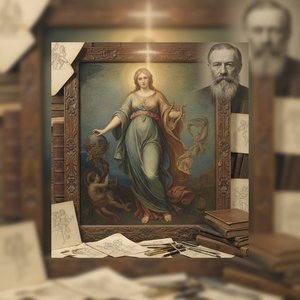
George Frederic Watts: Symbolism, Spirituality & Victorian Ideal Beauty
Explore the captivating Symbolist art of George Frederic Watts. Discover his allegorical masterpieces, classical influences & spiritual themes. Learn about his legacy and find high-quality reproductions at OriginalUniqueArt.
Frederick Waters Watts: A Victorian Vision of Aestheticism & Spiritual Symbolism
Explore the captivating world of Frederick Watts, a key Victorian painter blending aestheticism & spiritual symbolism. Discover his allegorical masterpieces like 'Hope' and delve into his artistic journey with OriginalUniqueArt.

The Enduring Legacy of Oil on Canvas: Technique, History & Aesthetic Impact
Explore the rich history & techniques of oil painting – from Renaissance masters to Impressionism. Discover pigments, layering methods, and why this timeless medium endures. Expert insights for artists & art enthusiasts.

