

 Előnézet
 Megosztás
 Megosztás
 Részletek
 Útmutató

 Letöltés
 Hasonló darabok
 X-ray felvétel
 Diavetítés
 Statisztika
Eve Repentant
 Oil On Canvas
- WallArt
- Symbolist
 1875
1875- 19th Century
 119.0 x 259.0 cm
 Tate Britain
 Tovább olvasom
Giclée / Műnyomat
Múzeumi minőségű giclée vagy vászonnyomat, gyors gyártással és rugalmas finomítási lehetőségekkel. ( Kézzel festett másolat vásárlása Áttérés digitális képre)




P118B Ft10

P118H Ft10

P118W Ft10

P438Z Ft10

P508JH Ft12

P508YH Ft12

P805H Ft10

P805Z Ft10

P919BZ Ft10

P919G Ft10

P919XJ Ft10

P959ZH Ft10

P968JZ Ft12

W106C Ft8

W218G Ft10

W218JH Ft8

W218Y Ft10

W307PJ Ft10

W316G Ft10

W316PJ Ft8

W316Y Ft10

W398PJ Ft8

W4111J Ft10

W500HY Ft15

W500JH Ft15

W692G Ft12

W849H Ft8

W940BG Ft15

W953PJ Ft8




Válasszon előre meghatározott méreteink közül, amelyek megfelelnek a műalkotás eredeti arányainak.

Írja be a keretének vagy a falának megfelelő szélességet és magasságot. A nyomatot csak le lehet vágni, soha nem tehető nagyobbá, mint az eredeti kép, így egy eltérő alakú méretnél a kép egy része elveszik. Mielőtt bármit kinyatintanánk, küldünk egy digitális próbamodellt jóváhagyásra. Az oldalon látható kép nem tartalmazza a valós levágást — ezt csak a próbamodell mutatja meg.
Világszerte történő kiszállítás területére mindössze 2 hét alatt, a szokásos 4-5 hét helyett. (24 október)

Ingyenes globális expressz szállítás

Prémium minőségű len vászon

Teljes körű szállítási biztosítás

Vámvisszatérítési Garancia

Tökéletes színarányosság garancia

100 napos visszaküldési garancia (csak gyártási hibás termékek esetén)

100% pénzvisszatérítési garancia

Több darab vásárlásakor kedvezmény
 Az üvegkeretes opció csak 110 cm alatti méretben érhető el

Eve Repentant
Giclée / Műnyomat
Reprodukció méretei
-


Összesített ár
Ft 25718
A Vision of Sorrow and Spiritual Awakening
In the quiet, evocative depths of George Frederic Watts’ “Eve Repentant,” completed around 1875, viewers are invited into a profound moment of psychological and spiritual vulnerability. As a cornerstone of Victorian Symbolism, this masterpiece transcends a mere biblical illustration; it is an intimate exploration of the human condition, capturing the heavy weight of regret and the flickering light of redemption. The painting presents Eve not as a figure of triumph or simple sin, but as a soul caught in the transformative process of repentance. Her slumped posture and bowed head convey a palpable sense of grief, drawing the observer into a shared experience of mourning and introspection that remains deeply resonant even a century and a half later.
The composition is masterfully orchestrated to guide the emotional journey of the viewer. Watts utilizes a deliberate asymmetry, centering the focus on Eve’s delicate yet burdened form. The surrounding forest setting, while providing a naturalistic backdrop, serves a much deeper symbolic purpose. Amidst the shadows of her despair, two birds appear—one perched upon her shoulder and another hovering nearby—acting as celestial messengers of hope and consolation. These subtle elements suggest that even in the depths of loss, the possibility of spiritual awakening remains ever-present, making the piece an enduring symbol of resilience for any collector seeking art with profound philosophical depth.
Mastery of Symbolist Technique and Texture
Technically, “Eve Repentant” is a triumph of the Symbolist aesthetic, where the artist’s brushwork serves the higher purpose of conveying intangible truths. Working with oil on canvas, Watts achieved a luminous, almost ethereal surface texture that breathes life into the skin of his subject and the surrounding foliage. His technique avoids the starkness of realism, opting instead for meticulous yet soft delineations that emphasize Eve's vulnerability. The way light interacts with the contours of her body creates a sense of movement and presence, as if the very atmosphere of the forest is thick with the weight of her emotions.
For the discerning interior designer or art enthusiast, this painting offers an unparalleled opportunity to introduce a sense of narrative gravity and classical elegance into a space. The rich, earthy tones and the intricate interplay of light and shadow provide a sophisticated focal point that can anchor a room with both dignity and mystery. Whether displayed in a quiet study or as a centerpiece in a grand gallery, a high-quality reproduction of this work brings with it the legacy of the House of Life—Watts’ ambitious cycle intended to represent the universal emotions and aspirations of humanity. To possess such a piece is to hold a fragment of Victorian visionary imagination, offering a timeless window into the eternal dance between shadow and light.
Gyakran Ismételt Kérdések
Milyen elhelyezés illik „Eve Repentant”, George Frederic Watts alkotása formátumához?
A „Eve Repentant”, George Frederic Watts alkotása Tall formátumú alkotása egy Living Room számára ajánlott. A formátum és a tér együtt segítik a reprodukció elhelyezését.
Mire ajánlott használni a „Eve Repentant”, George Frederic Watts alkotása reprodukcióját?
A „Eve Repentant”, George Frederic Watts alkotása javasolt felhasználása Accent. Emellett más célokra is alkalmas lehet.
Ki a "Eve Repentant" szerzője, és mely művészeti irányból származik?
George Frederic Watts a Symbolist irányzatban alkototta meg a "Eve Repentant" című művét.
A művész életrajza
korai életút és oktatás
George Frederic Watts, a szimbolista mozgalom kiemelkedő alakja, 1817. február 23-án született London Marylebone negyedében. Korai éveket kényes egészségi állapot és édesanyja fiatalon bekövetkezett elvesztése meghatározta. Watts apja, aki zongoraművész volt, konzervatív keresztény neveltetést biztosított fiának, és megismétette vele az ókori klasszikusokat, köztük az Iliadét is. Ez a klasszikus hatás később művészi stílusának egyik alapköve lett.karrier
Watts művészeti utazása már 10 éves korában megkezdődött, William Behnes irányítása alatt tanult szobrászatot. Később, 1s 18 évesen vette fel magát a Royal Academy Schools diákjai közé. Az akadémia 1837-es első kiállítása jelezte prolific karrierje kezdetét.- A Caractacus, egy versenyre benyújtott rajz, amely a Parlament új házainak falvédő festményeinek tervezésére szólott, 1843-ban első díjat aratottyszer Watts számára.
- Az 이후 olaszországi utazásai (1843–1847) és a brit nagykövet, Henry Fox kapcsolata befolyásolta stílusát, amint azt az 1848-ban bemutatott Lady Holland portréja is tükrözi.
- Watts Britországba való visszatérése egy freskó megrendelést is hozott számára a Parlament házai számára, amelyet 1848 és 1853 között hajtott végre.
szimbolista remekművek
Watts leghíresebb alkotásai közé tartozik:- A Remény (Hope) és a Szeretet és az Élet (Love and Life), amelyek egy epikus szimbolikus ciklus, az úgynevezett „Élet háza” (House of Life) részei voltak.
- A Vörös kereszt lovagjának gyúléása (The Triumph of the Red Cross Knight, a Faerie Queene alapján), amelyet 1852–53-ban készített, és amely alegóriás témáinak mesteri tudását mutatja be.
- Az színésznő, Ellen Terry portréja, amelyet 1864-ben festett, kiváló példája annak a képességének, amellyel képes volt alanyai lényegét megörökíteni.
örökség
Watts hatása a művészet világára tagadhatatlan. A szimbolista mozgalommal való kapcsolata, valamint a színek és formák innovatív használata brit művészettörténet kedvelt alakjává tette őt. Tekintse meg George Frederic Watts műalkotásait az OriginalUniqueArt.com oldalonWatts munkásságát bemutató múzeumok
- Lincoln's Inn, amely a freskóját, a Igazságot (Justice, a hemicircle of lawgivers) tartalmazza.
- A guildfordi Watts Gallery – Artists' Village az Egyesült Királyságban, amely Watts munkái és más művészek alkotásainak megőrzésére szentelt helyszín.

George Frederic Watts
1817 - 1904 , Egyesült Királyság
Gyors információk
- Artistic Movement Or Style: Szimbolizmus
- Artists Who Influenced This Artist:
- William Blake
- John Ruskin
- Date Of Birth: 1817. február 23.
- Full Name: George Frederic Watts
- Nationality: Angol
- Notable Artworks:
- Hope és Szeretet és Élet
- A királyi ház Szívének Ünnepénél
- Ellen Terry portréta
- Place Of Birth: Marylebone, Anglia
Kapcsolódó cikkek

The Soul of Impressionism: Why Oil on Canvas Captures Eternal Light and Timeless Emotion
Discover the enchanting alchemy of Impressionism. Explore how the mastery of oil on canvas, through glazing and impasto, captures eternal light and emotion. Perfect for lovers of Monet and Van Gogh seeking the profound depth of hand-painted fine art.

Az olajfestészet örökös hagyatéka: technika, történelem és kortárs gyakorlat
Fedezze fel az olajfestészet történetét, technikáit és a kortárs művészeti trendeket! Szakértői útmutatók, híres festők alkotásai és tippek az olajfestmény ápolásához. Inspirálódjon most!

Oil on Canvas: A Historical & Technical Exploration of a Timeless Artistic Medium
Explore the rich history & enduring techniques of oil painting on canvas. Discover the science behind its longevity, conservation practices, and contemporary relevance. Expert insights for art enthusiasts.

The Enduring Legacy of Oil on Canvas: Technique, History & Aesthetic Impact
Explore the rich history & techniques of oil painting – from Renaissance masters to Impressionism. Discover pigments, layering methods, and why this timeless medium endures. Expert insights for artists & art enthusiasts.
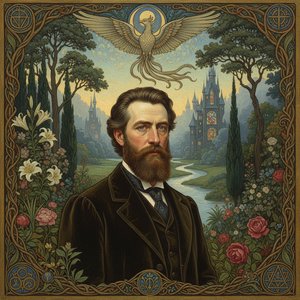
Frederick Waters Watts: A Victorian Vision of Aestheticism & Spiritual Symbolism
Explore the captivating world of Frederick Watts, a key Victorian painter blending aestheticism & spiritual symbolism. Discover his allegorical masterpieces like 'Hope' and delve into his artistic journey with OriginalUniqueArt.