Megtekintés
 Küldés
 Megosztás
 Részletek
 Útmutató

 Letöltés
 Hasonló darabok
 X-ray felvétel
 Diavetítés
 Statisztika
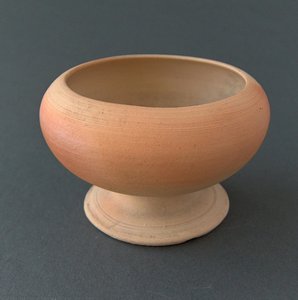
Vase

 Összes részlet megjelenítése
Giclée / Műnyomat
Múzeumi minőségű giclée vagy vászonnyomat, gyors gyártással és rugalmas finomítási lehetőségekkel. ( Kézzel festett másolat rendelése Áttérés digitális képre)




































Válasszon előre meghatározott méreteink közül, amelyek megfelelnek a műalkotás eredeti arányainak.

Írja be a keretének vagy a falának megfelelő szélességet és magasságot. A nyomatot csak le lehet vágni, soha nem tehető nagyobbá, mint az eredeti kép, így egy eltérő alakú méretnél a kép egy része elveszik. Mielőtt bármit kinyatintanánk, küldünk egy digitális próbamodellt jóváhagyásra. Az oldalon látható kép nem tartalmazza a valós levágást — ezt csak a próbamodell mutatja meg.
Világszerte történő kiszállítás területére mindössze 2 hét alatt, a szokásos 4-5 hét helyett. (26 október)

Ingyenes globális expressz szállítás

Prémium minőségű len vászon

Teljes körű szállítási biztosítás

Vámvisszatérítési Garancia

Hiteles színarányosság garancia

100 napos visszaküldési lehetőség (csak hibás termékek esetén)

100% pénzvisszatérítési garancia

Több darab vásárlásakor kedvezmény
 Az üvegkeretes opció csak 110 cm alatti méretben érhető el

Vase
Giclée / Műnyomat
Reprodukció mérete
-


Összesített ár
Ft 25681
A művész életrajza
The Singular Vision of George Edgar Ohr: The Mad Potter of Biloxi
George Edgar Ohr, a name that echoes through the annals of American ceramics, stands as an enigmatic and profoundly influential figure. Born on July 12, 1857, in the vibrant coastal city of Biloxi, Mississippi, he wasn’t merely a potter; he was a revolutionary, a visionary who dared to shatter conventions and forge his own unique path in a world dominated by tradition. His story is one of restless creativity, unwavering independence, and ultimately, a triumphant rediscovery that cemented his place as the “Mad Potter of Biloxi” – a title both affectionate and indicative of his delightfully unconventional approach.
Early Influences and a Turbulent Youth
Ohr’s early life was marked by movement and a search for purpose. After a brief stint in New Orleans, he embarked on a series of jobs—a blacksmith, a printer's hand, a clerk—each attempt proving ultimately unsatisfying. It was through an apprenticeship with Joseph Fortune Meyer, a potter connected to the Arts & Crafts movement, that Ohr’s destiny began to take shape. This experience provided him with a foundational understanding of traditional ceramic techniques, but it was his subsequent, extensive travels across sixteen states – a veritable pilgrimage through American pottery workshops – that truly ignited his creative fire. He absorbed diverse methods and styles, meticulously studying the work of masters and experimenting with new approaches. However, Ohr wasn’t content to simply imitate; he sought to transcend convention, driven by an innate desire to express himself through clay in ways no one had ever conceived.
A Revolution in Clay: Technique and Innovation
Ohr's work represents a radical departure from the prevailing norms of his time. While many potters focused on producing functional, symmetrical pieces, Ohr embraced asymmetry, distortion, and a deliberate rejection of perfection. He wasn’t interested in creating beautiful objects; he was sculpting with clay, pushing its boundaries to their absolute limit. His techniques were groundbreaking: twisting, crumpling, folding, and stretching the wet clay while still malleable, resulting in vessels that seemed to defy gravity and logic. The walls of his pieces were astonishingly thin – sometimes paper-thin – a testament to his extraordinary skill and daring experimentation. His glazes were equally revolutionary, often exhibiting vibrant, unpredictable colors reminiscent of molten metal or shimmering jewels. He wasn’t simply decorating pottery; he was imbuing it with emotion, texture, and light. Ohr's work foreshadowed the abstract expressionist movement decades before it fully emerged, demonstrating a profound understanding of form and feeling over strict representational accuracy.
Years of Isolation and Rediscovery
Despite his innovative spirit and undeniable talent, Ohr faced significant challenges during his lifetime. The public wasn’t always receptive to his radical designs, and he often struggled to find an audience willing to appreciate his vision. Frustrated by the lack of recognition and unwilling to compromise his artistic integrity, he ceased production around 1910, meticulously packing away thousands of pieces in his studio – a silent testament to his unfulfilled ambitions. Tragically, Ohr died on April 7, 1918, during the influenza pandemic, largely unknown outside of Biloxi. It wasn’t until the late 1960s and early 1970s that his genius was finally recognized. James Carpenter, an antiques dealer, stumbled upon the hidden trove of pottery, initiating a remarkable journey of rediscovery that brought Ohr's work to the attention of the wider art world.
Legacy and Enduring Influence
Today, George Edgar Ohr is celebrated as one of the most important figures in American ceramic history. His pioneering spirit continues to inspire artists across disciplines, demonstrating the power of courage, independence, and unwavering commitment to one’s artistic vision. His work can be found in major museums, including the Smithsonian Institution and the Metropolitan Museum of Art, and a dedicated museum – the Ohr–O'Keefe Museum of Art in Biloxi – stands as a poignant tribute to his enduring legacy. Ohr’s influence extends beyond ceramics; he challenged conventional notions of beauty and artistry, reminding us that true creativity lies in embracing imperfection and daring to be different. The “Mad Potter of Biloxi” may have been ahead of his time, but his work continues to speak volumes about the transformative power of artistic expression.

George Edgar Ohr (Mad Potter of Biloxi)
1857 - 1918 , Egyesült Államok
Rövid információk
- Artistic Movement Or Style: Ábrázattal keleti
- Artists Or Movements Influenced By This Artist: ['Amerikai kerámia']
- Artists Who Influenced This Artist: ['Joseph Meyer']
- Date Of Birth: 1857. 07. 12.
- Date Of Death: 1918. 04. 07.
- Full Name: George Edgar Ohr
- Nationality: Amerikai
- Notable Artworks:
- Tálca
- Vase
- Kancsó
- Place Of Birth: Biloxi, USA