() ·

Egy Önnek készült, kézzel festett alkotás

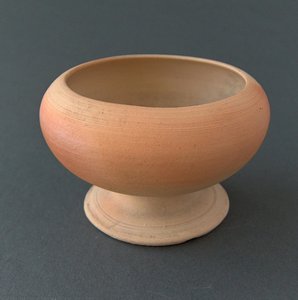
Creamer

Kézzel készített olajfestmény reprodukció

Kézzel festett olajvastú vászon, az Ön által választott méretben és keretben, művészeink készítik meglévőre. ( Váltás nyomtatványra Áttérés digitális képre)

A gyűjtemény leírása

Discover George Edgar Ohr’s ‘Creamer’: a mesmerizing ceramic pitcher showcasing vibrant glaze textures & molten-metal hues. A unique realist piece reflecting 20th-century abstract expressionism.

A művész életrajza

"HungarianMetaDescription": "George Edgar Ohr (1857-1918), a vadóc kerámiamester, aki a Biloxi-ban alkotott, és az absztrkt kifejezésmódú művészetet forradalmasította. Különleges, szokatlan formái és glázsai a mai napig lenyűgözik."

előbb ·

1. fejezet

Mekkora méretű legyen?

Húzza a csúszkát a méret megváltoztatásához; a bal oldali kép a keret valós szélességét mutatja. Az eredeti arányok megmaradnak.

Standard méret
egyedi méretű
CM
INCH

Válasszon előre meghatározott méreteink közül, amelyek megfelelnek a műalkotás eredeti arányainak.

szélesség
magasság

Írja be a kívánt szélességet és magasságot, hogy illeszkedjen a keretéhez vagy a falához. Mivel ez kézzel festett alkotás, egy eltérő formájú méret esetén a művész akár festhet is valamivel többet a kép körül, vagy korolathat is belőle — az Ön döntésének megfelelően. A festés megkezdése előtt küldünk egy digitális tervezetet jóváhagyásra. Az oldalon látható kép nem tartalmazza a végeredményt — csak a tervezet mutatja meg a valódi eredményt.

2. fejezet

Hogyan érkezzen meg?

Válaszd ki a feszített vászon széleit

Válassza ki a keretet

Corner sample of the WhiteWrap canvas edge finish, stretched on tömörfa bars
Fehér Ft1
Corner sample of the BlurSideWrap canvas edge finish, stretched on tömörfa bars
Elmosódott szélek Ft1
Corner sample of the ExtendedWrap canvas edge finish, stretched on tömörfa bars
Kiterjesztett Ft1
Corner sample of the P118B picture frame: formázott polisztirol, 5 cm wide and 3 cm thick
P118B Ft10
Corner sample of the P118H picture frame: formázott polisztirol, 5 cm wide and 3 cm thick
P118H Ft10
Corner sample of the P118W picture frame: formázott polisztirol, 5 cm wide and 3 cm thick
P118W Ft10
Corner sample of the P438Z picture frame: formázott polisztirol, 5.5 cm wide and 3.5 cm thick
P438Z Ft10
Corner sample of the P508JH picture frame: formázott polisztirol, 7 cm wide and 3.5 cm thick
P508JH Ft12
Corner sample of the P508YH picture frame: formázott polisztirol, 7 cm wide and 3.5 cm thick
P508YH Ft12
Corner sample of the P805H picture frame: formázott polisztirol, 5 cm wide and 3.5 cm thick
P805H Ft10
Corner sample of the P805Z picture frame: formázott polisztirol, 5 cm wide and 3.5 cm thick
P805Z Ft10
Corner sample of the P919BZ picture frame: formázott polisztirol, 7 cm wide and 3.5 cm thick
P919BZ Ft10
Corner sample of the P919G picture frame: formázott polisztirol, 7 cm wide and 3.5 cm thick
P919G Ft10
Corner sample of the P919XJ picture frame: formázott polisztirol, 7 cm wide and 3.5 cm thick
P919XJ Ft10
Corner sample of the P959ZH picture frame: formázott polisztirol, 5 cm wide and 3 cm thick
P959ZH Ft10
Corner sample of the P968JZ picture frame: formázott polisztirol, 6 cm wide and 4 cm thick
P968JZ Ft12
Corner sample of the W106C picture frame: tömörfa, 5 cm wide and 3 cm thick
W106C Ft8
Corner sample of the W218G picture frame: tömörfa, 5 cm wide and 3 cm thick
W218G Ft10
Corner sample of the W218JH picture frame: tömörfa, 5 cm wide and 3 cm thick
W218JH Ft8
Corner sample of the W218Y picture frame: tömörfa, 5 cm wide and 3 cm thick
W218Y Ft10
Corner sample of the W307PJ picture frame: tömörfa, 6 cm wide and 3 cm thick
W307PJ Ft10
Corner sample of the W316G picture frame: tömörfa, 6 cm wide and 3 cm thick
W316G Ft10
Corner sample of the W316PJ picture frame: tömörfa, 6 cm wide and 3 cm thick
W316PJ Ft8
Corner sample of the W316Y picture frame: tömörfa, 6 cm wide and 3 cm thick
W316Y Ft10
Corner sample of the W398PJ picture frame: tömörfa, 5 cm wide and 3 cm thick
W398PJ Ft8
Corner sample of the W4111J picture frame: tömörfa, 6.5 cm wide and 3.5 cm thick
W4111J Ft10
Corner sample of the W500HY picture frame: tömörfa, 7 cm wide and 5 cm thick
W500HY Ft15
Corner sample of the W500JH picture frame: tömörfa, 7 cm wide and 5 cm thick
W500JH Ft15
Corner sample of the W692G picture frame: tömörfa, 8 cm wide and 4 cm thick
W692G Ft12
Corner sample of the W849H picture frame: tömörfa, 5 cm wide and 3 cm thick
W849H Ft8
Corner sample of the W940BG picture frame: tömörfa, 7.5 cm wide and 4.5 cm thick
W940BG Ft15
Corner sample of the W953PJ picture frame: tömörfa, 6 cm wide and 3.5 cm thick
W953PJ Ft8
Corner sample of the H24-GOLD picture frame: faragott fa gesszóval, 10 cm wide and 6 cm thick
H24-GOLD Ft30
Corner sample of the H24-SILVER picture frame: faragott fa gesszóval, 10 cm wide and 6 cm thick
H24-SILVER Ft30
Corner sample of the H36-GOLD picture frame: faragott fa gesszóval, 15 cm wide and 6.5 cm thick
H36-GOLD Ft45
Corner sample of the H36-SILVER picture frame: faragott fa gesszóval, 15 cm wide and 6.5 cm thick
H36-SILVER Ft45

Keretprofil: . A kerettel együtt vett teljes méret: .

3. fejezet

Ki festi, és változtatni kellene-e bármit?

Példák a módosíthatóságra: Az arc kicserélése a vásárló fotójára; háziállat hozzáadása (pl. macska kicserélése kutyára); rejtett üzenet elhelyezése a háttérben; a háttér tájéképének vagy elemeinek megváltoztatása.
A megrendelést követően a OriginalUniqueArt.com csapat e-mailt küld a vásárlónak az instrukciókkal, és biztosítja a tervezeti előnézetet

Világszerte elérhető szállítás () 3-4 hét alatt a szokásos 5 hét helyett. (3 november). A minőség nem kérdőjelezhető.

4. fejezet

Az utolsó finomhangolás

Egy felirat, mint egy múzeumban?

A gravírozott bronztábla részletei

This elegant plaque features the artist's name and the title of the artwork, finely engraved for a timeless presentation.

It is made from bronze with a refined, elegant finish. The text is precisely laser-engraved for a sharp and permanent result. Measuring 9x2 cm, the plaque is compact yet easy to read. It's built to be durable and scratch-resistant, offering a professional, museum-quality look. Mounting is simple thanks to the included adhesive backing.

Átlátszó akril tábla részletei

The plaque includes essential engraved details such as the artist's name, the title of the artwork, the date it was created, the type of media used-like oil on canvas or watercolor-a brief description of the piece, and a QR code that links to the complete artwork information.

It is crafted from clear acrylic, offering a sleek, modern appearance. The text is UV-engraved in black to ensure strong visual contrast. With a size of 10x15 cm, it ensures optimal readability. It comes equipped with two metal hooks for secure wall mounting. The plaque is designed to be weather-resistant, making it suitable for various environments, and it includes interactive features that work seamlessly with smartphone scanning.

Fekete akril tábla részletei

This elegant plaque includes engraved information such as the artist's name, the title of the artwork, the date it was created, the type of media used (like oil on canvas or watercolor), a short description of the artwork, and a QR code for quick access to more information.

The plaque itself is made from refined black acrylic with a premium finish. The text is laser-engraved in white for high contrast and readability. Its size is 10x15 cm, designed to be easy to read. It comes with two metal hooks for professional mounting. The design is sleek and fits any interior style. It is also weather-resistant and durable, with built-in digital integration for mobile compatibility.

Egy védőréteg?

Mikor lenne szüksége rá?

5. fejezet

Az Ön által megrendelt festmény

Creamer

Reprodukciós technika

Reprodukció mérete

-

Kiváló mesterművész

Nagyobb részletesség, finomság és bővített gyártási idő

-

Reprodukció keretezése

-

-

A bármely oldalsó méretét túlszálaló 105 cm (kb. 41 hüvelyk) meghaladó műalkotások vagy reprodukciók esetében a keret összeszerelhető készletként, szétszerelve kerül szállításra. Ez a módszer biztosítja a biztonságos szállítást, és megakadályozza a szállítás során fellépő sérüléseket.

Szakmész összeszerelést igényel – ez nem DIY (önösszeszerelhető) termék.
A készletet egy tapasztalt keretező szakembernek kell összeszerelnie és a vásznat feszítenie kell, fa ragasztó (nem tartalmazza a csomag), vásznfeszítő fogó és szorítók használatával, amelyek a ragasztó száradásáig a keretrészeket egymáshoz vuôngjba tartják. A helytelen összeszerelés vagy a nem egyenletes vásznfeszítés maradandó károsíthatja a műalkotást, és ez nem része a garanciánknak.

  • A készlet tartalmazza az összes tömörfa rudat, pontosan méretre vágva.

  • A mellékelt csavarokkal, valamint a sarokszerekhez szükséges faütő ragasztóval kell összeszerelnie (ez nem tartalmazható a csomagban), így a keretrendezőnek külön kell beszereznie.

  • A csomag nem tartalmazza a szükséges professzionális eszközöket: egy vászonfeszítőt és klipseket a rácsok vízszintes tartásához a ragasztó megszáradásáig.

Fontos:
A sarokcsatlakozásokhoz fánylagra van szükség, a keretrudakat szorítókapcsokkal kell rögzíteni, amíg a rag teljesen meg nem szárad, a kész keretre feszített vászonhoz pedig vászonfeszítő fogat szükséges. Ezek egyike sem található meg a készletben. Kérjük, rendelés előtt győződjön meg róla, hogy rendelkezik tapasztalt keretező szakemberrel.

Névtábla

-

-

Védőréteg (Lakk)

Fényes lakk (intenzívabb színek, védelem a fény és a nedvesség hatása ellen)

-

Műalkotásom egyedi igényre szabása

Példák a módosíthatóságra: az arc kicserélése az ügyfél fotójára; háziállat hozzáadása (pl. macska helyett kutya); rejtett üzenet elhelyezése a háttérben; a háttér tájainak vagy elemeinek megváltoztatása.

-

Sürgős

Világszerte szóló szállítás () mindössze 3-4 hét alatt, a szokásos 5 hét helyett. (3 november). A minőség nem kérdőjelezhető.

-

Express szállítás

Világszerte elérhető szállítás területre 5 héten belül. (10 november).

A szállítás díja tartalmazza

Összesített ár

Ft 98290

Összesített ár Ft 98290

Az üvegkeretes opció csak 110 cm alatti méretben érhető el

Minden rendelés mellé tartalmazva

  • Ingyenes globális expressz szállítás
  • Prémium minőségű len vászon
  • Teljes körű szállítási biztosítás
  • Vámvisszatérítési Garancia
  • Hiteles színarányosság garancia
  • 100 napos visszaküldési lehetőség (csak hibás termékek esetén)
  • 100% pénzvisszatérítési garancia
  • Több darab vásárlásakor kedvezmény

A Dance of Fire and Clay: Unveiling George Edgar Ohr’s “Creamer”

George Edgar Ohr, affectionately dubbed the "Mad Potter of Biloxi," wasn't merely a ceramicist; he was a revolutionary, a provocateur who shattered conventional notions of form and function within the world of art. His work, particularly pieces like “Creamer,” embodies this spirit – a vibrant explosion of texture, color, and unapologetic experimentation that foreshadowed much of 20th-century abstract expressionism. “Creamer,” created around 1908, isn’t simply a pitcher; it's a captured moment of molten energy, a testament to Ohr’s relentless pursuit of artistic freedom and his profound understanding of the inherent beauty within imperfection. The piece immediately commands attention with its audacious palette – a swirling vortex of deep reds, fiery oranges, sun-baked yellows, and earthy browns that seem to pulse with an internal heat. These aren't carefully blended hues; rather, they’re layered glazes applied with a deliberate roughness, mimicking the chaotic yet controlled process of metalworking or even volcanic activity. The surface is far from smooth; it’s deliberately textured with ridges, drips, and pools of glaze, creating a tactile experience that invites close inspection – a direct challenge to the polished perfection often associated with traditional ceramics.

The Biloxi Crucible: Contextualizing Ohr's Innovation

Ohr’s artistic journey was inextricably linked to his birthplace, Biloxi, Mississippi—a port city steeped in maritime history and brimming with diverse cultural influences. This unique environment profoundly shaped his aesthetic sensibilities. He initially worked as a utilitarian potter, producing functional wares for the local community. However, he quickly grew dissatisfied with this limited role, yearning to explore the expressive potential of clay. The fires that frequently ravaged Biloxi – devastating both physically and emotionally – became a crucial catalyst for his artistic evolution. These destructive events, particularly the 1894 fire that consumed his studio and much of his work, served as a powerful impetus for experimentation. He began to embrace the accidental, the broken, and the imperfect, transforming these losses into opportunities for innovation. This period saw him moving away from rigid forms and embracing techniques like “throwing” – creating shapes by hand without using a potter’s wheel—and layering glazes in ways that defied conventional ceramic practices.

A Symphony of Texture: Technique and Materiality

The creation of "Creamer" exemplifies Ohr's distinctive technique, a masterful blend of intuition and controlled chaos. He didn’t adhere to established methods; instead, he developed his own unique approach, often working directly on the clay surface with tools like knives, spatulas, and even his hands. The layering of glazes is particularly noteworthy – multiple applications were built up over time, creating a complex interplay of color and texture. The deliberate roughness isn’t simply accidental; it's a conscious choice to emphasize the materiality of the clay itself, celebrating its inherent irregularities and imperfections. Ohr’s use of glaze was revolutionary for his time, moving beyond traditional transparent glazes to create opaque, richly pigmented surfaces that seemed to glow from within. The piece is a testament to his mastery of material – he coaxed extraordinary effects from humble clay and simple glazes, transforming them into something truly remarkable.

Symbolism in the Shimmer: Interpretation and Emotional Resonance

While Ohr himself resisted definitive interpretations of his work, “Creamer” undeniably resonates with themes of transformation, resilience, and the beauty of imperfection. The fiery colors evoke images of molten metal – a primal force both destructive and creative. This imagery can be interpreted as a reflection of Biloxi’s history, its vulnerability to storms and fires, yet also its enduring spirit. The piece's irregular forms suggest a rejection of rigid order and an embrace of spontaneity and chance. The “Creamer” itself—a vessel designed for holding cream—adds another layer of complexity. It’s a seemingly mundane object elevated to the realm of art through Ohr’s transformative vision, suggesting that even the most ordinary things can be imbued with extraordinary beauty and meaning. The overall effect is one of intense energy and emotional depth – a captivating invitation to contemplate the power of creativity and the acceptance of imperfection.

Kérdések és válaszok

Hol tekinthető meg a(z) "Creamer" előnézete?

A „Creamer” Előnézet oldalán megtekintheti a művészeti alkotást megrendelés előtt.

Milyen méretben ajánlott a "Creamer" nyomtatása?

A "Creamer" alkotáshoz a Medium nyomtatási méret ajánlott. Ugyanakkor ugyanazon arányokban elérhető egyéb méretű változat is.

Melyik helyiségben javasolt a(z) "Creamer" kihelyezését a színei alapján?

A Earthy színei miatt a "Creamer" mű egy Living Room számára javasolt.

Több információ erről a festményről

Megtekintés AR előnézet Váltás nyomtatványra Áttérés digitális képre Küldés
Részletek Útmutató Kedvencekhez ad Letöltés Hasonló darabok X-ray felvétel Diavetítés Kérdések és válaszok Statisztika

Számokban kifejezve

  • 29választható keretek
  • standard méretek, saját arányokkal
  • 5hetek a festésre és a kézbesítésre
George Edgar Ohr (Mad Potter of Biloxi)

George Edgar Ohr (Mad Potter of Biloxi)

1857 - 1918, Egyesült Államok

Gyors információk George Edgar Ohr (Mad Potter of Biloxi) művészről

  • Artistic Movement Or Style: Ábrázattal keleti
  • Artists Or Movements Influenced By This Artist: ['Amerikai kerámia']
  • Artists Who Influenced This Artist: ['Joseph Meyer']
  • Date Of Birth: 1857. 07. 12.
  • Date Of Death: 1918. 04. 07.
  • Full Name: George Edgar Ohr
  • Nationality: Amerikai
  • Notable Artworks:
    • Tálca
    • Vase
    • Kancsó
  • Place Of Birth: Biloxi, USA

A művész életrajza

The Singular Vision of George Edgar Ohr: The Mad Potter of Biloxi

George Edgar Ohr, a name that echoes through the annals of American ceramics, stands as an enigmatic and profoundly influential figure. Born on July 12, 1857, in the vibrant coastal city of Biloxi, Mississippi, he wasn’t merely a potter; he was a revolutionary, a visionary who dared to shatter conventions and forge his own unique path in a world dominated by tradition. His story is one of restless creativity, unwavering independence, and ultimately, a triumphant rediscovery that cemented his place as the “Mad Potter of Biloxi” – a title both affectionate and indicative of his delightfully unconventional approach.

Early Influences and a Turbulent Youth

Ohr’s early life was marked by movement and a search for purpose. After a brief stint in New Orleans, he embarked on a series of jobs—a blacksmith, a printer's hand, a clerk—each attempt proving ultimately unsatisfying. It was through an apprenticeship with Joseph Fortune Meyer, a potter connected to the Arts & Crafts movement, that Ohr’s destiny began to take shape. This experience provided him with a foundational understanding of traditional ceramic techniques, but it was his subsequent, extensive travels across sixteen states – a veritable pilgrimage through American pottery workshops – that truly ignited his creative fire. He absorbed diverse methods and styles, meticulously studying the work of masters and experimenting with new approaches. However, Ohr wasn’t content to simply imitate; he sought to transcend convention, driven by an innate desire to express himself through clay in ways no one had ever conceived.

A Revolution in Clay: Technique and Innovation

Ohr's work represents a radical departure from the prevailing norms of his time. While many potters focused on producing functional, symmetrical pieces, Ohr embraced asymmetry, distortion, and a deliberate rejection of perfection. He wasn’t interested in creating beautiful objects; he was sculpting with clay, pushing its boundaries to their absolute limit. His techniques were groundbreaking: twisting, crumpling, folding, and stretching the wet clay while still malleable, resulting in vessels that seemed to defy gravity and logic. The walls of his pieces were astonishingly thin – sometimes paper-thin – a testament to his extraordinary skill and daring experimentation. His glazes were equally revolutionary, often exhibiting vibrant, unpredictable colors reminiscent of molten metal or shimmering jewels. He wasn’t simply decorating pottery; he was imbuing it with emotion, texture, and light. Ohr's work foreshadowed the abstract expressionist movement decades before it fully emerged, demonstrating a profound understanding of form and feeling over strict representational accuracy.

Years of Isolation and Rediscovery

Despite his innovative spirit and undeniable talent, Ohr faced significant challenges during his lifetime. The public wasn’t always receptive to his radical designs, and he often struggled to find an audience willing to appreciate his vision. Frustrated by the lack of recognition and unwilling to compromise his artistic integrity, he ceased production around 1910, meticulously packing away thousands of pieces in his studio – a silent testament to his unfulfilled ambitions. Tragically, Ohr died on April 7, 1918, during the influenza pandemic, largely unknown outside of Biloxi. It wasn’t until the late 1960s and early 1970s that his genius was finally recognized. James Carpenter, an antiques dealer, stumbled upon the hidden trove of pottery, initiating a remarkable journey of rediscovery that brought Ohr's work to the attention of the wider art world.

Legacy and Enduring Influence

Today, George Edgar Ohr is celebrated as one of the most important figures in American ceramic history. His pioneering spirit continues to inspire artists across disciplines, demonstrating the power of courage, independence, and unwavering commitment to one’s artistic vision. His work can be found in major museums, including the Smithsonian Institution and the Metropolitan Museum of Art, and a dedicated museum – the Ohr–O'Keefe Museum of Art in Biloxi – stands as a poignant tribute to his enduring legacy. Ohr’s influence extends beyond ceramics; he challenged conventional notions of beauty and artistry, reminding us that true creativity lies in embracing imperfection and daring to be different. The “Mad Potter of Biloxi” may have been ahead of his time, but his work continues to speak volumes about the transformative power of artistic expression.

Gyors információk

  • Artist: George Edgar Ohr
  • Artistic style: Realist, experimental
  • Medium: Ceramic
  • Notable elements: Textured glaze, organic shapes
  • Movement: Abstract Expressionism

Művészeti kvíz

Minden kérdésre csak egy helyes válasz létezik.

Kérdés 1:
What is the primary artistic movement associated with George Edgar Ohr’s ceramic work, as indicated by the description?
Kérdés 2:
The description highlights a specific technique used in Ohr’s pottery. What is this technique?
Kérdés 3:
What nickname did George Edgar Ohr famously adopt, reflecting his artistic approach?
Kérdés 4:
According to the text, what was a significant factor contributing to Ohr’s initial struggles with recognition?
Kérdés 5:
What does the description emphasize as a key characteristic of Ohr’s ceramic surfaces?
Fedezze fel a műalkotásokat témák, stílusok és jellemzők szerint csoportosítva.