
 Megtekintés
 Küldés
 Megosztás
 Részletek

 Letöltés
 Hasonló darabok
 X-ray felvétel
 Diavetítés
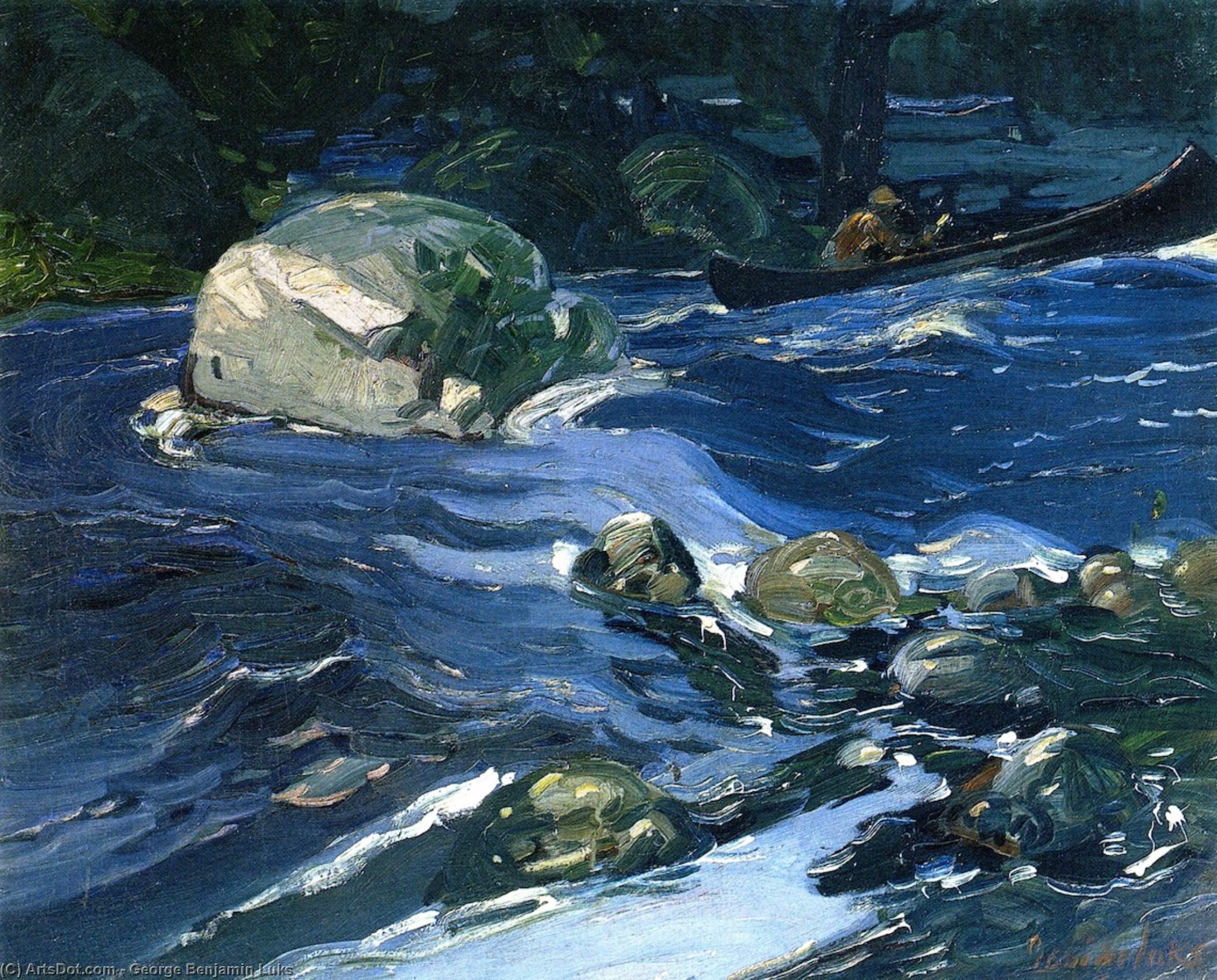
Climbing the Screecher


 Összes részlet megjelenítése
Kézzel készített olajfestmény reprodukció
Kézzel festett olajvastú vászon, az Ön által választott méretben és keretben, művészeink készítik meglévőre. ( Nyomat rendelése Kép letöltése)




P118B $10

P118H $10

P118W $10

P438Z $10

P508JH $12

P508YH $12

P805H $10

P805Z $10

P919BZ $10

P919G $10

P919XJ $10

P959ZH $10

P968JZ $12

W106C $8

W218G $10

W218JH $8

W218Y $10

W307PJ $10

W316G $10

W316PJ $8

W316Y $10

W398PJ $8

W4111J $10

W500HY $15

W500JH $15

W692G $12

W849H $8

W940BG $15

W953PJ $8




Válasszon előre meghatározott méreteink közül, amelyek megfelelnek a műalkotás eredeti arányainak.

Ön megadhat saját méreteket egy adott kerethez vagy térhez igazításhoz. Ha a kiválasztott méret nem egyezik az eredeti kép arányával, akkor a műalkotást levágjuk, vagy további kézzel festett elemekkel meghosszabbítjuk a festményt. A gyártás megkezdése előtt küldünk Önnek egy digitális előnézetet jóváhagyásra.
Kérjük, vegye figyelembe, hogy a képernyőn megjelenő előnézet nem tükrözi a tényleges vágást vagy kiterjesztést. Csak az előnézet fog pontosan mutatni a végső kompozíciót.
Bár egyedi méretek állnak rendelkezésre, javasoljuk, hogy válasszon egy méretet az előre meghatározott listából az eredeti arányok megőrzése érdekében.
A rendelést követően a OriginalUniqueArt.com csapata e-mailt küld az ügyfélnek az instrukciókért, és biztosít egy előnézeti képet (mockup).
Világszerte elérhető szállítás () 3-4 hét alatt a szokásos 5 hét helyett. (19 augusztus). A minőség nem kérdőjelezhető.

Ingyenes globális expressz szállítás

Prémium minőségű len vászon

Teljes körű szállítási biztosítás

Vámvisszatérítési Garancia

Hiteles színpontosság garancia

60 napos visszaküldési lehetőség (csak hibás termékek esetén)

100% pénzvisszatérítési garancia

Több darab vásárlása esetén kedvezmény
 Az üvegkeretes opció csak 110 cm alatti méretben érhető el

Climbing the Screecher
Reprodukciós technika
Reprodukció mérete
-


Összesített ár
$ 300
A műalkotás leírása
A Serene Encounter with the American Landscape
In the quietude of George Benjamin Luks’s Climbing the Screecher, one finds a profound departure from the gritty, urban energy that often defined his reputation within the Ashcan School. While many remember Luks for his raw depictions of New York City streets, this 1919 masterpiece invites the viewer into a much more contemplative realm. The painting presents a breathtakingly tranquil river scene, where the rhythmic flow of water is cradled by ancient rocks and lush, verdant trees. A solitary boat floats effortlessly upon the surface, acting as a focal point for a journey that feels both physical and spiritual. As the eye wanders across the canvas, it encounters two figures positioned near the periphery—small, humble witnesses to the grandeur of nature—and a central boulder that anchors the composition with its rugged, unyielding presence.
The emotional resonance of the work lies in its ability to evoke a sense of deep, meditative peace. There is a palpable stillness in the air, a moment frozen in time where the chaos of the modernizing world feels light-years away. For the collector or interior designer, this piece serves as an atmospheric anchor, capable of transforming a room into a sanctuary of calm. The way the natural elements harmonize—the soft interplay of light on the water and the sturdy silhouettes of the trees—creates a visual melody that soothes the spirit and invites long, wandering gazes.
Mastery of Light and the Ashcan Legacy
Technically, Climbing the Screecher showcases Luks’s exceptional ability to manipulate light and color to create depth and texture. Drawing inspiration from the Old Masters, particularly the bravura brushwork of Velazquez and the lively characterizations of Frans Hals, Luks employs a technique that feels both vigorous and delicate. His use of light is not merely descriptive but emotive; it dances across the ripples of the river and catches the edges of the stones, lending the landscape a three-dimensional vitality. The color palette, while grounded in the earthy tones of the American wilderness, possesses a luminous quality that breathes life into the foliage and water.
This painting represents a significant intersection of Luks’s diverse influences. His background as an illustrator for the Philadelphia Press gifted him with a keen eye for composition and detail, while his roots in the Ashcan School provided him with the courage to seek truth in the landscape. In this work, the "truth" is found in the quiet dignity of the natural world. For those seeking to adorn their homes with high-quality oil painting reproductions, this piece offers more than just decoration; it offers a window into a pivotal moment in American art history, where the ruggedness of the frontier meets the refined elegance of classical technique.
A művész életrajza
A Life Forged in the Crucible of American Realism
George Benjamin Luks, a name synonymous with the gritty energy and unvarnished truth of early 20th-century America, was more than just a painter; he was a chronicler of an era. Born in Williamsport, Pennsylvania, in 1867 to immigrant parents – his father a Polish physician, his mother a German musician – Luks’s upbringing instilled within him a deep empathy for the struggles and triumphs of everyday people. This sensitivity would become the defining characteristic of his artistic vision. His early life was anything but conventional; before dedicating himself to canvas and brush, he and his brother trod the boards as vaudeville performers, honing an observational skill and understanding of human character that would later prove invaluable. It was a world of fleeting moments, exaggerated gestures, and raw emotion – a training ground for capturing the essence of life itself. This period instilled in him a love for performance and spectacle, elements subtly woven into the dynamic compositions of his paintings.From European Studies to the Ashcan School
Luks’s formal artistic education began at the Pennsylvania Academy of the Fine Arts, but it was his subsequent travels to Europe that truly shaped his aesthetic sensibilities. He immersed himself in the works of the Old Masters – Velázquez and Hals particularly resonated with him – absorbing their mastery of light, shadow, and characterization. However, he wasn’t merely imitating; he was synthesizing these influences into something uniquely his own. Upon returning to America, Luks found work as a newspaper illustrator, first in Philadelphia and then in New York City. This experience proved pivotal. It exposed him to the bustling streets, diverse populations, and stark realities of urban life – subjects that would dominate his artistic output for years to come. He connected with a circle of like-minded artists—Robert Henri, John Sloan, William Glackens—who shared a rejection of academic conventions and a desire to depict the world as they saw it, honestly and without pretense. This collective spirit gave rise to what became known as the Ashcan School, a movement that challenged the prevailing artistic norms and celebrated the beauty in the mundane.Capturing the Pulse of Urban Life
Luks’s paintings are characterized by their vigorous brushwork, bold compositions, and unflinching portrayal of urban life. He didn't shy away from depicting the poverty, hardship, and social inequalities that plagued early 20th-century America. His subjects were often drawn from the streets of New York City – cab drivers, street performers, laborers, and ordinary people going about their daily lives. The Cabby, for example, is a powerful depiction of a working man, his face etched with weariness but radiating a quiet dignity. Similarly, Sulky Boy captures the vulnerability and introspection of youth with remarkable sensitivity. Luks’s technique was as distinctive as his subject matter. He employed a thick impasto style, applying paint liberally to the canvas, creating a textured surface that seemed to vibrate with energy. His use of color was often muted, reflecting the grimy realities of urban life, but punctuated by flashes of brilliance that drew the viewer's eye. His works weren’t romanticized; they were raw and honest reflections of a challenging world.A Voice for the Underrepresented and Lasting Legacy
As a member of “The Eight,” Luks played a crucial role in challenging the established art world and paving the way for American modernism. The group’s independent exhibition in 1908 was a watershed moment, sparking controversy but also garnering attention for their innovative approach to painting. Luks wasn't simply interested in documenting reality; he sought to convey its emotional weight, its inherent drama. He wanted his paintings to be felt as much as seen. Beyond his artistic achievements, Luks was also a passionate advocate for American art and artists. He taught at the Art Students League, inspiring generations of young painters to embrace their own unique voices and perspectives. His influence can be seen in the work of countless subsequent artists who sought to capture the spirit of the urban experience. George Benjamin Luks died in 1933, leaving behind a body of work that continues to resonate with viewers today. His paintings are not merely historical documents; they are powerful testaments to the human condition, reminders of the struggles and triumphs of those whose stories might otherwise have been forgotten. He remains a vital figure in American art history, a champion of realism, and a voice for the underrepresented.Key Works and Notable Achievements
Luks’s oeuvre is remarkably diverse, encompassing portraits, genre scenes, and historical subjects. Some of his most celebrated works include:- The Cabby (1907): A seminal work capturing the weariness and dignity of a New York cab driver.
- Sulky Boy (1905): A poignant portrayal of a young boy struggling with poverty and hardship.
- Coal Mining Town (1903): A dramatic depiction of the harsh realities faced by coal miners.
- The Spielers (1905): A dynamic scene capturing the energy and excitement of a street game.
- Numerous portraits, including those of prominent figures in American society.
Influences and Artistic Style
Luks's artistic style was a complex synthesis of various influences. He drew inspiration from the Old Masters, particularly Velázquez and Hals, for his mastery of light and characterization. However, he also embraced the principles of Impressionism and Post-Impressionism, incorporating vibrant colors and loose brushwork into his paintings. His work is characterized by its dynamic energy, bold compositions, and unflinching realism. He was a keen observer of human behavior, capturing the nuances of emotion and social interaction with remarkable skill. His style can be described as a blend of realism, symbolism, and theatricality – reflecting his background in vaudeville and his interest in storytelling.
Luks György Benjamin
1867 - 1933 , Egyesült Államok
A művészről röviden
- Artistic Movement Or Style: Ashcan School, Realizmus
- Artists Or Movements Influenced By This Artist: ['Amerikai Modernizmus']
- Artists Who Influenced This Artist:
- Velázquez
- Hals
- Manet
- Date Of Birth: 1867
- Date Of Death: 1933
- Full Name: George Benjamin Luks
- Nationality: Amerikai
- Notable Artworks:
- A Cabbi
- Sulky Boy
- Place Of Birth: Williamsport, USA
Kapcsolódó cikkek
A Tájkép Mesterei: 10 Képi Gyöngyem a Természet Szerelemről – OriginalUniqueArt.com
Fedezze fel a 10 legikonikusabb tájkép festményt! Monet, Van Gogh és más mesterek művei inspirálnak. Művészeti reprodukciók magas minőségben – tökéletes dekoráció otthonába. Böngésszen OriginalUniqueArt.com-on!
A Hudson River Iskola 10 Mesterműve: Tájképfestészet és Amerika Lelke – OriginalUniqueArt
Fedezze fel a Hudson River Iskola 10 legikonikusabb műalkotását! Frederic Church, Thomas Cole és más amerikai festők romantikus tájképei. Vászonkép másolatok, faliképek otthonába – OriginalUniqueArt.com kínálatából. Explore the full collection online!

John Constable 25 Mesterműve: A Természet Lényege Vászonon – OriginalUniqueArt.com
Fedezze fel John Constable 25 legszebb művészeti alkotását! Ismerje meg a romantika ikonikus tájképeit, Dedham Vale szépségét és a természet lenyűgöző ábrázolásait. Vászonkép reprodukcióinkkal eleganciát csempészhet otthonába – OriginalUniqueArt.com
The Sublime Landscape: Exploring the Hudson River School Movement
Explore the captivating world of the Hudson River School! Discover the history, artists, and defining characteristics of this iconic American art movement. Learn about Romanticism's influence & find inspiration for your collection.

Katsushika Hokusai 25 Mesterműve: A Japán Art Élmény, Otthonodban – OriginalUniqueArt
Fedezze fel Katsushika Hokusai 25 legikonikusabb műalkotását! Merüljön el a japán ukiyo-e világában, ismerje meg a 'Nagy Hullám' történetét és más remekműveket. Museum minőségű reprodukciók otthonába – OriginalUniqueArt.com.


