A szöveg mérete

() ·

Egy Önnek készült, kézzel festett alkotás

A Napi Társaság (A Banánok)

Kézzel készített olajfestmény reprodukció

Kézzel festett olajvastú vászon, az Ön által választott méretben és keretben, művészeink készítik meglévőre. ( Váltás nyomtatványra Áttérés digitális képre)

A gyűjtemény leírása

Gauguin virágzó szigeti világa! A Napi Társaság (A Banánok) egy lenyűgöző, színes kép a távoli Tahiti-ról, Gauguin innovatív stílusának és szimbolikus jelentésének megmutatására építve.

A művész életrajza

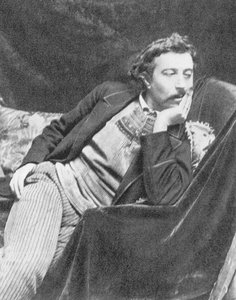
Paul Gauguin: A révolution francia festő, aki a merész színeivel és egzotikus témáival definiálta a modern művészetet. Fedezd fel a gazdag életét és alkotásait!

előbb ·

1. fejezet

Mekkora méretű legyen?

Húzza a csúszkát a méret megváltoztatásához; a bal oldali kép a keret valós szélességét mutatja. Az eredeti arányok megmaradnak.

Standard méret
egyedi méretű
CM
INCH

Válasszon előre meghatározott méreteink közül, amelyek megfelelnek a műalkotás eredeti arányainak.

szélesség
magasság

Írja be a kívánt szélességet és magasságot, hogy illeszkedjen a keretéhez vagy a falához. Mivel ez kézzel festett alkotás, egy eltérő formájú méret esetén a művész akár festhet is valamivel többet a kép körül, vagy korolathat is belőle — az Ön döntésének megfelelően. A festés megkezdése előtt küldünk egy digitális tervezetet jóváhagyásra. Az oldalon látható kép nem tartalmazza a végeredményt — csak a tervezet mutatja meg a valódi eredményt.

2. fejezet

Hogyan érkezzen meg?

Válaszd ki a feszített vászon széleit

Válassza ki a keretet

Corner sample of the WhiteWrap canvas edge finish, stretched on tömörfa bars
Fehér Ft1
Corner sample of the BlurSideWrap canvas edge finish, stretched on tömörfa bars
Elmosódott szélek Ft1
Corner sample of the ExtendedWrap canvas edge finish, stretched on tömörfa bars
Kiterjesztett Ft1
Corner sample of the P118B picture frame: formázott polisztirol, 5 cm wide and 3 cm thick
P118B Ft10
Corner sample of the P118H picture frame: formázott polisztirol, 5 cm wide and 3 cm thick
P118H Ft10
Corner sample of the P118W picture frame: formázott polisztirol, 5 cm wide and 3 cm thick
P118W Ft10
Corner sample of the P438Z picture frame: formázott polisztirol, 5.5 cm wide and 3.5 cm thick
P438Z Ft10
Corner sample of the P508JH picture frame: formázott polisztirol, 7 cm wide and 3.5 cm thick
P508JH Ft12
Corner sample of the P508YH picture frame: formázott polisztirol, 7 cm wide and 3.5 cm thick
P508YH Ft12
Corner sample of the P805H picture frame: formázott polisztirol, 5 cm wide and 3.5 cm thick
P805H Ft10
Corner sample of the P805Z picture frame: formázott polisztirol, 5 cm wide and 3.5 cm thick
P805Z Ft10
Corner sample of the P919BZ picture frame: formázott polisztirol, 7 cm wide and 3.5 cm thick
P919BZ Ft10
Corner sample of the P919G picture frame: formázott polisztirol, 7 cm wide and 3.5 cm thick
P919G Ft10
Corner sample of the P919XJ picture frame: formázott polisztirol, 7 cm wide and 3.5 cm thick
P919XJ Ft10
Corner sample of the P959ZH picture frame: formázott polisztirol, 5 cm wide and 3 cm thick
P959ZH Ft10
Corner sample of the P968JZ picture frame: formázott polisztirol, 6 cm wide and 4 cm thick
P968JZ Ft12
Corner sample of the W106C picture frame: tömörfa, 5 cm wide and 3 cm thick
W106C Ft8
Corner sample of the W218G picture frame: tömörfa, 5 cm wide and 3 cm thick
W218G Ft10
Corner sample of the W218JH picture frame: tömörfa, 5 cm wide and 3 cm thick
W218JH Ft8
Corner sample of the W218Y picture frame: tömörfa, 5 cm wide and 3 cm thick
W218Y Ft10
Corner sample of the W307PJ picture frame: tömörfa, 6 cm wide and 3 cm thick
W307PJ Ft10
Corner sample of the W316G picture frame: tömörfa, 6 cm wide and 3 cm thick
W316G Ft10
Corner sample of the W316PJ picture frame: tömörfa, 6 cm wide and 3 cm thick
W316PJ Ft8
Corner sample of the W316Y picture frame: tömörfa, 6 cm wide and 3 cm thick
W316Y Ft10
Corner sample of the W398PJ picture frame: tömörfa, 5 cm wide and 3 cm thick
W398PJ Ft8
Corner sample of the W4111J picture frame: tömörfa, 6.5 cm wide and 3.5 cm thick
W4111J Ft10
Corner sample of the W500HY picture frame: tömörfa, 7 cm wide and 5 cm thick
W500HY Ft15
Corner sample of the W500JH picture frame: tömörfa, 7 cm wide and 5 cm thick
W500JH Ft15
Corner sample of the W692G picture frame: tömörfa, 8 cm wide and 4 cm thick
W692G Ft12
Corner sample of the W849H picture frame: tömörfa, 5 cm wide and 3 cm thick
W849H Ft8
Corner sample of the W940BG picture frame: tömörfa, 7.5 cm wide and 4.5 cm thick
W940BG Ft15
Corner sample of the W953PJ picture frame: tömörfa, 6 cm wide and 3.5 cm thick
W953PJ Ft8
Corner sample of the H24-GOLD picture frame: faragott fa gesszóval, 10 cm wide and 6 cm thick
H24-GOLD Ft30
Corner sample of the H24-SILVER picture frame: faragott fa gesszóval, 10 cm wide and 6 cm thick
H24-SILVER Ft30
Corner sample of the H36-GOLD picture frame: faragott fa gesszóval, 15 cm wide and 6.5 cm thick
H36-GOLD Ft45
Corner sample of the H36-SILVER picture frame: faragott fa gesszóval, 15 cm wide and 6.5 cm thick
H36-SILVER Ft45

Keretprofil: . A kerettel együtt vett teljes méret: .

3. fejezet

Ki festi, és változtatni kellene-e bármit?

Példák a módosíthatóságra: Az arc kicserélése a vásárló fotójára; háziállat hozzáadása (pl. macska kicserélése kutyára); rejtett üzenet elhelyezése a háttérben; a háttér tájéképének vagy elemeinek megváltoztatása.
A megrendelést követően a OriginalUniqueArt.com csapat e-mailt küld a vásárlónak az instrukciókkal, és biztosítja a tervezeti előnézetet

Világszerte elérhető szállítás () 3-4 hét alatt a szokásos 5 hét helyett. (9 november). A minőség nem kérdőjelezhető.

4. fejezet

Az utolsó finomhangolás

Egy felirat, mint egy múzeumban?

A gravírozott bronztábla részletei

This elegant plaque features the artist's name and the title of the artwork, finely engraved for a timeless presentation.

It is made from bronze with a refined, elegant finish. The text is precisely laser-engraved for a sharp and permanent result. Measuring 9x2 cm, the plaque is compact yet easy to read. It's built to be durable and scratch-resistant, offering a professional, museum-quality look. Mounting is simple thanks to the included adhesive backing.

Átlátszó akril tábla részletei

The plaque includes essential engraved details such as the artist's name, the title of the artwork, the date it was created, the type of media used-like oil on canvas or watercolor-a brief description of the piece, and a QR code that links to the complete artwork information.

It is crafted from clear acrylic, offering a sleek, modern appearance. The text is UV-engraved in black to ensure strong visual contrast. With a size of 10x15 cm, it ensures optimal readability. It comes equipped with two metal hooks for secure wall mounting. The plaque is designed to be weather-resistant, making it suitable for various environments, and it includes interactive features that work seamlessly with smartphone scanning.

Fekete akril tábla részletei

This elegant plaque includes engraved information such as the artist's name, the title of the artwork, the date it was created, the type of media used (like oil on canvas or watercolor), a short description of the artwork, and a QR code for quick access to more information.

The plaque itself is made from refined black acrylic with a premium finish. The text is laser-engraved in white for high contrast and readability. Its size is 10x15 cm, designed to be easy to read. It comes with two metal hooks for professional mounting. The design is sleek and fits any interior style. It is also weather-resistant and durable, with built-in digital integration for mobile compatibility.

Egy védőréteg?

Mikor lenne szüksége rá?

5. fejezet

Az Ön által megrendelt festmény

A Napi Társaság (A Banánok)

Reprodukciós technika

Reprodukció mérete

-

Kiváló mesterművész

Nagyobb részletesség, finomság és bővített gyártási idő

-

Reprodukció keretezése

-

-

A bármely oldalsó méretét túlszálaló 105 cm (kb. 41 hüvelyk) meghaladó műalkotások vagy reprodukciók esetében a keret összeszerelhető készletként, szétszerelve kerül szállításra. Ez a módszer biztosítja a biztonságos szállítást, és megakadályozza a szállítás során fellépő sérüléseket.

Szakmész összeszerelést igényel – ez nem DIY (önösszeszerelhető) termék.
A készletet egy tapasztalt keretező szakembernek kell összeszerelnie és a vásznat feszítenie kell, fa ragasztó (nem tartalmazza a csomag), vásznfeszítő fogó és szorítók használatával, amelyek a ragasztó száradásáig a keretrészeket egymáshoz vuôngjba tartják. A helytelen összeszerelés vagy a nem egyenletes vásznfeszítés maradandó károsíthatja a műalkotást, és ez nem része a garanciánknak.

  • A készlet tartalmazza az összes tömörfa rudat, pontosan méretre vágva.

  • A mellékelt csavarokkal, valamint a sarokszerekhez szükséges faütő ragasztóval kell összeszerelnie (ez nem tartalmazható a csomagban), így a keretrendezőnek külön kell beszereznie.

  • A csomag nem tartalmazza a szükséges professzionális eszközöket: egy vászonfeszítőt és klipseket a rácsok vízszintes tartásához a ragasztó megszáradásáig.

Fontos:
A sarokcsatlakozásokhoz fánylagra van szükség, a keretrudakat szorítókapcsokkal kell rögzíteni, amíg a rag teljesen meg nem szárad, a kész keretre feszített vászonhoz pedig vászonfeszítő fogat szükséges. Ezek egyike sem található meg a készletben. Kérjük, rendelés előtt győződjön meg róla, hogy rendelkezik tapasztalt keretező szakemberrel.

Névtábla

-

-

Védőréteg (Lakk)

Fényes lakk (intenzívabb színek, védelem a fény és a nedvesség hatása ellen)

-

Műalkotásom egyedi igényre szabása

Példák a módosíthatóságra: az arc kicserélése az ügyfél fotójára; háziállat hozzáadása (pl. macska helyett kutya); rejtett üzenet elhelyezése a háttérben; a háttér tájainak vagy elemeinek megváltoztatása.

-

Sürgős

Világszerte szóló szállítás () mindössze 3-4 hét alatt, a szokásos 5 hét helyett. (9 november). A minőség nem kérdőjelezhető.

-

Express szállítás

Világszerte elérhető szállítás területre 5 héten belül. (16 november).

A szállítás díja tartalmazza

Összesített ár

Ft 97834

Összesített ár Ft 97834

Az üvegkeretes opció csak 110 cm alatti méretben érhető el

Minden rendelés mellé tartalmazva

  • Ingyenes globális expressz szállítás
  • Prémium minőségű len vászon
  • Teljes körű szállítási biztosítás
  • Vámvisszatérítési Garancia
  • Hiteles színarányosság garancia
  • 100 napos visszaküldési lehetőség (csak hibás termékek esetén)
  • 100% pénzvisszatérítési garancia
  • Több darab vásárlásakor kedvezmény

A Glimpse into Gauguin’s Soul: “The Meal (The Bananas)”

Paul Gauguin’s “The Meal (The Bananas),” painted in 1891, isn't merely a still life; it’s an immersive journey into the heart of a revolutionary artist and his profound fascination with the South Pacific. Housed within the esteemed halls of The Pushkin State Museum of Fine Arts in Moscow, this vibrant canvas pulsates with color, texture, and a complex tapestry of symbolism that continues to intrigue viewers over a century later. Initially conceived as a straightforward arrangement of tropical fruits and domestic objects – a testament to Gauguin’s desire for a simple, authentic life – the painting underwent a dramatic transformation during its creation, evolving into a powerful meditation on fertility, spirituality, and the very essence of human connection. The overwhelming presence of bananas immediately commands attention; these aren't delicate specimens, but colossal, almost aggressively bright yellow forms that dominate nearly a quarter of the composition. Gauguin masterfully employs color to evoke not just their appearance, but also their symbolic weight – the intense oranges and deep purples swirling around them hint at primal energy, fertility, and the abundance of the island’s bounty.

Synthetism: A Break from Tradition

“The Meal (The Bananas)” stands as a cornerstone example of Synthetist Post-Impressionism, a movement pioneered by artists like Gauguin himself, Émile Bernard, and Louis Anquetin. Rejecting the Impressionists' focus on fleeting moments of light and color, these artists sought to distill subjects down to their essential forms and colors, prioritizing emotional expression over meticulous realism. Gauguin’s approach is strikingly evident here: he abandons detailed rendering in favor of simplified shapes and intense, unmixed hues. The background, a lush tropical vista glimpsed through an open doorway – a deliberate choice that invites the viewer into this intimate scene – isn't painted with photographic accuracy but rather as a collection of flattened planes and vibrant greens, contributing to the painting’s overall sense of heightened intensity. This conscious simplification, coupled with his bold color choices—the fiery oranges, deep purples, and saturated yellows—creates a visual experience that is both immediate and emotionally resonant. It represents a radical departure from traditional academic painting, signaling a fundamental shift in artistic priorities. Gauguin wasn't interested in replicating reality; he aimed to capture its *feeling*, its essence.

Symbolism: Unveiling Layers of Meaning

Beyond the obvious symbolism of the bananas – often interpreted as phallic representations of fertility and abundance, echoing Gauguin’s deep fascination with primal forces and the vitality of the South Pacific – “The Meal (The Bananas)” reveals a more nuanced narrative. The two Tahitian women seated on a woven mat, sharing a meal that appears more symbolic than practical, are particularly compelling figures. Their relaxed postures and averted gazes suggest a complex relationship, perhaps representing the duality of female sexuality or the quiet intimacy within a family unit. A knife resting on the table, alongside a bowl filled with coconut milk, adds another layer of intrigue, hinting at both sustenance and ritual – elements deeply intertwined with Tahitian culture. The children, rendered with a degree of realism that contrasts sharply with the stylized depiction of the fruit, represent innocence and connection to the land. Gauguin’s use of color isn't merely decorative; it’s profoundly expressive, evoking the sensory richness of the island environment—the warmth of the sun, the scent of tropical flowers, the taste of exotic fruits. The painting becomes a meditation on humanity’s relationship with nature, a theme that would become increasingly central to Gauguin’s work in his later years.

A Legacy of Boldness and Influence

“The Meal (The Bananas)” wasn't immediately embraced by critics upon its completion. Gauguin’s bold artistic choices were initially met with skepticism, but his influence grew exponentially after his death. Today, the painting is recognized as a pivotal work in the development of modern art, demonstrating Gauguin’s mastery of Synthetist style and his profound ability to capture the spirit of a distant land. It's a testament to his innovative use of color, simplified forms, and symbolic imagery—elements that continue to inspire artists and collectors alike. OriginalUniqueArt offers meticulously hand-painted reproductions of this iconic masterpiece, allowing you to bring its vibrant energy and captivating symbolism into your own space. Explore the rich history and artistic significance of “The Meal (The Bananas)” through our high-quality reproductions, capturing the essence of Gauguin’s revolutionary vision.
  • High-Quality Reproduction
  • Museum-Grade Materials
  • Available in Various Sizes

Kérdések és válaszok

Milyen érzelmi hangulatot áraszt a „A Napi Társaság (A Banánok)”, Gauguin alkotása?

A "A Napi Társaság (A Banánok)" egy Melankolikus érzetet kelt. Az érzelmi hangulat azt az impressziót írja le, amelyet a mű közvetít.

Melyik országból származik a Post-Impressionism irányzat A Napi Társaság (A Banánok) című műve?

A "A Napi Társaság (A Banánok)" a alkotó születésihelyén keresztül köti össze a Post-Impressionism irányzatot Franciaország-val.

Hol függene jól a „A Napi Társaság (A Banánok)”, Gauguin alkotása reprodukciója?

A „A Napi Társaság (A Banánok)”, Gauguin alkotása Fenyőképi formátumú alkotása egy Étkezőterem számára ajánlott. A formátum és a tér együtt segítik a reprodukció elhelyezését.

Több információ erről a festményről

Megtekintés AR előnézet Váltás nyomtatványra Áttérés digitális képre Küldés
Részletek Útmutató Kedvencekhez ad Letöltés Hasonló darabok X-ray felvétel Diavetítés Kérdések és válaszok Statisztika

Számokban kifejezve

  • 29választható keretek
  • standard méretek, saját arányokkal
  • 5hetek a festésre és a kézbesítésre
Gauguin

Gauguin

1848 - 1903, Franciaország

Gyors információk Gauguin művészről

  • Artistic Movement Or Style: Posztimpresszionizmus, Szimbolizmus
  • Artists Or Movements Influenced By This Artist:
    • Picasso
    • Matisse
  • Artists Who Influenced This Artist: ['Camille Pissarro']
  • Date Of Birth: 1848. június 7.
  • Date Of Death: 1903. május 8.
  • Full Name: Eugène Henri Paul Gauguin
  • Nationality: Francia
  • Notable Artworks:
    • Vahine no te miti
    • Manao Tupapau
    • Aistenherceg napja
  • Place Of Birth: Párizs, Franciaország

A művész életrajza

A Life Painted in Bold Strokes: The World of Paul Gauguin

Eugène Henri Paul Gauguin, a name that resonates with vibrant color and rebellious spirit, stands as a pivotal figure in the transition from Impressionism to modern art. Born in Paris in 1848, his life was anything but conventional. His early years were shaped by an unusual upbringing; his father a journalist, and his mother descended from Peruvian aristocracy—her grandmother, Flora Tristan, a pioneering feminist and socialist writer whose ideals undoubtedly resonated within the family. This heritage would profoundly shape Gauguin’s artistic vision, instilling in him a fascination with cultures beyond Europe. A formative period spent in Peru as a child, following his family's relocation in 1850, immersed him in a world vastly different from Parisian society, an experience that lingered and ultimately fueled his quest for authenticity in art. Returning to France after his father’s death, Gauguin received a formal education but found himself drawn not to academia, but to the burgeoning financial world, embarking on a career as a stockbroker—a path seemingly at odds with the artistic destiny that awaited him.

From Finance to Artistic Calling

For years, Gauguin led a double life, diligently pursuing his business ventures while secretly nurturing a passion for painting. Initially influenced by the Impressionists, he began experimenting with color and light in his spare time, but soon felt constrained by their dedication to capturing fleeting moments of reality. The financial crisis of 1882 proved a turning point, forcing him to abandon his lucrative career and wholeheartedly embrace his artistic calling. This wasn’t merely a change in profession; it was a fundamental shift in worldview. He sought guidance from Camille Pissarro, who encouraged his development and introduced him to the avant-garde circles of Paris. However, Gauguin quickly began to diverge from Impressionistic principles, yearning for something more expressive, more symbolic—a means of conveying not just what he *saw*, but what he *felt*. This desire led him on a journey of artistic exploration that would take him far beyond the Parisian salons and into the heart of “primitive” cultures. He wasn’t simply interested in depicting these cultures; he sought to absorb their essence, believing they held a purity lost in Western civilization.

The Call of Brittany and Tahiti

Gauguin’s artistic evolution was inextricably linked to his travels. He spent time in Brittany, captivated by the rugged landscapes and deeply rooted traditions of its people. This period saw him experimenting with flattened forms, bold outlines, and a simplification of composition—techniques that moved him further away from naturalism and closer to a more symbolic language. However, it was his journey to Tahiti in 1891 that truly unleashed his creative potential. Seeking refuge from what he perceived as the stifling constraints of European civilization, Gauguin hoped to find inspiration in Polynesian culture, believing it offered a purer, more authentic way of life. This wasn’t simply an artistic pursuit; it was a spiritual quest. He immersed himself in local customs and beliefs, depicting Polynesian women, landscapes, and religious practices through his unique lens. Iconic paintings like “Vahine no te miti” (Woman with Mango), “Manao Tupapau” (Watched by the Spirit of the Dead), and “The Day of Gods emerged from this period, solidifying his reputation as a visionary artist. His use of color became increasingly bold and non-naturalistic, serving not to replicate reality but to express emotion and spiritual meaning.

Key Influences & Artistic Characteristics

  • Impressionism: Early influence on color and light, later rejected for its focus on fleeting reality.
  • Japonisme: Inspired flattened perspectives, bold outlines, and decorative patterns.
  • Medieval Art: Influenced symbolic imagery and a rejection of strict realism.
  • Synthetism: A style developed by Gauguin emphasizing the creation of art based on subjective experience rather than objective observation.
  • Primitivism: Fascination with non-Western cultures, believing they offered a more authentic and spiritual way of life. This is reflected in his subject matter and stylistic choices.

Legacy and Controversy

Despite his artistic breakthroughs, Gauguin’s life was often marked by hardship. He struggled with financial difficulties and declining health during his time in Tahiti and later on the Marquesas Islands, where he eventually settled. Yet, he continued to paint prolifically, relentlessly exploring themes of life, death, and spirituality. He died in 1903 on Hiva Oa, a remote island in the Marquesas archipelago, largely unrecognized for his genius. It was only after his death that Gauguin’s work began to receive the acclaim it deserved. Today, he is celebrated as a pivotal figure in the development of modern art, bridging the gap between Impressionism and Symbolism, and paving the way for movements like Fauvism. His use of color, simplified forms, and symbolic imagery profoundly influenced artists such as Pablo Picasso, Henri Matisse, and countless others. However, Gauguin remains a controversial figure due to aspects of his personal life—particularly his relationships with young Polynesian women—which continue to be debated and reinterpreted in light of contemporary ethical considerations. Nevertheless, his artistic contributions are undeniable, and his legacy continues to inspire artists and art lovers around the world. He was a true innovator, a rebel who dared to challenge conventions and forge his own path, leaving behind a body of work that is as captivating and enigmatic as the man himself.

Gyors információk

  • Artist: Paul Gauguin
  • Medium: Olajfestés vászron
  • Location: Országház Múzeum, Budapest
  • Notable elements or techniques: Színek, szimbolizmus
  • Dimensions: 73 x 92 cm
  • Year: 1891

Művészeti kvíz

Minden kérdésre csak egy helyes válasz létezik.

Kérdés 1:
Melyik a Paul Gauguin & ldquo;A Tábla” (A Banánák) című festményének fő témája?
Kérdés 2:
Melyik művészeti mozgalom hatott a leginkább Gauguin & ldquo;A Tábla” stílusára?
Kérdés 3:
Melyik szín dominál Gauguin & ldquo;A Tábla” színes kompozíciójában?
Kérdés 4:
Melyik a & ldquo;A Tábla” festményének jelentésbeli kulcsmegközelítése?
Kérdés 5:
Hol található Paul Gauguin & ldquo;A Tábla” című alkotása?