

 Előnézet
 Megosztás
 Megosztás
 Részletek
 Útmutató

 Letöltés
 Hasonló darabok
 X-ray felvétel
 Diavetítés
 Statisztika
Indian Power


 Tovább olvasom
Az ezen az oldalon megjelenített műalkotások szerzői jogi védelem alatt állnak, ami azt jelenti, hogy törvényileg nem készíthetünk és nem adhatunk el belőlük pontos másolatokat. Ez a védelem olyan nemzetközi megállapodások alapján érvényesül, mint például a Berni Egyezmény és a nemzeti törvények által, beleértve azokat is, amelyeket meghatározott Az USA szerzői jogi törvénye – 17. cím.
Ez a módszer teljes mértékben megfelel a szerzői jogi szabályozásnak, mivel nem tartalmazza a védett műalkotás másolását vagy duplikálását. Ehelyett ez egy kreatív újinterpretáció – egy új festmény, amely az eredetivel való összefüggései miatt hatással van rá, de nem az az.
Giclée / Műnyomat
Múzeumi minőségű giclée vagy vászonnyomat, gyors gyártással és rugalmas finomítási lehetőségekkel. ( Kézzel festett másolat vásárlása Áttérés digitális képre)




P118B Ft10

P118H Ft10

P118W Ft10

P438Z Ft10

P508JH Ft12

P508YH Ft12

P805H Ft10

P805Z Ft10

P919BZ Ft10

P919G Ft10

P919XJ Ft10

P959ZH Ft10

P968JZ Ft12

W106C Ft8

W218G Ft10

W218JH Ft8

W218Y Ft10

W307PJ Ft10

W316G Ft10

W316PJ Ft8

W316Y Ft10

W398PJ Ft8

W4111J Ft10

W500HY Ft15

W500JH Ft15

W692G Ft12

W849H Ft8

W940BG Ft15

W953PJ Ft8




Válasszon előre meghatározott méreteink közül, amelyek megfelelnek a műalkotás eredeti arányainak.

Írja be a keretének vagy a falának megfelelő szélességet és magasságot. A nyomatot csak le lehet vágni, soha nem tehető nagyobbá, mint az eredeti kép, így egy eltérő alakú méretnél a kép egy része elveszik. Mielőtt bármit kinyatintanánk, küldünk egy digitális próbamodellt jóváhagyásra. Az oldalon látható kép nem tartalmazza a valós levágást — ezt csak a próbamodell mutatja meg.
Világszerte történő kiszállítás területére mindössze 2 hét alatt, a szokásos 4-5 hét helyett. (22 október)

Ingyenes globális expressz szállítás

Prémium minőségű len vászon

Teljes körű szállítási biztosítás

Vámvisszatérítési Garancia

Tökéletes színarányosság garancia

100 napos visszaküldési garancia (csak gyártási hibás termékek esetén)

100% pénzvisszatérítési garancia

Több darab vásárlásakor kedvezmény
 Az üvegkeretes opció csak 110 cm alatti méretben érhető el

Indian Power
Giclée / Műnyomat
Reprodukció méretei
-


Összesített ár
Ft 25565
A Vision of Unbridled Spirit
In the powerful strokes of Indian Power, created in 1972, we encounter a moment of profound kinetic energy that transcends the canvas. Fritz Scholder, a master of reimagining the Native American narrative, presents us with a figure that is both grounded in history and soaring in spirit. The painting captures a man atop a horse, his arm thrust toward the heavens in a gesture of triumph or perhaps a call to ancestral strength. This is not merely a portrait of a rider; it is an exploration of sovereignty and the indomitable will. The composition is masterfully balanced, with the horse occupying a commanding presence on the right, its form suggesting a rhythmic movement that mirrors the heartbeat of the plains. Against a backdrop of a vast, crystalline blue sky, the vibrant red of the man's shirt serves as a visual heartbeat, pulling the viewer’s eye into the center of this dramatic encounter.
The technique employed in this oil on canvas reflects Scholder’s unique ability to blend the raw emotion of Abstract Expressionism with a striking, almost Pop Art-inspired clarity. The brushwork is deliberate and bold, creating textures that give life to the horse's musculature and the flowing movement of the rider's hair. There is a magnificent contrast at play here—the stillness of the infinite sky clashing with the dynamic, muscular tension of the subject. This interplay of color and form creates a sense of depth that invites the observer to step into the scene, feeling the wind and the heat of the sun. For the collector or interior designer, such a piece offers more than just decoration; it provides a focal point of intense character that can anchor a room with its commanding presence.
The Legacy of a Renegade Perspective
To understand the emotional weight of Indian Power, one must look toward the revolutionary context in which Fritz Scholder worked. Moving away from the romanticized, often static depictions of Native life that dominated the early 20th century, Scholder utilized his art to interrogate and deconstruct stereotypes. He brought a modern, often gritty honesty to his subjects, refusing to let them be trapped in a nostalgic past. In this work, we see the culmination of that mission: a depiction of strength that is contemporary and vital. The symbolism of the raised arm suggests a reclamation of agency—a refusal to be silenced or relegated to the margins of history.
For those seeking to adorn a space with art that sparks conversation and evokes deep reflection, this reproduction serves as a window into a pivotal era of American art history. It is a piece that resonates with themes of resilience, identity, and the enduring power of the human spirit. Whether placed in a sophisticated gallery setting or a curated residential collection, Indian Power stands as a testament to Scholder's legacy—a legacy that continues to challenge, inspire, and captivate the modern eye.
Gyakran Ismételt Kérdések
„Indian Power”, Fritz Scholder alkotása egy világos vagy egy sötét tónusú alkotás?
A „Indian Power”, Fritz Scholder alkotása rögzített értékei: bright fényerő, Gentle Luminance luminancia.
Mely művészeti irányba és mely korszakba sorolható a „Indian Power”, Fritz Scholder alkotása?
A „Indian Power” a Pop Art irányzat alkotása, készítője pedig a Modern korszakban tevékenykedett.
Ki a szerzője és mikor készült a "Indian Power"?
Fritz Scholder készítette a "Indian Power" című művet 1972-ben.
A művész életrajza
Fritz Scholder: A Renegade Voice in Native American Art
Fritz Scholder (1937-2005) wasn’t born into a world of tradition or steeped in the lore of his ancestry. He was, in many ways, an outsider—a European-American raised in Minnesota and California, with only a quarter Luiseno bloodline connecting him to the California Mission tribes. Yet, this very distance became the cornerstone of his revolutionary approach to Native American art, forging a path that challenged established stereotypes and offered a brutally honest, often uncomfortable, portrayal of modern Indian life. Scholder’s legacy isn't one of romanticized depictions; it’s a testament to the power of perspective—a refusal to simply observe but instead to actively interrogate and deconstruct the narratives surrounding Native Americans in American culture.
Scholder’s early artistic development was shaped by a confluence of influential figures. His initial exposure to art came through his high school teacher, Oscar Howe, a prominent Yanktonai Dakota artist who instilled in him an appreciation for traditional forms and storytelling. This foundation was further strengthened during the summer of 1955 at the Mid-West Art and Music Camp, where he encountered Robert B. Green and James Grittner. Later, his move to Sacramento in 1957 brought him into contact with Wayne Thiebaud, a pivotal figure in Abstract Expressionism, who introduced Scholder to the possibilities of modern abstraction. This exposure proved crucial, laying the groundwork for his later stylistic innovations.
The “Real Indian” Series and Controversy
Scholder’s most significant contribution to Native American art arrived in 1967 with the launch of his controversial "Indian Image" series. Rejecting the prevalent romanticized depictions of Native Americans—the stoic warrior, the noble savage—Scholder presented a starkly different reality. He depicted Indians engaging in everyday activities: drinking beer, smoking cigarettes, driving cars, and even wearing Western clothing. These images, rendered in bold acrylics with a textured surface reminiscent of folk art, were deliberately provocative, confronting viewers with the uncomfortable truth that Native Americans were not relics of the past but modern individuals grappling with contemporary issues.
The series ignited immediate controversy within the art world and among Native American communities. Some viewed it as disrespectful and exploitative, accusing Scholder of appropriating a culture he didn’t fully understand. Others recognized its power—its unflinching honesty and its challenge to ingrained prejudices. Despite the criticism, the "Indian Image" series cemented Scholder's reputation as a daring and uncompromising artist who refused to shy away from difficult subjects. It marked a turning point in Native American art, shifting the focus from traditional representations to explorations of contemporary identity.
Technique and Influences
Scholder’s artistic style evolved significantly throughout his career. Initially influenced by Abstract Expressionism, he gradually developed a distinctive approach characterized by bold colors, layered textures, and a flattened perspective—a technique that echoed the visual language of folk art and advertising. He was particularly adept at using acrylic paint to create thick, impasto surfaces, imbuing his canvases with a sense of physicality and immediacy.
Beyond painting, Scholder explored various mediums, including monotypes, lithographs, and sculpture. His work was deeply influenced by the teachings of Lloyd Kiva New, a Cherokee designer who encouraged him to embrace Native American aesthetics and storytelling traditions. He also drew inspiration from Hopi jeweler Charles Loloma, incorporating elements of indigenous craftsmanship into his artistic practice. His time at the Institute of American Indian Arts in Santa Fe exposed him to a diverse range of Native American artists and perspectives, further broadening his creative horizons.
Legacy and Historical Significance
Fritz Scholder’s impact on Native American art is undeniable. He shattered conventional representations, forcing viewers to confront uncomfortable truths about the relationship between Native Americans and mainstream America. His work paved the way for a new generation of artists who dared to explore complex issues of identity, culture, and history with honesty and vulnerability.
Scholder’s legacy extends beyond his individual artworks. He was a dedicated teacher and mentor, shaping the careers of numerous Native American artists. His willingness to challenge established norms and embrace unconventional approaches continues to inspire artists today. Fritz Scholder wasn't simply an artist; he was a catalyst for change—a voice that refused to be silenced and a testament to the power of art to provoke dialogue and foster understanding.

Fritz Scholder
1937 -
Gyors információk
- Full Name: Fritz William Scholder V
- Nationality: American (Luiseño)
- Date Of Birth: 1937
- Date Of Death: February 10, 2005
- Place Of Birth: Breckenridge, Minnesota
- Notable Artworks:
- Indian Image
- Indian and Storefront
- Indian Power
- Artistic Movement Or Style: Abstract Expressionism, Pop Art
- Artists Who Influenced This Artist:
- Oscar Howe
- Wayne Thiebaud
- Artists Or Movements Influenced By This Artist: ['T.C. Cannon']
Kapcsolódó cikkek

Crimson Threads of Narrative: Exploring Symbolism & Representation in Artworks Featuring the Red Dress
Explore the rich symbolism of the red dress in art history! From ancient power displays to iconic portraits like Cézanne’s 'Madame Cezanne', discover the cultural and artistic significance behind this captivating color. Expert analysis & insights.
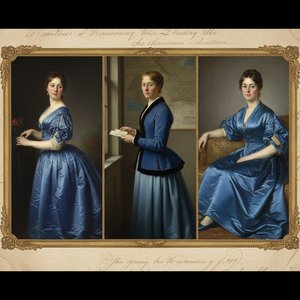
Azure Visions: Exploring Representations of the Blue Dress in Western Art History
Explore the rich history of the blue dress in Western art! Discover its symbolism, from Renaissance masterpieces to modern interpretations by artists like Martin & Schiele. Uncover cultural meanings and artistic techniques.

The Allure of Azure: Exploring the Symbolic & Aesthetic Depths of Blue in Art History
Explore the rich history of blue in art! Discover its symbolism, from ancient pigments to modern masterpieces by Kandinsky & Seurat. Uncover the psychological impact and cultural meanings behind this captivating hue.

A kék árnyalatai: 10 ikonikus festmény a Slate Blue szín jegyében | OriginalUniqueArt.com
Fedezze fel a 10 legikonikusabb festményt, melyeket a Slate Blue szín ural! Monet, Renoir és más mesterek művei inspirálnak. Vászonképek eladás, otthon dekoráció tippek a OriginalUniqueArt.com-on. Explore the full collection online!
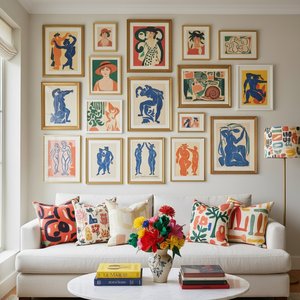
Henri Matisse 25 Mesterműve: Színek és Érzések Világa - OriginalUniqueArt
Fedezze fel Henri Matisse 25 legikonikusabb művét! Ismerje meg a fauvizmus színeit, az expresszionizmus formáit és a modern művészet mesterének életművét. Vászonképek, nyomatok – inspiráció otthonába a OriginalUniqueArt.com-on!