

 Megtekintés
 Küldés
 Megosztás
 Részletek

 Letöltés
 Hasonló darabok
 X-ray felvétel
 Diavetítés
 Statisztika
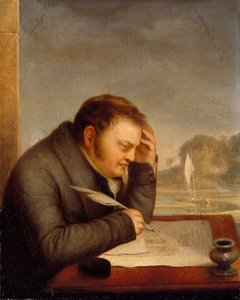
Waterfall (Study)
 29.0 x 27.0 cm
 Kunsthalle Bremen
 Összes részlet megjelenítése
Vásároljon nagy felbontású, javított digitális képet, amely minőségében messze felülmúlja az online előnézetet.
Minden fájlt szakembereink a legmodernebb eszközök és precíz, kézi retusálás segítségével készítenek el aprólékosan. Gondoskodunk arról, hogy minden kép kivételes tisztasággal, pontos színhelyességgel és részletgazdag finomsággal rendelkezzen.
A végleges fájl 72 órán belül e-mailben megérkezik, professzionális, szerkesztői és nyomtatási környezetbe optimalizálva az azonnali használathoz. Ez ugyanaz a minőség, amelyben a legmeghatározóbb tervezőstúdiók, kiadók és galériák is megbízhatnak.
Digitális kép
Töltsön le nagy felbontású fájlt személyes kiállításokhoz, nyomtatáshoz és kreatív projektekhez. ( Áttérés Nyomtatványra Kézzel festett másolat rendelése)
Minden digitális kép rendeléséhez tartozó extrák
Szakértői digitális kézbesítés, garantáltan
Amikor a OriginalUniqueArt.com szolgáltatást választja, nem csupán egy képet kap – professzionálisan felmagasított digitális műalkotást kap, amely precizitással készült, és amelyet megelégsedési gwarancia tesz biztoslássá. Az alábbiakban automatikusan minden benne 】

Gyors e-mail teslimítés
A nagy felbontású digitális képmásolatát a megrendelést követő 72 órán belül e-mailben elküldjük Önnek – azonnal használható formátumban.

MI-alapú digitális fejlesztésű fájl
Műve professzionális módon kerül optimalizálásra fejlett mesterséges intelligencia eszközök és manuális szerkesztés segítségével, biztosítva a maximális részletességet, tisztaságot és színpontosságot.

Örök életű ingyenes újradelivery
Véletlenül törölted vagy elvesztetted a fájlodat? Ne aggódj – bármikor ingyen újra megküldjük neked.

Nincs importköltség – soha
Élvezze műalkotásait azonnal, vám, illeték vagy szállítási költség nélkül – a digitális letöltések mindig adamentesek.

Színpontosság garantálása
Professzionális eszközök és színkezelés segítségével garantáljuk, hogy digitális képe a lehető legpontosabban tükrözze az eredeti színeket.

100 napos elégedettségi garancia
Ha nemມີ elégedett a digitális képével, 100 napon belül felülvizsgáljuk vagy 100% visszatérítjük az amountot – kérdés बिना.

100% Pénzvisszatérítési garancia
Nem tetszett a vásárlás? 100 napon belül teljes visszatérítést garantálunk a digitális fájl megvételétől számítva – kérdés बिना.

Tömegrendelési kedvezmények
Vásároljon 3 képet, spóroljon 10%-et - Vásároljon 5-öt, spóroljon 15%-et - Vásároljon 10+ képet, spóroljon 20%-at. Kiváló kreatív projektekhez, galériákhoz és ügynökségekhez.
A művész életrajza
The Soul of the Venetian Horizon: The Life and Art of Friedrich Nerly
Friedrich Nerly, a master of the German Romantic tradition, possessed an extraordinary ability to translate the ephemeral light of the Mediterranean into enduring oil on canvas. Born in 1808 in Erfurt, Germany, Nerly’s artistic journey was deeply rooted in a lineage of landscape mastery. His earliest instruction came from his father, a respected painter who instilled in him a reverence for the natural world and a technical precision that would later define his career. This foundational training prepared him for his transformative move to Italy, where he sought to capture the sublime atmosphere of the Venetian landscape. Enrolling at the Academy of Fine Arts in Venice, Nerly studied under luminaries such as Eugène de Blaas, Federico Moja, and Pompeo Mariano Molmenti, absorbing the nuances of light, shadow, and architectural grandeur that characterize the veduta tradition.
The essence of Nerly’s work lies in his profound connection to the Italian coast and its shifting atmospheres. His travels were not merely geographical expeditions but spiritual quests for beauty. From the dramatic coastal vistas of Olevano to the bustling maritime scenes of the Adriatic, Nerly’s brush captured the intersection of human endeavor and the overwhelming power of nature. His military service in the mid-19th century briefly interrupted his creative flow, yet the diverse landscapes he encountered across Europe—from the forests of Weimar to the urban centers of Munich and Dresden—only served to enrich his visual vocabulary. This period of movement allowed him to refine a style that blended meticulous detail with an evocative, almost melancholic, atmospheric perspective.
Mastery of Light and Landscape
Nerly’s oeuvre is characterized by a remarkable versatility in subject matter, ranging from intimate coastal studies to sweeping architectural panoramas. His technique often employed a rich, textured application of paint to convey the weight of stone or the translucency of water. In works such as "Old Elms," one can witness his ability to manipulate shadow and depth, creating a sense of timelessness through towering trees and moody, darkened compositions. Conversely, his maritime paintings demonstrate a lighter touch, where the sun-drenched surfaces of the sea reflect the vibrant life of the Adriatic. His talent for capturing the veduta—the detailed view of a city or landscape—allowed him to document the architectural splendor of places like Palermo and Rome with both historical accuracy and romantic flair.
The emotional resonance of his work is perhaps most evident in his depictions of labor and movement within the landscape. In "Transporting Marble to the Sculptor Thorvaldsen in Rome," Nerly presents a dramatic narrative of human effort set against a somber, classical backdrop, utilizing a balanced composition to highlight the tension between man and material. His ability to weave together these elements—the monumental and the minute—is what elevates his work from mere documentation to high art. This skill earned him significant acclaim among the European elite, with his masterpieces finding homes in prestigious collections, including those of Emperor Wilhelm II and the Civic Museum of Danubia.
Legacy and Historical Significance
The historical significance of Friedrich Nerly resides in his role as a bridge between the structured traditions of classical landscape painting and the emotive, atmospheric explorations of the Romantic era. He did not merely paint what he saw; he painted how the light felt upon the skin and how the sea sounded against the shore. His legacy is preserved through several key artistic contributions:
- The Refinement of the Venetian Veduta: Nerly breathed new life into the architectural panorama, infusing it with a sense of movement and atmospheric depth that moved beyond static representation.
- A Pan-European Vision: By integrating the influences of German Romanticism with Italian luminosity, he created a unique visual language that resonated across borders.
- Documentary Beauty: His works serve as vital historical records of 19th-century Mediterranean life, capturing coastal vistas and urban landscapes before the onset of modern industrialization.
Today, Nerly’s paintings continue to captivate collectors and historians alike, standing as testaments to a period when art sought to find the divine within the natural world. His ability to freeze a fleeting moment—a wave breaking, a shadow lengthening, or a ship approaching the harbor—ensures that his vision of a romanticized, luminous Italy remains eternally vibrant.
Friedrich Nerly
1808 - 1878 , Germany
Érdekességek
- Artistic Movement Or Style: Romantic Painting
- Artists Or Movements Influenced By This Artist: ['Venetian Vedute']
- Artists Who Influenced This Artist:
- Eugene De Blaas
- Federico Moira
- Pompeo Mariano Molmenti
- Date Of Birth: 1808
- Full Name: Friedrich Nerly
- Nationality: German
- Notable Artworks:
- Fishing in the Gulf of Siracusa
- I Bragozzi Dell' Adriatico
- Palermo, Veduta
- Place Of Birth: Erfurt, Germany