

 Előnézet
 Megosztás
 Megosztás
 Részletek
 Útmutató

 Letöltés
 Hasonló darabok
 X-ray felvétel
 Diavetítés
 Statisztika
River Landscape
 Oil On Canvas
- WallArt
- Romanticism
 19th Century
 79.0 x 95.0 cm
 Ashmolean Múzeum
 Tovább olvasom
Giclée / Műnyomat
Múzeumi minőségű giclée vagy vászonnyomat, gyors gyártással és rugalmas finomítási lehetőségekkel. ( Kézzel festett másolat vásárlása Áttérés digitális képre)




P118B Ft10

P118H Ft10

P118W Ft10

P438Z Ft10

P508JH Ft12

P508YH Ft12

P805H Ft10

P805Z Ft10

P919BZ Ft10

P919G Ft10

P919XJ Ft10

P959ZH Ft10

P968JZ Ft12

W106C Ft8

W218G Ft10

W218JH Ft8

W218Y Ft10

W307PJ Ft10

W316G Ft10

W316PJ Ft8

W316Y Ft10

W398PJ Ft8

W4111J Ft10

W500HY Ft15

W500JH Ft15

W692G Ft12

W849H Ft8

W940BG Ft15

W953PJ Ft8




Válasszon előre meghatározott méreteink közül, amelyek megfelelnek a műalkotás eredeti arányainak.

Írja be a keretének vagy a falának megfelelő szélességet és magasságot. A nyomatot csak le lehet vágni, soha nem tehető nagyobbá, mint az eredeti kép, így egy eltérő alakú méretnél a kép egy része elveszik. Mielőtt bármit kinyatintanánk, küldünk egy digitális próbamodellt jóváhagyásra. Az oldalon látható kép nem tartalmazza a valós levágást — ezt csak a próbamodell mutatja meg.
Világszerte történő kiszállítás területére mindössze 2 hét alatt, a szokásos 4-5 hét helyett. (22 október)

Ingyenes globális expressz szállítás

Prémium minőségű len vászon

Teljes körű szállítási biztosítás

Vámvisszatérítési Garancia

Tökéletes színarányosság garancia

100 napos visszaküldési garancia (csak gyártási hibás termékek esetén)

100% pénzvisszatérítési garancia

Több darab vásárlásakor kedvezmény
 Az üvegkeretes opció csak 110 cm alatti méretben érhető el

River Landscape
Giclée / Műnyomat
Reprodukció méretei
-


Összesített ár
Ft 25565
A Symphony of Serenity: The Timeless Allure of River Landscape
In the quietude of Frederick Waters Watts’ River Landscape, one finds more than just a depiction of the English countryside; one encounters a profound meditation on peace. This exquisite oil painting invites the viewer into a world where time seems to decelerate, anchored by the gentle flow of a river and the sturdy presence of a rustic bridge. The composition is masterfully balanced, utilizing a prominent tree on the right to frame the vista, guiding the eye with effortless grace toward the soft, receding horizons. It is a scene that speaks to the soul of the Romantic era, capturing that fleeting moment when nature exists in perfect, undisturbed harmony.
The technical execution of this piece reveals Watts’ deep connection to the Constableian tradition. Through a delicate application of oil on canvas, the artist achieves a breathtaking atmospheric perspective. There is no harshness here; instead, the edges of the foliage and the distant hills are softened by a subtle, luminous haze that suggests a humid, tranquil afternoon. The color palette—a sophisticated arrangement of muted greens, deep blues, and earthy browns—works in concert to create a sense of depth and realism. Each brushstroke, though visible, serves the greater purpose of blending light and shadow, creating a texture that feels as fluid as the water itself.
The Art of Atmosphere and Emotional Resonance
Beyond its technical brilliance, River Landscape functions as an emotional sanctuary. For the collector or interior designer, this artwork offers a unique opportunity to introduce a sense of "quiet luxury" and contemplative calm into a living space. The organic shapes of the rolling hills and the rhythmic curves of the riverbanks evoke a primal connection to the natural world, making it an ideal centerpiece for rooms designed for relaxation and reflection. There is no overt symbolism required to understand its impact; the mere presence of such a bucolic scene provides an immediate sense of stability and pastoral beauty.
As a high-quality reproduction, this piece brings the heritage of 19th-century British landscape art into the modern home. It serves as a window into a bygone era of English rural life, where the connection between man, architecture, and nature was seamless. Whether placed in a sunlit study or a sophisticated lounge, the painting’s soft, diffused lighting and tranquil mood act as an anchor, providing a timeless aesthetic that transcends fleeting decor trends. To possess such a work is to hold a fragment of history—a piece of the English countryside captured forever in a state of eternal grace.
Gyakran Ismételt Kérdések
Kinek ajánlható ajándékként a „River Landscape”, Waters, Frederick (William) alkotása?
A "River Landscape" kiváló ajándékajánlat Anniversary, ha a Accent szempontját kell figyelembe venni.
Milyen érzést közvetít ajándékként a "River Landscape"?
A "River Landscape" Calm érzetet áraszt, ajándékként pedig Anniversary ajánljuk.
Hogyan ötvöli a technika és a stílus magát a "River Landscape" alkotást?
A "River Landscape" alkotásban a Oil On Canvas technika találkozik a Romanticism irányzattal.
A művész életrajza
Az angol pastoral vízi látása: Frederick Waters Watts életútja és öröksége
A viktoriánus művészet krónikáiban kevés név idézi fel az angol vidéki táj csendes, lélegző esszenciáját úgy, mint Frederick Waters Watts. 1800-ban, a történelmi Bath városában született Watts olyan festőként debütált, akinek munkássága mély hídként szolgált a huszonhetedik század elejének vad tereptárlyaság és a későbbi viktoriánus korszak kifinomult esztétikum között. Bár személyes története nagy része még mindig az idő lágy ködében rejtőzik – mivel a származására és pontos halálidejére vonatkozó életrajzi részleteket a történészek gyakran vitatják –, művészi jelenléte megkérdőjelezhetetlen. Ő nem csupán tájakat festett; ő a vidéki táj lelkét örökítette meg, minden folyómenti kanyart és napsütötte rézt a tartós béke érzésével árasztva.
Watts nagyságának alapja John Constable műveivel való mély, szinte spirituális kapcsolata volt. Amikor 1817-ben belépett a londoni Royal Academy Schools-ba, Watts azt törekedte, hogy elsajátítsa a fény és a légkör finom összetettségét, amely a Constable-stílust meghatározta. Korai sikerei, beleértve az 1819 és 1821 között elért ezüst medálokat, egy olyan tehetség érkezését jelezték, amely képes volt a mély megfigyelésre. Felvállalta az en plein air, vagyis a szabadban festés gyakorlatát, közvetlenül a természettel dolgozva, hogy az áthaladó felhők múló árnyalatait vagy egy patak csillogó tükröződését tartós olajfestménnyé és vászonná alakítsa. A közvetlen megfigyelés iránti ragaszkodása lehetővé tette számára, hogy túlmutasson a puszta utánzáson, olyan stílust fejlesztve ki, amely egyszerre volt szoros kapcsolatban a földdel és emelt, poetikus érzékiséggel árasztott.
A fény és az angol táj mesterítése
Watts teljes munkálata, amely körülbelül 380 festményből áll, Anglia legidillibb pillanatainak hatalmas galériájaként szolgál. Technikai tudásának legfőbb bizonyítéka a fény manipulálása, amellyel mélységet és érzelmi rezonanciát teremtett. Legyen szó a Medway folyó nyugodt vizeiről vagy Cumberland vad szépségéről, Watts olyan palettát használt, amely a természet világának organikus tónusait ünnepelte. Kompozícióit gyakran jellemzik:
- Légköri mélység: A köd és a fény mesteri használata az angol horizont végtelen távolságainak sugallására.
- Folyóparti nyugalom: A víz bonyolult ábrázolása, ahol az áramlatok mozgása és a tükröződések játéka élő mozgás érzékét kelti.
- Bukolikusi báj: Finom emberi elemek megjelenítése – egy távoli alak, egy legelőn álló marha vagy egy rusztikus híd –, amelyek a hatalmas tájképeket elérhető, pastoral valóságba ágyazzák.
A tiszta naturalizmuson túlreszt van a munkái alatt egy szimbolikus alsó áramlat, amely mélyebb, kontemplatív szellemet sugall. Egyes tudósok későbbi felfedezéseit az Aszéticizmus szemszögéből tekintik, megjegyezve, hogy tájképei képesek túlmutatni a puszta földrajzi ábrázoláson, hogy a béke, a remény és az élet körforgásának allegorikus meditációiv váljanak. Ez a kettősség – a képesség, hogy egyszerre legyen a természet pontos megfigyelője és a poetikus igazságok álmodozója – különbözteti meg munkáját kortársaitól.
Történelmi jelentőség és maradandó hatás
Hosszú pályája során, amely során az 1860-as évekig a Royal Academy és a British Institution falai között kiállított, Watts állandó jelenlétet biztosított a londoni művészeti életben. Képes volt navigálni a viktoriánus korszak változó ízlétén – az évszázad elejének nehéz romantikájától a későbbi évek finomabb, szimbolikus megközelítései felé –, ami biztosította tartós relevanciáját. Bár egy gyors iparosodás idején élt, amely fenacezette az általa szeretett tájakat is, festményei egy elveszett, iparosodás előtti Anglia menedékét jelentik.
Napjainkban Frederick Waters Watts öröksége tovább él olyan tekintélyes intézmények gyűjtéseiben, mint a Tate, ahol művei ma is csodálatot ébresztenek. Fontos alak marad mindenkinek, aki meg akarja érteni az angol tájképfestészet fejlődését. Életműve tanúbizonyság a megfigyelés erejére és a természet világának maradandó szépségére, emlékeztetve minket arra, hogy egy folyón tükröződő fény legátlósabb pillanatában is létezik egy mély és örök méltóság.

Waters, Frederick (William)
1800 - 1870 , Egyesült Királyföld
Gyors információk
- Artistic Movement Or Style: Romantikus tájképfestészet
- Artists Or Movements Influenced By This Artist: ['John Constable']
- Artists Who Influenced This Artist: ['John Constable']
- Date Of Birth: 1800. 7. október
- Date Of Death: 1870. 4. július
- Full Name: Frederick Waters Watts
- Nationality: Brit
- Notable Artworks:
- A Shepherd és a szalagoszíj
- Untitled (1392)
- Place Of Birth: Bath, Egyesült Királyság
Kapcsolódó cikkek

John Constable 25 Mesterműve: A Természet Lényege Vászonon – OriginalUniqueArt.com
Fedezze fel John Constable 25 legszebb művészeti alkotását! Ismerje meg a romantika ikonikus tájképeit, Dedham Vale szépségét és a természet lenyűgöző ábrázolásait. Vászonkép reprodukcióinkkal eleganciát csempészhet otthonába – OriginalUniqueArt.com
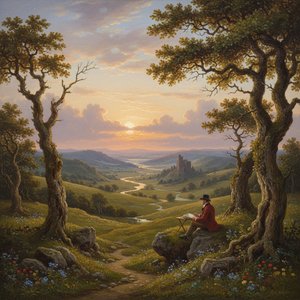
John Varley I: Intimate Observation & the British Romantic Landscape
Explore the serene landscapes of John Varley I, a key figure in British Romanticism. Discover his unique watercolour style, collaboration with William Blake & lasting artistic legacy. Learn about collecting Varley's work.

A Romantikus Tájképfestészet 10 Legikonikusabb Műalkotása – OriginalUniqueArt.com
Fedezze fel a romantikus tájképfestészet 10 legikonikusabb műalkotását! Caspar David Friedrich, J.M.W. Turner és más mesterek festményeinek története – inspiráló olajfestmények otthonába. OriginalUniqueArt.com: múzeumi minőségű reprodukciók és egyedi dekorációk online.
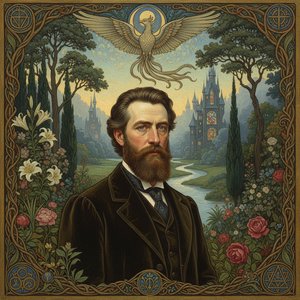
Frederick Waters Watts: A Victorian Vision of Aestheticism & Spiritual Symbolism
Explore the captivating world of Frederick Watts, a key Victorian painter blending aestheticism & spiritual symbolism. Discover his allegorical masterpieces like 'Hope' and delve into his artistic journey with OriginalUniqueArt.

Evoking Nature's Sublime: A Comprehensive Exploration of 19th-Century Landscape Painting
Explore the captivating world of 19th-century landscape painting! Discover renowned artists like Friedrich & Monet, key movements, and find the perfect artwork to bring nature's serenity into your home. Expert insights at OriginalUniqueArt.
