
 Előnézet
 Megosztás
 Megosztás
 Részletek
 Útmutató

 Letöltés
 Hasonló darabok
 X-ray felvétel
 Diavetítés
 Statisztika
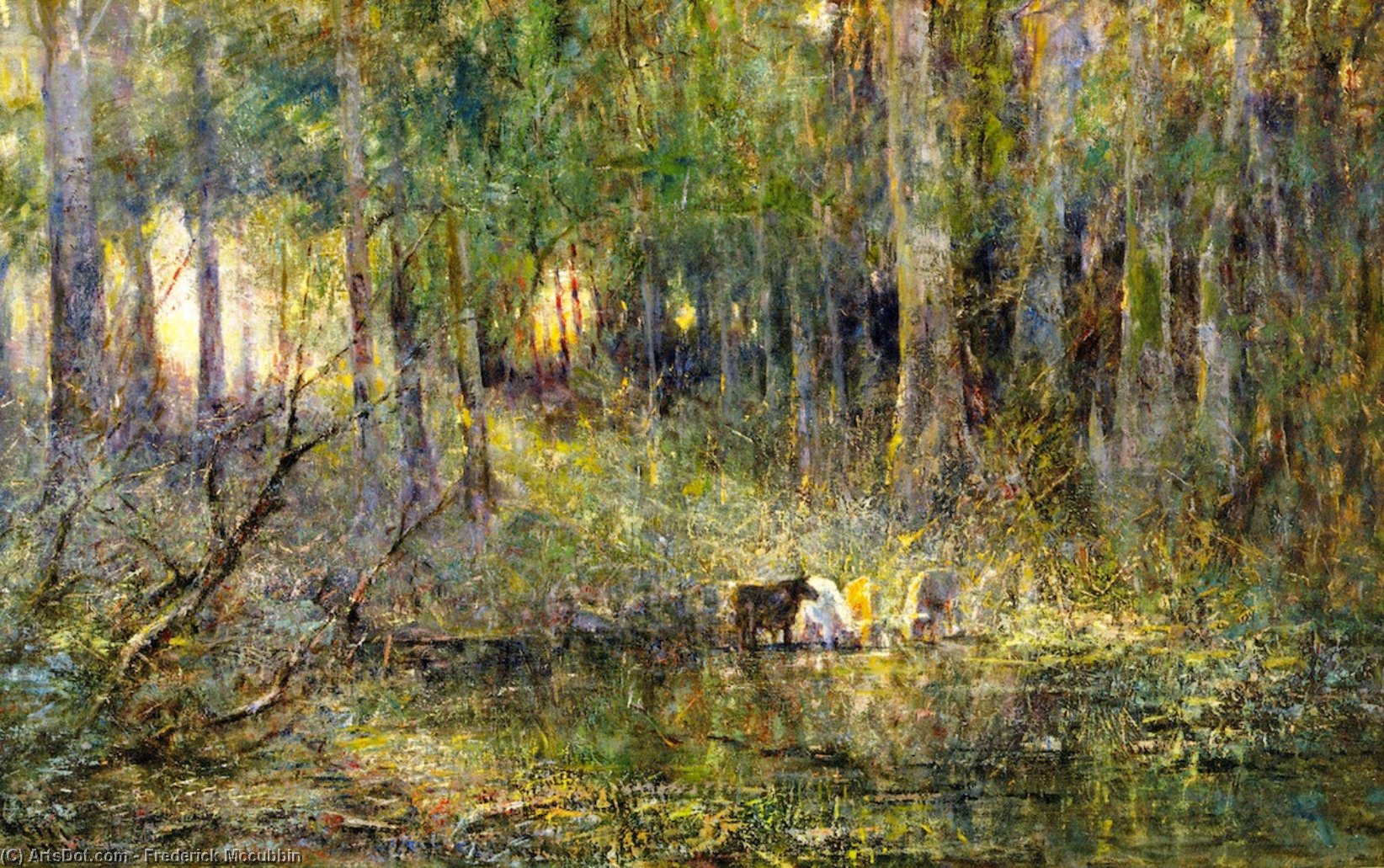
Violet and Gold
 Australian Impressionism
 1911
1911 72.0 x 130.0 cm
 Tovább olvasom
Giclée / Műnyomat
Múzeumi minőségű giclée vagy vászonnyomat, gyors gyártással és rugalmas finomítási lehetőségekkel. ( Kézzel festett másolat vásárlása Áttérés digitális képre)




P118B Ft10

P118H Ft10

P118W Ft10

P438Z Ft10

P508JH Ft12

P508YH Ft12

P805H Ft10

P805Z Ft10

P919BZ Ft10

P919G Ft10

P919XJ Ft10

P959ZH Ft10

P968JZ Ft12

W106C Ft8

W218G Ft10

W218JH Ft8

W218Y Ft10

W307PJ Ft10

W316G Ft10

W316PJ Ft8

W316Y Ft10

W398PJ Ft8

W4111J Ft10

W500HY Ft15

W500JH Ft15

W692G Ft12

W849H Ft8

W940BG Ft15

W953PJ Ft8




Válasszon előre meghatározott méreteink közül, amelyek megfelelnek a műalkotás eredeti arányainak.

Írja be a keretének vagy a falának megfelelő szélességet és magasságot. A nyomatot csak le lehet vágni, soha nem tehető nagyobbá, mint az eredeti kép, így egy eltérő alakú méretnél a kép egy része elveszik. Mielőtt bármit kinyatintanánk, küldünk egy digitális próbamodellt jóváhagyásra. Az oldalon látható kép nem tartalmazza a valós levágást — ezt csak a próbamodell mutatja meg.
Világszerte történő kiszállítás területére mindössze 2 hét alatt, a szokásos 4-5 hét helyett. (21 október)

Ingyenes globális expressz szállítás

Prémium minőségű len vászon

Teljes körű szállítási biztosítás

Vámvisszatérítési Garancia

Tökéletes színarányosság garancia

100 napos visszaküldési garancia (csak gyártási hibás termékek esetén)

100% pénzvisszatérítési garancia

Több darab vásárlásakor kedvezmény
 Az üvegkeretes opció csak 110 cm alatti méretben érhető el

Violet and Gold
Giclée / Műnyomat
Reprodukció méretei
-


Összesített ár
Ft 25277
The Painting's Composition
The painting measures 72 x 130 cm and features a serene forest setting. Two individuals are seated on the ground in front of trees, possibly enjoying each other's company or taking a break from their activities. Three dogs are also present in the image, one near the left side and two others closer to the right side of the painting. The overall atmosphere is peaceful, with humans and animals coexisting harmoniously within the natural environment.Color Palette and Technique
The colors used in Violet and Gold are rich and vibrant, adding depth and life to the scene. McCubbin's skillful use of oil on canvas creates a sense of texture and dimensionality, drawing the viewer into the tranquil world he has depicted.Artist's Background
Frederick McCubbin was an Australian artist known for his landscapes and portraits. His work often explored themes of nature and human interaction with the environment. Violet and Gold is a prime example of his ability to capture the beauty and serenity of the natural world.Other Notable Works by McCubbin
Some of McCubbin's other notable works include:Conclusion
Violet and Gold by Frederick McCubbin is a beautiful representation of nature, showcasing the artist's skill in capturing serene and peaceful scenes. The painting is a testament to McCubbin's contribution to Australian art and his ability to evoke emotions through his work. For those interested in exploring more about the National Gallery of Australia and its collections, visit The National Gallery of Australia, a Cultural Treasure.Gyakran Ismételt Kérdések
Mely művészeti irányba és mely korszakba sorolható a „Violet and Gold”, Frederick McCubbin alkotása?
A „Violet and Gold” a Australian Impressionism irányzat alkotása, készítője pedig a 19. század korszakban tevékenykedett.
Milyen összefüggésben áll a "Violet and Gold" témája Frederick McCubbin megszokott motíveivel?
Frederick McCubbin ismétlődő témái közé tartozik a australian landscape art, rural life depiction", mccubbin's regional focus, nature and humanity, "simple, peaceful scenes", domestic tranquility, regional identity; a „Violet and Gold” fókuszál a australian landscape, rural life painting, forest scene art, dogs in artwork, mccubbin’s style”, “violet and gold hues”, peaceful countryside” témakörre.
„Violet and Gold”, Frederick McCubbin alkotása egy világos vagy egy sötét tónusú alkotás?
A „Violet and Gold”, Frederick McCubbin alkotása érzetelt fényessége balanced. Ez összehangolható az adott tér világításával.
A művész életrajza
A Life Rooted in the Australian Landscape
Frederick McCubbin, born in Melbourne on February 25th, 1855, stands as a cornerstone of Australian art, inextricably linked to the nation’s evolving identity and its unique visual language. His journey from humble beginnings – the son of bakers who instilled in him a strong work ethic – to becoming a pivotal figure in the Heidelberg School is a testament to his dedication and artistic vision. McCubbin's early life was marked by diverse experiences, working as a solicitor’s clerk and assisting in the family bakery before fully embracing his calling as a painter. These formative years, though seemingly disparate, imbued him with a deep understanding of everyday Australian life, a theme that would resonate profoundly throughout his oeuvre. He received foundational training at the National Gallery of Victoria's School of Design, studying under esteemed artists like Eugene von Guerard and George Folingsby, honing his skills in landscape painting while absorbing the prevailing artistic currents of the time. A crucial turning point arrived with his enduring friendship with Tom Roberts, a bond that would shape the course of Australian art history.The Heidelberg School and Defining a National Aesthetic
In 1885, McCubbin and Roberts established the Box Hill Artists' Camp, a landmark event in the development of the Heidelberg School movement. This plein air collective – soon joined by Arthur Streeton and Charles Conder – sought to capture the essence of Australian life and landscapes with an unprecedented immediacy and authenticity. Rejecting the conventions of European academic painting, they ventured into the bush, embracing the raw beauty and harsh realities of the Australian environment. McCubbin’s contributions during this period were instrumental in defining a distinctly Australian aesthetic. His works from this era, such as Down on His Luck (1889), On the Wallaby Track (1896), and The Pioneer (1904), are now iconic representations of pioneering life, depicting the struggles and resilience of early settlers against the backdrop of a vast and often unforgiving landscape. These paintings weren’t merely depictions of scenery; they were narratives imbued with social commentary, exploring themes of solitude, hardship, and the complex relationship between European settlers and the Indigenous land. Heidelberg School artists aimed to paint what was uniquely Australian, moving away from imported styles and subjects. They prioritized capturing light and atmosphere—the way sunlight filtered through eucalyptus trees—creating images that felt alive and emotionally charged. McCubbin’s palette favored earthy tones – ochres, browns, greens – reflecting the colors of the bush itself.Evolution of Style and a Continued Exploration of Identity
While deeply committed to capturing the spirit of Australia, McCubbin wasn’t immune to external influences. A pivotal journey to Europe in 1907 exposed him to the works of J.M.W. Turner and French Impressionists, prompting a subtle yet significant shift in his artistic approach. He began experimenting with freer brushwork, lighter colors, and a more abstracted style, evident in later paintings like An Interior, which many critics consider among his strongest achievements. This evolution wasn’t a rejection of his earlier themes but rather a refinement of his ability to convey emotion and atmosphere. He continued to depict scenes of rural life—farmers tending their crops, families gathering around the hearth—often focusing on the interplay between light and shadow, creating works that are both visually stunning and emotionally resonant. McCubbin’s technique developed over time, becoming looser and more expressive as he matured. He moved away from meticulous detail, prioritizing capturing the mood of a particular moment or place.Legacy and Enduring Influence
Frederick McCubbin’s impact on Australian art is undeniable. His work is held in prestigious collections, including the National Gallery of Victoria and the Art Gallery of Ballarat, ensuring his legacy endures for generations to come. He served as a mentor to countless aspiring artists, both through his teaching position at the National Gallery School and through his influence as a leading figure in the art community. He was president of the Victorian Artists’ Society and played a key role in establishing the Australian Art Association. McCubbin's contribution extends beyond his individual paintings; he helped establish a national artistic identity, fostering a sense of pride in Australia’s unique landscape and culture. His ability to capture the essence of Australian life – its beauty, hardship, and resilience – has cemented him as one of Australia’s most important and beloved painters, whose works continue to resonate with audiences today, offering poignant glimpses into the nation’s past and enduring reflections on the human spirit. He remains celebrated as a pioneer who championed an honest portrayal of the Australian experience, shaping the visual language of the country for decades to come.
Frederick McCubbin
1855 - 1917 , Ausztália
Gyors információk
- Artistic Movement Or Style: Impressionism
- Artists Or Movements Influenced By This Artist: ['Heidelberg School']
- Artists Who Influenced This Artist:
- Eugene von Guerard
- George Folingsby
- Date Of Birth: Feb 25, 1855
- Date Of Death: Dec 20, 1917
- Full Name: Frederick McCubbin
- Nationality: Australian
- Notable Artworks:
- On the Wallaby Track
- Down on His Luck
- The Pioneer
- Place Of Birth: Melbourne, Australia
Kapcsolódó cikkek

Evocations of Place: A Historical Journey Through Landscape Art
Explore the rich history of landscape art with OriginalUniqueArt. Discover renowned artists, movements like Impressionism & Romanticism, and expert guidance for collecting timeless pieces. Find your perfect serene escape today!
Evoking Nature's Sublime: A Comprehensive Exploration of 19th-Century Landscape Painting
Explore the captivating world of 19th-century landscape painting! Discover renowned artists like Friedrich & Monet, key movements, and find the perfect artwork to bring nature's serenity into your home. Expert insights at OriginalUniqueArt.

John Constable 25 Mesterműve: A Természet Lényege Vászonon – OriginalUniqueArt.com
Fedezze fel John Constable 25 legszebb művészeti alkotását! Ismerje meg a romantika ikonikus tájképeit, Dedham Vale szépségét és a természet lenyűgöző ábrázolásait. Vászonkép reprodukcióinkkal eleganciát csempészhet otthonába – OriginalUniqueArt.com

A Romantikus Tájképfestészet 10 Legikonikusabb Műalkotása – OriginalUniqueArt.com
Fedezze fel a romantikus tájképfestészet 10 legikonikusabb műalkotását! Caspar David Friedrich, J.M.W. Turner és más mesterek festményeinek története – inspiráló olajfestmények otthonába. OriginalUniqueArt.com: múzeumi minőségű reprodukciók és egyedi dekorációk online.

Evocations of Place: A Historical Journey Through Landscape Art
Explore the rich history of landscape art with OriginalUniqueArt. Discover renowned artists, movements like Impressionism & tonalism, and expert guidance for collecting timeless pieces. Find your perfect serene escape today!
