 Előnézet
 Megosztás
 Megosztás
 Részletek

 Letöltés
 Hasonló alkotások
 X-ray felvétel
 Diavetítés
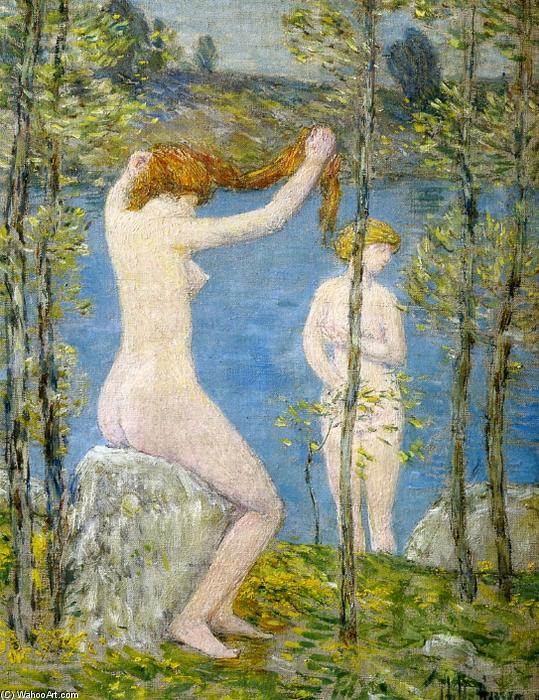
Untitled (Study for 'Bathers')


 Tovább olvasom
Kézzel készített olajfestmény reprodukció
Kézzel festett olajvastú vászon, az Ön által választott méretben és keretben, művészeink készítik meglévőre. ( Váltás nyomtatványra Képváltás)




P118B $10

P118H $10

P118W $10

P438Z $10

P508JH $12

P508YH $12

P805H $10

P805Z $10

P919BZ $10

P919G $10

P919XJ $10

P959ZH $10

P968JZ $12

W106C $8

W218G $10

W218JH $8

W218Y $10

W307PJ $10

W316G $10

W316PJ $8

W316Y $10

W398PJ $8

W4111J $10

W500HY $15

W500JH $15

W692G $12

W849H $8

W940BG $15

W953PJ $8




Válasszon előre meghatározott méreteink közül, amelyek megfelelnek a műalkotás eredeti arányainak.

Ön megadhat saját méreteket egy adott kerethez vagy térhez igazításhoz. Ha a kiválasztott méret nem egyezik az eredeti kép arányával, akkor a műalkotást levágjuk, vagy további kézzel festett elemekkel meghosszabbítjuk a festményt. A gyártás megkezdése előtt küldünk Önnek egy digitális előnézetet jóváhagyásra.
Kérjük, vegye figyelembe, hogy a képernyőn megjelenő előnézet nem tükrözi a tényleges vágást vagy kiterjesztést. Csak az előnézet fog pontosan mutatni a végső kompozíciót.
Bár egyedi méretek állnak rendelkezésre, javasoljuk, hogy válasszon egy méretet az előre meghatározott listából az eredeti arányok megőrzése érdekében.
A rendelést követően a OriginalUniqueArt.com csapata e-mailt küld az ügyfélnek az instrukciókért, és biztosít egy előnézeti képet (mockup).
Világszerte elérhető szállítás () 3-4 hét alatt a szokásos 5 hét helyett. (8 augusztus). A minőség nem kérdőjelezhető.

Ingyenes globális expressz szállítás

Prémium minőségű len vászon

Teljes szállítási biztosítás

Vámvisszatérítési Garancia

Tökéletes színpontosság garancia

60 napos visszaküldési lehetőség (csak gyártási hibák esetén)

100%-os pénzvisszatérítési garancia

Kedvezmény több termény esetén
 Az üvegkeretes opció csak 110 cm alatti méretben érhető el

Untitled (Study for 'Bathers')
Reprodukciós technika
A reprodukció mérete
-


Összesített ár
$ 300
A műalkotás leírása
Frederick Childe Hassam: Capturing Tranquility in ‘Untitled (Study for ‘Bathers’)
Frederick Childe Hassam’s “Untitled (Study for ‘Bathers’)”, painted in 1902, stands as a quintessential example of American Impressionism—a movement that sought to depict the fleeting beauty of everyday life and landscapes with unprecedented vibrancy. Unlike European artists preoccupied with grand narratives and meticulous realism, Hassam focused on capturing the sensory experience of his surroundings, prioritizing atmosphere and light above all else. This dedication to observation is immediately apparent in the painting’s composition: two nude figures repose gracefully amidst a lush riverside scene, bathed in the diffused glow of an overcast day. The stylistic hallmarks of Impressionism are unmistakable—loose brushstrokes dance across the canvas, creating textured surfaces that shimmer with color and movement. Hassam eschewed traditional perspective, flattening the image to emphasize immediacy and capturing the viewer’s eye as it wanders through the scene. The artist skillfully employs layering techniques, applying thin washes of pigment over thicker impasto strokes to build up depth and create a palpable sense of materiality. This deliberate disregard for academic conventions reflects Hassam's belief that art should strive to mirror the world around us—not merely represent it accurately but evoke emotion and capture its essence. The color palette is dominated by muted greens and blues, mirroring the tranquil waterscape and reflecting the prevailing weather conditions. Touches of ochre and yellow lend warmth to the composition, highlighting the subtle contours of rocks and foliage. The artist’s careful attention to tonal variation contributes significantly to the painting's emotional impact—the soft light casts long shadows, creating a mood of contemplative serenity. There is an undeniable stillness in the figures themselves; one woman delicately dries her hair while the other gazes out at the vista with quiet contemplation. This posture speaks volumes about the artist’s desire to convey not just visual beauty but also psychological nuance. Beyond its aesthetic qualities, “Untitled (Study for ‘Bathers’)” carries symbolic resonance. The water—often interpreted as representing purity and transformation—flows serenely beneath the trees, symbolizing continuity and renewal. Hassam's choice of subject matter – nude figures in a natural setting – aligns with the broader Impressionist preoccupation with portraying human experience within its environment. It’s a celebration of beauty found in simplicity, inviting viewers to pause and appreciate the quiet grandeur of the natural world. The painting’s enduring appeal lies in its ability to transport us back to a moment in time—a snapshot of American artistic idealism at the turn of the century. Hassam's masterful technique and evocative vision continue to inspire artists and collectors alike, cementing “Untitled (Study for ‘Bathers’)” as a masterpiece of Impressionist art and a testament to the transformative power of observation.A művész életrajza
A Pioneer of American Impressionism: The Life and Art of Frederick Childe Hassam
Frederick Childe Hassam, a name synonymous with the vibrant spirit of early 20th-century America, emerged as one of the most significant figures in the development of American Impressionism. Born in Boston on October 17, 1859, his artistic journey was marked by a unique blend of self-taught skill and a deep appreciation for the changing landscape of his nation – from bustling cityscapes to serene coastal scenes. Unlike many of his contemporaries who sought formal training abroad, Hassam’s artistic education unfolded through diligent observation, practical experience as an illustrator for prominent magazines like *Harper's Weekly* and *Scribner’s Monthly*, and a profound connection to the American environment. This early work honed his ability to capture fleeting moments and imbue his compositions with narrative depth – qualities that would become defining characteristics of his distinctive style.Early Years and European Influences
Hassam’s childhood in Dorchester, Massachusetts, instilled within him a love for the natural world and an appreciation for the beauty of everyday life. While his parents initially viewed his artistic inclinations with mild skepticism, they eventually recognized and supported his passion, providing him with early drawing lessons. A pivotal moment in his development came in 1882 when he secured a position as a black-and-white illustrator, allowing him to refine his technical skills and develop a keen eye for detail. Crucially, around 1879, Hassam embarked on a transformative journey – a “study trip” to Europe with his friend Edmund H. Garrett. This excursion profoundly shaped his artistic vision, exposing him to the masterpieces of the Old Masters and introducing him to the burgeoning Impressionist movement in France. He spent time studying in Paris from 1886 to 1889, immersing himself in the techniques of Claude Monet, Edgar Degas, and other leading figures of the era. However, unlike some of his American peers who simply sought to replicate European styles, Hassam skillfully adapted these influences to create a distinctly *American* Impressionism – one that captured the unique light, atmosphere, and social dynamics of his homeland.Capturing Modern America: Urban Landscapes and Beyond
Hassam’s art is instantly recognizable for its luminous quality, achieved through a masterful manipulation of light and color. He wasn't merely copying European techniques; he was translating them to depict the American experience. His paintings frequently depicted scenes of urban life – fashionable ladies strolling along Fifth Avenue in New York City, horse-drawn carriages navigating crowded streets, or quiet moments within domestic interiors. These weren’t simply depictions of places; they were portraits of a rapidly changing society, capturing the vibrancy and dynamism of late 19th and early 20th century America. Works like *The Sonata* (1893) exemplify his ability to evoke mood and atmosphere through subtle color harmonies and delicate brushwork, creating an intimate and contemplative experience for the viewer. His coastal scenes, such as *Gloucester* (1899), demonstrate a similar sensitivity to light and atmosphere, transforming ordinary harbors into shimmering visions of tranquility. He also spent considerable time painting idyllic landscapes in New England, capturing the beauty of rolling hills, dense forests, and sparkling coastlines – subjects that resonated deeply with his own sense of American identity.The Ten American Painters and Artistic Independence
A significant chapter in Hassam’s career was his involvement with “The Ten American Painters,” a group formed in 1897 as a protest against the conservative policies of the Society of American Artists. This collective, which included artists like John Henry Twachtman, Willard Leroy Metcalf, and Edmund Tarbell, aimed to exhibit independently and promote a more progressive approach to art. Hassam served as the first president of The Ten, solidifying his role as a leader within the American art world. This period marked a commitment to artistic independence and a rejection of academic constraints, allowing him and his colleagues to explore their individual styles without compromise. His participation in these independent exhibitions helped to establish Impressionism as a legitimate and respected movement within the United States.The Flag Paintings and Wartime Patriotism
With the outbreak of World War I, Hassam’s artistic focus shifted dramatically. Inspired by a surge of patriotic fervor, he embarked on a series of paintings depicting American flags waving along Fifth Avenue in New York City. These “Flag” paintings, created between 1916 and 1919, are perhaps his most iconic works. They aren't simply representations of national symbols; they are powerful expressions of civic pride and wartime solidarity. The vibrant colors and dynamic compositions convey a sense of energy and optimism amidst the turmoil of global conflict. *Victory Day, May 1919* is a prime example, capturing the jubilant atmosphere of New York City following the armistice. These paintings stand as a testament to Hassam’s ability to translate complex emotions into visually compelling works of art.Legacy and Enduring Influence
Frederick Childe Hassam passed away in East Hampton, New York, on August 27, 1935, leaving behind a vast and influential body of work. His legacy extends far beyond his technical mastery; he played a crucial role in establishing American Impressionism as a distinct artistic movement. He demonstrated that American artists could not only embrace European techniques but also adapt them to create something uniquely their own. His paintings continue to resonate with audiences today, offering glimpses into a bygone era and reminding us of the enduring power of art to capture the spirit of a time and place. Hassam’s influence can be seen in the work of countless artists who followed him, solidifying his position as one of the most important figures in American art history. His dedication to capturing light, color, and the essence of modern life ensures that his paintings will continue to inspire and captivate generations to come.
Childe Hassam
1859 - 1935 , Egyesült Államok
Rövid tények
- Artistic Movement Or Style: Impressionizmus, Tonalizmus
- Artists Or Movements Influenced By This Artist: ['Amerikai Impressionizmus']
- Artists Who Influenced This Artist: ['Claude Monet']
- Date Of Birth: 1859. okt. 17.
- Date Of Death: 1935. aug. 27.
- Full Name: Frederick Childe Hassam
- Nationality: Amerikai Egyesült Államok
- Notable Artworks:
- A Szonáta
- Mt. Beacon
- A Gyöngy doboz
- Gloucester
- Végvárás, április 1919
- Place Of Birth: Boston, USA
Kapcsolódó cikkek
John Frederick Lewis: Orientalism, Detail & Genre Painting in 19th-Century British Art
Explore the captivating Orientalist paintings of John Frederick Lewis! Discover his mastery of detail, genre scenes & influence on 19th-century British art. Learn about his life, techniques & legacy at OriginalUniqueArt.
The Eloquent Body: A Historical Survey of Figure Painting & Representation
Explore the rich history of figure painting from antiquity to the Renaissance! Discover iconic artworks, masterful techniques & enduring symbolism. Find museum-quality reproductions at OriginalUniqueArt.
The Enduring Appeal of Figurative Art: A Historical Survey of Representation, Emotion & Modern Interpretations
Explore the rich history of figurative art from Renaissance masterpieces to contemporary expressions. Discover key artists, movements & collecting insights with OriginalUniqueArt – your trusted source for museum-quality reproductions and expert art guidance.
The Eloquent Body: A Historical & Artistic Exploration of Figures in Painting & Sculpture
Explore the rich history of figure painting & sculpture! Discover classical masterpieces, modern interpretations, and expert insights for art lovers & collectors. OriginalUniqueArt offers museum-quality reproductions.

Ephemeral Visions: Exploring the History & Emotional Resonance of Watercolor Painting
Explore the captivating history of watercolor painting, from ancient techniques to modern masters like Kandinsky & Blake. Discover essential artists, collecting tips & the emotional power of this luminous medium. Expert insights for art enthusiasts.