
 Megtekintés
 Küldés
 Megosztás
 Részletek

 Letöltés
 Hasonló darabok
 X-ray felvétel
 Diavetítés
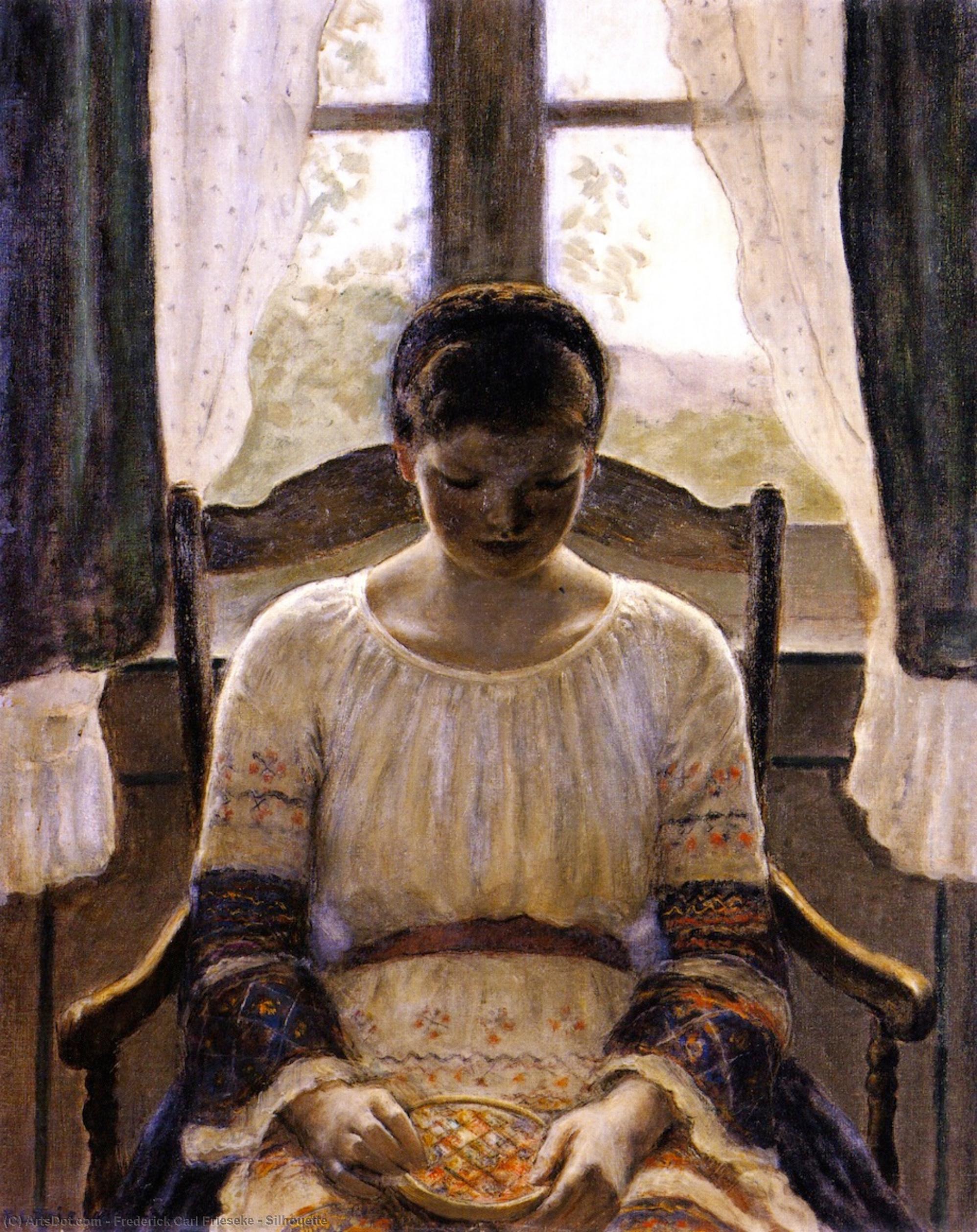
Silhouette


 Összes részlet megjelenítése
Vásároljon nagy felbontású, javított digitális képet, amely minőségében messze felülmúlja az online előnézetet.
Minden fájlt szakembereink a legmodernebb eszközök és precíz, kézi retusálás segítségével készítenek el aprólékosan. Gondoskodunk arról, hogy minden kép kivételes tisztasággal, pontos színhelyességgel és részletgazdag finomsággal rendelkezzen.
A végleges fájl 72 órán belül e-mailben megérkezik, professzionális, szerkesztői és nyomtatási környezetbe optimalizálva az azonnali használathoz. Ez ugyanaz a minőség, amelyben a legmeghatározóbb tervezőstúdiók, kiadók és galériák is megbízhatnak.
Digitális kép
Töltsön le nagy felbontású fájlt személyes kiállításokhoz, nyomtatáshoz és kreatív projektekhez. ( Nyomat rendelése Kézzel festett másolat rendelése)
Minden digitális kép rendeléséhez tartozó extrák
Szakértői digitális kézbesítés, garantáltan
Amikor a OriginalUniqueArt.com szolgáltatást választja, nem csupán egy képet kap – professzionálisan felmagasított digitális műalkotást kap, amely precizitással készült, és amelyet megelégsedési gwarancia tesz biztoslássá. Az alábbiakban automatikusan minden benne 】

Gyors e-mail teslimítés
A nagy felbontású digitális képmásolatát a megrendelést követő 72 órán belül e-mailben elküldjük Önnek – azonnal használható formátumban.

MI-alapú digitális fejlesztésű fájl
Műve professzionális módon kerül optimalizálásra fejlett mesterséges intelligencia eszközök és manuális szerkesztés segítségével, biztosítva a maximális részletességet, tisztaságot és színpontosságot.

Örök életű ingyenes újradelivery
Véletlenül törölted vagy elvesztetted a fájlodat? Ne aggódj – bármikor ingyen újra megküldjük neked.

Nincs importköltség – soha
Élvezze műalkotásait azonnal, vám, illeték vagy szállítási költség nélkül – a digitális letöltések mindig adamentesek.

Színpontosság garantálása
Professzionális eszközök és színkezelés segítségével garantáljuk, hogy digitális képe a lehető legpontosabban tükrözze az eredeti színeket.

60 napos elégedettségi garancia
Ha nemມີ elégedett a digitális képpel, 60 napon belül átmunkáljuk azt, vagy 100% visszatérítjük az amountot – kérdés nélkül.

100% Pénzvisszatérítési garancia
Nem érheted el a teljes elégedettséget? 60 napon belül teljes visszatérítést kapsz a digitális fájlod megérkezése után – kérdés nélkül.

Tömegrendelési kedvezmények
Vásároljon 3 képet, spóroljon 10%-et - Vásároljon 5-öt, spóroljon 15%-et - Vásároljon 10+ képet, spóroljon 20%-at. Kiváló kreatív projektekhez, galériákhoz és ügynökségekhez.
A gyűjtemény részletei
Silhouette by Frederick Carl Frieseke: A Study in Quiet Contemplation
Frederick Carl Frieseke’s “Silhouette” is more than just a portrait; it's an invitation. Painted in 1933, this oil on canvas captures a moment of profound stillness – a woman lost in thought, gazing out from a window, her presence radiating a serene and almost melancholic beauty. The painting immediately draws the viewer into its quiet world, a testament to Frieseke’s mastery of Impressionist technique and his ability to evoke emotion through subtle details.
- Subject Matter: The central figure is a woman seated in a chair, her profile turned towards the viewer. This deliberate pose – head tilted, eyes fixed on an unseen vista – immediately establishes a sense of introspection and vulnerability.
- Composition: Frieseke’s composition is deceptively simple. The woman's silhouette dominates the canvas, contrasted against a softly blurred background that emphasizes her isolation and contemplation. Two chairs provide context, hinting at a private moment within a domestic setting.
- Color Palette: The painting utilizes a muted color palette – soft blues, greens, and browns – creating an atmosphere of tranquility and warmth. These gentle hues contribute significantly to the overall sense of peace and serenity.
The Impressionist Vision
Frieseke was a key figure in American Impressionism, deeply influenced by the French masters like Monet and Renoir. His work is characterized by loose brushstrokes, an emphasis on capturing fleeting moments of light and atmosphere, and a focus on depicting everyday scenes with remarkable sensitivity. “Silhouette” exemplifies these qualities perfectly. The artist’s technique – delicate, almost translucent layers of paint – creates a luminous effect, as if the scene is bathed in soft, diffused sunlight. This approach wasn't merely about replicating what was seen; it was about conveying an *impression* of light and emotion.
Historical Context & Artistic Influences
Created in 1933, “Silhouette” reflects a period of significant artistic change. Frieseke’s relocation to Paris in 1898 proved pivotal, immersing him in the heart of the Impressionist movement. The painting's quiet contemplation also resonates with the broader cultural trends of the early 20th century – a growing interest in introspection and the beauty of the natural world. His earlier training at the Art Institute of Chicago provided a solid foundation, while his time in Paris allowed him to refine his style and develop a unique artistic voice.
Symbolism & Emotional Impact
The title itself, “Silhouette,” immediately suggests mystery and shadow – hinting at the unseen world that occupies the woman’s thoughts. The act of gazing out the window is a universal symbol of longing, reflection, and perhaps even a touch of melancholy. Frieseke masterfully captures this emotional resonance, inviting viewers to project their own feelings and interpretations onto the scene. “Silhouette” isn't just a beautiful painting; it’s an evocative meditation on solitude, beauty, and the human condition.
A művész életrajza
A Life Bathed in Sunlight: The Artistic Journey of Frederick Carl Frieseke
Frederick Carl Frieseke, a name synonymous with the luminous beauty of American Impressionism, was born on April 7, 1874, in the small Michigan town of Owosso. His early life, shaped by both rural roots and a burgeoning artistic sensibility, laid the foundation for his enduring legacy. Following his mother’s untimely passing, Frieseke spent formative years with his aunt and uncle, absorbing an appreciation for art and design that would profoundly influence his future work. This period instilled within him a deep sensitivity to light and form – a core element of his distinctive style. A pivotal moment arrived in 1893 when he visited the World’s Columbian Exposition in Chicago, an experience that ignited a fervent passion for painting and propelled him towards formal artistic training at the Art Institute of Chicago. However, it was his relocation to Paris in 1898 that truly cemented his artistic destiny, immersing him within the vibrant heart of European art and exposing him to the revolutionary ideas shaping the era.The Allure of Giverny and the Development of “Decorative Impressionism”
Paris became more than just a destination; it transformed into Frieseke’s adopted home, a sanctuary where he could hone his skills and cultivate his artistic vision. Early influences included James Abbott McNeill Whistler, whose masterful use of tonal harmonies left an indelible mark on Frieseke's palette and approach to composition. Yet, the true catalyst for his unique style was undoubtedly the proximity to Giverny – Claude Monet’s legendary garden and home. In 1906, Frieseke secured a modest house adjacent to Monet’s estate, becoming part of a thriving artistic community and absorbing the very essence of Impressionism firsthand. This intimate connection fostered what is often described as “decorative impressionism,” a style characterized by an exquisite elegance that distinguished it from the more spontaneous brushwork of some contemporaries. Unlike many Impressionists who focused on fleeting moments, Frieseke meticulously crafted scenes imbued with a sense of serene beauty and quiet contemplation. His paintings weren’t merely representations of reality; they were carefully constructed narratives designed to evoke feelings of tranquility and intimacy. He skillfully blended elements of Whistler's tonal harmonies with the bolder color palettes championed by Post-Impressionists like Paul Gauguin and Pierre Bonnard, creating a distinctive visual language that resonated deeply with audiences.Themes and Techniques: Capturing Light and Femininity
Frieseke’s artistic focus consistently revolved around two central themes: the captivating effects of light and the portrayal of women. He possessed an almost obsessive fascination with how sunlight transformed ordinary scenes into moments of ethereal beauty, meticulously capturing this interplay in his paintings. His female subjects – often depicted in idyllic gardens or intimate interiors – were not simply portraits but embodiments of grace, sensuality, and quiet contemplation. *Hélène*, painted in 1901, stands as a prime example of this approach—a captivating portrait that masterfully blends realism with Impressionistic beauty and intimate detail. Similarly, works like *The Garden at Giverny* demonstrate his ability to seamlessly integrate Impressionist techniques with Post-Impressionist color sensibilities, creating a harmonious blend of light, shadow, and form. Frieseke’s technique involved layering delicate brushstrokes – often applied in thin glazes – to achieve a shimmering effect that evoked the sensation of sunlight dancing on skin and foliage. He frequently incorporated geometric elements—parasols, patterned fabrics—to provide visual contrast and enhance the overall harmony of his compositions. This dedication to capturing these nuances earned him widespread recognition; *Before the Glass* (1904) was purchased by the French Government and displayed at the Luxembourg Gallery, a testament to his growing reputation within the art world.Recognition and Legacy: A Lasting Impression on American Art
Throughout his career, Frieseke garnered numerous accolades that reflected both his artistic talent and the esteem in which he was held by his peers. He received silver medals at the St. Louis Exposition in 1904, the Temple Gold Medal from the Pennsylvania Academy of Fine Arts in 1913, and the Grand Prize at the Panama-Pacific International Exposition in 1915. His painting *Torn Lingerie* (1920) achieved particular acclaim, winning two gold medals and the popular prize at the Chicago Art Institute—a remarkable achievement that solidified his position as a leading figure in American art. Despite his considerable success, Frieseke remained deeply committed to his expatriate lifestyle, preferring the artistic freedom he found in France. He passed away on August 24, 1939, leaving behind a legacy of luminous paintings that continue to captivate and inspire audiences worldwide. Frederick Carl Frieseke’s contribution to American Impressionism is significant not only for his technical skill but also for his ability to create scenes of enduring beauty and tranquility—a testament to the power of art to transport us to idyllic realms bathed in sunlight and filled with grace.Notable Works
- Portrait of a Girl (also known as Pensive Model): A stunning blend of realism and beauty capturing quiet contemplation.
- Hélène: Showcasing Impressionistic beauty and intimate detail, painted in 1901.
- Self-Portrait: Reveals the artist’s contemplative nature amidst his studio, showcasing masterful technique.
- The Garden at Giverny: A prime example of his blend of Impressionist and Post-Impressionist styles.
- Woman in a Garden: A quintessential representation of his decorative impressionism.
- Before the Glass (1904): Purchased by the French Government, displayed at the Luxembourg Gallery.
- Torn Lingerie (1920): Awarded two gold medals and the popular prize at the Chicago Art Institute.

Frieseke Ferenc
1874 - 1939 , Egyesült Államok
Érdekességek
- Artistic Movement Or Style: Amerikai impresszionista
- Artists Or Movements Influenced By This Artist: ['Amerikai impresszionista']
- Artists Who Influenced This Artist:
- Whistler
- Renoir
- Gauguin
- Date Of Birth: Ápril 7, 1874
- Date Of Death: Augusztus 24, 1939
- Full Name: Frederick Carl Frieseke
- Nationality: Amerikai
- Notable Artworks:
- A virágoskert Givernyben
- Egy nő a kertben
- Üveg előtt
- Place Of Birth: Owosso, USA

