
 Előnézet
 Megosztás
 Megosztás
 Részletek

 Letöltés
 Hasonló alkotások
 X-ray felvétel
 Diavetítés
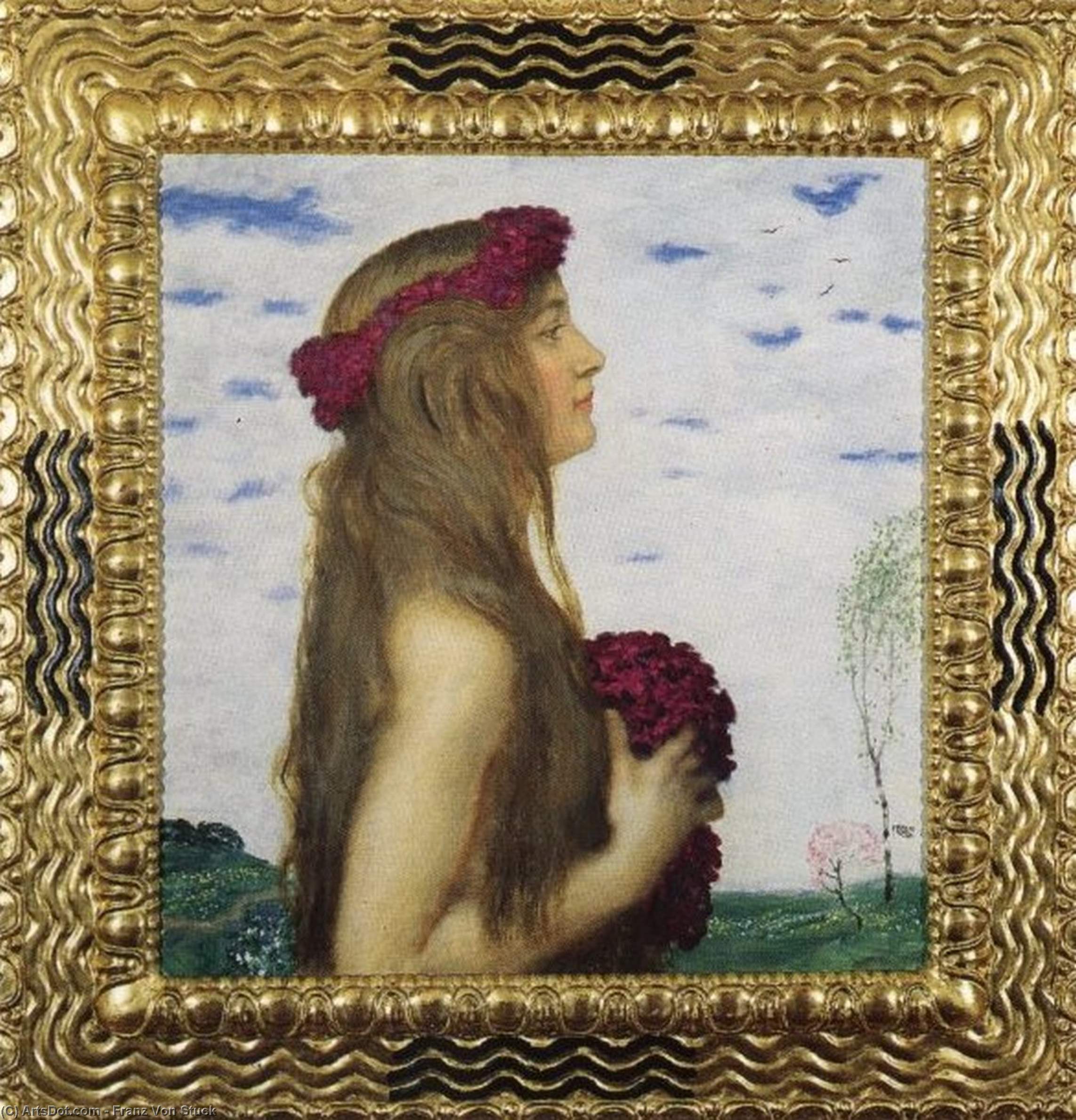
Spring

 Tovább olvasom
Kézzel készített olajfestmény reprodukció
Kézzel festett olajvastú vászon, az Ön által választott méretben és keretben, művészeink készítik meglévőre. ( Váltás nyomtatványra Képváltás)




































Válasszon előre meghatározott méreteink közül, amelyek megfelelnek a műalkotás eredeti arányainak.

Ön megadhat saját méreteket egy adott kerethez vagy térhez igazításhoz. Ha a kiválasztott méret nem egyezik az eredeti kép arányával, akkor a műalkotást levágjuk, vagy további kézzel festett elemekkel meghosszabbítjuk a festményt. A gyártás megkezdése előtt küldünk Önnek egy digitális előnézetet jóváhagyásra.
Kérjük, vegye figyelembe, hogy a képernyőn megjelenő előnézet nem tükrözi a tényleges vágást vagy kiterjesztést. Csak az előnézet fog pontosan mutatni a végső kompozíciót.
Bár egyedi méretek állnak rendelkezésre, javasoljuk, hogy válasszon egy méretet az előre meghatározott listából az eredeti arányok megőrzése érdekében.
A rendelést követően a OriginalUniqueArt.com csapata e-mailt küld az ügyfélnek az instrukciókért, és biztosít egy előnézeti képet (mockup).
Világszerte elérhető szállítás () 3-4 hét alatt a szokásos 5 hét helyett. (11 augusztus). A minőség nem kérdőjelezhető.

Ingyenes globális expressz szállítás

Prémium minőségű len vászon

Teljes szállítási biztosítás

Vámvisszatérítési Garancia

Tökéletes színpontosság garancia

60 napos visszaküldési lehetőség (csak gyártási hibák esetén)

100%-os pénzvisszatérítési garancia

Kedvezmény több termény esetén
 Az üvegkeretes opció csak 110 cm alatti méretben érhető el

Spring
Reprodukciós technika
A reprodukció mérete
-


Összesített ár
$ 300
A művész életrajza
A Life Steeped in Myth and Symbol
Franz Ritter von Stuck, a name that echoes through the halls of German art history, was more than just an artist; he was a cultural phenomenon, a “Prince of Art” as he became known during his lifetime. Born in 1863 in Tettenweis, a small village nestled in the Bavarian countryside, Stuck’s journey from a young caricature artist to a revered figure representing the height of Symbolism is a tale brimming with talent, innovation, and an enduring fascination with the darker corners of human experience. Initially destined for a life following his father as a forester, a path dictated by rural tradition, young Franz discovered an undeniable artistic inclination—a burning desire to capture the world not just as it was, but as it *felt*. This early aptitude led him inexorably to Munich, first to the School of Applied Arts in 1878 and then to the Academy of Fine Arts from 1882-1884, where he became utterly captivated by Arnold Böcklin’s hauntingly beautiful mythological scenes—a formative influence that would profoundly shape his artistic vision. Stuck wasn't merely an imitator; he absorbed the melancholic beauty and symbolic depth of Böcklin’s work, transforming it into something uniquely his own, a potent blend of classical precision and dreamlike imagery.The Rise of a Symbolist Master
Stuck’s ascent to prominence was remarkably swift and dramatic. His breakthrough arrived in 1889 with *The Guardian of Paradise*, an arresting painting exhibited at the Munich Glass Palace. The work wasn't simply a display of technical skill; it announced a new artistic voice—one that boldly challenged established norms, blending classical precision with mythological subject matter and an undercurrent of Symbolist mystery. Critics were immediately captivated by its evocative power, awarding it a gold medal and catapulting Stuck to the forefront of the Munich art scene. He quickly became a central figure in challenging conservative constraints, co-founding the Munich Secession in 1892 alongside like-minded artists determined to break free from the stifling traditions of the academic establishment. This act of artistic rebellion was perfectly timed with his exploration into sculpture, debuting with *Athlete* (1892), a dynamic bronze figure that demonstrated an impressive versatility and foreshadowed his future success in three-dimensional form. However, it was *The Sin* (1893) – a visceral depiction of temptation and moral decay—that truly cemented his reputation as a master of Symbolist painting, captivating audiences with its dramatic intensity and profound psychological depth. This period marked the full flowering of Stuck’s unique style—a potent combination of sensuality, classical form, and symbolic resonance, reflecting both his artistic influences and his own complex inner world.Themes and Influences: A World of Desire and Myth
The artistic universe of Franz von Stuck is populated by recurring motifs that reveal his profound engagement with timeless themes. Mythology served as a constant source of inspiration, drawing from Greek, Roman, and biblical narratives which he reimagined with a distinctly personal flair. These weren’t mere retellings; they were explorations of the human condition filtered through the lens of ancient stories—stories imbued with primal desires, moral dilemmas, and the eternal struggle between good and evil. Equally prominent was his fascination with sensuality and the *femme fatale*, powerfully embodied in his numerous depictions of Salome – a figure representing desire, danger, and moral ambiguity. These paintings weren’t simply about physical beauty; they delved into the psychological complexities of female power and its potential for both allure and destruction. Stuck's work wasn't solely rooted in mythology or sensuality, however. He was deeply influenced by Pre-Raphaelites like Dante Gabriel Rossetti and Gustave Moreau, absorbing their emphasis on rich color, intricate detail, and symbolic imagery. Moreover, he acknowledged the impact of classical art—particularly the works of Michelangelo and Rubens—in shaping his meticulous technique, anatomical accuracy, and compositional rigor. He wasn't merely a follower; he synthesized these influences into something uniquely his own, creating a style that was both deeply rooted in tradition and strikingly modern.Major Works and Enduring Significance
Throughout his career, Franz von Stuck produced a remarkable body of work that continues to fascinate and inspire. Some of his most celebrated pieces include:- The Spring (1886): A vibrant depiction showcasing his early mastery of color and composition—a celebration of life and renewal.
- Dissonance (1893): An unsettling portrayal embodying emotional turmoil through a woman playing the violin – a poignant exploration of inner conflict.
- Salome (various versions): Perhaps his most iconic work, depicting the biblical story with striking sensuality and psychological depth—a powerful meditation on desire, power, and destruction.
- Athlete (1892): A dynamic bronze sculpture demonstrating his skill in three-dimensional form – a testament to his versatility as an artist.
Legacy and Influence
Franz von Stuck’s contribution to art history is undeniable. He played a pivotal role in shaping the Symbolist movement in Germany, bridging the gap between academic tradition and modern artistic experimentation. His work continues to captivate audiences with its dramatic intensity, mythological richness, and psychological depth. He remains a vital figure for understanding the transition from 19th-century historicism to the innovative spirit of the 20th century, an artist whose influence can still be felt in contemporary art today. He was also a respected teacher at the Munich Academy, nurturing the talents of future generations of artists and solidifying his legacy as a true visionary.
Stuck
1863 - 1928 , Németország
Rövid tények
- Artistic Movement Or Style: Szimbolizmus, Art Nouveau
- Artists Or Movements Influenced By This Artist:
- Paul Klee
- Secesszió
- Artists Who Influenced This Artist:
- Arnold Böcklin
- Corot
- Date Of Birth: 1863. Feb 23.
- Date Of Death: 1928. Aug 30.
- Full Name: Franz Ritter von Stuck
- Nationality: Német
- Notable Artworks:
- A Paradicsom őrze
- Salóme
- Bűn
- Sportoló
- Place Of Birth: Tettenweis, Németország

