Megtekintés
 Küldés
 Megosztás
 Részletek
 Útmutató

 Letöltés
 Hasonló darabok
 X-ray felvétel
 Diavetítés
 Kérdések és válaszok
 Statisztika
Szalagozott ököl

- 92.0 x 130.0 cm


 Összes részlet megjelenítése
Giclée / Műnyomat
Múzeumi minőségű giclée vagy vászonnyomat, gyors gyártással és rugalmas finomítási lehetőségekkel. ( Kézzel festett másolat rendelése Áttérés digitális képre)




P118B Ft10

P118H Ft10

P118W Ft10

P438Z Ft10

P508JH Ft12

P508YH Ft12

P805H Ft10

P805Z Ft10

P919BZ Ft10

P919G Ft10

P919XJ Ft10

P959ZH Ft10

P968JZ Ft12

W106C Ft8

W218G Ft10

W218JH Ft8

W218Y Ft10

W307PJ Ft10

W316G Ft10

W316PJ Ft8

W316Y Ft10

W398PJ Ft8

W4111J Ft10

W500HY Ft15

W500JH Ft15

W692G Ft12

W849H Ft8

W940BG Ft15

W953PJ Ft8




Válasszon előre meghatározott méreteink közül, amelyek megfelelnek a műalkotás eredeti arányainak.

Írja be a keretének vagy a falának megfelelő szélességet és magasságot. A nyomatot csak le lehet vágni, soha nem tehető nagyobbá, mint az eredeti kép, így egy eltérő alakú méretnél a kép egy része elveszik. Mielőtt bármit kinyatintanánk, küldünk egy digitális próbamodellt jóváhagyásra. Az oldalon látható kép nem tartalmazza a valós levágást — ezt csak a próbamodell mutatja meg.
Világszerte történő kiszállítás területére mindössze 2 hét alatt, a szokásos 4-5 hét helyett. (4 november)

Ingyenes globális expressz szállítás

Prémium minőségű len vászon

Teljes körű szállítási biztosítás

Vámvisszatérítési Garancia

Hiteles színarányosság garancia

100 napos visszaküldési lehetőség (csak hibás termékek esetén)

100% pénzvisszatérítési garancia

Több darab vásárlásakor kedvezmény
 Az üvegkeretes opció csak 110 cm alatti méretben érhető el

Szalagozott ököl
Giclée / Műnyomat
Reprodukció mérete
-


Összesített ár
Ft 26301
Franz Marc és „Szórványos Bocskormány” – Egy Építő És Szellemkereső Műalkotás
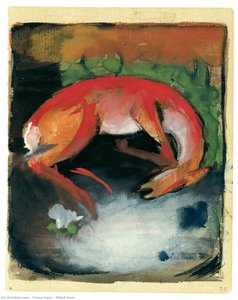
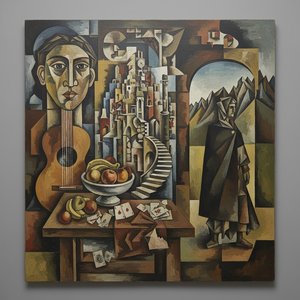
Franz Marc (1880–1916), német ekspreszionista pionír, aki a Blaue Reiter csoportban jelent meg, egy olyan lenyűgöző és kifejezett művészi tevékenység eredménye volt, amely ötvözi a kubizmus és a fauve szellemét. Egy igazán kiemelkedő alkotása „Szórványos Bocskormány”, melyet 1913-ban festett meg olajjal vászonra méretében 92 x 130 cm-es nagyságban. Ez a táblázat egy komplex és részletes áttekintést kínál Marc művészetének egyik ikonikus darabjáról, beleértve annak történetét, művészi stílusát és jelentését.A Tábla Szerkezete És Stílusa – Kubizmus És Szellemkeresés Együtt
„Szórványos Bocskormány” egy kubista alkotás, melyet Marc követett el Pablo Picasso és Georges Braque által megújított technikája szerint. A művészi megközelítés kulcsa a geometriai alakok és átfedő sínek használata, ami nem csak egy új perspektívát eredményezi, hanem egy dinamikus és energiával teli képet alkot. Marc célja nem egyszerűen az állatok ábrázolása volt; ő szeretett volna megérteni az élet lényegét és szépségét – ezt pedig kifejezette művének színei és formái segítségével. Együtt dolgozott a kubizmus és a fauve szellem előremozdítására, ami nagyban hozzájárult az európai művészet új irányának megteremtéséhez.A Blaue Reiter Szellemében – Egy Új És Innovatív Mozgalom
Marc tevékenységét és alkotását közelebb hozza ebbe a mozgalomba, melyet Wassily Kandinsky és Alexej von Jawlensky alapítottak. Az ekspreszionizmus célja volt megváltoztatni az európai művészet hagyományos szabályait és új kifejezési módokat keresni. Marc és társainak művészei nem foglalkozottak csak a táj szépségével, hanem egy mélyebb szellemi kérdés megválaszolására törekedtek – ezt pedig művének színei és formái segítségével tudták kifejezni. Együtt dolgozták azon, hogy új perspektívákat nyújtsanak az európai művészet számára és új utakat mutassanak be a közönség előtt.Szimbolizmus És Érzelmi Mélység – Az Állatok Megértése
A tábla színei különösen fontos szerepet játszanak az alkotás érzelmi hatásaiban. Marc használta fel a színvilágot, hogy kifejezze az állatok természetes szépségét és energiáját – ezt pedig egy egyszerű geometriai alakzat segítségével tudta megköszönteni. Az alkotó nem csak egy táj szépségét szeretett volna megmutatni, hanem egy mélyebb szellemi igazságot keresett és kifejezette művének színei és formái segítségével. Együtt dolgozott azon, hogy új perspektívákat nyújtsanak az európai művészet számára és új utakat mutassanak be a közönség előtt.Egy Építő És Szellemkereső Műalkotás – Egy Megtartó Közepévü Korbeli Válasz
„Szórványos Bocskormány” egy igazi mérföldkövét jelent az európai ekspreszionizmus történetének és bizonyítja Marc művészi tudását és kreativitását. Ez a táblázat egy komplex és részletes áttekintést kínál Marc művészetének egyik ikonikus darabjáról, beleértve annak történetét, művészi stílusát és jelentését. Egy igazán kiemelkedő alkotás marad minden idő alatt!Kérdések és válaszok
Mennyi volt Franz Marc életkora, amikor a "Szalagozott ököl" készült?
Franz Marc 33 éves korában festette a „Szalagozott ököl” című művét. A művész 1880 született, a alkotás dátuma pedig 1913.
Hogyan tölthetem le a(z) „Szalagozott ököl”, Franz Marc alkotása képét?
A „Szalagozott ököl”, Franz Marc alkotása letölthető a mű Letöltés oldaláról, magas felbontású digitális kép letöltése formátumban.
Milyen nyomtatási méretet és vízszességet javasol a „Szalagozott ököl”, Franz Marc alkotása?
A „Szalagozott ököl”, Franz Marc alkotása egyik nyomatásához a Nagy méretű méretű, Fenyőképi elrendezésű nyomtatást javasoljuk.
A művész életrajza
A Life Immersed in Color and Spirit
Franz Moritz Wilhelm Marc, born in Munich in 1880, was a painter whose brief but intensely focused career irrevocably altered the course of German Expressionism. His story is one of profound spiritual seeking translated into a vibrant visual language, a quest to understand the essence of life through the purity he found in the natural world—particularly within the animal kingdom. Initially influenced by his father, Wilhelm Marc, a landscape painter, young Franz’s artistic path wasn't immediately certain. He briefly considered theology, grappling with questions of faith and existence before ultimately dedicating himself to art at the Academy of Fine Arts in Munich. These early explorations into religious thought would remain deeply embedded within his work, shaping his belief that art could be a conduit for spiritual experience. His academic training provided him with technical foundations, but it was encounters with the works of Vincent van Gogh during visits to Paris that truly ignited his artistic vision. Van Gogh’s emotive use of color and raw expression resonated profoundly with Marc, liberating him from conventional techniques and setting him on a path toward a more subjective and emotionally charged style.The Blue Rider and a New Artistic Vision
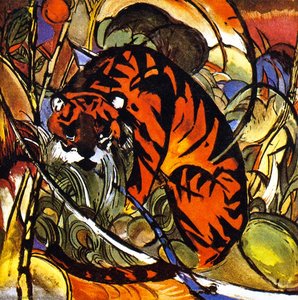
Marc's artistic development wasn’t solitary; it flourished within the dynamic context of early 20th-century Munich. He experimented with various artist groups, including the Neue Künstlervereinigung München, before co-founding *Der Blaue Reiter* (The Blue Rider) in 1911 alongside Wassily Kandinsky. This wasn’t merely a group or an exhibition series; it was a philosophical and artistic revolution. *Der Blaue Reiter* sought to move beyond mere representation, aiming instead to express inner spiritual truths through abstraction and symbolic color. The journal of the same name became a platform for disseminating these ideas, showcasing not only their own work but also that of other forward-thinking artists and exploring diverse cultural influences from folk art to primitive sculpture. Marc’s contributions during this period were pivotal. He moved away from depicting landscapes as static scenes, instead focusing on animals—horses, deer, foxes—as vessels of spiritual energy. These weren’t simply animal portraits; they were symbolic representations of innocence, harmony, and a connection to the natural world that he believed humanity had lost. The influence of Robert Delaunay’s exploration of abstract forms and vibrant colors further propelled Marc toward simplification and heightened emotional expression in his work. Paintings like *The Tiger* (1912) and *Red Deer* (1912) exemplify this shift, showcasing bold color choices and a growing focus on the inherent qualities of his subjects rather than realistic depiction.Symbolism, Color, and the Essence of Being
Marc’s artistic style is immediately recognizable for its distinctive use of color and form. He didn't employ color descriptively; instead, he imbued it with symbolic meaning. Blue represented spirituality and masculinity, yellow signified joy and femininity, and red embodied violence and materiality. These weren’t arbitrary choices but a carefully constructed system designed to convey specific emotional and philosophical ideas. His animals aren’t merely subjects; they are embodiments of these concepts. The simplification of forms—reducing figures to their essential shapes—further emphasized the underlying spiritual essence he sought to capture. *The Tower of Blue Horses* (1913), sadly lost during World War II, is perhaps the most iconic example of this approach, a powerful and evocative composition that encapsulates his artistic vision. He believed animals possessed an inherent purity and connection to nature that humans had forfeited through societal constraints and intellectualization. By portraying them with such reverence and symbolic weight, Marc sought to remind viewers of this lost harmony and inspire a deeper appreciation for the natural world. His work wasn’t about depicting *what* he saw but rather *how* he felt—a deeply personal and spiritual response to his surroundings.A Tragic End and Lasting Legacy
The outbreak of World War I in 1914 dramatically altered Marc's life and artistic trajectory. Despite seeking exemption due to his status as an artist, he was drafted into the German army, serving as a cavalryman. The horrors of war deeply affected him, yet even amidst the chaos, he continued to paint, finding solace and meaning in his art. Tragically, Franz Marc died on March 4, 1916, at the Battle of Verdun, a devastating loss for the art world. His untimely death cut short a career brimming with potential, but it also cemented his place as a pivotal figure in modern art history. His work continues to resonate today, influencing generations of artists and captivating audiences with its emotional depth and spiritual resonance. Marc’s paintings are exhibited in major museums worldwide, including the Lenbachhaus in Munich, which holds an extensive collection of his work. He is remembered not only as a pioneer of German Expressionism but also as a visionary artist who dared to explore the profound connection between art, spirituality, and the natural world—a legacy that continues to inspire awe and contemplation. His artistic vision remains a testament to the power of art to transcend the material realm and touch upon something deeper within the human spirit.
Franz Marc
1880 - 1916 , Németország
Rövid információk
- Artistic Movement Or Style: German Expressionizmus
- Artists Or Movements Influenced By This Artist: ['Állattal foglalkozó festők']
- Artists Who Influenced This Artist:
- Van Gogh
- Delaunay
- Date Of Birth: 1880. február 8.
- Date Of Death: 1916. március 4.
- Full Name: Franz Moritz Wilhelm Marc
- Nationality: Német
- Notable Artworks:
- A Tigris
- Vörös ló
- Lapostó a kék lovakról
- Place Of Birth: München, Németország
Kapcsolódó cikkek

Georges Braque Mesterek: A 25 Leglenyűgözőbb Kép, Ami Megváltoztatta a Modern Festészetet
Fedezze fel Georges Braque 25 legikonikusabb műalkotását! Ismerje meg a kubizmus történetét, Picasso hatását és a francia művész lenyűgöző festményeit. Múzeumi minőségű reprodukciók és inspiráló dekorációs ötletek a OriginalUniqueArt.com-on.

A Német Expresszionizmus 10 Mesterműve: Érzelmek és Forradalom a Falakon
Fedezze fel a Német Expresszionizmus 10 legikonikusabb műalkotását! Kirchner, Munch és más német mesterek érzelmi festményeinek történetét bemutatva. Vászonképek, faliképek otthonába – OriginalUniqueArt.com kínálata.
A kubizmus 10 legikonikusabb remekműve: művészeti forradalom otthonában
Fedezze fel a kubizmus 10 legmeghatározóbb remekművét! Picasso, Braque és más mesterek alkotásai új perspektívákat nyitnak. Múzeumi minőségű reprodukciók és inspiráló dekorációs ötletek várják Önt a OriginalUniqueArt.com-on. Explore the full collection online!
A kubizmus és expresszionizmus 10 legikonikusabb remekműve – OriginalUniqueArt.com
Fedezze fel a kubizmus és expresszionizmus 10 legjelentősebb remekművét! Picasso, Braque és más ikonikus művészek alkotásainak története – OriginalUniqueArt.com kínálatában minőségi reprodukciók és inspiráló otthon dekoráció. Böngéssze online gyűjteményünket!
A kubizmus 10 mesterműve: A művészet új dimenziója – Vásároljon prémium reprodukciókat a OriginalUniqueArt-on!
Fedezze fel a kubizmus 10 legikonikusabb műalkotását! Picasso, Braque és más mesterek expresszív világa – történetek, technikák és időtálló szépség. Prémium minőségű reprodukciók a OriginalUniqueArt-on. Böngéssze online kínálatunkat!