Megtekintés
 Küldés
 Megosztás
 Részletek
 Útmutató

 Letöltés
 Hasonló darabok
 X-ray felvétel
 Diavetítés
 Kérdések és válaszok
 Statisztika
cím nélkü (6538)


 Összes részlet megjelenítése
Giclée / Műnyomat
Múzeumi minőségű giclée vagy vászonnyomat, gyors gyártással és rugalmas finomítási lehetőségekkel. ( Kézzel festett másolat rendelése Áttérés digitális képre)




P118B Ft10

P118H Ft10

P118W Ft10

P438Z Ft10

P508JH Ft12

P508YH Ft12

P805H Ft10

P805Z Ft10

P919BZ Ft10

P919G Ft10

P919XJ Ft10

P959ZH Ft10

P968JZ Ft12

W106C Ft8

W218G Ft10

W218JH Ft8

W218Y Ft10

W307PJ Ft10

W316G Ft10

W316PJ Ft8

W316Y Ft10

W398PJ Ft8

W4111J Ft10

W500HY Ft15

W500JH Ft15

W692G Ft12

W849H Ft8

W940BG Ft15

W953PJ Ft8




Válasszon előre meghatározott méreteink közül, amelyek megfelelnek a műalkotás eredeti arányainak.

Írja be a keretének vagy a falának megfelelő szélességet és magasságot. A nyomatot csak le lehet vágni, soha nem tehető nagyobbá, mint az eredeti kép, így egy eltérő alakú méretnél a kép egy része elveszik. Mielőtt bármit kinyatintanánk, küldünk egy digitális próbamodellt jóváhagyásra. Az oldalon látható kép nem tartalmazza a valós levágást — ezt csak a próbamodell mutatja meg.
Világszerte történő kiszállítás területére mindössze 2 hét alatt, a szokásos 4-5 hét helyett. (9 november)

Ingyenes globális expressz szállítás

Prémium minőségű len vászon

Teljes körű szállítási biztosítás

Vámvisszatérítési Garancia

Hiteles színarányosság garancia

100 napos visszaküldési lehetőség (csak hibás termékek esetén)

100% pénzvisszatérítési garancia

Több darab vásárlásakor kedvezmény
 Az üvegkeretes opció csak 110 cm alatti méretben érhető el

cím nélkü (6538)
Giclée / Műnyomat
Reprodukció mérete
-


Összesített ár
Ft 26415
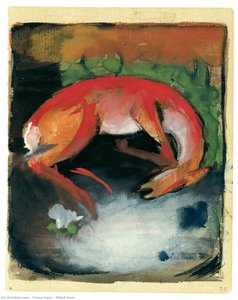
A látomás születése: Franz Marc „cím nélkü (6538)”
Franz Marc 1911-es alkotása, a „cím nélkü (6538)”, nem csupán két ló ábrázolása; egy merülélyszerű élmény az expresszionizmus szívébe, az élet, a masztikatív tisztaság és a spirituális világ mély meditációja. A mű számos befolyásoló tényező találkozásából született meg – édesapja tájfesteményei, korai teológiai kutatásokai és Vincent van Gogh intenzív színhasználatának meghatározó hatása révén Marc célja az ábrázoló művészet túlmutatása volt, hogy közvetlenül az érzelmeken keresztül kommunikálhasson. Ez a konkrét vászon zseniálisan testesíti meg ezt az ambíciót, szinte érezhető energiát árasztva, amely a művész természethez, különösen az állatvilághoz fűződő mély kapcsolódásából fakad, amelyet szentnek tekintett.

Színek és torzítások szimfóniája
A festmény azonnali hatása a színek merész használatában rejlik – a kobaltkék és a tüzes vörös vibráló, szinte hallucinatórikus keverékében. Ezek nem csupán leírásra szolgáló színek; érzelmi közvetítőkként működnek. Marc szándékosan torzította a lovak formáit, túlmutatva a valósághű ábrázoláson, egy olyan birodalomba repítve őket, ahol lényegük – az erő, a sebezhetőség és talán az ősi ösztönök – veszi az úrát. Anélkül hosszabbított végtagok, egyszerűsített vonalak és lapított perspektíva feszült, azonnali hangulatot árasztanak. Ez a stilisztikai választás a tiszta expresszionizmus: a szubjektív érzés előtérbe helyezése az objektív megfigyelés helyett.
Technikai szempontból Marc laza, gesztusos ecsetvonatokat alkalmazott, rétegre egymásra festve a színeket, hogy mozgás és mélység érzetét keltsen. Maga a festék úgy tűnik, vibrál a energiától, tükrözve a jelenet érzelmi intenzitását. A lovak közé szórva elhelyezkedő almák földszentítő elemként szolgálnak, a valóság törékeny emlékeztetőjeként, mégis őket is egyszerűsített, szinte álomszerű módon ábrázolja a művész.
Szimbolizmus és spirituális rezonancia
Tiszta vizuális minőségén túl a „cím nélkü (6538)” gazdag szimbolikus jelentéssel bír. A kék ló, amelyet gyakran az ártatlanság és a tisztaság szimbólumaként értelmeznek, büszkán áll hátsó lábakon – az erő és a megállapíthatatlanság gesztusában. Ezzel szemben a vörös ló a szenvedélyt, az életkedvet és talán a veszélyt is testesíti meg. Párosításuk dinamikus feszültséget kelt, amely a természet világában rejlő alapvető dualitásra utal. A szolgalat és a alázat szimbóluma, az esküvő, valamint a szabadság és a spiritualitás jelképei, a madarak jelenléte tovább gazdagítja a festmény rétegzett szimbolikáját.
Marc korai vallási kísérletei mélyen meghatározták művészeti látásmódját. Azt hitte, a művészet út vezethet a spirituális élményhez, egy eszközként a life misztériumainak mélyebb megértéséhez. Ez a meggyőződés erőtelten átárad a „cím nélkü (6538)” alkotásában, ahol a lovak túlmutatnak állati formájukon, és az univerzális tulajdonságok – az erő, a sebezhetőség és az ellentétes erők közötti örök tánc – megtestesítőivé válnak.
Marc látásmódja otthonában: Kiváló minőségű reprodukciók
Az OriginalUniqueArt.com gondos megmunkálású olajfestmény-reprodukciókat kínál Franz Marc „cím nélkü (6538)” című műveiből, biztosítva a művész eredeti látásmódának hű megőrzését. Csak a legfinomabb anyagok felhasználásával és hagyományos technikákkal alkotómeséink minden színnuánst, textúrát és ecsetvonatot újraalkotnak. Legyen szó egy galéria faláról vagy egy nappali díszéről, ez a reprodukció megörökíti a festmény lenyűgöző energiáját és mély érzelmi tartalmát. Fedezze fel az expresszionista művészet világát az OriginalUniqueArt.com-on, hogy felfedezhesse a további lenyűgöző alkotásokat Franz Marctól, és emelje komfortossá otthonát egy olyan darabbal, amely közvetlenül a lélekhez beszél.
A Marc életéről, művészeti stílusáról és a „Der Blaue Reiter” szélesebb kontextusáról szóló további betekintésért arra ösztönzünk, hogy látogasson el a WikiArt.org oldalra, vagy fedezze fel a németországi Kochel am See-ben található Franz Marc Múzeumot – amely a művész hagyatékának megőrzésére és ünneplésére szenteltségű kincstár.
Kérdések és válaszok
Mennyire fényes „cím nélkü (6538)”, Franz Marc alkotása?
A "cím nélkü (6538)" színei Érezhető fényesség fényerőt mutatnak.
Milyen domináns alapszín jellemzi „cím nélkü (6538)”, Franz Marc alkotása alkotást?
A Meleg naplementés tónusok árnyalat áthatárolja a „cím nélkü (6538)”, Franz Marc alkotása alkotást.
Elérhető diaporáma a(z) „cím nélkü (6538)”, Franz Marc alkotása alkotáshoz?
A "cím nélkü (6538)" diaporámája megtekinthető a mű Diaváltás oldalán.
A művész életrajza
A Life Immersed in Color and Spirit
Franz Moritz Wilhelm Marc, born in Munich in 1880, was a painter whose brief but intensely focused career irrevocably altered the course of German Expressionism. His story is one of profound spiritual seeking translated into a vibrant visual language, a quest to understand the essence of life through the purity he found in the natural world—particularly within the animal kingdom. Initially influenced by his father, Wilhelm Marc, a landscape painter, young Franz’s artistic path wasn't immediately certain. He briefly considered theology, grappling with questions of faith and existence before ultimately dedicating himself to art at the Academy of Fine Arts in Munich. These early explorations into religious thought would remain deeply embedded within his work, shaping his belief that art could be a conduit for spiritual experience. His academic training provided him with technical foundations, but it was encounters with the works of Vincent van Gogh during visits to Paris that truly ignited his artistic vision. Van Gogh’s emotive use of color and raw expression resonated profoundly with Marc, liberating him from conventional techniques and setting him on a path toward a more subjective and emotionally charged style.The Blue Rider and a New Artistic Vision
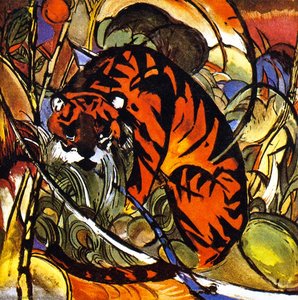
Marc's artistic development wasn’t solitary; it flourished within the dynamic context of early 20th-century Munich. He experimented with various artist groups, including the Neue Künstlervereinigung München, before co-founding *Der Blaue Reiter* (The Blue Rider) in 1911 alongside Wassily Kandinsky. This wasn’t merely a group or an exhibition series; it was a philosophical and artistic revolution. *Der Blaue Reiter* sought to move beyond mere representation, aiming instead to express inner spiritual truths through abstraction and symbolic color. The journal of the same name became a platform for disseminating these ideas, showcasing not only their own work but also that of other forward-thinking artists and exploring diverse cultural influences from folk art to primitive sculpture. Marc’s contributions during this period were pivotal. He moved away from depicting landscapes as static scenes, instead focusing on animals—horses, deer, foxes—as vessels of spiritual energy. These weren’t simply animal portraits; they were symbolic representations of innocence, harmony, and a connection to the natural world that he believed humanity had lost. The influence of Robert Delaunay’s exploration of abstract forms and vibrant colors further propelled Marc toward simplification and heightened emotional expression in his work. Paintings like *The Tiger* (1912) and *Red Deer* (1912) exemplify this shift, showcasing bold color choices and a growing focus on the inherent qualities of his subjects rather than realistic depiction.Symbolism, Color, and the Essence of Being
Marc’s artistic style is immediately recognizable for its distinctive use of color and form. He didn't employ color descriptively; instead, he imbued it with symbolic meaning. Blue represented spirituality and masculinity, yellow signified joy and femininity, and red embodied violence and materiality. These weren’t arbitrary choices but a carefully constructed system designed to convey specific emotional and philosophical ideas. His animals aren’t merely subjects; they are embodiments of these concepts. The simplification of forms—reducing figures to their essential shapes—further emphasized the underlying spiritual essence he sought to capture. *The Tower of Blue Horses* (1913), sadly lost during World War II, is perhaps the most iconic example of this approach, a powerful and evocative composition that encapsulates his artistic vision. He believed animals possessed an inherent purity and connection to nature that humans had forfeited through societal constraints and intellectualization. By portraying them with such reverence and symbolic weight, Marc sought to remind viewers of this lost harmony and inspire a deeper appreciation for the natural world. His work wasn’t about depicting *what* he saw but rather *how* he felt—a deeply personal and spiritual response to his surroundings.A Tragic End and Lasting Legacy
The outbreak of World War I in 1914 dramatically altered Marc's life and artistic trajectory. Despite seeking exemption due to his status as an artist, he was drafted into the German army, serving as a cavalryman. The horrors of war deeply affected him, yet even amidst the chaos, he continued to paint, finding solace and meaning in his art. Tragically, Franz Marc died on March 4, 1916, at the Battle of Verdun, a devastating loss for the art world. His untimely death cut short a career brimming with potential, but it also cemented his place as a pivotal figure in modern art history. His work continues to resonate today, influencing generations of artists and captivating audiences with its emotional depth and spiritual resonance. Marc’s paintings are exhibited in major museums worldwide, including the Lenbachhaus in Munich, which holds an extensive collection of his work. He is remembered not only as a pioneer of German Expressionism but also as a visionary artist who dared to explore the profound connection between art, spirituality, and the natural world—a legacy that continues to inspire awe and contemplation. His artistic vision remains a testament to the power of art to transcend the material realm and touch upon something deeper within the human spirit.
Franz Marc
1880 - 1916 , Németország
Rövid információk
- Artistic Movement Or Style: German Expressionizmus
- Artists Or Movements Influenced By This Artist: ['Állattal foglalkozó festők']
- Artists Who Influenced This Artist:
- Van Gogh
- Delaunay
- Date Of Birth: 1880. február 8.
- Date Of Death: 1916. március 4.
- Full Name: Franz Moritz Wilhelm Marc
- Nationality: Német
- Notable Artworks:
- A Tigris
- Vörös ló
- Lapostó a kék lovakról
- Place Of Birth: München, Németország
Kapcsolódó cikkek

Franz Marc: Expressionism, Spirituality & the Animal Symbolism of a Modern Master
Explore the profound world of Franz Marc's Expressionist paintings. Discover his spiritual connection to animals, innovative use of color, and lasting impact on modern art history. Learn more at OriginalUniqueArt.
The Allure of Azure: Exploring the Symbolic & Aesthetic Depths of Blue in Art History
Explore the rich history of blue in art! Discover its symbolism, from ancient pigments to modern masterpieces by Kandinsky & Seurat. Uncover the psychological impact and cultural meanings behind this captivating hue.

A Német Expresszionizmus 10 Mesterműve: Érzelmek és Forradalom a Falakon
Fedezze fel a Német Expresszionizmus 10 legikonikusabb műalkotását! Kirchner, Munch és más német mesterek érzelmi festményeinek történetét bemutatva. Vászonképek, faliképek otthonába – OriginalUniqueArt.com kínálata.
A kifejezésművészet 10 legikonikusabb remekműve – festmények otthonra a OriginalUniqueArt-tól
Fedezze fel a kifejezésművészet 10 legmeghatározóbb remekművét! Munch, Kirchner és Kandinsky alkotásainak története. Vászonképek otthonra – magas minőségű műalkotások a OriginalUniqueArt-tól. Explore the full collection online!

A kék árnyalatai: 10 ikonikus festmény a Slate Blue szín jegyében | OriginalUniqueArt.com
Fedezze fel a 10 legikonikusabb festményt, melyeket a Slate Blue szín ural! Monet, Renoir és más mesterek művei inspirálnak. Vászonképek eladás, otthon dekoráció tippek a OriginalUniqueArt.com-on. Explore the full collection online!