 Előnézet
 Megosztás
 Megosztás
 Részletek
 Útmutató

 Letöltés
 Hasonló darabok
 X-ray felvétel
 Diavetítés
 Statisztika
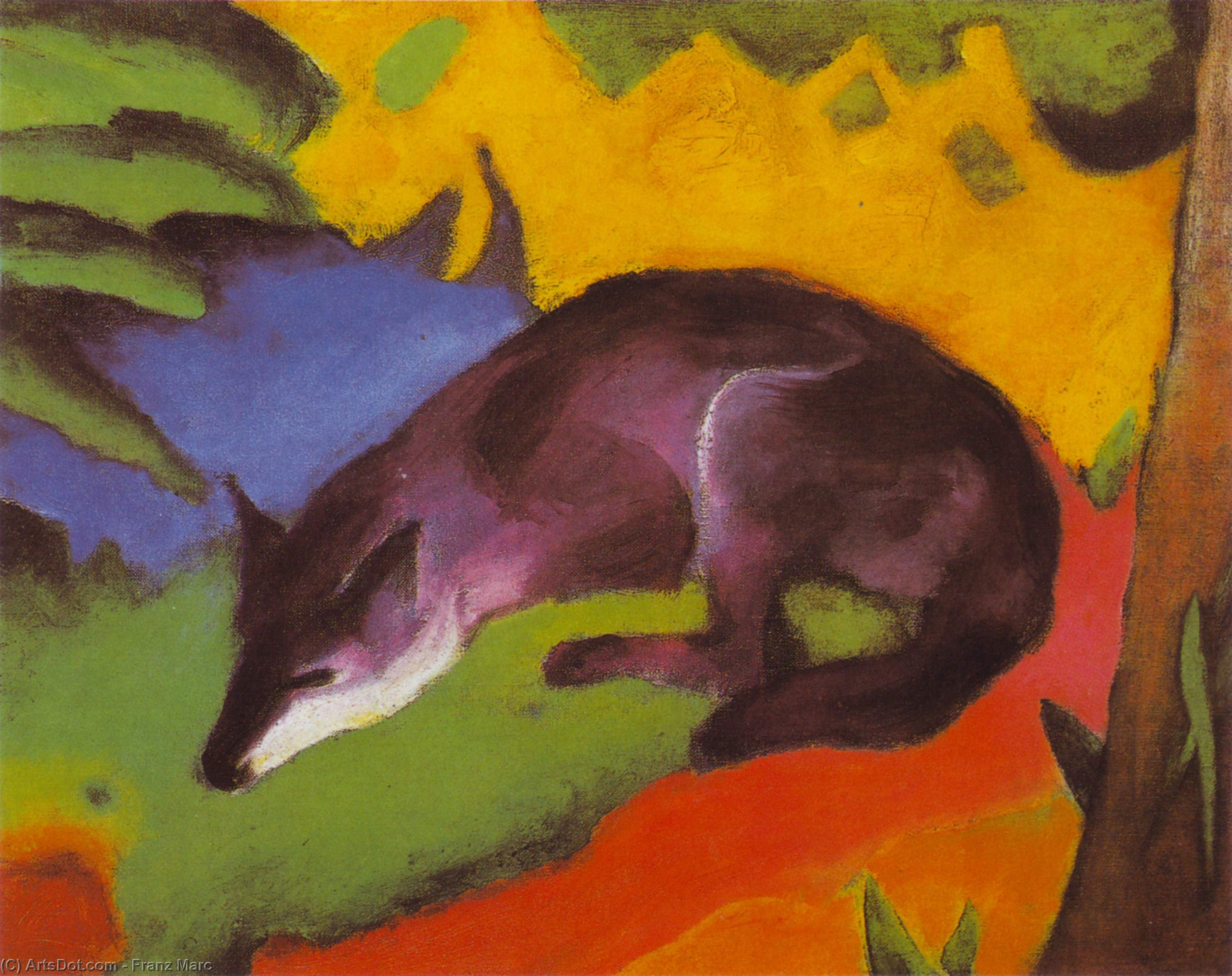
Blue-Black Fox


 Tovább olvasom
Kézzel készített olajfestmény reprodukció
Kézzel festett olajvastú vászon, az Ön által választott méretben és keretben, művészeink készítik meglévőre. ( Váltás nyomtatványra Áttérés digitális képre)




P118B Ft10

P118H Ft10

P118W Ft10

P438Z Ft10

P508JH Ft12

P508YH Ft12

P805H Ft10

P805Z Ft10

P919BZ Ft10

P919G Ft10

P919XJ Ft10

P959ZH Ft10

P968JZ Ft12

W106C Ft8

W218G Ft10

W218JH Ft8

W218Y Ft10

W307PJ Ft10

W316G Ft10

W316PJ Ft8

W316Y Ft10

W398PJ Ft8

W4111J Ft10

W500HY Ft15

W500JH Ft15

W692G Ft12

W849H Ft8

W940BG Ft15

W953PJ Ft8




Válasszon előre meghatározott méreteink közül, amelyek megfelelnek a műalkotás eredeti arányainak.

Írja be a kívánt szélességet és magasságot, hogy illeszkedjen a keretéhez vagy a falához. Mivel ez kézzel festett alkotás, egy eltérő formájú méret esetén a művész akár festhet is valamivel többet a kép körül, vagy korolathat is belőle — az Ön döntésének megfelelően. A festés megkezdése előtt küldünk egy digitális tervezetet jóváhagyásra. Az oldalon látható kép nem tartalmazza a végeredményt — csak a tervezet mutatja meg a valódi eredményt.
A rendelést követően a OriginalUniqueArt.com csapata e-mailt küld az ügyfélnek az instrukciókért, és biztosít egy előnézeti képet (mockup).
Világszerte elérhető szállítás () 3-4 hét alatt a szokásos 5 hét helyett. (22 október). A minőség nem kérdőjelezhető.

Ingyenes globális expressz szállítás

Prémium minőségű len vászon

Teljes körű szállítási biztosítás

Vámvisszatérítési Garancia

Tökéletes színarányosság garancia

100 napos visszaküldési garancia (csak gyártási hibás termékek esetén)

100% pénzvisszatérítési garancia

Több darab vásárlásakor kedvezmény
 Az üvegkeretes opció csak 110 cm alatti méretben érhető el

Blue-Black Fox
Reprodukciós technika
Reprodukció méretei
-


Összesített ár
Ft 95869
A Primal Encounter in the Heart of the Forest
In the quietude of a primordial woodland, where the shadows of towering trees dance with the light of an unseen sun, Franz Marc’s Blue-Black Fox emerges as a profound meditation on existence. Painted around 1911, this masterpiece is far more than a mere depiction of wildlife; it is a window into the very soul of German Expressionism. As the eye wanders through the verdant depths of the canvas, it encounters a fox rendered in stark, monochromatic black and white—a striking presence that commands immediate reverence. This creature does not merely inhabit the forest; it moves through it as a silent witness to the spiritual vitality pulsing within every leaf and branch. For the discerning collector, this piece offers an invitation to step away from the noise of the modern world and reconnect with the raw, unadulterated essence of nature.
The Chromatic Symphony of Emotion
To gaze upon this work is to experience a symphony of color that defies the boundaries of external reality. While the fox remains grounded in its monochrome simplicity, the surrounding landscape erupts in a breathtaking display of sapphire blue, emerald green, ruby red, and amethyst purple. These are not merely decorative hues; for Marc, color was a spiritual language used to bypass the intellect and speak directly to the human spirit. The deliberate dissonance between the somber tones of the fox and the vibrant, almost electric foliage creates a tension that is both melancholic and exhilarating. This chromatic interplay allows the viewer to feel the artist's internal quest for transcendence, making the painting an ideal centerpiece for an interior designed to evoke deep thought and emotional resonance.
The Tactile Language of Expressionist Technique
The physical presence of the painting is as impactful as its color palette. Marc utilized a technique characterized by bold, gestural strokes that lend the canvas a palpable, textured surface. By applying tempera mixed with linseed oil in thick, energetic layers, he achieved a luminosity and depth that captures the very essence of movement. One can almost feel the purposeful stride of the fox through the undergrowth, as the heavy brushwork mirrors the rhythmic pulse of life itself. For interior designers seeking to add character and movement to a space, a high-quality reproduction of this work provides a much-needed layer of texture and vitality. It is an art piece that does not merely sit upon a wall but actively engages with the light and atmosphere of the room, transforming any environment into a sanctuary of Expressionist beauty.
Gyakran Ismételt Kérdések
Hogyan tekinthetném meg a(t) „Blue-Black Fox”, Franz Marc alkotása alkotást diaváltogatással?
A "Blue-Black Fox" diaporámája megtekinthető a mű Diaváltás oldalán.
Hogyan tölthetem le a(z) „Blue-Black Fox”, Franz Marc alkotása képét?
Letölthető változat elérhető a "Blue-Black Fox" alkotás esetében: a mű Letöltés oldala magas felbontású digitális kép letöltés lehetőséget kínál.
Ki készítette a(t): "Blue-Black Fox"?
A "Blue-Black Fox" alkotója Franz Marc. A mű Franz Marc nevére van katalógusozva.
A művész életrajza
A Life Immersed in Color and Spirit
Franz Moritz Wilhelm Marc, born in Munich in 1880, was a painter whose brief but intensely focused career irrevocably altered the course of German Expressionism. His story is one of profound spiritual seeking translated into a vibrant visual language, a quest to understand the essence of life through the purity he found in the natural world—particularly within the animal kingdom. Initially influenced by his father, Wilhelm Marc, a landscape painter, young Franz’s artistic path wasn't immediately certain. He briefly considered theology, grappling with questions of faith and existence before ultimately dedicating himself to art at the Academy of Fine Arts in Munich. These early explorations into religious thought would remain deeply embedded within his work, shaping his belief that art could be a conduit for spiritual experience. His academic training provided him with technical foundations, but it was encounters with the works of Vincent van Gogh during visits to Paris that truly ignited his artistic vision. Van Gogh’s emotive use of color and raw expression resonated profoundly with Marc, liberating him from conventional techniques and setting him on a path toward a more subjective and emotionally charged style.The Blue Rider and a New Artistic Vision
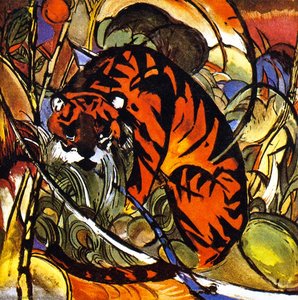
Marc's artistic development wasn’t solitary; it flourished within the dynamic context of early 20th-century Munich. He experimented with various artist groups, including the Neue Künstlervereinigung München, before co-founding *Der Blaue Reiter* (The Blue Rider) in 1911 alongside Wassily Kandinsky. This wasn’t merely a group or an exhibition series; it was a philosophical and artistic revolution. *Der Blaue Reiter* sought to move beyond mere representation, aiming instead to express inner spiritual truths through abstraction and symbolic color. The journal of the same name became a platform for disseminating these ideas, showcasing not only their own work but also that of other forward-thinking artists and exploring diverse cultural influences from folk art to primitive sculpture. Marc’s contributions during this period were pivotal. He moved away from depicting landscapes as static scenes, instead focusing on animals—horses, deer, foxes—as vessels of spiritual energy. These weren’t simply animal portraits; they were symbolic representations of innocence, harmony, and a connection to the natural world that he believed humanity had lost. The influence of Robert Delaunay’s exploration of abstract forms and vibrant colors further propelled Marc toward simplification and heightened emotional expression in his work. Paintings like *The Tiger* (1912) and *Red Deer* (1912) exemplify this shift, showcasing bold color choices and a growing focus on the inherent qualities of his subjects rather than realistic depiction.Symbolism, Color, and the Essence of Being
Marc’s artistic style is immediately recognizable for its distinctive use of color and form. He didn't employ color descriptively; instead, he imbued it with symbolic meaning. Blue represented spirituality and masculinity, yellow signified joy and femininity, and red embodied violence and materiality. These weren’t arbitrary choices but a carefully constructed system designed to convey specific emotional and philosophical ideas. His animals aren’t merely subjects; they are embodiments of these concepts. The simplification of forms—reducing figures to their essential shapes—further emphasized the underlying spiritual essence he sought to capture. *The Tower of Blue Horses* (1913), sadly lost during World War II, is perhaps the most iconic example of this approach, a powerful and evocative composition that encapsulates his artistic vision. He believed animals possessed an inherent purity and connection to nature that humans had forfeited through societal constraints and intellectualization. By portraying them with such reverence and symbolic weight, Marc sought to remind viewers of this lost harmony and inspire a deeper appreciation for the natural world. His work wasn’t about depicting *what* he saw but rather *how* he felt—a deeply personal and spiritual response to his surroundings.A Tragic End and Lasting Legacy
The outbreak of World War I in 1914 dramatically altered Marc's life and artistic trajectory. Despite seeking exemption due to his status as an artist, he was drafted into the German army, serving as a cavalryman. The horrors of war deeply affected him, yet even amidst the chaos, he continued to paint, finding solace and meaning in his art. Tragically, Franz Marc died on March 4, 1916, at the Battle of Verdun, a devastating loss for the art world. His untimely death cut short a career brimming with potential, but it also cemented his place as a pivotal figure in modern art history. His work continues to resonate today, influencing generations of artists and captivating audiences with its emotional depth and spiritual resonance. Marc’s paintings are exhibited in major museums worldwide, including the Lenbachhaus in Munich, which holds an extensive collection of his work. He is remembered not only as a pioneer of German Expressionism but also as a visionary artist who dared to explore the profound connection between art, spirituality, and the natural world—a legacy that continues to inspire awe and contemplation. His artistic vision remains a testament to the power of art to transcend the material realm and touch upon something deeper within the human spirit.
Franz Marc
1880 - 1916 , Németország
Gyors információk
- Artistic Movement Or Style: German Expressionizmus
- Artists Or Movements Influenced By This Artist: ['Állattal foglalkozó festők']
- Artists Who Influenced This Artist:
- Van Gogh
- Delaunay
- Date Of Birth: 1880. február 8.
- Date Of Death: 1916. március 4.
- Full Name: Franz Moritz Wilhelm Marc
- Nationality: Német
- Notable Artworks:
- A Tigris
- Vörös ló
- Lapostó a kék lovakról
- Place Of Birth: München, Németország
Kapcsolódó cikkek

A kék árnyalatai: 10 ikonikus festmény a Slate Blue szín jegyében | OriginalUniqueArt.com
Fedezze fel a 10 legikonikusabb festményt, melyeket a Slate Blue szín ural! Monet, Renoir és más mesterek művei inspirálnak. Vászonképek eladás, otthon dekoráció tippek a OriginalUniqueArt.com-on. Explore the full collection online!

Franz Marc: Expressionism, Spirituality & the Animal Symbolism of a Modern Master
Explore the profound world of Franz Marc's Expressionist paintings. Discover his spiritual connection to animals, innovative use of color, and lasting impact on modern art history. Learn more at OriginalUniqueArt.

A Német Expresszionizmus 10 Mesterműve: Érzelmek és Forradalom a Falakon
Fedezze fel a Német Expresszionizmus 10 legikonikusabb műalkotását! Kirchner, Munch és más német mesterek érzelmi festményeinek történetét bemutatva. Vászonképek, faliképek otthonába – OriginalUniqueArt.com kínálata.

The Allure of Azure: Exploring the Symbolic & Aesthetic Depths of Blue in Art History
Explore the rich history of blue in art! Discover its symbolism, from ancient pigments to modern masterpieces by Kandinsky & Seurat. Uncover the psychological impact and cultural meanings behind this captivating hue.
A kifejezésművészet 10 legikonikusabb remekműve – festmények otthonra a OriginalUniqueArt-tól
Fedezze fel a kifejezésművészet 10 legmeghatározóbb remekművét! Munch, Kirchner és Kandinsky alkotásainak története. Vászonképek otthonra – magas minőségű műalkotások a OriginalUniqueArt-tól. Explore the full collection online!