

 Előnézet
 Megosztás
 Megosztás
 Részletek
 Útmutató

 Letöltés
 Hasonló darabok
 X-ray felvétel
 Diavetítés
 Statisztika
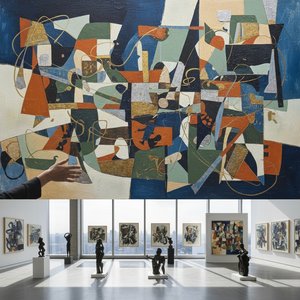
The Cathedral
 Tempera
- WallArt
- Orphic Cubism
 1913
1913- Modern
 150.0 x 180.0 cm
 Museum Kampa
 Tovább olvasom
Giclée / Műnyomat
Múzeumi minőségű giclée vagy vászonnyomat, gyors gyártással és rugalmas finomítási lehetőségekkel. ( Kézzel festett másolat vásárlása Áttérés digitális képre)




P118B $10

P118H $10

P118W $10

P438Z $10

P508JH $12

P508YH $12

P805H $10

P805Z $10

P919BZ $10

P919G $10

P919XJ $10

P959ZH $10

P968JZ $12

W106C $8

W218G $10

W218JH $8

W218Y $10

W307PJ $10

W316G $10

W316PJ $8

W316Y $10

W398PJ $8

W4111J $10

W500HY $15

W500JH $15

W692G $12

W849H $8

W940BG $15

W953PJ $8




Válasszon előre meghatározott méreteink közül, amelyek megfelelnek a műalkotás eredeti arányainak.

Megadhat saját méreteket is egy konkrét kerethez vagy helyszínhez igazítva. Amennyiben a kiválasztott méret nem egyezik az eredeti kép arányokkal, a műalkotást le fogjuk vágni, vagy kiegészítjük a képet tükrözött vagy egyszínű szélekkel. A gyártás megkezdése előtt egy digitális tervezetet küldünk jóváhagyásra.
Kérjük, vegye figyelembe, hogy a képernyőn látható előnézet nem tükrözi a tényleges levágást vagy kiegészítést. Csak a tervezet mutatja pontosan a végső kompozíciót.
Bár az egyedi méretek is elérhetőek, az eredeti arányok megőrzése érdekében azt javasoljuk, hogy válasszon a előre meghatározott listából származó méretet.
Világszerte történő kiszállítás területére mindössze 2 hét alatt, a szokásos 4-5 hét helyett. (26 szeptember)

Ingyenes globális expressz szállítás

Prémium minőségű len vászon

Teljes körű szállítási biztosítás

Vámvisszatérítési Garancia

Tökéletes színarányosság garancia

100 napos visszaküldési garancia (csak gyártási hibás termékek esetén)

100% pénzvisszatérítési garancia

Több darab vásárlásakor kedvezmény
 Az üvegkeretes opció csak 110 cm alatti méretben érhető el

The Cathedral
Giclée / Műnyomat
Reprodukció méretei
-


Összesített ár
$ 80
A Vision of Spiritual Ascent
In the quiet transition between day and night, František Kupka’s 1913 masterpiece, “The Cathedral,” emerges as a profound meditation on the intersection of the earthly and the divine. This work is far more than a mere architectural study; it is a window into a soul seeking transcendence. The composition presents a deceptively simple depiction of a cathedral set against an expansive twilight sky, where the soaring spire and sturdy roof act as anchors for the viewer’s wandering gaze. As one contemplates the scene, scattered figures appear like pilgrims within the landscape, their presence suggesting a shared journey of introspection and spiritual longing. The painting captures a moment of stillness, inviting anyone who views it—whether an art enthusiast or a collector looking for a centerpiece—to pause and enter a state of quiet reverence.
The technical brilliance of Kupka’s approach lies in his mastery of Neo-Cubism and the luminous properties of tempera on canvas. Moving away from the fleeting light-play of the Impressionists, Kupka utilized fractured planes and geometric abstraction to reveal the underlying structure of reality. The use of tempera allows for a remarkable depth of color, where rich, saturated hues interact with subtle tonal variations to create an atmospheric weight. This technique gives the cathedral a physical presence that feels both monumental and ethereal, making it an ideal choice for interior spaces that require a sense of architectural grandeur and intellectual depth.
Symbolism and the Language of Color
Every brushstroke in “The Cathedral” serves a higher purpose, acting as a vessel for Kupka’s deep-seated philosophical inquiries. The artist’s palette is a deliberate study in contrasts, designed to evoke specific emotional responses. The dark blue of the sky does not merely represent nightfall; it embodies the depths of introspection and the vastness of the unknown. This coolness is sharply interrupted by the fiery red of the cathedral's roof, a hue that pulses with passion, vitality, and the heat of human existence. This tension between the contemplative blue and the energetic red creates a visual rhythm that keeps the eye moving, mirroring the very struggle between the mortal self and the eternal spirit.
For the interior designer or art lover, this painting offers a sophisticated way to introduce drama and balance into a room. The verticality of the cathedral spire provides a sense of height and aspiration, while the grounded, heavy tones of the architecture offer stability. It is a piece that speaks of transcendence—a reminder that even amidst the turbulent anxieties of the modern world, there remains a yearning for something greater. To possess a reproduction of this work is to bring a fragment of this historical and spiritual searching into one's own sanctuary, providing a constant source of inspiration and a profound focal point for any curated collection.
A művész életrajza
A Pioneer of Abstraction: The Life and Art of František Kupka
František Kupka, a name resonating with the dawn of abstract art, was born in 1871 in Opočno, Bohemia—a landscape that would subtly inform his later explorations of form and color. His journey from academic training to radical abstraction wasn’t a swift leap but rather a gradual unfolding, deeply influenced by spiritual currents and a relentless pursuit of visual truth. Initially steeped in historical and patriotic themes during his studies at the Academy of Fine Arts in Prague and then Vienna, Kupka's early work demonstrated technical skill yet lacked the distinctive voice that would soon define him. It was his move to Paris in 1894 that proved pivotal, immersing him in a vibrant artistic milieu where he briefly attended the Académie Julian and later studied with Jean-Pierre Laurens at the École des Beaux-Arts. However, it wasn’t merely formal training but the intellectual ferment of fin-de-siècle Paris—the burgeoning interest in symbolism, Neo-Impressionism, and Fauvism—that truly ignited his artistic evolution.The Path to Pure Abstraction: Influences and Innovations
Kupka’s artistic trajectory wasn't solely driven by aesthetic considerations; it was profoundly shaped by philosophical and spiritual inquiries. His engagement with Theosophy, a mystical system blending Eastern religions and Western esotericism, proved particularly influential. This belief system posited an underlying unity to all things and sought to reveal hidden realities beyond the visible world—a concept that resonated deeply with Kupka’s artistic aspirations. He began to believe that art could transcend mere representation and access these deeper truths through the manipulation of color, form, and line. This conviction led him away from depicting recognizable objects and towards a more subjective, internal exploration of visual experience. His early experiments involved blurring the boundaries between figuration and abstraction, as seen in works like *The Beginning of Life*, where symbolic imagery intertwined with emerging abstract elements. He wasn’t alone in this quest; Kupka engaged with contemporary scientific theories regarding color and light, seeking to understand their psychological effects on the viewer, believing that properly composed color had the ability to allow people to enter a transcendental state. This fusion of spiritual inquiry and scientific observation became a hallmark of his approach. He began to see color not as a descriptive element but as an independent force capable of evoking emotion and conveying meaning directly.Orphic Cubism and Beyond: A Unique Visual Language
By the early 1910s, Kupka had embarked on a path that would lead him to become one of the pioneers of abstract art. His paintings from this period, such as *Amorpha: Fugue in Two Colors* (1912), were among the first truly non-representational works exhibited publicly, challenging conventional notions of artistic representation. He wasn’t interested in simply dismantling form—as some Cubists were doing—but rather in creating a new visual language based on pure abstraction. This led to his association with Orphic Cubism (also known as Orphism), a movement spearheaded by Robert Delaunay that emphasized the dynamic interplay of color and light. However, Kupka’s approach differed from Delaunay's; while both explored abstract forms, Kupka often retained a sense of underlying structure and rhythm, evoking musical compositions in his paintings—hence the frequent use of terms like “fugue” and “disks.” His *Disks of Newton* series exemplifies this exploration, depicting circular forms that seem to vibrate with energy and suggest the forces governing the universe. He wasn’t merely creating aesthetically pleasing arrangements; he was attempting to visualize underlying cosmic principles.Key Works and Artistic Development
Kupka's artistic development can be traced through a series of key works. *The Beginning of Life* (1898) demonstrates his early interest in symbolism, drawing on religious imagery—particularly Buddhist motifs—to represent the cycle of birth and renewal. His experiments with pointillism, influenced by Seurat’s work, are evident in paintings like *Around a Point* (1903), where he meticulously applied tiny dots of color to create luminous effects. The transition to pure abstraction began around 1910, culminating in masterpieces such as *Fugue in Red and Blue* (1912) and *Amorpha: Fugue in Two Colors* (1912). These paintings are characterized by their dynamic compositions, vibrant color palettes, and a sense of rhythmic movement. Kupka’s later works, particularly those created during World War I, often featured geometric forms and bold colors, reflecting the turmoil and uncertainty of the era. He continued to explore abstract concepts throughout his career, experimenting with different techniques and approaches until his death in 1957.Legacy and Lasting Influence
František Kupka's contributions extended beyond his individual paintings. As a founding member of Abstraction-Création in 1931, an international group dedicated to promoting abstract art, he played a vital role in shaping the course of modernism. His work was recognized internationally, featured in landmark exhibitions like “Cubism and Abstract Art” at the Museum of Modern Art in New York in 1936. Though often overshadowed by more prominent figures like Kandinsky or Mondrian, Kupka’s pioneering spirit and unique visual language have secured his place as a crucial figure in the history of abstract art. His legacy continues to inspire artists today, reminding us that abstraction isn't merely about eliminating representation but about unlocking new possibilities for expression and revealing hidden dimensions of reality. He sought not to depict what he saw, but what he felt—and in doing so, he opened up a universe of visual experience. His dedication to exploring the fundamental elements of art – color, form, line – remains profoundly relevant, demonstrating that true innovation lies in questioning established norms and embracing the power of pure abstraction.Museums Featuring Kupka’s Work
- Solomon R. Guggenheim Museum (New York, United States)
- The Paris Museum of Modern Art (Paris, France)
- Galerie Manés (Prague, Czech Republic)

Kupka František
1871 - 1957 , Csehország
Gyors információk
- Artistic Movement Or Style: Absztrakt művészet, Orfista kubizmus
- Artists Or Movements Influenced By This Artist: ['Orphism']
- Date Of Birth: 1871. szeptember 23.
- Date Of Death: 1957. június 24.
- Full Name: František Kupka
- Nationality: Cseh
- Notable Artworks:
- Diszkek Newton (Studium két színben)
- A szív színe
- Place Of Birth: Opočno, Csehország
Kapcsolódó cikkek

Absztrakt Expresszionizmus Mesterei: 10 alkotás, ami meghatározta a művészetet | OriginalUniqueArt.com
Fedezze fel a 10 legikonikusabb absztrakt expresszionista alkotást! Ismerje meg Jackson Pollock, Mark Rothko és más mesterek történetét. Művészeti reprodukciók prémium minőségben – OriginalUniqueArt.com.
Deconstructing Form & Feeling: A Guide to Contemporary Abstract Art for Collectors
Explore the world of contemporary abstract art with OriginalUniqueArt. Discover key movements, influential artists & expert collecting advice. Invest in museum-quality paintings today.

Jean Dominique Antony Metzinger: Pioneering Cubism & the Evolution of Abstract Form
Explore the life & work of Jean Metzinger, a pivotal Cubist painter and theorist. Discover his innovations in proto-Cubism, 'Du Cubisme,' and Crystal Cubism – a journey through modern art's evolution.

Geometrikus Absztrakció Mesterei: 10 Alapvető Műalkotás a Lakberendezéshez
Fedezze fel a geometrikus absztrakció 10 legikonikusabb műalkotását! Kandinsky, Mondrian és más mesterek festményeinek története inspirálja otthona dekorációját. Múzeumi minőségű reprodukciók a OriginalUniqueArt.com-on – fedezze fel online!

Kandinsky Mesterművei: 25 Lenyűgöző Festmény a Modern Művészet Gyöngyszemeiből | OriginalUniqueArt
Fedezze fel Wassily Kandinsky 25 legikonikusabb művét! Merüljön el az absztrakt művészet világában, ismerje meg a színek és formák lenyűgöző történetét. Prémium minőségű reprodukciók és inspiráló dekorötletek a OriginalUniqueArt.com-on.