Megtekintés
 Küldés
 Megosztás
 Részletek
 Útmutató

 Letöltés
 Hasonló darabok
 X-ray felvétel
 Diavetítés
 Kérdések és válaszok
 Statisztika
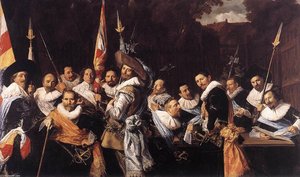
St Matthew

- 70.0 x 55.0 cm


 Összes részlet megjelenítése
Giclée / Műnyomat
Múzeumi minőségű giclée vagy vászonnyomat, gyors gyártással és rugalmas finomítási lehetőségekkel. ( Kézzel festett másolat rendelése Áttérés digitális képre)




P118B Ft10

P118H Ft10

P118W Ft10

P438Z Ft10

P508JH Ft12

P508YH Ft12

P805H Ft10

P805Z Ft10

P919BZ Ft10

P919G Ft10

P919XJ Ft10

P959ZH Ft10

P968JZ Ft12

W106C Ft8

W218G Ft10

W218JH Ft8

W218Y Ft10

W307PJ Ft10

W316G Ft10

W316PJ Ft8

W316Y Ft10

W398PJ Ft8

W4111J Ft10

W500HY Ft15

W500JH Ft15

W692G Ft12

W849H Ft8

W940BG Ft15

W953PJ Ft8




Válasszon előre meghatározott méreteink közül, amelyek megfelelnek a műalkotás eredeti arányainak.

Írja be a keretének vagy a falának megfelelő szélességet és magasságot. A nyomatot csak le lehet vágni, soha nem tehető nagyobbá, mint az eredeti kép, így egy eltérő alakú méretnél a kép egy része elveszik. Mielőtt bármit kinyatintanánk, küldünk egy digitális próbamodellt jóváhagyásra. Az oldalon látható kép nem tartalmazza a valós levágást — ezt csak a próbamodell mutatja meg.
Világszerte történő kiszállítás területére mindössze 2 hét alatt, a szokásos 4-5 hét helyett. (4 november)

Ingyenes globális expressz szállítás

Prémium minőségű len vászon

Teljes körű szállítási biztosítás

Vámvisszatérítési Garancia

Hiteles színarányosság garancia

100 napos visszaküldési lehetőség (csak hibás termékek esetén)

100% pénzvisszatérítési garancia

Több darab vásárlásakor kedvezmény
 Az üvegkeretes opció csak 110 cm alatti méretben érhető el

St Matthew
Giclée / Műnyomat
Reprodukció mérete
-


Összesített ár
Ft 26538
The Gentle Illumination of Knowledge
To stand before this depiction of St Matthew is to step into a moment suspended in time—a quiet confluence of wisdom being passed from one generation to the next. The scene unfolds with an almost palpable warmth, drawing the viewer into the intimate space of study or scholarly discourse. At its heart lies the compelling interaction between the learned gentleman, whose long white beard speaks of years spent in contemplation, and the attentive child gazing upon him. He holds a book, not merely as an object, but as a conduit for divine knowledge, his gesture suggesting both authority and profound tenderness. The surrounding figures, subtly placed within the composition, serve to anchor this central narrative, creating a rich tapestry of human connection woven around the act of learning.
A Masterclass in Spontaneity: Hals's Brushwork
The genius evident in Frans Hals I’s handling of paint is nothing short of revolutionary. One does not observe the meticulous, almost brittle detail favored by some of his contemporaries; rather, one encounters a breathtaking sense of immediacy. Hals employed a loose, expressive brushstroke that seems to capture the very breath of the moment. This technique imbues the portrait with an unparalleled vitality, making the figures feel less like painted representations and more like living souls caught mid-conversation. When considering a reproduction of this work for your interior space, it is crucial to appreciate how this visible texture—this spirited application of paint—adds depth and kinetic energy, preventing the piece from ever feeling static.
Historical Echoes and Spiritual Resonance
Dating to 1625, this painting emerges from a period when intellectual life flourished alongside deep spiritual currents in the Dutch Golden Age. The figure of St Matthew himself carries immense symbolic weight, traditionally associated with evangelism, medicine, and the recording of scripture. The act depicted—the teaching—is therefore elevated beyond mere tutoring; it becomes an allegory for the transmission of sacred or profound truth. For the collector or designer, this resonance allows the artwork to function not just as decoration, but as a quiet meditation piece, suggesting that wisdom is always accessible through patient guidance.
Crafting Atmosphere: An Interior Focal Point
The overall atmosphere captured by Hals is one of nurturing enlightenment. The soft lighting implied within the study setting bathes the figures in a glow that speaks of understanding dawning. For those decorating a library, an office, or a drawing-room, this piece offers more than just portraiture; it offers ambiance. It suggests contemplation, intellectual pursuit, and familial connection. A high-quality reproduction allows you to bring this specific emotional resonance—this feeling of being enveloped in thoughtful conversation—into your own curated environment, making the room feel instantly richer and more storied.
Kérdések és válaszok
Hogyan tölthetem le a(z) „St Matthew”, Frans Hals I alkotása képét?
A „St Matthew”, Frans Hals I alkotása letölthető a mű Letöltés oldaláról, magas felbontású digitális kép letöltése formátumban.
Milyen technikával készült a(z) „St Matthew”, Frans Hals I alkotása?
Frans Hals I a Oil On Canvas technikát alkalmazta a "St Matthew" alkotáshoz. A technika határozza meg az eredeti mű anyagösszetételt.
Mely művészhez köthető a "St Matthew"?
A „St Matthew” műtémét Frans Hals I alkotójának tulajdonítják.
A művész életrajza
Frans Hals I: Élet a festészetben
Frans Hals I. egy holland festő volt, aki körülbelül 1580 körül született Antwerpenben, Belgiumában. Bár korai évei még mindig némi rejtélyességbe burkolóznak, ő emelkedett fel a holland aranykor egyik legfontosabb alakjává, híresült innovatív portréfestészetéről és művészeti jeleneteiről.
Korai élet és képzés
Hals formálódó éveire vonatkozó részletek ritkák. Úgy vélik, első művészeti képzését Antwerpenben szerezte, amely a korabeli festészet kiemelkedő központja volt. Vallási és politikai zűrzavar miatt azonban családja Hollandia, Haarlem városaに移 relocation lett. 1610-ben csatlakkozott a haarlemi Szent Lukács Céghoz, ami szakmai pályafutása hivatalos kezdete volt.
Művészeti stílus és fejlődés
Hals egy rendkívül friss és spontán stílussal különböztette meg magát. Ellentétben sok kortársával, akik a precíz részleteket részesítették előnyben, Hals egy lazább és kifejezőbb ecsetvonást alkalmazott. Ez a technika azonnali érzetet és vitalitást kölcsönzött festményeinek, úgy megörökítve vágyat ébresztő alanyai személyiségét és karakterét, ami forradalmi volt korához képest.
- Portréi nem csupán hasonlatok voltak; azok pszichológiai tanulmányok voltak.
- Kiválóan tudott ábrázolni múlandó pillanatokat – nevetést, beszélgetést vagy elmélyült gondolkodást.
- A fény és árnyék használata mélységet és drámaiságot adott kompozícióinak.
Hírneves művek
Bár Hals széles repertoárral rendelkezett, leginkább portréiról ismert. Legünnepélyebb festményei közé tartozik például:
- A nevető lovag (1624) – A karakter és a mozgás megörökítésének tökéletes példája.
- Malle Babbe (kb. 1633-1635) – Egy idős asszony lenyűgöző ábrázolása, amely demonstrates Hals képességét az életkor és a személyiség megjelenítésében.
- A haarlemi öregembátha régenseinek portréi (1664) – A csoportportré mesteri tudását demonstrálja.
Emellett lenyűgöző művészeti jeleneket is alkotott – a mindennapi élet ábrázolásait –, amelyek betekintést nyújtottak a holland társalomba.
Hatások és örökség
Hals közvetlen hatásainak meghatározása nehéz, mivel rendkívül egyedi stílust fejlesztett ki. Azonban valószínű, hogy tisztában volt korábbi flamandi festők, például Pieter Bruegel idősebb munkásságával is. A portréfestészet iránti innovatív megközelítése mély hatást gyakorolt a későbbi művészgenerációkra.
- Olyan művészeket befolyásolt, mint Adriaen Brouwer és Johannes Vermeer.
- A személyiség megörökítésére való hangsúlyát olyan módon építette be a művészetbe, amely utat nyitott az intimebb és pszichológiaiabb portrék előtt.
- A későbbi művészek, köztük az impresszionisták is, csodálták laza ecsetvezetéseit és a fényre való fókuszálását.
Történelmi jelentőség
Frans Hals I. döntő szerepet játszott a holland festészet alakításában az aranykor alatt. Műve tükrözi a hollandország akkori növekvő jólétét és individualizmusát. A merev formalitástól távolodva egy természetesebb és kifejezőbb stílus felé mozdult el, maradandó örökséget hagyva a művészet világára.
Napjainkban festményei rendkívül keresettek, és a világ számos jelentős múzeumában megtalálhatóak, köztük a haarlemi Frans Hals Múzeum, amely a legjelentősebb gyűjteményét őrzi műveiből. Ovadmányai évszázadokkal később is képes felkeltni a művészeket és lenyűgözni a közönséget.

Frans Hals I
1580 - 1585 , Belgium
Rövid információk
- Artistic Movement Or Style: Dutch Golden Age
- Artists Or Movements Influenced By This Artist:
- Cornelis van Haarlem
- Johannes Vermeer
- Artists Who Influenced This Artist: ['Pieter Bruegel az Idő']
- Date Of Birth: 1580 körül
- Date Of Death: 1666 augusztus 26.
- Full Name: Frans Hals I
- Nationality: Hollandi
- Notable Artworks:
- A nevető lovag
- Malle Babbe
- Az öregek otthonának főczemberei
- Place Of Birth: Antwerpen
Kapcsolódó cikkek

Golden Light & Dutch Skies: The Timeless Magic of Dutch Golden Age Landscapes
Discover the breathtaking beauty of Dutch Golden Age landscapes. Explore the mastery of light, chiaroscuro, and 17th-century realism through an expert art history lens, celebrating the enduring legacy of the Dutch Masters for discerning collectors and art lovers.

Frans Hals I: Innovation, Intimacy & the Dutch Golden Age Portrait
Explore the revolutionary portraiture of Frans Hals I, a master of the Dutch Golden Age. Discover his innovative techniques, captivating character studies & lasting impact on art history. Learn more at OriginalUniqueArt.
Illuminating Realism: Exploring the Dutch Golden Age of Painting (1600-1700)
Explore the Dutch Golden Age of painting (1600-1700) with OriginalUniqueArt. Discover Rembrandt, Vermeer & other masters. Learn about techniques, history & find museum-quality reproductions.
Illuminating Innovation: Exploring the Dutch Golden Age of Painting
Explore the Dutch Golden Age of painting with OriginalUniqueArt. Discover Rembrandt, Vermeer & other Masters. Learn about key characteristics, iconic artworks, and lasting influence. Expert insights for collectors & enthusiasts.

A Hollandi Aranykor 10 Mesterműve: Festmények, Amelyek Megváltoztatták a Világot | OriginalUniqueArt.com
Fedezze fel a Hollandi Aranykor 10 legikonikusabb műalkotását! Rembrandt, Vermeer és más mesterek festményeinek történeteit olvassa el. Barokk stílus, klasszikus művészet – inspirálódjon otthon dekorációjához a OriginalUniqueArt.com-on! Fedezze fel a teljes gyűjteményt online.