Megtekintés
 Küldés
 Megosztás
 Részletek
 Útmutató

 Letöltés
 Hasonló darabok
 X-ray felvétel
 Diavetítés
 Q&A
Q&A Statisztika
Herman Langelius


 Összes részlet megjelenítése
Giclée / Műnyomat
Múzeumi minőségű giclée vagy vászonnyomat, gyors gyártással és rugalmas finomítási lehetőségekkel. ( Kézzel festett másolat rendelése Áttérés digitális képre)




P118B Ft10

P118H Ft10

P118W Ft10

P438Z Ft10

P508JH Ft12

P508YH Ft12

P805H Ft10

P805Z Ft10

P919BZ Ft10

P919G Ft10

P919XJ Ft10

P959ZH Ft10

P968JZ Ft12

W106C Ft8

W218G Ft10

W218JH Ft8

W218Y Ft10

W307PJ Ft10

W316G Ft10

W316PJ Ft8

W316Y Ft10

W398PJ Ft8

W4111J Ft10

W500HY Ft15

W500JH Ft15

W692G Ft12

W849H Ft8

W940BG Ft15

W953PJ Ft8




Válasszon előre meghatározott méreteink közül, amelyek megfelelnek a műalkotás eredeti arányainak.

Írja be a keretének vagy a falának megfelelő szélességet és magasságot. A nyomatot csak le lehet vágni, soha nem tehető nagyobbá, mint az eredeti kép, így egy eltérő alakú méretnél a kép egy része elveszik. Mielőtt bármit kinyatintanánk, küldünk egy digitális próbamodellt jóváhagyásra. Az oldalon látható kép nem tartalmazza a valós levágást — ezt csak a próbamodell mutatja meg.
Világszerte történő kiszállítás területére mindössze 2 hét alatt, a szokásos 4-5 hét helyett. (2 november)

Ingyenes globális expressz szállítás

Prémium minőségű len vászon

Teljes körű szállítási biztosítás

Vámvisszatérítési Garancia

Hiteles színarányosság garancia

100 napos visszaküldési lehetőség (csak hibás termékek esetén)

100% pénzvisszatérítési garancia

Több darab vásárlásakor kedvezmény
 Az üvegkeretes opció csak 110 cm alatti méretben érhető el

Herman Langelius
Giclée / Műnyomat
Reprodukció mérete
-


Összesített ár
Ft 26198
The Intimate Gaze of Herman Langelius
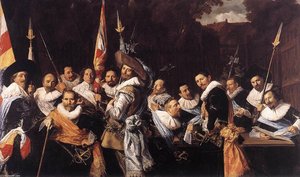
Frans Hals’s “Herman Langelius,” painted around 1660, is more than just a portrait; it's a window into the soul of a man caught in a moment of quiet contemplation. This remarkable work, currently residing in the Musée de Picardie in Amiens, France, exemplifies Hals’s signature style – a masterful blend of realism and expressive brushwork that captures not only physical likeness but also an underlying sense of character and emotion. The painting depicts Herman Langelius, a Dutch Protestant minister, presented in a half-length pose, his gaze fixed directly upon the viewer with an intensity that is both arresting and profoundly human.
Hals’s technique here is particularly noteworthy. He employs a loose, almost impressionistic approach to rendering the figure, eschewing meticulous detail in favor of capturing the essence of Langelius's presence. Notice how the brushstrokes are visible, creating a textured surface that seems to vibrate with life. The chiaroscuro – the dramatic contrast between light and shadow – is expertly utilized, drawing attention to Langelius’s face and hands while subtly obscuring the background, further emphasizing his isolation and introspective mood. Hals was known for this technique, often referred to as “wet-on-wet,” where he applied paint while it was still wet, allowing colors to blend and merge organically.
A Baroque Masterpiece: Context and Style
“Herman Langelius” firmly situates itself within the vibrant context of the Dutch Golden Age. This period, roughly spanning from the mid-16th to the early 18th centuries, witnessed an unprecedented flourishing of art, science, and commerce in the Netherlands. Hals was a central figure in this artistic revolution, pushing boundaries with his innovative portraiture and genre scenes. His work stands apart from the more formal and idealized portraits favored by some of his contemporaries, instead embracing a sense of immediacy and spontaneity that reflects the dynamism of everyday life.
The painting’s Baroque style is evident in its dramatic lighting, rich textures, and emphasis on emotional expression. Baroque art, which flourished throughout Europe during this period, sought to evoke strong emotions in the viewer through grand gestures, intense colors, and dynamic compositions. Hals masterfully translates these principles into his portrait of Langelius, creating a work that is both visually stunning and emotionally resonant.
Symbolism and Character
Beyond its technical brilliance, “Herman Langelius” is rich in subtle symbolism. The subject’s direct gaze invites the viewer to engage with him on a personal level, suggesting a shared understanding or perhaps even a silent dialogue. His slightly melancholic expression hints at a contemplative nature, reflecting the burdens and responsibilities of his role as a minister. The dark clothing he wears also speaks to the solemnity of his profession.
Interestingly, Hals often painted what are known as “tronies”—studies of facial expressions rather than commissioned portraits. This approach allowed him to explore a range of human emotions and personalities without being constrained by specific requests from clients. The painting’s focus on Langelius's face—particularly his eyes—is a testament to Hals’s ability to capture the essence of a person through a single, powerful image.
A Timeless Portrait: Reproduction Possibilities
OriginalUniqueArt offers high-quality reproductions of “Herman Langelius,” allowing art lovers worldwide to experience the beauty and power of this iconic painting. Our meticulous printing process faithfully captures Hals’s distinctive brushwork and vibrant colors, ensuring that your reproduction will be a stunning addition to any home or office. Whether you're seeking an authentic representation for personal enjoyment or a sophisticated piece for interior design, our reproductions provide a remarkable way to connect with one of the Dutch Golden Age’s most celebrated artists.
Explore the full details and order your own reproduction today at OriginalUniqueArt.
Kérdések és válaszok
Mely paletta és domináns szín határozza meg a "Herman Langelius" alkotást?
A „Herman Langelius”, Frans Hals I alkotása színek identitása: egy Earthy paletta, amelyet Phthalo Green (#282322) dominál.
Milyen fényerő ébreszt fel „Herman Langelius”, Frans Hals I alkotása alkotást?
A „Herman Langelius”, Frans Hals I alkotása érzetelt fényessége deep_shadow. Ez összehangolható az adott tér világításával.
Milyen színek jellemzik a "Herman Langelius" alkotást?
A „Herman Langelius”, Frans Hals I alkotása egy Earthy színpalettát használ, amely összefoglalja a mű egészében megnyilvánuló színes karakterét.
A művész életrajza
Frans Hals I: Élet a festészetben
Frans Hals I. egy holland festő volt, aki körülbelül 1580 körül született Antwerpenben, Belgiumában. Bár korai évei még mindig némi rejtélyességbe burkolóznak, ő emelkedett fel a holland aranykor egyik legfontosabb alakjává, híresült innovatív portréfestészetéről és művészeti jeleneteiről.
Korai élet és képzés
Hals formálódó éveire vonatkozó részletek ritkák. Úgy vélik, első művészeti képzését Antwerpenben szerezte, amely a korabeli festészet kiemelkedő központja volt. Vallási és politikai zűrzavar miatt azonban családja Hollandia, Haarlem városaに移 relocation lett. 1610-ben csatlakkozott a haarlemi Szent Lukács Céghoz, ami szakmai pályafutása hivatalos kezdete volt.
Művészeti stílus és fejlődés
Hals egy rendkívül friss és spontán stílussal különböztette meg magát. Ellentétben sok kortársával, akik a precíz részleteket részesítették előnyben, Hals egy lazább és kifejezőbb ecsetvonást alkalmazott. Ez a technika azonnali érzetet és vitalitást kölcsönzött festményeinek, úgy megörökítve vágyat ébresztő alanyai személyiségét és karakterét, ami forradalmi volt korához képest.
- Portréi nem csupán hasonlatok voltak; azok pszichológiai tanulmányok voltak.
- Kiválóan tudott ábrázolni múlandó pillanatokat – nevetést, beszélgetést vagy elmélyült gondolkodást.
- A fény és árnyék használata mélységet és drámaiságot adott kompozícióinak.
Hírneves művek
Bár Hals széles repertoárral rendelkezett, leginkább portréiról ismert. Legünnepélyebb festményei közé tartozik például:
- A nevető lovag (1624) – A karakter és a mozgás megörökítésének tökéletes példája.
- Malle Babbe (kb. 1633-1635) – Egy idős asszony lenyűgöző ábrázolása, amely demonstrates Hals képességét az életkor és a személyiség megjelenítésében.
- A haarlemi öregembátha régenseinek portréi (1664) – A csoportportré mesteri tudását demonstrálja.
Emellett lenyűgöző művészeti jeleneket is alkotott – a mindennapi élet ábrázolásait –, amelyek betekintést nyújtottak a holland társalomba.
Hatások és örökség
Hals közvetlen hatásainak meghatározása nehéz, mivel rendkívül egyedi stílust fejlesztett ki. Azonban valószínű, hogy tisztában volt korábbi flamandi festők, például Pieter Bruegel idősebb munkásságával is. A portréfestészet iránti innovatív megközelítése mély hatást gyakorolt a későbbi művészgenerációkra.
- Olyan művészeket befolyásolt, mint Adriaen Brouwer és Johannes Vermeer.
- A személyiség megörökítésére való hangsúlyát olyan módon építette be a művészetbe, amely utat nyitott az intimebb és pszichológiaiabb portrék előtt.
- A későbbi művészek, köztük az impresszionisták is, csodálták laza ecsetvezetéseit és a fényre való fókuszálását.
Történelmi jelentőség
Frans Hals I. döntő szerepet játszott a holland festészet alakításában az aranykor alatt. Műve tükrözi a hollandország akkori növekvő jólétét és individualizmusát. A merev formalitástól távolodva egy természetesebb és kifejezőbb stílus felé mozdult el, maradandó örökséget hagyva a művészet világára.
Napjainkban festményei rendkívül keresettek, és a világ számos jelentős múzeumában megtalálhatóak, köztük a haarlemi Frans Hals Múzeum, amely a legjelentősebb gyűjteményét őrzi műveiből. Ovadmányai évszázadokkal később is képes felkeltni a művészeket és lenyűgözni a közönséget.

Frans Hals I
1580 - 1585 , Belgium
Rövid információk
- Artistic Movement Or Style: Dutch Golden Age
- Artists Or Movements Influenced By This Artist:
- Cornelis van Haarlem
- Johannes Vermeer
- Artists Who Influenced This Artist: ['Pieter Bruegel az Idő']
- Date Of Birth: 1580 körül
- Date Of Death: 1666 augusztus 26.
- Full Name: Frans Hals I
- Nationality: Hollandi
- Notable Artworks:
- A nevető lovag
- Malle Babbe
- Az öregek otthonának főczemberei
- Place Of Birth: Antwerpen
Kapcsolódó cikkek

A Hollandi Aranykor 10 Mesterműve: Festmények, Amelyek Megváltoztatták a Világot | OriginalUniqueArt.com
Fedezze fel a Hollandi Aranykor 10 legikonikusabb műalkotását! Rembrandt, Vermeer és más mesterek festményeinek történeteit olvassa el. Barokk stílus, klasszikus művészet – inspirálódjon otthon dekorációjához a OriginalUniqueArt.com-on! Fedezze fel a teljes gyűjteményt online.

A Hollandi Barokk 10 Mesterműve: Festmények, Amelyek Megváltoztatták a Világot | OriginalUniqueArt
Fedezze fel a holland barokk 10 legikonikusabb műalkotását! Rembrandt, Vermeer és más mesterek festményeinek története, technikája és időtálló szépsége. Művészeti reprodukciók prémium minőségben – OriginalUniqueArt.com.

Golden Age Reflections: Dutch Baroque Painting & Cultural Innovation
Explore the Dutch Golden Age of painting! Discover key artists like Vermeer & ter Borch, their innovative techniques, and the rich cultural context behind these Baroque masterpieces. Learn about collecting & appreciating this iconic art period.

Frans Hals I: Innovation, Intimacy & the Dutch Golden Age Portrait
Explore the revolutionary portraiture of Frans Hals I, a master of the Dutch Golden Age. Discover his innovative techniques, captivating character studies & lasting impact on art history. Learn more at OriginalUniqueArt.

Rembrandt legikonikusabb művei: 25 mestermű a vászonon – OriginalUniqueArt
Fedezze fel Rembrandt van Rijn 25 legikonikusabb művét! Barokk portrék, bibliai jelenetek és önarcképek a Holland aranykorból. Művészeti reprodukciók prémium minőségben – OriginalUniqueArt. Explore the full collection online!