

 Előnézet
 Megosztás
 Megosztás
 Részletek
 Útmutató

 Letöltés
 Hasonló darabok
 X-ray felvétel
 Diavetítés
 Statisztika
George Inness


 Tovább olvasom
Kézzel készített olajfestmény reprodukció
Kézzel festett olajvastú vászon, az Ön által választott méretben és keretben, művészeink készítik meglévőre. ( Váltás nyomtatványra Áttérés digitális képre)




































Válasszon előre meghatározott méreteink közül, amelyek megfelelnek a műalkotás eredeti arányainak.

Ön megadhat saját méreteket egy adott kerethez vagy térhez igazításhoz. Ha a kiválasztott méret nem egyezik az eredeti kép arányával, akkor a műalkotást levágjuk, vagy további kézzel festett elemekkel meghosszabbítjuk a festményt. A gyártás megkezdése előtt küldünk Önnek egy digitális előnézetet jóváhagyásra.
Kérjük, vegye figyelembe, hogy a képernyőn megjelenő előnézet nem tükrözi a tényleges vágást vagy kiterjesztést. Csak az előnézet fog pontosan mutatni a végső kompozíciót.
Bár egyedi méretek állnak rendelkezésre, javasoljuk, hogy válasszon egy méretet az előre meghatározott listából az eredeti arányok megőrzése érdekében.
A rendelést követően a OriginalUniqueArt.com csapata e-mailt küld az ügyfélnek az instrukciókért, és biztosít egy előnézeti képet (mockup).
Világszerte elérhető szállítás () 3-4 hét alatt a szokásos 5 hét helyett. (26 szeptember). A minőség nem kérdőjelezhető.

Ingyenes globális expressz szállítás

Prémium minőségű len vászon

Teljes körű szállítási biztosítás

Vámvisszatérítési Garancia

Tökéletes színarányosság garancia

100 napos visszaküldési garancia (csak gyártási hibás termékek esetén)

100% pénzvisszatérítési garancia

Több darab vásárlásakor kedvezmény
 Az üvegkeretes opció csak 110 cm alatti méretben érhető el

George Inness
Reprodukciós technika
Reprodukció méretei
-


Összesített ár
$ 300
A művész életrajza
Franklin C. Courter: Pioneer of Arctic Landscape Painting
Franklin C. Courter (1854 – 1947) stands as a singular figure in American landscape painting, particularly renowned for his immersive depictions of the Arctic wilderness and his masterful execution of tonalist techniques. Born in Grimsby, Lincolnshire, England, Courter’s artistic journey began with formal training at the Royal Academy in London before he emigrated to the United States in 1883, establishing himself as a resident of Indianapolis where he would spend the remainder of his life. His distinctive style—characterized by subdued colors, atmospheric haze, and an unwavering commitment to capturing the essence of natural light—earned him considerable acclaim during his lifetime and continues to inspire admiration among art historians today.- Early Influences: Courter’s formative years were profoundly shaped by the Impressionist movement in Paris, where he encountered luminists like George Inness and Claude Monet. These encounters instilled within him a fascination for capturing fleeting moments of beauty and conveying emotion through subtle tonal variations—a cornerstone of his artistic approach.
- The Arctic Expeditions: Courter’s most celebrated achievements stemmed from his participation in several expeditions to explore the Arctic Circle. Notably, he accompanied Robert Peary's 1898 expedition to North Pole, documenting the desolate landscapes and capturing the arduous realities faced by explorers. His paintings from these voyages—particularly “Lincoln and His Son, Tad”—offer unparalleled insight into the psychological impact of extreme environments on human perception.
- Notable Works: Among Courter’s impressive oeuvre are “Landscape near Sparta, New Jersey,” a serene portrayal of rural New Jersey bathed in autumnal hues; and numerous smaller canvases depicting scenes from Yosemite National Park. These works exemplify his ability to distill complex natural phenomena into evocative compositions that resonate with viewers.
- Legacy: Franklin C. Courter’s contribution to American landscape painting is undeniable. His pioneering use of tonalist techniques—coupled with his unflinching documentation of Arctic expeditions—established him as a visionary artist who captured the sublime beauty and psychological depth of the natural world. Today, reproductions of his paintings are treasured by collectors worldwide, ensuring that his artistic legacy persists for generations to come.
Influence and Artistic Style
Courter’s stylistic choices were deeply rooted in the tonalist movement, which emerged in the late 1880s as a reaction against Impressionism's emphasis on optical color perception. Tonalists sought to depict landscapes with an unwavering fidelity to observed light and shadow—a pursuit that demanded patience, meticulous observation, and a profound understanding of atmospheric effects. Courter’s canvases often eschewed vibrant hues in favor of muted browns, greens, and grays, prioritizing tonal harmonies over chromatic brilliance.- Symbolism: Courter's paintings frequently incorporated symbolic elements—such as solitary figures contemplating the grandeur of nature—to convey deeper meanings about human experience. These images served as meditations on themes of solitude, contemplation, and the relationship between humanity and the environment.
Museum Exhibitions and Recognition
Courter’s artwork gained considerable recognition during his lifetime through appearances in prestigious exhibitions across the United States. His paintings were showcased at the Pennsylvania Academy of Fine Arts, the Art Institute of Chicago, and numerous other institutions—solidifying his reputation as one of America's foremost landscape painters.
franklin c courter
1854 - 1947
Gyors információk
- Artistic Movement Or Style: Tonalist
- Artists Or Movements Influenced By This Artist: ['American Impressionism']
- Artists Who Influenced This Artist: ['George Inness']
- Date Of Birth: 1854
- Date Of Death: 1947
- Full Name: Franklin C Courter
- Nationality: American
- Notable Artworks:
- Lincoln and His Son, Tad
- (Landscape near Sparta, New Jersey)
- George Inness
- Place Of Birth: Grimsby, Lincolnshire
Kapcsolódó cikkek

Oil on Canvas: A Historical & Technical Exploration of a Timeless Artistic Medium
Explore the rich history & enduring techniques of oil painting on canvas. Discover the science behind its longevity, conservation practices, and contemporary relevance. Expert insights for art enthusiasts.

Georges Seurat 25 Mesterműve: A Pontillizmus Zsenialitása – OriginalUniqueArt.com
Fedezze fel Georges Seurat 25 legikonikusabb művét! Ismerje meg a pontillizmus zsenialitását, az impresszionizmus forradalmát és a színek lenyűgöző játékát. Prémium minőségű reprodukciók és inspiráló otthoni dekorációk a OriginalUniqueArt.com-on. Fedezze fel a teljes gyűjteményt online!

Georges Braque Mesterek: A 25 Leglenyűgözőbb Kép, Ami Megváltoztatta a Modern Festészetet
Fedezze fel Georges Braque 25 legikonikusabb műalkotását! Ismerje meg a kubizmus történetét, Picasso hatását és a francia művész lenyűgöző festményeit. Múzeumi minőségű reprodukciók és inspiráló dekorációs ötletek a OriginalUniqueArt.com-on.
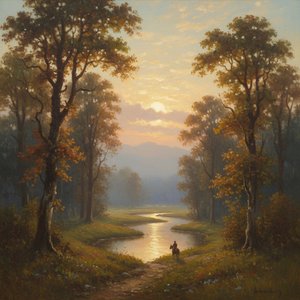
George Inness: Transcendental Landscapes & the American Search for Spiritual Harmony
Explore the profound landscapes of George Inness, a leading American artist-philosopher. Discover his spiritual approach to painting, influences, and lasting legacy with OriginalUniqueArt.

The Enduring Legacy of Oil on Canvas: Technique, History & Aesthetic Impact
Explore the rich history & techniques of oil painting – from Renaissance masters to Impressionism. Discover pigments, layering methods, and why this timeless medium endures. Expert insights for artists & art enthusiasts.