

 Megtekintés
 Küldés
 Megosztás
 Részletek

 Letöltés
 Hasonló darabok
 X-ray felvétel
 Diavetítés
Primrose Day


 Összes részlet megjelenítése
Kézzel készített olajfestmény reprodukció
Kézzel festett olajvastú vászon, az Ön által választott méretben és keretben, művészeink készítik meglévőre. ( Nyomat rendelése Kép letöltése)




P118B $10

P118H $10

P118W $10

P438Z $10

P508JH $12

P508YH $12

P805H $10

P805Z $10

P919BZ $10

P919G $10

P919XJ $10

P959ZH $10

P968JZ $12

W106C $8

W218G $10

W218JH $8

W218Y $10

W307PJ $10

W316G $10

W316PJ $8

W316Y $10

W398PJ $8

W4111J $10

W500HY $15

W500JH $15

W692G $12

W849H $8

W940BG $15

W953PJ $8




Válasszon előre meghatározott méreteink közül, amelyek megfelelnek a műalkotás eredeti arányainak.

Ön megadhat saját méreteket egy adott kerethez vagy térhez igazításhoz. Ha a kiválasztott méret nem egyezik az eredeti kép arányával, akkor a műalkotást levágjuk, vagy további kézzel festett elemekkel meghosszabbítjuk a festményt. A gyártás megkezdése előtt küldünk Önnek egy digitális előnézetet jóváhagyásra.
Kérjük, vegye figyelembe, hogy a képernyőn megjelenő előnézet nem tükrözi a tényleges vágást vagy kiterjesztést. Csak az előnézet fog pontosan mutatni a végső kompozíciót.
Bár egyedi méretek állnak rendelkezésre, javasoljuk, hogy válasszon egy méretet az előre meghatározott listából az eredeti arányok megőrzése érdekében.
A rendelést követően a OriginalUniqueArt.com csapata e-mailt küld az ügyfélnek az instrukciókért, és biztosít egy előnézeti képet (mockup).
Világszerte elérhető szállítás () 3-4 hét alatt a szokásos 5 hét helyett. (22 augusztus). A minőség nem kérdőjelezhető.

Ingyenes globális expressz szállítás

Prémium minőségű len vászon

Teljes körű szállítási biztosítás

Vámvisszatérítési Garancia

Hiteles színpontosság garancia

60 napos visszaküldési lehetőség (csak hibás termékek esetén)

100% pénzvisszatérítési garancia

Több darab vásárlása esetén kedvezmény
 Az üvegkeretes opció csak 110 cm alatti méretben érhető el

Primrose Day
Reprodukciós technika
Reprodukció mérete
-


Összesített ár
$ 300
A műalkotás leírása
A Gentle Afternoon in Bloom: Exploring Primrose Day
To gaze upon Primrose Day is to step directly into a sun-dappled moment of domestic tranquility from the late Victorian era. Frank Bramley, master chronicler of light and human connection, has captured not merely a scene, but an atmosphere—a breath held between conversation and contemplation. The composition centers on a seated woman, enveloped in the soft glow that seems to emanate from the very flowers resting gently upon her lap. These blooms, perhaps primroses themselves, are more than mere decoration; they are the heart of the painting’s gentle narrative, speaking silently of fleeting beauty and seasonal grace.
The Artistry of Light and Form
Bramley’s technique here showcases a masterful handling of light, characteristic of his deep immersion in the Newlyn School's commitment to capturing everyday life with painterly immediacy. While the structure suggests an intimate dining area—evidenced by the nearby table, vase, and second chair—the focus remains intensely personal. Notice how the artist uses varied tones to model the figures and the rich textures of the textiles. The interplay between the shadowed corners and the illuminated skin of the sitter gives the work a palpable sense of depth. It is a study in quiet observation; Bramley doesn't just paint what he sees, he paints what he feels when observing it.
Symbolism Woven into the Scene
The inclusion of flowers, particularly those associated with spring like primroses, carries deep symbolic weight throughout art history. They speak of renewal, new beginnings, and the cyclical nature of life itself. The basket resting near her lap suggests a bounty, a gathering of ephemeral joys. Furthermore, the partially visible figure in the background adds a layer of narrative complexity; they are witnesses to this moment, suggesting that even private moments unfold within the context of shared human experience. It invites the viewer to wonder about the conversation just concluded or about to begin.
A Touch for the Modern Collector
For those who appreciate the evocative spirit of late 19th-century British art, Primrose Day offers an unparalleled opportunity to bring a piece of historical romance into contemporary living spaces. Whether adorning a formal drawing-room or lending a soft, cultured touch to a sunlit dining nook, this reproduction captures an enduring sense of domestic poetry. It is more than just decoration; it is an heirloom moment, inviting the viewer to pause, breathe deeply, and appreciate the quiet beauty found in simple pleasures.
The overall emotional impact is one of serene nostalgia—a beautiful echo from a time when art so intimately documented the rhythms of life lived well.
A művész életrajza
A Life Immersed in Light and Shadow: The World of Frank Bramley
Frank Bramley, a name that echoes through the halls of British Post-Impressionism and is inextricably linked to the spirit of the Newlyn School, was an artist whose extraordinary ability lay in translating human emotion onto canvas. Born in the tranquil Lincolnshire village of Sibsey in 1857, his journey – from a promising etcher to a celebrated Royal Academician – is a testament to unwavering dedication, artistic exploration, and a profound sensitivity to the lives unfolding around him. Bramley’s early years were shaped by formal art education, beginning at Lincoln School of Art before he embarked on a transformative period studying at the prestigious Koninklijke Academie voor Schone Kunsten in Antwerp under Charles Verlat. This time proved formative, instilling within him not just technical mastery but also exposure to the currents of continental artistic thought – influences that would profoundly shape his mature style. A subsequent sojourn in Venice further broadened his horizons, allowing him to absorb the city’s unique atmosphere and masterfully capture the nuanced interplay of light, a skill he would later become renowned for.The Newlyn School: Capturing Cornish Life
However, it was the rugged beauty and authentic character of Cornwall that truly ignited Bramley's artistic vision. Drawn to the burgeoning artist colony in Newlyn, he found himself immersed in a community captivated by the area’s distinctive light and the unvarnished realities of its fishing communities. Unlike many of his contemporaries who focused on idyllic depictions of coastal scenes, Bramley chose to delve into the intimate interiors of homes, seeking to capture not just the visual appearance but also the emotional complexities within those spaces. He wasn't merely documenting life; he was attempting to understand and portray the very soul of his subjects – their hardships, joys, and quiet dignity with remarkable empathy. This focus allowed him to explore the fascinating interplay between natural and artificial light, creating atmospheric depth and imbuing his paintings with a palpable sense of mood. Bramley’s technique became increasingly distinctive during this period, characterized by the use of a flat square brush – a method he developed himself – applying paint in a deliberate, jigsaw-like pattern to create texture and vibrancy on the canvas.Themes of Loss and Resilience: A Masterful Palette
Bramley's artistic output is deeply rooted in realism, yet it transcends mere representation through its profound emotional depth. He was profoundly influenced by artists like Jean-François Millet, whose depictions of peasant life resonated with Bramley’s own commitment to portraying the lives of working-class individuals. This influence is particularly evident in works such as A Hopeless Dawn (1888), arguably his most famous painting and now held within the Tate Gallery's collection. The work powerfully conveys a sense of grief and despair, depicting a young woman consumed by sorrow – believed to be Effy Reynolds James – and has become an iconic representation of Victorian melancholy. The Fisherman’s Home (1889) similarly explores themes of loss and hardship, while Every One His Own Tale (1885) offers a captivating glimpse into the intimate lives of Cornish families. Bramley's palette evolved over time, becoming brighter and more impastoed as he honed his technique, yet always remained grounded in tonal harmony and a sophisticated understanding of color’s emotive power.Recognition and Legacy: A Lasting Impression
Throughout his career, Frank Bramley garnered significant recognition within the British art establishment. He was elected an Associate of the Royal Academy (ARA) in 1894, a testament to his growing reputation, and achieved full Royal Academician status (RA) in 1911. His talent also extended beyond national borders; he received a gold medal at the prestigious Paris Salon, further solidifying his international acclaim. Interestingly, Bramley was a founding member of the New English Art Club but later resigned following disagreements with fellow artist Walter Sickert, demonstrating his independent spirit and unwavering commitment to his artistic vision. He eventually settled in Grasmere in the Lake District, continuing to exhibit widely until his untimely death in 1915. Frank Bramley’s legacy endures as a poignant reminder of an era defined by social change and artistic innovation. His paintings offer not only aesthetic pleasure but also a profound emotional connection to the lives and experiences of those who came before us, cementing his place as a significant figure in British Post-Impressionism and the Newlyn School.A Continuing Dialogue with the Past
Today, Bramley’s works are held in numerous public and private collections across the globe, including the Tate Gallery, the Royal Cornwall Museum, and the National Portrait Gallery. His paintings continue to captivate audiences with their evocative power and technical brilliance, inviting viewers to contemplate the complexities of human existence and the enduring beauty of the natural world. He remains an artist whose work speaks volumes about Victorian society, offering a valuable glimpse into the lives of ordinary people and reminding us of the universal themes of love, loss, and resilience that transcend time and place. His ability to imbue his canvases with such palpable emotion ensures that Frank Bramley’s artistic voice will continue to resonate for generations to come.
Frank Bramley
1857 - 1915 , Egyesült Királyföld
A művészről röviden
- Artistic Movement Or Style: Poszt-impresszionizmus
- Artists Or Movements Influenced By This Artist: ['Newlyn School']
- Artists Who Influenced This Artist: ['Jean-François Millet']
- Date Of Birth: 1857
- Date Of Death: 1915
- Full Name: Frank Bramley
- Nationality: Angol
- Notable Artworks:
- A Hopeless Dawn
- The Fisherman’s Home
- Every One His Own Tale
- Place Of Birth: Sibsey, Anglia
Kapcsolódó cikkek
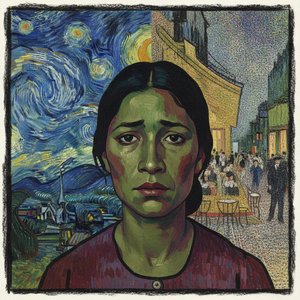
Beyond the Brush: How Post-Impressionism Recharged Modern Art with Bold Color and Raw Emotion
Dive into the high-energy revolution of Post-Impressionism. Discover how masters like Cézanne and Van Gogh traded fleeting light for bold colors and raw emotion, forever recharging modern art with the vibrant, structural intensity that defines today's most iconic visual aesthetics.

Paul Cézanne 25 Mesterműve: A Modern Művészet Úttörői | OriginalUniqueArt
Fedezze fel Paul Cézanne 25 legikonikusabb művét! Ismerje meg a posztimpresszionizmus úttörőjének festményeit, technikáját és inspirációit. Vászonképek, portrék, tájképfestmények – minden otthonba. Böngéssze gyűjteményünket a OriginalUniqueArt-on!

A fény és a szín mögött: Impresszionizmus vs. Posztimpresszionizmus a kifinomult gyűjtő számára
Mélyreható elemzés az impresszionizmus és posztimpresszionizmus közötti különbségekről a kifinomult műgyűjtők számára. Értékbecslés, befektetési tanácsok és a legnagyobb mesterek alkotásai.

A 19. század festészete: 10 ikonikus műalkotás a történelemből
Fedezze fel a 19. század festészetének 10 legikonikusabb műalkotását! Monet, Manet és más mesterek remekművei romantikától az impresszionizmusig. Múzeumi minőségű reprodukciók otthonába OriginalUniqueArt.com-on. Ismerje meg a történeteket és inspirálódjon!
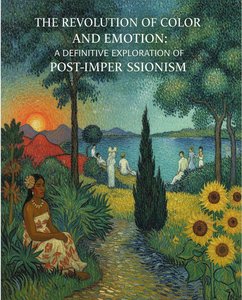
The Revolution of Color and Emotion: A Definitive Exploration of Post-Impressionism
Explore the profound revolution of Post-Impressionism. Delve into the history, techniques, and emotional depth of masters like Van Gogh and Seurat. Discover how to transform your space with museum-quality, hand-painted oil reproductions of these iconic masterpieces.

