
 Előnézet
 Megosztás
 Megosztás
 Részletek

 Letöltés
 Hasonló alkotások
 X-ray felvétel
 Diavetítés
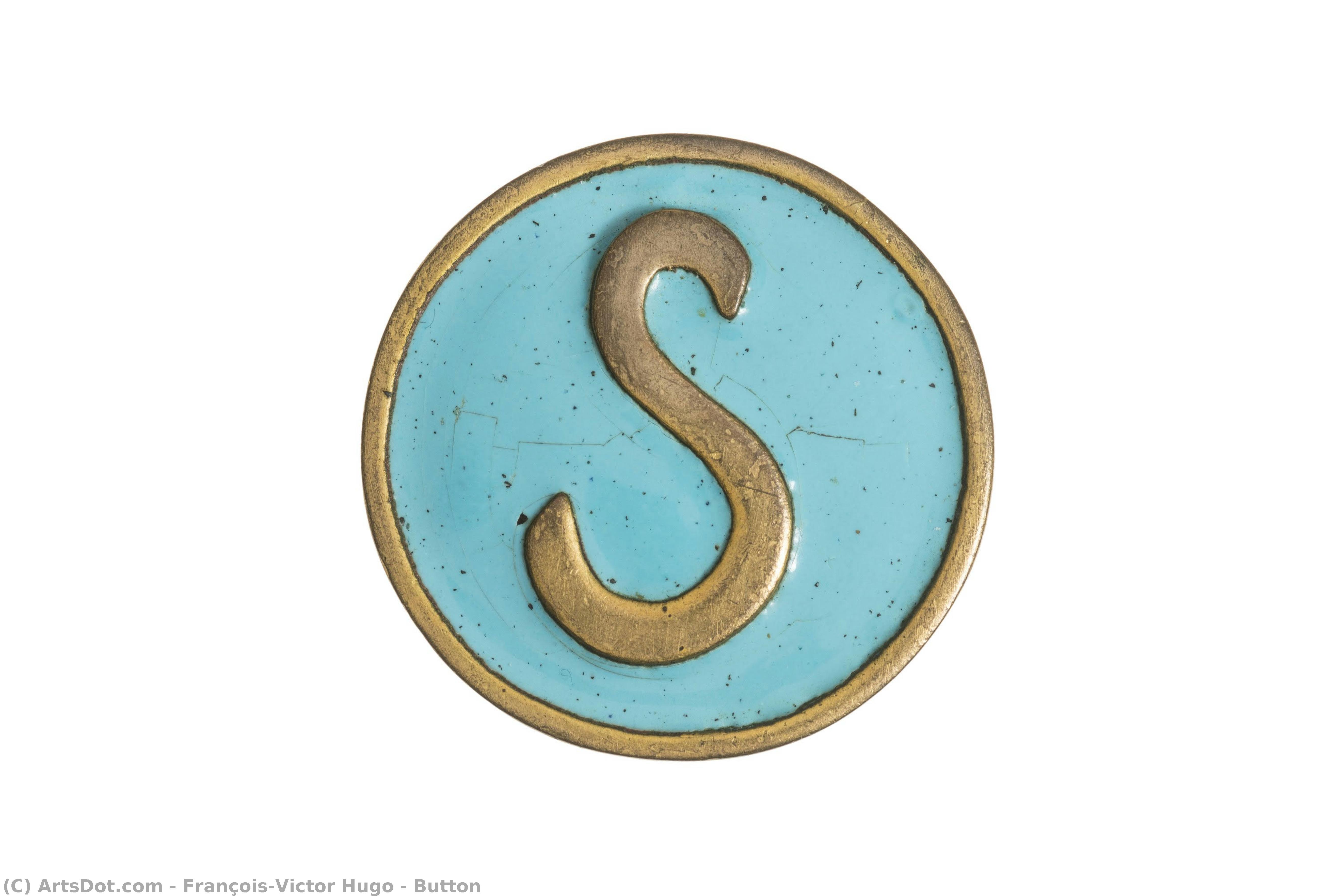
Button


 Tovább olvasom
Vásároljon egy nagy felbontású, javított digitális képet, amely sokkal jobb minőségű, mint az online előnézet.
Minden fájlt szakembereink a legmodernebb eszközök és precíz, kézi retusálás segítségével készítenek el aprólékosan. Gondoskodunk arról, hogy minden kép kivételes tisztasággal, pontos színhelyességgel és részletgazdag finomsággal rendelkezzen.
A végleges fájl 72 órán belül e-mailben megérkezik, professzionális, szerkesztői és nyomtatási környezetbe optimalizálva az azonnali használathoz. Ez ugyanaz a minőség, amelyben a legmeghatározóbb tervezőstúdiók, kiadók és galériák is megbízhatnak.
Digitális alkotás
Töltsön le nagy felbontású fájlt személyes kiállításokhoz, nyomtatáshoz és kreatív projektekhez. ( Váltás nyomtatványra Áttérés a kézzel festett másolatra)
Minden digitális kép rendeléséhez tartozó extrák
Szakértői digitális kézbesítés, garantáltan
Amikor a OriginalUniqueArt.com weboldalt választja, nem csupán egy képet kap – professzionálisan felmagasított digitális műalkotást kap, amely precizitással készült, és amelyet megelégsedési gwarancia tesz biztoslássá. Az alábbiakban automatikusan minden benne 】

Gyors e-mail teslimítés
A nagy felbontású digitális képmásolatát a megrendelést követő 72 órán belül e-mailben elküldjük Önnek – azonnal használható formátumban.

MI-alapú digitális feldolgozású fájl
Műve professzionális módon kerül optimalizálásra fejlett mesterséges intelligencia eszközök és manuális szerkesztés segítségével, biztosítva a maximális részletességet, tisztaságot és színpontosságot.

Örök életű ingyenes újradelivery
Véletlenül törölted vagy elvesztetted a fájlodat? Ne aggódj – bármikor ingyenesen újra megküldjük neked.

Nincs importköltség – soha
Élvezze műalkotásait azonnal, vám, illeték vagy szállítási költség nélkül – a digitális letöltések mindig adamentesek.

Színpontosság Garancia
Professzionális eszközök és színkezelés segítségével garantáljuk, hogy digitális képe a lehető legpontosabban tükrözze az eredeti színeket.

60 napos elégedettségi garancia
Ha nemມີ elégedett a digitális képpel, 60 napon belül átmunkáljuk azt, vagy 100% visszatérítjük az amountot – kérdés nélkül.

100% Pénzvisszatérítési garancia
Nem érheted el a teljes elégedettséget? 60 napon belül teljes visszatérítést kapsz a digitális fájlod megérkezése után – kérdés बिना.

Tömegrendelési kedvezmények
Vásároljon 3 képet, spóroljon 10%-et - Vásároljon 5-öt, spóroljon 15%-et - Vásároljon 10+ képet, spóroljon 20%-at. Kiváló kreatív projektekhez, galériákhoz és ügynökségekhez.
Művész életrajza
A Life Submerged in Shakespeare: The World of François-Victor Hugo
François-Victor Hugo, born in Paris in 1828, existed within the immense shadow cast by his father, the literary titan Victor Hugo. Yet, to define him solely as “Victor Hugo’s son” would be a profound disservice to a man who carved out his own distinct and enduring legacy – not through original fiction, but through an act of passionate translation that brought the brilliance of William Shakespeare to a new French audience. His life was one interwoven with political upheaval, familial devotion, and a relentless pursuit of linguistic perfection, all culminating in a monumental work that reshaped France’s relationship with English drama. The young François-Victor grew up amidst intellectual ferment; his home a hub for writers, artists, and revolutionaries. This environment instilled within him not only a love of literature but also a keen awareness of the power – and potential danger – of words. His father's political activism would deeply influence his own path, leading to periods of exile and active participation in publishing dissenting voices.The Translator’s Apprenticeship: Exile and Linguistic Immersion
The pivotal moment that steered François-Victor towards his life’s work came with the family’s forced exile in 1852, following Louis-Napoléon Bonaparte's coup d'état. Guernsey became their sanctuary, a place of both confinement and creative blossoming. It was here, removed from the immediate pressures of Parisian society, that François-Victor embarked on his ambitious project: translating the complete works of Shakespeare into French. This wasn’t merely a mechanical rendering of words; it was an act of profound interpretation, a delicate dance between fidelity to the original text and the nuances of the French language. He approached the task with meticulous dedication, striving not just for accuracy but for *beauty* – aiming to recapture the poetic rhythm, the psychological depth, and the sheer theatrical power of Shakespeare’s plays. The undertaking spanned over a decade, resulting in eighteen volumes published between 1859 and 1866. This monumental effort was more than a translation; it was a re-creation, offering French readers an unparalleled access to the Bard's genius.Beyond the Verse: Political Engagement and Literary Contributions
While Shakespeare consumed much of his energy, François-Victor wasn’t solely defined by his translations. He actively assisted his father in publishing newspapers – L'Événement (The Event) and Le Rappel (The Reminder) – both staunchly critical of the Napoleonic regime. This involvement underscored his political convictions, demonstrating a willingness to risk personal safety for the sake of freedom of expression. He also authored La Normandie inconnue (Unknown Normandy), a work reflecting his travels and observations, showcasing a talent for descriptive prose and a deep connection to the French landscape. However, it is undoubtedly his Shakespeare translations that remain his most significant contribution. They weren’t simply literary exercises; they were cultural bridges, opening up new avenues of artistic exchange between France and England.A Legacy Forged in Language: Historical Significance and Enduring Impact
François-Victor Hugo died tragically young in 1873 at the age of forty-five, succumbing to tuberculosis. His premature death cast a shadow over his achievements, yet his legacy continued to resonate. His translations became *the* standard French versions of Shakespeare for generations, influencing countless writers, actors, and scholars. He didn’t just translate words; he translated worlds, making the complexities of Elizabethan drama accessible to a wider audience. His work is a testament to the power of translation as an art form – a delicate balance between respect for the original author and the creative demands of a new language. The impact extends beyond literature; his translations fostered a deeper understanding of English culture within France, contributing to a broader European intellectual exchange. He stands as a compelling example of how dedication, linguistic skill, and political conviction can converge to create a lasting artistic legacy.The Shadow of a Father, the Light of Shakespeare
François-Victor Hugo’s life was inextricably linked to that of his father, Victor Hugo. While he may not have achieved the same level of widespread fame, his contribution to French literature is no less significant. He wasn't striving for personal glory but rather dedicated himself to sharing the brilliance of another literary giant with his own nation.- His translations were celebrated for their poetic quality and fidelity.
- He actively participated in his father’s political endeavors, demonstrating a commitment to social justice.
- His work helped shape France's understanding of English literature and culture.

françois-victor hugo
1828 - 1873 , France
Rövid tények
- Artistic Movement Or Style: Romanticism
- Date Of Birth: October 28, 1828
- Date Of Death: December 26, 1873
- Full Name: François-Victor Hugo
- Nationality: French
- Notable Artworks: ['Shakespeare translations']
- Place Of Birth: Paris, France

