 Megtekintés
 Küldés
 Megosztás
 Részletek

 Letöltés
 Hasonló darabok
 X-ray felvétel
 Diavetítés
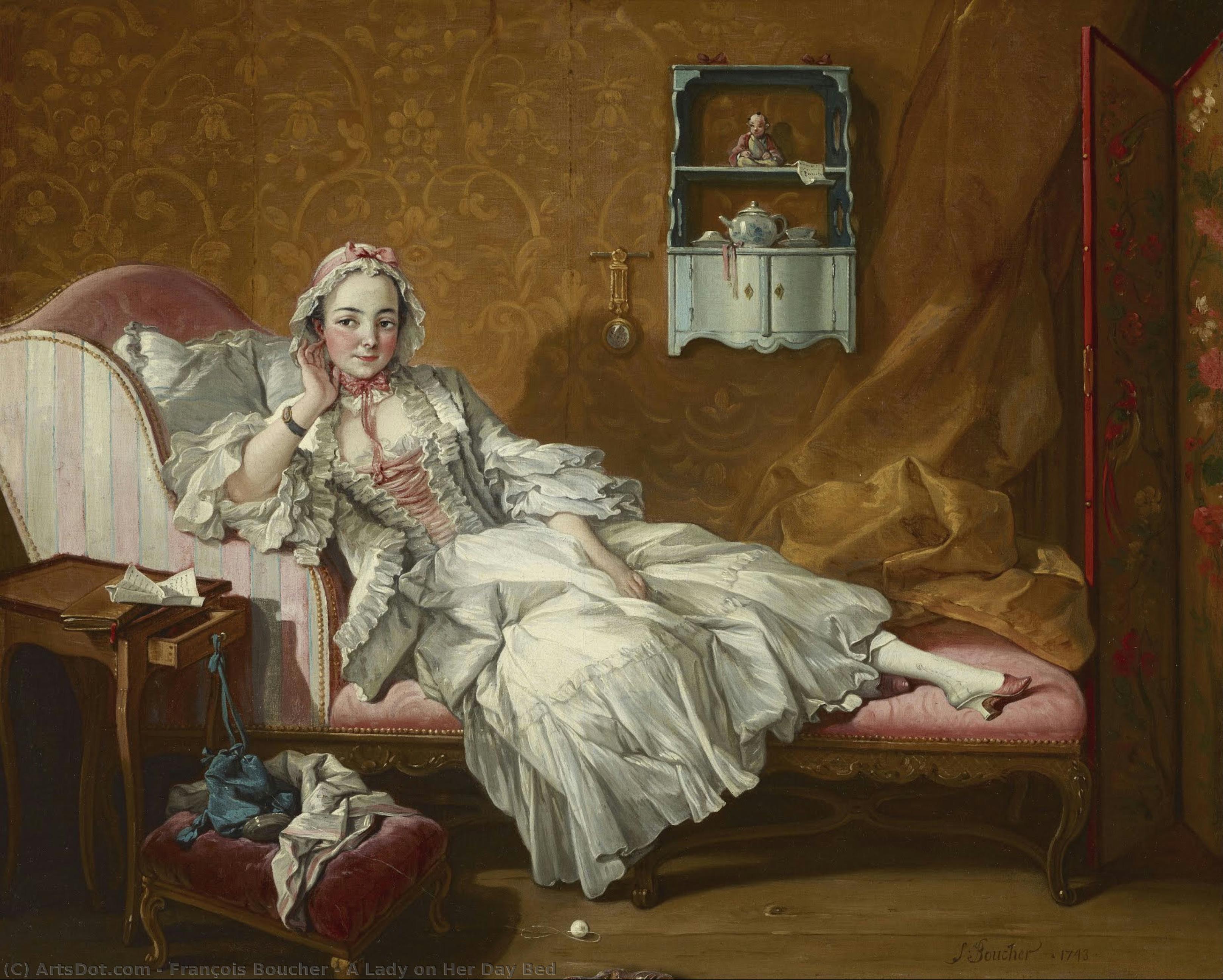
A Lady on Her Day Bed
 Acrylic On Canvas
- WallArt
- Rococo
 1743
1743 57.0 x 68.0 cm
 The Frick Collection
 Összes részlet megjelenítése
Kézzel készített olajfestmény reprodukció
Kézzel festett olajvastú vászon, az Ön által választott méretben és keretben, művészeink készítik meglévőre. ( Nyomat rendelése Kép letöltése)




P118B $10

P118H $10

P118W $10

P438Z $10

P508JH $12

P508YH $12

P805H $10

P805Z $10

P919BZ $10

P919G $10

P919XJ $10

P959ZH $10

P968JZ $12

W106C $8

W218G $10

W218JH $8

W218Y $10

W307PJ $10

W316G $10

W316PJ $8

W316Y $10

W398PJ $8

W4111J $10

W500HY $15

W500JH $15

W692G $12

W849H $8

W940BG $15

W953PJ $8




Válasszon előre meghatározott méreteink közül, amelyek megfelelnek a műalkotás eredeti arányainak.

Ön megadhat saját méreteket egy adott kerethez vagy térhez igazításhoz. Ha a kiválasztott méret nem egyezik az eredeti kép arányával, akkor a műalkotást levágjuk, vagy további kézzel festett elemekkel meghosszabbítjuk a festményt. A gyártás megkezdése előtt küldünk Önnek egy digitális előnézetet jóváhagyásra.
Kérjük, vegye figyelembe, hogy a képernyőn megjelenő előnézet nem tükrözi a tényleges vágást vagy kiterjesztést. Csak az előnézet fog pontosan mutatni a végső kompozíciót.
Bár egyedi méretek állnak rendelkezésre, javasoljuk, hogy válasszon egy méretet az előre meghatározott listából az eredeti arányok megőrzése érdekében.
A rendelést követően a OriginalUniqueArt.com csapata e-mailt küld az ügyfélnek az instrukciókért, és biztosít egy előnézeti képet (mockup).
Világszerte elérhető szállítás () 3-4 hét alatt a szokásos 5 hét helyett. (21 augusztus). A minőség nem kérdőjelezhető.

Ingyenes globális expressz szállítás

Prémium minőségű len vászon

Teljes körű szállítási biztosítás

Vámvisszatérítési Garancia

Hiteles színpontosság garancia

60 napos visszaküldési lehetőség (csak hibás termékek esetén)

100% pénzvisszatérítési garancia

Több darab vásárlása esetén kedvezmény
 Az üvegkeretes opció csak 110 cm alatti méretben érhető el

A Lady on Her Day Bed
Reprodukciós technika
Reprodukció mérete
-


Összesített ár
$ 300
A műalkotás leírása
The Portrait’s Genesis: François Boucher and the Dawn of Rococo
François Boucher's "A Lady on Her Day Bed," painted in 1743, isn’t merely a portrait; it’s a carefully constructed tableau vivant—a snapshot of an era. Born into a family already touched by artistic talent, Boucher’s journey began humbly, apprenticed to François Lemoyne before securing the prestigious Grand Prix de Rome, a gateway to the heart of French art. This early success paved the way for his appointment to the Académie Royale de Peinture et de Sculpture and ultimately, to the role of Premier Peintre du Roi – a position that solidified his status as one of the most influential figures in the burgeoning Rococo style. The painting itself emerged from Boucher’s close collaboration with Madame de Pompadour, the influential mistress of Louis XV, reflecting the refined tastes and opulent sensibilities of the French court. It's a testament to the era’s fascination with pleasure, beauty, and the delicate balance between intimacy and public display.
- Rococo Roots: Boucher masterfully embodies the Rococo movement – characterized by its graceful curves, pastel palettes, and playful subject matter.
- Courtly Patronage: The painting’s creation was intrinsically linked to the patronage system of the French court, shaping both its aesthetic and its narrative.
- A Window into a World: The room depicted offers a glimpse into Boucher's own apartment, revealing his personal style and reflecting the trends of the time – particularly the embrace of Oriental influences.
An Intimate Scene: Marie-Jeanne Buzeau and the Model’s Role
At the heart of "A Lady on Her Day Bed" is Marie-Jeanne Buzeau, a woman whose identity remains somewhat shrouded in history but who nonetheless emerges as a captivating presence. Boucher frequently employed his wife as a model, capturing her likeness in numerous paintings and engravings – a practice that speaks to both their personal relationship and the artist’s desire to portray authentic beauty. The portrait isn't simply a representation of Buzeau; it’s an exploration of femininity, leisure, and the quiet dignity of domestic life. Her pose—relaxed yet poised, her legs crossed with effortless grace—suggests a moment of contemplation, perhaps a stolen respite from the demands of motherhood and household duties. The painting subtly challenges conventional representations of women in art, presenting a figure of serene beauty rather than one defined solely by her role as wife or mother.
Note: Historians believe Buzeau’s pose was deliberately inspired by Titian's Venus of Urbino, creating a witty commentary on classical ideals within the context of Rococo aesthetics.Symbolism and Detail: A Symphony of Refinement
Beyond its immediate beauty, "A Lady on Her Day Bed" is rich in symbolic detail. The porcelain figurine and tea service adorning the hanging étagère—a feature of Boucher’s apartment—are emblems of luxury and Oriental influence, reflecting the fashionable taste for exotic objects during the 18th century. The clock above the bed serves as a subtle reminder of time's passage, while the books suggest an appreciation for learning and intellectual pursuits. The carefully arranged flowers – likely roses and lilies – represent love and purity, further reinforcing the painting’s themes of domestic harmony and refined sensibility. Even the pink hue of the room contributes to the overall atmosphere of tranquility and indulgence.
Key Elements:- Porcelain Figurine: Symbolizes luxury and Oriental influence.
- Tea Service: Represents social status and refined taste.
- Clock: A reminder of time and the importance of leisure.
- Flowers: Represent love, purity, and beauty.
Emotional Resonance: A Moment Frozen in Time
“A Lady on Her Day Bed” transcends its status as a mere portrait; it evokes a profound sense of intimacy and nostalgia. The painting’s soft light, delicate brushstrokes, and carefully composed details create an atmosphere of serene beauty—a world removed from the pressures and anxieties of everyday life. It invites us to step into this private moment, to imagine the quiet pleasures of a leisurely afternoon, and to appreciate the artistry with which Boucher captured a fleeting glimpse of domestic tranquility. The painting’s enduring appeal lies in its ability to transport us back to a bygone era—a time of elegance, refinement, and an appreciation for the simple joys of life. It remains a powerful testament to Boucher's mastery and his profound understanding of human emotion.
A művész életrajza
François Boucher: A Master of Rococo Grace
François Boucher (1703-1770) stands as a towering figure in the history of French art, indelibly linked to the opulent and sensual world of the Rococo. More than just a painter, he was a designer, decorator, and a key architect of the aesthetic sensibilities that defined 18th-century France – an era synonymous with elegance, pleasure, and refined beauty. His work isn’t merely decorative; it's a carefully constructed exploration of mythology, love, and aristocratic life, imbued with a captivating charm that continues to resonate today.
Early Years and Artistic Foundations
Born on September 29th, 1703, in the heart of Paris, François Boucher’s artistic journey began within a family already steeped in creative pursuits. His father, Nicolas Boucher, was himself a skilled embroiderer and designer – a profession that instilled in young François an appreciation for intricate detail and decorative artistry. Initially, he received his foundational training from his father, learning the fundamentals of design and color. However, at the age of seventeen, a pivotal encounter occurred: he caught the eye of François Lemoyne, the leading painter of the day and a master of the Rococo style. This apprenticeship provided Boucher with invaluable experience in mastering the techniques of composition, brushwork, and the delicate balance between form and color.
Further refining his skills, Boucher briefly studied under Jean-François Cars, a renowned engraver, gaining expertise in printmaking – a skill that would later prove crucial to his artistic development. But it was his victory at the Grand Prix de Rome in 1720 that truly launched him onto the path to greatness. This prestigious competition, established by King Louis XIV, offered a royal scholarship and residency in Rome—a golden opportunity for young artists to study the masterpieces of the Renaissance and Baroque periods.
Rome and the Influence of Masters
Boucher’s time in Italy was transformative. He immersed himself in the works of titans like Tiziano, Veronese, and Tintoretto – absorbing their dramatic compositions, vibrant colors, and masterful use of light and shadow. Crucially, he also studied the work of Giovanni Domenico Tiepolo, Luca Giordano, and Sebastiano Ricci—artists known for their dynamic movement and theatrical flair. These encounters profoundly shaped Boucher’s artistic vision, influencing his approach to color, composition, and the portrayal of emotion.
Upon returning to France in 1724, Boucher embarked on a remarkable project: he meticulously copied over 120 paintings by Watteau, the master of the *rocaille* style. This painstaking effort allowed him to deeply understand Watteau’s techniques and his innovative approach to depicting intimate scenes and fleeting moments of beauty. It was a deliberate act of homage and a strategic move to establish himself within the established artistic circles.
The Rise to Royal Favor and Artistic Maturity
Boucher's return to France coincided with a period of immense opportunity. He was quickly admitted to the Académie Royale de Peinture et de Sculpture in 1731, marking his official entry into the Parisian art world. His debut work, “Rinaldo and Armida” (1734), immediately captivated audiences and established him as a rising star. The painting showcased his burgeoning talent for creating dynamic compositions filled with mythological drama and exquisite detail.
Boucher’s career truly took off when he was commissioned to paint portraits of Madame de Pompadour, the influential mistress of King Louis XV. These portraits—particularly “Madame Boucher” (1756)—became iconic symbols of aristocratic elegance and sophistication. His ability to capture the sitter's personality and grace while adhering to the conventions of courtly portraiture solidified his position as the most sought-after painter in France.
Themes, Techniques, and Lasting Legacy
Boucher’s oeuvre is remarkably diverse, encompassing a wide range of subjects—from mythological scenes and pastoral landscapes to intimate domestic moments and grand historical narratives. His paintings are characterized by their delicate brushwork, pastel palettes, and an emphasis on creating a sense of idyllic beauty and sensual pleasure. Recurring themes include love, beauty, leisure, and the idealized world of mythology.
Beyond painting, Boucher made significant contributions to the decorative arts. He designed costumes and sets for the theater, created tapestries for the Beauvais workshops, and collaborated with the Gobelins Manufactory—a testament to his versatility and influence as a designer. His appointment as *Premier Peintre du Roi* (First Painter of the King) in 1765 cemented his status as the leading artist of the French Rococo.
Despite facing criticism later in his career for perceived superficiality, François Boucher’s impact on subsequent generations of artists is undeniable. He influenced figures like Jean-Honoré Fragonard and contributed significantly to the development of Neoclassicism through his students. His work continues to be celebrated for its technical skill, artistic innovation, and enduring contribution to the Rococo style—a testament to a life dedicated to capturing the beauty and grace of 18th-century France.

François Boucher
1703 - 1770 , Francia
A művészről röviden
- Artistic Movement Or Style: Rokokó
- Artists Or Movements Influenced By This Artist:
- Fragonard
- Neoklasszicizmus
- Artists Who Influenced This Artist:
- François Lemoyne
- Jean-François Cars
- Date Of Birth: 1703. szeptember 29.
- Date Of Death: 1770. május 30.
- Full Name: François Boucher
- Nationality: Francia
- Notable Artworks:
- Rinaldo és Armida
- Főszezon
- Vénusz trionfa
- Naplemente táj
- Place Of Birth: Párizs, Franciaország
Kapcsolódó cikkek

A Rokoko Mesterek: 10 alkotás, mely meghatározta a művészetet | OriginalUniqueArt.com
Fedezze fel a Rokoko művészet 10 legikonikusabb remekművét! Ismerje meg Watteau, Boucher és Fragonard festményeinek történetét. Elegáns dekorációk inspirációja – OriginalUniqueArt.com kínálatában megtalálható minden művészi nyomat. Explore the full collection online!
François Boucher: Rococo Master of Myth, Sensuality, and the French Court
Explore the captivating world of François Boucher, master of Rococo painting! Discover his iconic works, aristocratic patronage, and lasting influence on French art history. Learn more at OriginalUniqueArt.

The Rococo Aesthetic: Opulence, Rebellion & the Pursuit of Pleasure in 18th-Century Art
Explore the opulent world of Rococo art! Discover its origins, key artists like Watteau & Boucher, and lasting influence on design. Expert insights for collectors & enthusiasts.

The Allure of Elegance in Art: A Historical & Aesthetic Exploration of Refinement & Grace
Explore the exquisite world of Rococo art! Discover its history, masters (Watteau, Boucher & more), and defining elegance. Expert insights for collectors seeking museum-quality reproductions & custom portraits.
Elegance & Opulence: A Definitive Guide to the Grace and Grandeur of Rococo Portraiture
Discover the breathtaking elegance of Rococo portraiture. Explore an expert guide to 18th-century mastery, from pastel palettes to aristocratic grandeur, and learn how to bring this era of opulence into your home through museum-quality oil reproductions.