

 Küldés
 Megosztás
 Részletek
 Útmutató

 Letöltés
 Hasonló darabok
 Diavetítés
 Q&A
Q&A Statisztika
Man with the Broken Nose
 Sculpture Bronze
- Sculpture
- Neoclassicism
 1864
1864 31.0 x 17.0 cm
 Legion of Honor
 Összes részlet megjelenítése
Giclée / Műnyomat
Múzeumi minőségű giclée vagy vászonnyomat, gyors gyártással és rugalmas finomítási lehetőségekkel. ( Kézzel festett másolat rendelése Áttérés digitális képre)




































Válasszon előre meghatározott méreteink közül, amelyek megfelelnek a műalkotás eredeti arányainak.

Írja be a keretének vagy a falának megfelelő szélességet és magasságot. A nyomatot csak le lehet vágni, soha nem tehető nagyobbá, mint az eredeti kép, így egy eltérő alakú méretnél a kép egy része elveszik. Mielőtt bármit kinyatintanánk, küldünk egy digitális próbamodellt jóváhagyásra. Az oldalon látható kép nem tartalmazza a valós levágást — ezt csak a próbamodell mutatja meg.
Világszerte történő kiszállítás területére mindössze 2 hét alatt, a szokásos 4-5 hét helyett. (31 október)

Ingyenes globális expressz szállítás

Prémium minőségű len vászon

Teljes körű szállítási biztosítás

Vámvisszatérítési Garancia

Hiteles színarányosság garancia

100 napos visszaküldési lehetőség (csak hibás termékek esetén)

100% pénzvisszatérítési garancia

Több darab vásárlásakor kedvezmény
 Az üvegkeretes opció csak 110 cm alatti méretben érhető el

Man with the Broken Nose
Giclée / Műnyomat
Reprodukció mérete
-


Összesített ár
Ft 26157
Man with the Broken Nose: A Study in Grief and Resilience
The sculpture “Man with the Broken Nose,” created by Auguste Rodin in 1864, stands as a haunting testament to human vulnerability and an enduring symbol of contemplation. More than just a depiction of physical injury—a fractured nose—the piece delves into profound psychological themes, capturing the essence of sorrow and striving for inner peace within a meticulously crafted bronze form. Its placement within Rodin’s oeuvre cements its significance as one of his earliest masterpieces, marking a pivotal moment in the development of his signature expressive style.- Material & Technique: Crafted from bronze using the lost wax casting method—a technique pioneered by Rodin himself—the sculpture showcases exceptional detail and textural richness. The surface is deliberately roughened to simulate weathered skin, conveying an impression of age and experience. Careful polishing highlights the contours of musculature and facial features, emphasizing Rodin’s mastery of form and capturing subtle nuances of emotion.
- Style & Influences: “Man with the Broken Nose” embodies the principles of neoclassical realism—a reaction against academic idealism—drawing inspiration from classical sculpture while prioritizing anatomical accuracy and psychological depth. Rodin's approach aligns closely with the artistic currents of his time, reflecting a fascination with capturing human emotion through realistic representation.
- Historical Context: Created shortly after Rodin’s devastating personal loss – the death of his sister Marie – the sculpture is imbued with palpable grief. The figure embodies a posture of quiet despair, yet simultaneously strives for composure and acceptance. This duality speaks to the universal experience of confronting suffering and seeking solace amidst adversity—themes that resonate powerfully across cultures and eras.
- Symbolism & Interpretation: The broken nose serves as a potent metaphor for trauma and imperfection—a visible reminder of pain endured but not overcome. However, Rodin skillfully balances this depiction of vulnerability with an underlying sense of dignity and resilience. The figure’s gaze directs inward, suggesting introspection and confronting one's own inner turmoil.
- Emotional Impact: Viewing “Man with the Broken Nose” evokes a feeling of empathy and contemplation. Its understated elegance combined with its expressive power compels viewers to confront questions about mortality, grief, and the human condition. The sculpture’s enduring appeal lies in its ability to communicate profound emotions without resorting to overt sentimentality—a hallmark of Rodin's artistic vision.
Further Exploration & Reproduction Considerations
This iconic piece exemplifies Rodin’s commitment to portraying the complexities of human emotion with unparalleled sensitivity. High-quality reproductions offer a valuable opportunity to appreciate the sculpture’s textural detail and nuanced expression—capturing the essence of its artistic merit. Consider framing options that complement the sculpture's subdued palette and contemplative mood, enhancing its visual impact within any interior space.Related Artwork
For those interested in delving deeper into Rodin’s artistic legacy, explore his monumental sculptures “The Thinker” and “The Kiss,” which similarly grapple with themes of introspection and human connection—solidifying Rodin's position as a cornerstone of modern sculpture.Kérdések és válaszok
Milyen szín vezeti a „Man with the Broken Nose”, Rodin Ferenc alkotása kompozícióját?
A „Man with the Broken Nose”, Rodin Ferenc alkotása domináns színe a Phthalo Green (#272926).
A „Man with the Broken Nose”, Rodin Ferenc alkotása jogtalanul védett (public domain)?
A „Man with the Broken Nose”, Rodin Ferenc alkotása közösségi tulajdon – a szerzői jog lejártt státuszú mű. Ez a jogi státusz határozza meg, hogy a mű képmásolata hogyan reproduzható.
„Man with the Broken Nose”, Rodin Ferenc alkotása egy világos vagy egy sötét tónusú alkotás?
A „Man with the Broken Nose”, Rodin Ferenc alkotása rögzített értékei: deep_shadow fényerő és Dark luminancia.
A művész életrajza
François Auguste René Rodin: A Sculptor of Souls
François Auguste René Rodin, a name forever intertwined with the very essence of modern sculpture, emerged from 19th-century France as a revolutionary force—a sculptor who dared to breathe life and emotion into stone. Born in Paris on November 12, 1840, into modest beginnings, his artistic journey wasn’t initially paved with grand expectations; rather, it began with a series of humbling rejections from the prestigious École des Beaux-Arts. Yet, this early struggle proved to be a crucible, forging within him an unwavering determination and a unique vision that would ultimately reshape the landscape of sculpture. His formative years were spent honing his craft as a decorative stonemason, a practical apprenticeship that instilled in him a profound understanding of materials and form—a foundation upon which he would later build his groundbreaking innovations. A deeply personal tragedy – the untimely death of his beloved sister Marie – profoundly impacted Rodin’s artistic trajectory, leading to a period of introspection and ultimately fueling an intense desire to capture the raw, unfiltered emotions of the human experience. This emotional depth became a defining characteristic of his work, imbuing it with a palpable sense of vulnerability and authenticity rarely seen in previous generations of sculptors.Breaking with Tradition: A New Language in Stone
Rodin’s artistic philosophy represented a radical departure from the prevailing academic standards that dominated sculpture during his time. While formally trained in classical techniques—a necessary step for any aspiring artist—he resolutely rejected the idealized forms and narrative rigidity that characterized much of the art produced by the École des Beaux-Arts. Instead, he sought to capture the fleeting nuances of human emotion, the weight of thought, and the intricate complexities of the inner life. His early works, such as *The Age of Bronze* (1877), initially provoked considerable controversy among critics who found his figures too realistic, too devoid of the polished perfection expected in traditional sculpture. However, Rodin remained steadfastly committed to his artistic vision, driven by an unshakeable belief in the power of his own unique approach. He began to experiment with fragmented forms, rough surfaces, and dynamic compositions—elements that conveyed a sense of movement, psychological intensity, and profound emotional resonance. This innovative strategy challenged conventional notions of beauty and paved the way for a new era in sculptural expression, one where the human experience itself became the primary subject matter. His ability to model complex, turbulent surfaces with remarkable sensitivity allowed him to capture the play of light and shadow, creating sculptures that seemed to pulsate with life.Iconic Forms: The Thinker, The Kiss, and Beyond
Rodin’s legacy is indelibly marked by a series of iconic sculptures—works that continue to captivate audiences worldwide and serve as enduring symbols of human emotion and experience. *The Thinker* (1880-1882), originally conceived as part of the monumental *Gates of Hell*, quickly became an emblem of philosophical contemplation, its powerfully rendered form embodying the weight of human thought and existential questioning. The figure’s posture—a slumped shoulder, a furrowed brow, a hand resting thoughtfully on his chin—evokes a sense of profound introspection and intellectual struggle. *The Kiss* (1886-1898), a celebration of passionate love, is renowned for its sensual beauty and emotional intimacy—a depiction of two figures entwined in an embrace that seems to radiate with warmth and tenderness. And *The Burghers of Calais* (1884-1895), a monumental tribute to courage and sacrifice, stands as a testament to Rodin’s ability to convey profound human drama through sculptural form—a powerful depiction of six citizens of Calais who bravely faced certain death during the Hundred Years' War. These works weren’t merely representations of physical bodies; they were explorations of the human condition, imbued with psychological depth and emotional resonance. Notably, Rodin deliberately eschewed smooth surfaces and polished finishes, opting instead to leave visible traces of his hand—a conscious decision to emphasize the creative process itself and to acknowledge the artist's role in shaping the sculpture.The Influence of Paris and Beyond
Rodin’s artistic development was inextricably linked to the vibrant cultural landscape of 19th-century Paris. The city’s burgeoning artistic scene, fueled by innovation and a spirit of experimentation, provided fertile ground for Rodin’s creative explorations. He drew inspiration from a diverse range of sources—from classical sculpture and Renaissance art to Impressionist painting and Symbolist literature. His travels to Italy in 1876 proved particularly transformative, exposing him to the works of Michelangelo and other masters of the High Renaissance, whose dynamic compositions and expressive figures profoundly influenced his own artistic style. Back in Paris, Rodin’s work began to gain recognition, attracting both critical acclaim and public admiration. He was commissioned to create numerous sculptures for private patrons and public monuments—including *The Thinker*, which initially served as a central figure within the *Gates of Hell*—and his reputation steadily grew throughout Europe.A Lasting Legacy: Rodin’s Place in Art History
By the turn of the 20th century, Auguste Rodin had firmly established himself as one of the most celebrated sculptors of his time—a figure whose work profoundly influenced generations of artists to come. His sculptures are now housed in museums around the world, including the Musée Rodin in Paris—a dedicated space that celebrates his life’s work and provides a comprehensive overview of his artistic journey. Beyond his individual achievements, Rodin played a pivotal role in shaping the trajectory of modern sculpture, challenging traditional conventions and paving the way for new forms of expression. His emphasis on emotional intensity, psychological depth, and innovative use of form laid the groundwork for movements such as Expressionism and Cubism—demonstrating the enduring impact of his artistic vision. Rodin’s legacy is not merely one of artistic innovation; it's a testament to the power of art to connect us to our shared humanity—a reminder that even in the face of adversity, beauty and emotion can endure.
Rodin Ferenc
1840 - 1917 , Franciaország
Rövid információk
- Artistic Movement Or Style: Modern szobrászat
- Artists Or Movements Influenced By This Artist:
- Impressionizmus
- Modern szobrászat
- Artists Who Influenced This Artist:
- Michelangelo
- Caravaggio
- Date Of Birth: November 12, 1840
- Date Of Death: November 17, 1917
- Full Name: François Auguste René Rodin
- Nationality: Francia
- Notable Artworks:
- A Gondolat
- Az Ölelések
- Calais Városa
- Place Of Birth: Párizs, Franciaország
Kapcsolódó cikkek

A művészettörténet 10 legikonikusabb bronzszobra – OriginalUniqueArt.com
Fedezze fel a művészettörténet 10 legikonikusabb bronzszobrát! Ismerje meg Rodin, Michelangelo és más mesterek alkotásait. Luxus minőségű reprodukciók otthonába – OriginalUniqueArt.com.
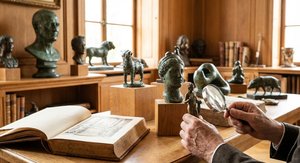
The Enduring Legacy of Bronze Sculpture: A Collector's Guide to Form & Cultural Significance
Explore the rich history & enduring appeal of bronze sculpture with expert insights for collectors at OriginalUniqueArt. Learn about casting techniques, iconic artists, and collecting tips to build a discerning art collection.

The Enduring Legacy of Bronze: History, Technique & Artistic Expression for the Collector
Explore the rich history & enduring appeal of bronze sculpture with expert insights for collectors at OriginalUniqueArt. Learn about casting techniques, iconic artists, and collecting tips.

A művészettörténet 10 legikonikusabb bronzszobra – OriginalUniqueArt.com
Fedezze fel a művészettörténet 10 legikonikusabb bronzszobrát! Ismerje meg Rodint, Michelangelót és más mestereket. Luxus minőségű nyomatok otthonába – OriginalUniqueArt.com.

The Enduring Legacy of Bronze: A Historical & Artistic Exploration for the Collector
Explore the rich history & enduring appeal of bronze sculpture with expert insights for collectors at OriginalUniqueArt. Learn about casting techniques, iconic artists, collecting tips & contemporary interpretations.

