

 Megtekintés
 Küldés
 Megosztás
 Részletek
 Útmutató

 Letöltés
 Hasonló darabok
 X-ray felvétel
 Diavetítés
 Statisztika
Grasshopper and Alligator
 Paper
Paper- WallArt
- Contemporary Realism
 2002
2002- Contemporary
 43.0 x 26.0 cm
 USC Fisher Museum of Art
 Összes részlet megjelenítése
Az ezen az oldalon megjelenített műalkotások szerzői jogi védelem alatt állnak, ami azt jelenti, hogy törvényileg nem készíthetünk és nem adhatunk el belőlük pontos másolatokat. Ez a védelem olyan nemzetközi megállapodások alapján érvényesül, mint például a Berni Egyezmény és a nemzeti jogszabályok által, beleértve azokat is, amelyeket meghatározott Az USA szerzői jogi törvénye – 17. cím.
Ez a módszer teljes mértékben megfelel a szerzői jogi szabályozásnak, mivel nem tartalmazza a védett műalkotás másolását vagy duplikálását. Ehelyett ez egy kreatív újinterpretáció – egy új festmény, amely az eredetivel való összefüggései miatt hatással van rá, de nem az az.
Giclée / Műnyomat
Múzeumi minőségű giclée vagy vászonnyomat, gyors gyártással és rugalmas finomítási lehetőségekkel. ( Kézzel festett másolat rendelése Áttérés digitális képre)




P118B Ft10

P118H Ft10

P118W Ft10

P438Z Ft10

P508JH Ft12

P508YH Ft12

P805H Ft10

P805Z Ft10

P919BZ Ft10

P919G Ft10

P919XJ Ft10

P959ZH Ft10

P968JZ Ft12

W106C Ft8

W218G Ft10

W218JH Ft8

W218Y Ft10

W307PJ Ft10

W316G Ft10

W316PJ Ft8

W316Y Ft10

W398PJ Ft8

W4111J Ft10

W500HY Ft15

W500JH Ft15

W692G Ft12

W849H Ft8

W940BG Ft15

W953PJ Ft8




Válasszon előre meghatározott méreteink közül, amelyek megfelelnek a műalkotás eredeti arányainak.

Írja be a keretének vagy a falának megfelelő szélességet és magasságot. A nyomatot csak le lehet vágni, soha nem tehető nagyobbá, mint az eredeti kép, így egy eltérő alakú méretnél a kép egy része elveszik. Mielőtt bármit kinyatintanánk, küldünk egy digitális próbamodellt jóváhagyásra. Az oldalon látható kép nem tartalmazza a valós levágást — ezt csak a próbamodell mutatja meg.
Világszerte történő kiszállítás területére mindössze 2 hét alatt, a szokásos 4-5 hét helyett. (25 október)

Ingyenes globális expressz szállítás

Prémium minőségű len vászon

Teljes körű szállítási biztosítás

Vámvisszatérítési Garancia

Hiteles színarányosság garancia

100 napos visszaküldési lehetőség (csak hibás termékek esetén)

100% pénzvisszatérítési garancia

Több darab vásárlásakor kedvezmény
 Az üvegkeretes opció csak 110 cm alatti méretben érhető el

Grasshopper and Alligator
Giclée / Műnyomat
Reprodukció mérete
-


Összesített ár
Ft 25642
A Dialogue of Silhouettes: The Poetic Contrast in Toledo’s Diptych
In the evocative diptych Grasshopper and Alligator, the legendary Mexican master Francisco Toledo invites us into a world where the boundaries between the organic and the graphic dissolve. Created in 2002, this work serves as a profound meditation on the duality of nature. The piece presents two distinct yet harmoniously linked book covers, each acting as a window into a simplified, primordial reality. Through the use of stark black silhouettes set against the warm, tactile embrace of beige and brown textured paper, Toledo strips away the unnecessary noise of the natural world to reveal its essential, skeletal truths. It is a composition that breathes with a quiet, rhythmic pulse, capturing the viewer's attention through a masterful balance of negative space and bold, decisive forms.
The technique employed here speaks to the artist’s deep connection to the artisanal traditions of Oaxaca. There is a palpable sense of the handmade in every fiber of the work; the rough, uneven surfaces of the paper provide a sensory depth that prevents the flat silhouettes from feeling static. The method—reminiscent of stenciling or precise paper cutting—creates clean, graphic outlines that define the alligator and the grasshopper with surgical precision. This interplay between the smooth, dark ink of the subjects and the rugged, aged texture of the substrate creates a visual tension that is both sophisticated and primal. For the collector or interior designer, this piece offers a unique textural element, providing a focal point that feels both ancient and strikingly modern.
Symbolism and the Soul of the Oaxacan Landscape
Beyond its aesthetic brilliance, Grasshopper and Alligator is steeped in the symbolic language that defined Toledo’s illustrious career. As an artist whose life was inextricably woven into the Zapotec soul of Mexico, Toledo often utilized fauna to represent the complex hierarchies and survival instincts of the natural world. The pairing of the grasshopper—a creature of lightness, agility, and ephemeral existence—with the alligator—a symbol of prehistoric strength, patience, and grounded power—creates a captivating narrative of contrasts. This is not merely an illustration of insects and reptiles; it is a symbolic exploration of life’s extremes, from the delicate to the formidable.
The emotional impact of the work lies in its deceptive simplicity. There is a certain whimsy in the pairing, yet a profound gravity in the execution. The muted, earthy palette evokes a sense of nostalgia and permanence, as if these figures have emerged from the very soil of Mexico to tell a story of coexistence. For those seeking to adorn a space with art that inspires contemplation, this diptych offers a sophisticated way to introduce themes of nature, resilience, and balance. It is a piece that does not demand attention through loudness, but rather commands it through a quiet, undeniable presence, making it an exquisite addition to any curated collection or thoughtfully designed interior.
Kérdések és válaszok
Mikor készült a(z) „Grasshopper and Alligator”, Toledo Ferenc alkotása?
A „Grasshopper and Alligator”, Toledo Ferenc alkotása alkotása 2002-ben készült.
Ki készítette a(t) "Grasshopper and Alligator"-t, és melyik évben?
A "Grasshopper and Alligator" alkotója Toledo Ferenc, a mű pedig 2002 származik.
Milyen színek jellemzik a(z) „Grasshopper and Alligator”, Toledo Ferenc alkotása alkotást?
A „Grasshopper and Alligator”, Toledo Ferenc alkotása színek identitása: egy Earthy paletta, amelyet Gray (#848899) dominál.
A művész életrajza
A Life Woven into the Soul of Oaxaca
Francisco Benjamín López Toledo, born in Juchitán de Zaragoza, Oaxaca, in 1940, wasn’t merely an artist; he was a cultural architect, a passionate advocate for his homeland, and one of Mexico's most profoundly influential contemporary figures. His life story is inextricably linked to the vibrant traditions and often-overlooked complexities of Oaxacan culture, a heritage that permeates every brushstroke, sculpted form, and woven thread of his extensive oeuvre. Toledo’s artistic journey began early, nurtured by the rich visual language of his Zapotec upbringing and formalized through studies at the Escuela de Bellas Artes de Oaxaca and later at the Centro Superior de Artes Aplicadas del Instituto Nacional de Bellas Artes in Mexico City under the guidance of Guillermo Silva Santamaría. However, formal training only provided a foundation; Toledo’s true education came from immersing himself in the world around him – the landscapes, folklore, and social realities of his native state.A Kaleidoscope of Influences
To categorize Francisco Toledo within a single artistic movement proves impossible, and perhaps even undesirable. His style is remarkably fluid, a captivating synthesis of diverse influences that reflect both his intellectual curiosity and deep-rooted cultural identity. The echoes of Pre-Columbian art resonate strongly in his work, particularly the iconography of Zapotec and other indigenous cultures, manifesting as stylized figures and symbolic motifs. This ancestral connection is beautifully interwoven with the exuberant palette and narrative spirit of Mexican folk art, creating a visual language that feels both ancient and strikingly modern. Yet, Toledo wasn’t content to simply replicate tradition; he fearlessly embraced elements of Surrealism, allowing dreamlike compositions and explorations of the subconscious to surface in his paintings and graphic works. This unique blend—a harmonious collision of history, heritage, and personal vision—defines the distinctive character of his art. He frequently employed bold lines, textured surfaces, and a deliberately limited color palette, creating images that are visually arresting and emotionally resonant. Artists who influenced this artist include Rufino Tamayo, Paul Klee, and Jean Dubuffet.Themes of Identity, Society, and Nature
Recurring themes weave through Toledo’s artistic narrative, revealing his profound engagement with the world around him. Oaxacan culture is not merely a subject matter but a living presence in his work—a celebration of traditions, beliefs, and the everyday lives of its people. Beyond aesthetic representation, Toledo used his art as a powerful vehicle for social commentary, fearlessly addressing issues such as poverty, inequality, and political corruption with both subtlety and directness. His canvases often serve as poignant reflections on the human condition, prompting viewers to confront uncomfortable truths about society. Equally prominent is his fascination with mythology and symbolism, drawing upon Zapotec lore and universal archetypes to imbue his work with layers of meaning. Finally, a deep reverence for nature—the landscapes, flora, and fauna of Oaxaca—is evident in his meticulous depictions of the natural world, where every plant and creature carries symbolic weight.Major Achievements & Artistic Style
Toledo’s artistic style is characterized by its distinctive blend of Surrealism, Folk Art, and Pre-Columbian influences. He skillfully combined bold lines with textured surfaces and a deliberately restrained color palette to create images that are both visually striking and emotionally profound. His oeuvre encompasses paintings, sculptures, graphic prints, and installations—each reflecting his unwavering commitment to exploring complex themes related to identity, social justice, and the relationship between humanity and nature. Notable artworks include “Grasshopper and Alligator,” “Two People Squatting…” and “Redes con Cangrejos…”. He established IAGO (Instituto de Artes Gráficas de Oaxaca), a groundbreaking art library and publishing house dedicated to promoting visual culture and fostering artistic dialogue. His contribution to contemporary art is undeniable, cementing his place as one of Mexico’s most important cultural figures.Historical Significance & Legacy
Francisco Toledo's work transcends mere aesthetic beauty; it serves as a testament to the enduring power of art to inspire reflection and provoke action. He championed Zapotec culture and its artistic traditions, elevating them to international prominence. His unwavering dedication to preserving cultural heritage and fostering community development exemplifies his humanist values. Toledo’s legacy extends far beyond his artistic creations—it resides in the institutions he founded and the countless individuals whose lives he enriched through his vision and activism. He is remembered as a visionary artist who transformed Oaxaca into a beacon of creativity and social responsibility, leaving an indelible mark on Mexican art history and inspiring generations to come.
Toledo Ferenc
1940 - , Mexikó
Rövid információk
- Artistic Movement Or Style: Surrealismo, Arte Popular
- Artists Who Influenced This Artist:
- Rufino Tamayo
- Paul Klee
- Jean Dubuffet
- Date Of Birth: 1940
- Full Name: Francisco Benjamín López Toledo
- Nationality: Mexicano
- Notable Artworks:
- Grillo y Cocodrilo
- Dos personas sentadas...
- Redes con Cangrejos...
- Place Of Birth: Juchitán de Zaragoza, México
Kapcsolódó cikkek

The Refined Aesthetic of Victorian Illustration: A Study in Narrative & Technique
Explore the captivating world of Victorian illustration! Discover Pre-Raphaelite influences, key artists like Rossetti & Stephens, and the era's rich narrative detail. A deep dive for art enthusiasts.
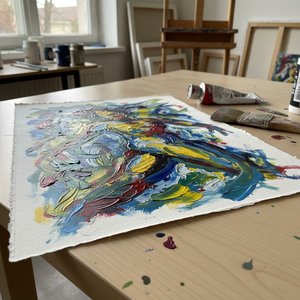
Acrylic on Paper: A Modern Canvas for Contemporary Expression
Explore the versatility of acrylic painting on paper! Discover expert techniques, artist insights & archival practices for creating stunning contemporary art. Learn more at OriginalUniqueArt.

Goya Mesterművei: A Spanyol Lélek 25 Legikonikus Képe – OriginalUniqueArt
Fedezze fel Goya 25 leglenyűgözőbb mesterművét! Ismerje meg a spanyol festő életművét, portréit és ikonikus képeit. Vásároljon prémium minőségű reprodukciókat a OriginalUniqueArt.com-on, és teremtsen egyedi otthoni dekorációt klasszikus művészettel! Explore the full collection online.

Angelo Chiacchio: A Mid-Century American Illustration Master & the Rise of Commercial Art
Explore the captivating world of Angelo Chiacchio, a master of mid-century American illustration. Discover his evolution, signature style, and lasting impact on commercial art & design. Learn about his legacy at the Museum of American Illustration.

Kay Rasmus Nielsen: A Golden Age Illustrator's Enchanting Legacy of Symbolism & Narrative
Explore the captivating world of Kay Rasmus Nielsen, a celebrated Golden Age illustrator renowned for his Art Nouveau fairy tale art & Disney contributions. Discover his unique style, enduring legacy, and how to collect his enchanting works.


