

 Megtekintés
 Küldés
 Megosztás
 Részletek

 Letöltés
 Hasonló darabok
 X-ray felvétel
 Diavetítés
Untitled (677)
 Összes részlet megjelenítése
Giclée / Műnyomat
Múzeumi minőségű giclée vagy vászonnyomat, gyors gyártással és rugalmas finomítási lehetőségekkel. ( Kézzel festett másolat rendelése Kép letöltése)




































Válasszon előre meghatározott méreteink közül, amelyek megfelelnek a műalkotás eredeti arányainak.

Megadhat saját méreteket is egy konkrét kerethez vagy helyszínhez igazítva. Amennyiben a kiválasztott méret nem egyezik az eredeti kép arányokkal, a műalkotást le fogjuk vágni, vagy kiegészítjük a képet tükrözött vagy egyszínű szélekkel. A gyártás megkezdése előtt egy digitális tervezetet küldünk jóváhagyásra.
Kérjük, vegye figyelembe, hogy a képernyőn látható előnézet nem tükrözi a tényleges levágást vagy kiegészítést. Csak a tervezet mutatja pontosan a végső kompozíciót.
Bár az egyedi méretek is elérhetőek, az eredeti arányok megőrzése érdekében azt javasoljuk, hogy válasszon a előre meghatározott listából származó méretet.
Világszerte történő kiszállítás területére mindössze 2 hét alatt, a szokásos 4-5 hét helyett. (21 augusztus)

Ingyenes globális expressz szállítás

Prémium minőségű len vászon

Teljes körű szállítási biztosítás

Vámvisszatérítési Garancia

Hiteles színpontosság garancia

60 napos visszaküldési lehetőség (csak hibás termékek esetén)

100% pénzvisszatérítési garancia

Több darab vásárlása esetén kedvezmény
 Az üvegkeretes opció csak 110 cm alatti méretben érhető el

Untitled (677)
Giclée / Műnyomat
Reprodukció mérete
-


Összesített ár
$ 80
A művész életrajza
A Life Painted in Vibrant Hues: The World of Francisco Iturrino
Francisco Nicolás Iturrino González, born in Santander, Spain, in 1864, was an artist whose life unfolded as a passionate exploration of color and light. His journey began not with brushes and canvases, but with the pragmatic pursuit of engineering studies in Liège, Belgium. However, this path proved too restrictive for a soul drawn to the expressive power of art. Secretly abandoning his academic pursuits, Iturrino ventured to Brussels, enrolling at the Académie Royale des Beaux-Arts and embarking on a career that would see him navigate the evolving currents of Post-Impressionism and Fauvism. His early artistic education was subtly shaped by his uncle, Elviro González, a multifaceted figure—poet, painter, and musician—who instilled in Iturrino an appreciation for creative expression from a young age. The move to Paris proved pivotal, where he honed his skills alongside Henri Evenepoel, a fellow artist who would remain a lifelong friend and collaborator. This period marked the genesis of a style that would become distinctly his own, characterized by bold color choices and a dynamic approach to composition.Forging a Unique Artistic Voice: Influences and Development
Iturrino’s artistic development was profoundly influenced by the vibrant atmosphere of late 19th and early 20th-century Europe. Initially, his work resonated with the principles of Impressionism and Post-Impressionism, absorbing the luminous effects of Monet and Sisley. Yet, he swiftly moved beyond these conventions, embracing a more radical use of color that firmly positioned him within the burgeoning Fauvist movement—a bold rebellion against academic tradition championed by artists like Matisse and Derain. This shift wasn’t merely stylistic; it was an emotional response to his surroundings. He sought to capture not just what he saw but how he *felt*, channeling his observations into canvases ablaze with intense hues and energetic brushstrokes. A particularly formative relationship fueled this evolution: his unwavering friendship with Henri Matisse. The two artists spent considerable time together, fostering intellectual exchange and artistic inspiration—a bond that extended beyond Paris to encompass a transformative sojourn in Morocco during the winter of 1911–12. During this journey, they scrutinized each other’s techniques and shared ideas about how to convey emotion through color and form. Pablo Picasso, who Iturrino befriended shortly after arriving in Paris, also exerted considerable influence on his artistic vision—a connection that resulted in a collaborative exhibition at Ambroise Vollard's gallery in 1901, marking an auspicious beginning for Iturrino’s Parisian career.Exploring Iturrino’s Landscape Vision
Iturrino’s fascination with the Basque Country—his birthplace and lifelong home—became a central element of his artistic practice. He meticulously documented the region's dramatic landscapes—mountains scarred by ancient volcanoes, rolling hills bathed in golden sunlight, and windswept coastlines sculpted by relentless waves—transforming them into canvases brimming with vibrant color and expressive dynamism. His approach mirrored that of Cézanne, who similarly sought to distill the essence of nature through geometric forms and carefully considered perspectives. Iturrino’s paintings captured not merely visual representations but palpable sensations—the coolness of stone against skin, the warmth of sunlight on foliage, and the invigorating force of the wind—creating immersive experiences for viewers that transcended mere depiction. Works like “Grand Paysage” exemplify this commitment to conveying emotion through form and color, demonstrating Iturrino’s mastery of Fauvist techniques while retaining a subtle Impressionistic sensibility.The Bullfight: A Symbol of Passion and Tradition
Beyond landscapes, Iturrino dedicated himself to portraying the spectacle of bullfighting—a cornerstone of Spanish culture and tradition—with remarkable sensitivity and artistic flair. He captured the tension and drama of the corrida arena, conveying not only visual details but also the palpable energy of the crowd and the primal instinct of the bullfighter. His canvases pulsated with color and movement, mirroring the frenetic pace of the event itself. Iturrino’s depictions were infused with a profound understanding of symbolism—the bull representing courage and nobility, the matador embodying skill and determination—reflecting his deep connection to Basque heritage and artistic ideals. He skillfully employed chiaroscuro—the interplay of light and shadow—to heighten dramatic impact and emphasize key figures within the composition.Recognition and Resilience: A Career Marked by Triumph and Adversity
Throughout his career, Iturrino actively sought opportunities to showcase his work, participating in numerous exhibitions across Europe. The Salon des Artistes Indépendants in Paris, the Société Nationale des Beaux-Arts, and shows organized by La Libre Esthétique in Brussels provided platforms for him to engage with a wider audience and establish himself as a significant artistic voice. His association with Ambroise Vollard—who championed his work and staged four solo exhibitions between 1902 and 1911—was particularly crucial in securing recognition for Iturrino’s talent. Picasso, who arrived in Paris shortly after Vollard's gallery opened its doors, became a fellow artist and collaborator, fostering intellectual exchange and artistic inspiration. The International Exposition of Painting and Sculpture in Bilbao that same year honored Iturrino with a dedicated room showcasing forty of his paintings—a testament to the growing esteem for his distinctive style. Despite facing considerable hardship following the amputation of his leg in 1920—a devastating setback compounded by financial difficulties—Iturrino persevered, supported by loyal friends and admirers who recognized the enduring value of his artistic legacy. He retired to Cagnes-sur-Mer in France in 1922, seeking solace and recuperation amidst the tranquil beauty of the Côte d’Azur. Francisco Iturrino passed away peacefully there on June 20, 1924, leaving behind a body of work that continues to inspire awe and admiration—a testament to his unwavering devotion to artistic expression and a beacon of Basque cultural heritage.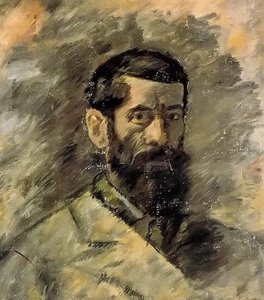
Iturrino
1864 - 1924 , Spanyolország
A művészről röviden
- Artistic Movement Or Style: Post-Impressionism, Fauvism
- Artists Or Movements Influenced By This Artist: ['Pablo Picasso']
- Artists Who Influenced This Artist:
- Henri Matisse
- Henri Evenepoel
- Date Of Birth: September 9, 1864
- Date Of Death: June 20, 1924
- Full Name: Francisco Nicolás Iturrino González
- Nationality: Spanish
- Notable Artworks:
- Untitled (737)
- Untitled (296)
- Untitled (146)
- Place Of Birth: Santander, Spain

