

 Megtekintés
 Küldés
 Megosztás
 Részletek
 Útmutató

 Letöltés
 Hasonló darabok
 X-ray felvétel
 Diavetítés
 Statisztika
Craccae
 Painting
- Surrealism
 1928
1928 116.0 x 88.0 cm
 Összes részlet megjelenítése
Kézzel készített olajfestmény reprodukció
Kézzel festett olajvastú vászon, az Ön által választott méretben és keretben, művészeink készítik meglévőre. ( Váltás nyomtatványra Áttérés digitális képre)




P118B Ft10

P118H Ft10

P118W Ft10

P438Z Ft10

P508JH Ft12

P508YH Ft12

P805H Ft10

P805Z Ft10

P919BZ Ft10

P919G Ft10

P919XJ Ft10

P959ZH Ft10

P968JZ Ft12

W106C Ft8

W218G Ft10

W218JH Ft8

W218Y Ft10

W307PJ Ft10

W316G Ft10

W316PJ Ft8

W316Y Ft10

W398PJ Ft8

W4111J Ft10

W500HY Ft15

W500JH Ft15

W692G Ft12

W849H Ft8

W940BG Ft15

W953PJ Ft8




Válasszon előre meghatározott méreteink közül, amelyek megfelelnek a műalkotás eredeti arányainak.

Írja be a kívánt szélességet és magasságot, hogy illeszkedjen a keretéhez vagy a falához. Mivel ez kézzel festett alkotás, egy eltérő formájú méret esetén a művész akár festhet is valamivel többet a kép körül, vagy korolathat is belőle — az Ön döntésének megfelelően. A festés megkezdése előtt küldünk egy digitális tervezetet jóváhagyásra. Az oldalon látható kép nem tartalmazza a végeredményt — csak a tervezet mutatja meg a valódi eredményt.
A rendelést követően a OriginalUniqueArt.com csapata e-mailt küld az ügyfélnek az instrukciókért, és biztosít egy előnézeti képet (mockup).
Világszerte elérhető szállítás () 3-4 hét alatt a szokásos 5 hét helyett. (25 október). A minőség nem kérdőjelezhető.

Ingyenes globális expressz szállítás

Prémium minőségű len vászon

Teljes körű szállítási biztosítás

Vámvisszatérítési Garancia

Hiteles színarányosság garancia

100 napos visszaküldési lehetőség (csak hibás termékek esetén)

100% pénzvisszatérítési garancia

Több darab vásárlásakor kedvezmény
 Az üvegkeretes opció csak 110 cm alatti méretben érhető el

Craccae
Reprodukciós technika
Reprodukció mérete
-


Összesített ár
Ft 96158
A Glimpse into Surrealist Enigma: Analyzing Picabia's "Craccae"
To stand before Francis Picabia’s Craccae is to step directly into the vibrant, often disorienting dreamscape of early modernism. This painting, executed in 1928, is not merely a depiction of figures and objects; it is a carefully constructed intellectual puzzle, a visual dialogue between the corporeal and the conceptual. The composition immediately arrests the viewer with its arresting tableau: two figures positioned facing one another—one draped in the vulnerability of nudity on the left, the other clothed in fabric on the right. Their shared, unseen focus suggests a moment of profound, perhaps unsettling, mutual contemplation, inviting us to question what object or idea commands their collective gaze.
The Language of Objects and Symbolism
What elevates Craccae beyond simple portraiture is Picabia’s masterful deployment of symbolic detritus. Scattered throughout the scene are objects that seem plucked from disparate realities: a prominent clock near the top suggests the relentless, perhaps mocking, passage of time; a bowl rests quietly in the lower left corner, hinting at offerings or decay; and two distinct books anchor the composition on either side. These elements do not merely decorate the space; they participate in the narrative. In the vein of Surrealist thought, these objects gain an almost autonomous life, challenging the viewer to assign meaning where none is explicitly given. The juxtaposition of the naked form against the structured dress, framed by mechanical timepieces and literary artifacts, creates a tension between raw existence and cultural artifice.
Picabia's Avant-Garde Context
Understanding this work requires an appreciation for Picabia’s restless genius. A polymath who navigated Cubism, Dada, and Surrealism, his career was defined by a refusal to settle into any single aesthetic cage. By 1928, he was deeply immersed in the currents of the subconscious mind, using art as a vehicle for philosophical inquiry rather than mere representation. The painting embodies this spirit—it is witty, intellectual, and slightly unsettling. It speaks to the anxieties of the post-war era, where established certainties regarding identity, time, and reality were crumbling under the weight of modern experience.
Aesthetic Resonance for the Modern Collector
For the collector or designer seeking a piece with profound depth, Craccae offers unparalleled intellectual gravity. Its detailed execution allows it to function beautifully as a focal point in any sophisticated interior setting. The interplay between the soft flesh tones and the hard lines of the surrounding objects provides a rich textural contrast that catches the light. Owning a reproduction of this work is not simply acquiring art; it is curating a conversation piece—a tangible echo of artistic rebellion, inviting daily contemplation on the nature of perception itself.
Kérdések és válaszok
Melyik évben készült a „Craccae”, Picabia alkotása?
A „Craccae”, Picabia alkotása alkotásának éve 1928.
Ki készítette a "Craccae" alkotást, és milyen stílusú?
Picabia a Surrealism irányzatban alkototta meg a "Craccae" című művét.
Hogyan illeszkedik a "Craccae" Picabia témáiba és stílusába?
A "Craccae" megosztja Picabia többi művével a Surrealism stílust és a rögzített témákat: dadaist surrealism influence, avant-garde exploration of reality, challenging societal norms, picabia's experimental phase.
A művész életrajza
A Life Forged in Avant-Garde Fire: The World of Francis Picabia
Francis Picabia, a név, mely szinte azonnal összeköti azokat a korai 20. századi művészeket, akik nem csak festettek, hanem provokátorok, köpők, tipográfusok és művészeti határokig határral járó felfedezők voltak. 1879-ben született Párizsban, Franciaországban, egy francia anyától és kubai apától, akik a diplomáciai körökben jártak elismerésnek. Picabia élete mindkét szülői örökségének hatását viselte: a priviléged, de mélyen csalódott természetű életet. Ez a kettő volt az, ami hajtotta művészi útján, átélve a kubizmust, a dadát, a szurrealizmussal és sokkal többel, elrendezve a modern művészet térképét. Korai évei tragédiával kezdődtek – anyja tüdőmirigy-tuberculosisban halt meg, amikor csak öt éves volt – de a távozása mellett a fia támogatta a fejlődést. A nagytalántól kapott vagyon Picabia számára lehetővé tette, hogy teljes mértékben dedikálja magát az művészi tevékenységnek, egy luxus, ami lehetővé tette, hogy folyamatosan kísérletezz és kihívja a megszokott normákat. Nem csak *mit* néztek meg a művek, hanem kérdőjelezték is a célját és jelentését.Impressionistic Beginnings to Cubist Revolution
Picabia korai művészi utakat az időszak által meghatározott stílusok hozták létre, különösen az impresszionizmus. Párisi tájképeket és folyópartokat festett technikailag megkülönböztethető módon, de ez nem volt elég ahhoz, hogy elégedett legyen. A kritikusok úgy találták, hogy a munkái eredendőek és hiányoznak az egyediségből, ami egy fontos fordulópontot jelentett. Ez a kielégületlenség ösztönözte őt arra, hogy új kifejezési módokat keressen, ami a kubizmus forradalmi ideáival körülvette 1909-ben. A Puteaux csoportba való csatlakozása – mely Marcel Duchampot és Guillaume Apollinairét is magába emelkedett – kulcsfontosságú volt. Bevonult a formák dekonstruciójába, a perspektívát bontogatásába és a geometriai absztrakciók felfedezésébe. Ez időszak jelentős áttörést hozott az esztétikájában, elmozdulva a reprezentációs pontosságtól egy inkább koncepciós irányba.Dada’s Provocateur: Machines, Satire, and the Rejection of Reason
A ensimmäinen maailanháború katalizátor lett Picabia radikális fázisának – a dadába való bevonásának. A remélességtelenséget és a társadalmi hypocrisiát, amelyekkel szembenézve, elutasította az ésszerűséget, a logikát és a hagyományos művészi értékeket. Egyrel később New Yorkba költözött, ahol Marcel Duchamp is csatlakozott hozzá. Itt Picabia igazán finomította dadai kifejezési módszereit. Kézben fogta a gépek képzését – gyakran szexuális árnyalatokkal teli fantasztiikus gépkészleteket – amelyek kritikát fejtettek ki a modern társadalom technológiai szenvedélye iránti áldozatkészségéről. Ezek a művek nem csak a gépek ábrázolása voltak, hanem alegóriák a világban zajló dehumanizáló erőknek. Szellemi szarkazmusa, kombinálva a vonal és forma mesterségével, tett ezeket a rajzokat különösen erőteljesekké. A *Little Review* című dadai folyóiratot szerkesztette, amely tovább terjesztette provokáló gondolatait és kihívta a művészi normákat. Universal Prostitution, egy összetett rajz, amelyet ezen időszakban készített, példa szolgál a tabu témák feltárására és a társadalmi elvárások lebontására.A Shifting Kaleidoscope: Surrealism and Beyond
Picabia művészi útja folyamatos fejlődéssel és a kategorizálás elutasításával volt jellemezve. Bár mélyen bevonódott a dadába, rövid ideig járt a szurrealizmus útján a 1920-as években, felfedezve az álom világát és a tudattalan világát. Azonban ez az asszociáció is hamarosan lejárt. Hamarosan elutasította azt, amit a szurrealista mozgalom szigorú dogmájaként érzett, inkább továbbra is saját útján haladt. Utóbb Picabia folyamatosan kísérletezett különböző stílusokkal és technikákkal, integrálva az organikus formákat és a vibráló színeket a munkájába. Későbbi festményei gyakran biomorfikus formákat mutattak, és szexuális textúrákat fejeztek ki. Maradék életében Picabia egy igazi művész volt, aki folyamatosan kísérletezett és kihívta a művészi hagyományokat.Legacy: A Pioneer of Modern Artistic Freedom
Francis Picabia öröksége kétségkívül megmutatkozott a modern művészetben. A folyamatos kísérletezése, a megszokott elutasítása és a vitákra való hajlandóság előre vette a 20. század művészeinek generációját. Egy igazi művészi szabadság úttörője volt, bizonyítva, hogy az művészet bármi lehet – politikai álláspont, filozófiai kutatás, személyes kifejezés vagy egyszerűen formák és színek játék. A munkái nem csak a különleges mesterműveikben, hanem a folyamatos elkötelezettségükben is megmutatják a művészi innováció iránti vágyukat és a hagyományok korlátjainak elutasítását.
Picabia
1879 - 1953 , Franciaország
Rövid információk
- Artistic Movement Or Style: Kubbist, Dada, Surrealista
- Artists Or Movements Influenced By This Artist:
- Picabia
- Dada
- Artists Who Influenced This Artist:
- Sisley
- Duchamp
- Date Of Birth: 1879. jan 28.
- Date Of Death: 1953. nov 30.
- Full Name: Francis-Marie Martinez Picabia
- Nationality: Francia
- Notable Artworks:
- Amorous Parade
- Caoutchouc
- Place Of Birth: Párizs, Francia
Kapcsolódó cikkek

Kandinsky Mesterművei: 25 Lenyűgöző Festmény a Modern Művészet Gyöngyszemeiből | OriginalUniqueArt
Fedezze fel Wassily Kandinsky 25 legikonikusabb művét! Merüljön el az absztrakt művészet világában, ismerje meg a színek és formák lenyűgöző történetét. Prémium minőségű reprodukciók és inspiráló dekorötletek a OriginalUniqueArt.com-on.

Geometrikus Absztrakció Mesterei: 10 Alapvető Műalkotás a Lakberendezéshez
Fedezze fel a geometrikus absztrakció 10 legikonikusabb műalkotását! Kandinsky, Mondrian és más mesterek festményeinek története inspirálja otthona dekorációját. Múzeumi minőségű reprodukciók a OriginalUniqueArt.com-on – fedezze fel online!
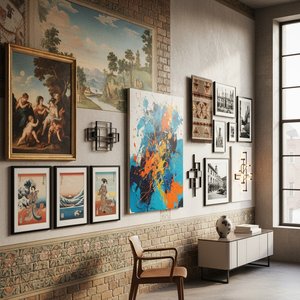
Transforming Spaces: A Comprehensive Exploration of Wall Decor Through Art History & Contemporary Practice
Explore the art of transforming spaces with our comprehensive guide to wall decor. From historical movements to contemporary trends, discover how to curate impactful interiors and commission bespoke artwork for a truly personalized aesthetic.

Absztrakt Expresszionizmus Mesterei: 10 alkotás, ami meghatározta a művészetet | OriginalUniqueArt.com
Fedezze fel a 10 legikonikusabb absztrakt expresszionista alkotást! Ismerje meg Jackson Pollock, Mark Rothko és más mesterek történetét. Művészeti reprodukciók prémium minőségben – OriginalUniqueArt.com.
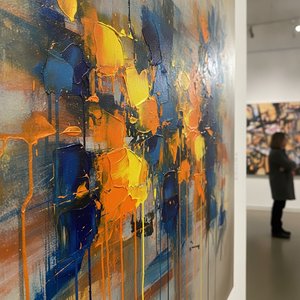
Beyond the Lines: Mastering the High-Impact World of Contemporary Abstraction
Master the high-impact world of contemporary abstraction. Discover how bold colors, textures, and modern movements like Abstract Expressionism can transform your space with premium, high-energy art curated for the design-conscious professional.