

 Előnézet
 Megosztás
 Megosztás
 Részletek
 Útmutató

 Letöltés
 Hasonló darabok
 X-ray felvétel
 Diavetítés
 Statisztika
Three Hares
 Acrylic On Canvas
- WallArt
- British Sporting Painting
 33.0 x 44.0 cm
 St John's College
 Tovább olvasom
Vásároljon nagy felbontású, javított digitális képet, amely minőségében messze felülmúlja az online előnézetet.
Minden fájlt szakembereink a legmodernebb eszközök és precíz, kézi retusálás segítségével készítenek el aprólékosan. Gondoskodunk arról, hogy minden kép kivételes tisztasággal, pontos színhelyességgel és részletgazdag finomsággal rendelkezzen.
A végleges fájl 72 órán belül e-mailben megérkezik, professzionális, szerkesztői és nyomtatási környezetbe optimalizálva az azonnali használathoz. Ez ugyanaz a minőség, amelyben a legmeghatározóbb tervezőstúdiók, kiadók és galériák is megbízhatnak.
Digitális kép
Töltsön le nagy felbontású fájlt személyes kiállításokhoz, nyomtatáshoz és kreatív projektekhez. ( Váltás nyomtatványra Kézzel festett másolat vásárlása)
Minden digitális kép rendeléséhez tartozó extrák
Szakértői digitális kézbesítés, garantáltan
Amikor a OriginalUniqueArt.com szolgáltatást választja, nem csupán egy képet kap – professzionálisan felmagasított digitális műalkotást kap, amely precizitással készült, és amelyet megelégsedési gwarancia tesz biztoslássá. Az alábbiakban automatikusan minden benne 】

Gyors e-mail teslimítés
A nagy felbontású digitális képmásolatát a megrendelést követő 72 órán belül e-mailben elküldjük Önnek – azonnal használható formátumban.

MI-alapú digitális képjavítás
Műve professzionális módon kerül optimalizálásra fejlett mesterséges intelligencia eszközök és manuális szerkesztés segítségével, biztosítva a maximális részletességet, tisztaságot és színpontosságot.

Örök életű ingyenes újradatás
Véletlenül törölted vagy elvesztetted a fájlodat? Ne aggódj – bármikor ingyen újra megküldjük neked.

Nincs importköltség – soha
Élvezze műalkotásait azonnal, vám, illeték vagy szállítási költség nélkül – a digitális letöltések mindig adamentesek.

Színpontosság garantálása
Professzionális eszközök és színkezelés segítségével garantáljuk, hogy digitális képe a lehető legpontosabban tükrözze az eredeti színeket.

100 napos elégedettségi garancia
Ha nemມີ elégedett a digitális képével, 100 napon belül felülvizsgáljuk vagy 100% visszatérítjük az amountot – kérdés बिना.

100% Pénzvisszatérítési garancia
Nem tetszett a vásárlás? 100 napon belül teljes visszatérítést garantálunk a digitális fájl megvételétől számítva – kérdés nélkül.

Tömegrendelési kedvezmények
Vásároljon 3 képet, spóroljon 10%-et - Vásároljon 5-öt, spóroljon 15%-et - Vásároljon 10+ képet, spóroljon 20%-at. Kiváló kreatív projektekhez, galériákhoz és ügynökségekhez.
Three Hares by Francis Barlow: A Pioneer of British Wildlife Painting
Francis Barlow (1626–1704) stands as an undeniable cornerstone in the annals of British art history, recognized primarily for his groundbreaking role as Britain’s first wildlife painter. His oeuvre transcends mere representation; it embodies a profound engagement with the natural world and reflects the intellectual currents of his era—a period grappling with scientific discovery and burgeoning interest in observation.
The painting “Three Hares” exemplifies Barlow's distinctive style, characterized by meticulous detail and an unwavering commitment to capturing the essence of animal behavior. Executed in oil on panel around 1690, it hails from St John’s College, Oxford—a testament to its patronage and a symbol of the artistic flourishing within academic circles.
- Subject Matter: The artwork depicts three hares positioned amidst a tranquil meadow dotted with trees. This seemingly simple composition belies a complex layering of observation and symbolic intent.
- Style & Technique: Barlow’s approach aligns closely with the burgeoning scientific spirit of the time, mirroring the meticulous studies undertaken by naturalists like Robert Plot. His brushstrokes are deliberate and precise, conveying an uncanny realism that distinguishes him from many of his contemporaries. The artist skillfully utilizes chiaroscuro—the interplay of light and shadow—to sculpt the forms of the animals and imbue them with a palpable sense of vitality.
- Historical Context: “Three Hares” emerged during a pivotal moment in British intellectual history, coinciding with the rise of empiricism and the burgeoning fascination with taxonomy. Barlow’s work reflects the humanist conviction that understanding God's creation demanded careful observation and accurate depiction—a perspective championed by thinkers like Isaac Newton.
- Symbolism: Beyond its aesthetic qualities, “Three Hares” carries symbolic resonance. The hare itself was considered a creature of considerable significance in folklore and heraldry, representing fertility, vigilance, and cunning. Barlow’s portrayal elevates the hare to an emblem of British natural beauty and intellectual curiosity.
- Emotional Impact: Viewing “Three Hares” evokes a feeling of serene contemplation—a connection with the rhythms of nature and a celebration of artistic skill. Barlow's masterful rendering captures not only the visual appearance of the hares but also their inherent grace and movement, inviting viewers to appreciate the sublime qualities of the natural world.
The painting’s enduring appeal lies in its ability to transport us back to a time when art served as a conduit for scientific inquiry and spiritual contemplation—a legacy that continues to inspire artists and collectors alike.
Gyakran Ismételt Kérdések
Hogyan épül fel a „Three Hares”, Francis Barlow alkotása színes kompozíciója?
A "Three Hares" alkotásban egy Balanced kontraszt párosul egy Strong Color Unity harmóniával.
Elérhető diaporáma „Three Hares”, Francis Barlow alkotása alkotáshoz?
Elérhető egy diaváltó: a Diaváltás oldala a(z) „Three Hares”, Francis Barlow alkotása alkotáshoz.
Milyen színeket használ a "Three Hares"?
A „Three Hares”, Francis Barlow alkotása színek palettáját úgy írják, mint Earthy. Ez a mű színeinek tömör leírása.
Művész életrajza
The Pioneer of the English Wild: The Life and Legacy of Francis Barlow
In the vibrant, often turbulent landscape of 17th-century England, few figures possessed the versatility and observational prowess of Francis Barlow. Born in Lincolnshire around 1626, Barlow emerged as a polymath of the visual arts—a painter, etcher, illustrator, and satirist whose work bridged the gap between scientific naturalism and popular storytelling. Often revered as the "Father of British Sporting Painting," his influence stretched far beyond the mere depiction of animals; he captured the very soul of the English countryside and the shifting political tides of his era. Though history occasionally overlooked his immense contributions, Barlow’s ability to infuse anatomical precision with narrative drama established a foundation for generations of British artists, most notably the legendary George Stubbs.
Barlow's artistic journey was marked by an extraordinary breadth of subject matter. He was not merely a chronicler of nature but a master of many disciplines, ranging from natural history and hunting scenes to political caricature and decorative design. His early career saw him making significant strides in book illustration, most notably through his twelve-plate work for Edward Benlowe's Theophila in 1652. This period of intense productivity showcased his skill as a printmaker, a talent that would later lead to collaborations with esteemed engravers like Wenceslaus Hollar. Whether he was etching woodcuts for Aesop’s Fables or painting the delicate textures of a bird's plumage, Barlow possessed an "exactness in the portrayal of birds, fishes, and animals" that earned him profound respect among his contemporaries.
A Visionary of Narrative and Satire
Beyond the tranquil scenes of wildlife, Barlow holds a unique place in the annals of art history as one of the world's first professional cartoonists. In 1682, he produced A True Narrative of the Horrid Hellish Popish Plot, a work that stands as a landmark in the evolution of sequential art. By utilizing illustrated sequences paired with text and—most revolutionary for his time—the use of speech balloons to allow characters to communicate, Barlow pioneered a technique that would eventually become the bedrock of modern comics. This satirical edge allowed him to navigate the complex sociopolitical atmosphere of Restoration England, using his pen to comment on the scandals and conspiracies that gripped the nation.
His work often functioned on multiple levels, offering both literal beauty and deep symbolic resonance. While a viewer might be captivated by the technical mastery of a hunting scene or the serene atmosphere of a farmyard, Barlow frequently embedded rich metaphors within his compositions. These subtle layers allowed his art to speak to the English populace's moods and political anxieties. His ability to blend the scientific observation of a naturalist with the biting wit of a satirist made him a singular voice in an age of profound transition.
The Final Chapter and Enduring Influence
Despite his prolific output and the high regard in which he was held by peers, Barlow’s later years were shadowed by hardship. The very versatility that defined his career did not shield him from financial instability; historical records, including those by Joseph Strutt, suggest that he died in 1704 in much-needed poverty. It is a poignant irony that an artist who so vividly captured the abundance of life and the excitement of the hunt should conclude his journey in such indigent circumstances.
Yet, the legacy of Francis Barlow remains undiminished by the struggles of his final days. His contributions to British art are foundational, leaving behind a trail of innovation that can be seen in:
- The Birth of Sporting Art: Establishing the tradition of depicting hunting, fishing, and wildlife with anatomical accuracy and atmospheric depth.
- Printmaking Excellence: Elevating the status of book illustration and etching through detailed, high-quality engravings.
- Sequential Storytelling: Laying the early groundwork for the comic strip through his innovative use of speech balloons and narrative panels.
- Natural History Illustration: Providing a vital visual record of fauna that influenced both the scientific and artistic communities of the 17th and 18th centuries.
Today, when we look upon works such as Three Hares or his evocative animal studies, we see more than just historical artifacts; we see the eyes of a man who truly understood the wildness of the world and the complexity of the human spirit.
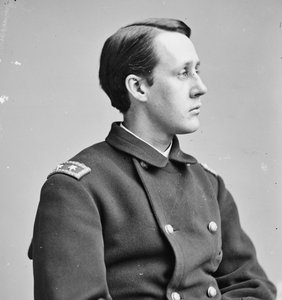
Francis Barlow
1624 - 1704 , United Kingdom
Rövid tények
- Full Name: Francis Barlow
- Nationality: English
- Date Of Birth: 1624
- Date Of Death: 1704
- Place Of Birth: Lincoln, United Kingdom
- Notable Artworks:
- Three Hares
- A Farmyard
- A Cassowary
- Theophila illustrations
- Artistic Movement Or Style: Natural history, hunting, and satire
- Artists Who Influenced This Artist: ['William Sheppard']
- Artists Or Movements Influenced By This Artist:
- George Stubbs
- British sporting painting