

 Megtekintés
 Küldés
 Megosztás
 Részletek
 Útmutató

 Letöltés
 Hasonló darabok
 X-ray felvétel
 Diavetítés
 Q&A
Q&A Statisztika
triptych, may - june, 1973 b

 Összes részlet megjelenítése
Az ezen az oldalon megjelenített műalkotások szerzői jogi védelem alatt állnak, ami azt jelenti, hogy törvényileg nem készíthetünk és nem adhatunk el belőlük pontos másolatokat. Ez a védelem olyan nemzetközi megállapodások alapján érvényesül, mint például a Berni Egyezmény és a nemzeti jogszabályok által, beleértve azokat is, amelyeket meghatározott Az USA szerzői jogi törvénye – 17. cím.
Ez a módszer teljes mértékben megfelel a szerzői jogi szabályozásnak, mivel nem tartalmazza a védett műalkotás másolását vagy duplikálását. Ehelyett ez egy kreatív újinterpretáció – egy új festmény, amely az eredetivel való összefüggései miatt hatással van rá, de nem az az.
Giclée / Műnyomat
Múzeumi minőségű giclée vagy vászonnyomat, gyors gyártással és rugalmas finomítási lehetőségekkel. ( Kézzel festett másolat rendelése Áttérés digitális képre)




P118B Ft10

P118H Ft10

P118W Ft10

P438Z Ft10

P508JH Ft12

P508YH Ft12

P805H Ft10

P805Z Ft10

P919BZ Ft10

P919G Ft10

P919XJ Ft10

P959ZH Ft10

P968JZ Ft12

W106C Ft8

W218G Ft10

W218JH Ft8

W218Y Ft10

W307PJ Ft10

W316G Ft10

W316PJ Ft8

W316Y Ft10

W398PJ Ft8

W4111J Ft10

W500HY Ft15

W500JH Ft15

W692G Ft12

W849H Ft8

W940BG Ft15

W953PJ Ft8




Válasszon előre meghatározott méreteink közül, amelyek megfelelnek a műalkotás eredeti arányainak.

Írja be a keretének vagy a falának megfelelő szélességet és magasságot. A nyomatot csak le lehet vágni, soha nem tehető nagyobbá, mint az eredeti kép, így egy eltérő alakú méretnél a kép egy része elveszik. Mielőtt bármit kinyatintanánk, küldünk egy digitális próbamodellt jóváhagyásra. Az oldalon látható kép nem tartalmazza a valós levágást — ezt csak a próbamodell mutatja meg.
Világszerte történő kiszállítás területére mindössze 2 hét alatt, a szokásos 4-5 hét helyett. (28 október)

Ingyenes globális expressz szállítás

Prémium minőségű len vászon

Teljes körű szállítási biztosítás

Vámvisszatérítési Garancia

Hiteles színarányosság garancia

100 napos visszaküldési lehetőség (csak hibás termékek esetén)

100% pénzvisszatérítési garancia

Több darab vásárlásakor kedvezmény
 Az üvegkeretes opció csak 110 cm alatti méretben érhető el

triptych, may - june, 1973 b
Giclée / Műnyomat
Reprodukció mérete
-


Összesített ár
Ft 25881
A Vision of Grief and Isolation: Examining Francis Bacon’s ‘Triptych, May-June 1973’
Francis Bacon's 'Triptych, May-June 1973,' housed in the Tate Modern collection, stands as a monumental testament to the artist’s unflinching exploration of human emotion—specifically grief and isolation. Completed in 1973, shortly after Jessie Lightfoot’s death, it represents arguably Bacon's most emotionally resonant work, capturing a profound sense of despair within its unsettling visual language. The triptych is comprised of three canvases joined horizontally, each depicting a figure contorted in agony—a man with his head bowed downwards, a woman with her torso turned away from the viewer, and a shadowy form seemingly emerging from a doorway. These figures are rendered in thick, viscous oil paint, employing Bacon’s signature technique of layering brushstrokes to create an almost sculptural surface texture. The palette is dominated by deep reds—particularly crimson—which pulsate with visceral energy and symbolize blood, pain, and vulnerability.- Style: Expressionist – Bacon eschewed representational accuracy in favor of conveying subjective experience, prioritizing emotional intensity over visual realism.
- Technique: Thick Impasto – Bacon’s masterful use of impasto—applying paint thickly onto the canvas—creates a palpable physicality that mirrors the psychological torment depicted within the artwork. The textured surface invites contemplation and emphasizes the artist's deliberate manipulation of materiality.
- Symbolism: The Red Walls – Bacon’s use of red walls symbolizes confinement and repression, mirroring the psychological imprisonment experienced by the figures within the canvases.
- Doorways: Recurring doorways represent transitions—both physical and metaphorical—suggesting a yearning for escape from pain and isolation but ultimately highlighting the inescapable reality of suffering.
Exploring the Visceral Landscape: Bacon’s Influence on Modern Art
Francis Bacon's groundbreaking approach to painting—characterized by his rejection of traditional conventions and his unwavering commitment to emotional expression—established him as a pivotal figure in the development of modern art. Prior to Bacon, artists largely adhered to academic standards of representation, prioritizing accuracy over feeling; Bacon decisively shattered these boundaries, ushering in an era where subjective experience reigned supreme. His influence extends far beyond his own canvases, shaping the artistic sensibilities of subsequent generations and inspiring countless artists to embrace experimentation and vulnerability.- Key Innovations: Bacon’s technique of layering impasto—creating textured surfaces through thick applications of paint—challenged established methods and paved the way for new approaches to materiality.
- Conceptual Shift: He fundamentally altered artistic thinking by prioritizing psychological exploration over visual realism, demonstrating that art could convey profound emotion without resorting to literal depiction.
The Legacy of Isolation: Bacon’s Enduring Relevance Today
Despite being created over fifty years ago, ‘Triptych, May-June 1973,’ and Bacon's broader artistic vision retain an astonishing degree of relevance in contemporary art discourse. The themes explored within the triptych—grief, isolation, vulnerability—remain profoundly resonant with audiences grappling with anxieties about identity, connection, and mortality in an increasingly fragmented world. Bacon’s uncompromising honesty—his refusal to sugarcoat difficult truths—continues to inspire artists who strive for authenticity and emotional depth.- Contemporary Resonance: The exploration of psychological trauma and the depiction of distorted figures speaks directly to anxieties prevalent in contemporary society regarding mental health and societal pressures.
- Artistic Inspiration: Bacon’s influence can be seen in the work of numerous artists who embrace experimentation, challenge conventions, and prioritize emotional expression—demonstrating the enduring power of his artistic legacy.
A Masterpiece Revisited: Examining Bacon’s Technique Through Time
Analyzing Bacon's technique reveals a remarkable consistency across his oeuvre—a dedication to layering impasto, manipulating color palettes, and employing symbolic imagery that transcends stylistic trends. The meticulous attention to detail—the painstaking creation of textured surfaces and the deliberate positioning of figures within complex compositions—underscores Bacon’s unwavering commitment to artistic excellence. Studying ‘Triptych, May-June 1973,’ alongside his other seminal works—such as ‘Three Studies After Lucian Freud’—provides invaluable insight into the artist's stylistic evolution and reveals recurring motifs that define his distinctive visual language.- Recurring Motifs: The use of distorted figures, fragmented landscapes, and symbolic doorways—elements found throughout Bacon’s paintings—demonstrates a deliberate artistic strategy aimed at conveying psychological anguish.
- Influence on Subsequent Artists: Bacon's technique has served as inspiration for countless artists who strive to achieve textural richness and emotional intensity—solidifying his position as a foundational figure in modern art history.
Where to Find Authentic Reproductions: Bringing Bacon’s Vision Home
Collectors and interior designers seeking to experience the visceral beauty of Francis Bacon's art can find high-quality reproductions at reputable art dealers and online platforms like OriginalUniqueArt.com. Selecting a museum-grade print—produced using archival inks on premium canvas—ensures that the artwork retains its vibrancy and integrity for generations to come. Consider framing options that complement the painting’s mood—dark wood frames enhance the dramatic atmosphere of ‘Triptych, May-June 1973,’ while lighter tones offer a subtle contrast to the intense reds and textures of the canvas. Explore OriginalUniqueArt.com's extensive collection for stunning prints and canvases – discover the transformative power of Bacon’s art in your home!Kérdések és válaszok
Erős fény-árnyék kontrasztot mutat-e a "triptych, may - june, 1973 b"?
A „triptych, may - june, 1973 b”, Francis Bacon alkotása Statement kontrasztot mutat a világos és sötét részek között.
„triptych, may - june, 1973 b”, Francis Bacon alkotása egy világos vagy egy sötét tónusú alkotás?
Összességében a "triptych, may - june, 1973 b" alkotás deep_shadow fényerőséget mutat. A tapasztalt fényerő azt írja le, hogy a mű mennyire tűnik világosnak vagy sötétnek.
Hol vásárolhatom meg „triptych, may - june, 1973 b”, Francis Bacon alkotása digitális képét?
A „triptych, may - june, 1973 b”, Francis Bacon alkotása digitális fájljának megvásárlása érdekében magas felbontású digitális kép letöltése az alábbi oldalon: Digitális alkotás.
A művész életrajza
Egy élet a mélyben
Francis Bacon, a huszadik századi művészet legmélyebb érzelmekkel teli képviselője 1909-ben született Dublinban, Írországban. Bár gyermekkora nem volt zökkenőmentes – anyja egészségi állapota miatt gyakori költözésekre kényszerültek –, éppen ez a bizonytalanság formálta mélyen világnézetét, és végül áthatotta vásznait. Komplikált kapcsolata szigorú apjával és szoros kötődése Jessie Lightfoot dajnájához tovább színesítette alakuló éveinek érzelmi táját. Kezdetben a lóversenyek és a szerencsejáték világa vonzotta, mielőtt végül húszas évei végén fordult volna teljes odaadással a festészet felé – egy késői kezdés, amely talán még inkább felerősítette későbbi munkáinak sürgető erejét. Nem tanult formálisan, hanem saját útját járta, sokféle forrásból merített inspirációt, és egyedülállóan nyugtalanító vizuális nyelvet fejlesztett ki.A korai hatások üstje
Bacon művészi ébredése nem volt azonnali, hanem inkább fokozatos benyomások kumulációja volt. Pablo Picasso munkái, különösen a kubista korszakának torzított alakjai kulcsfontosságúak voltak abban, hogy felszabadítsa magát a hagyományos ábrázolástól. Egon Schiele kísérteties fotográfiája is inspirációt nyújtott neki, amelynek expresszív emberi forma-torzulásai rezonáltak Bacon növekvő érdeklődésével az élet törékenysége és sérülékenysége iránt. Azonban egy véletlen találkozás Szergej Eisenstein *Potemkin páncélhajója* című filmjével hozott kulcsfontosságú katalizátort. A film nyers képei, különösen egy sikolyzó arc közeli felvétele, Bacon munkájának tartós motívumává vált, az emberi szenvedés mélységeit és a benne rejlő ősi félelmet szimbolizálva. Emellett nagyra becsülte a régi mestereket, nevezetesen Diego Velázquez-et, akinek *Innocent X pápa portréjá*t híresen újraértelmezte pályafutása során, az autoritás tekintélyes alakját gyötrelmes szellemmé változtatva. Ezek a hatások nem csupán stiláris átvételek voltak; Bacon saját egyedi érzékenységén keresztül abszorbeálódtak és transzformálódtak, ami mélységesen személyes és univerzálisan rezonáns művészi látásmódot eredményezet.Egy jellegzetes stílus kovácsolása: torzulás és elszigeteltség
Bacon áttörése 1944-ben történt a *Három tanulmány egy keresztre feszítés alapján* című művével, amely sokkolta és megragadta a háború utáni London közönségét. Ez a triptichon megalapozta Bacon jellegzetes stílusát – torzított, szétszakadt alakokat claustrofóbikus terekben elszigetelve. Ezek nem a vallási mártírság ábrázolásai voltak, hanem az emberi szenvedés nyers felfedezései, megfosztva minden vigasztaló narratívától vagy lelki megnyugtatástól. Festményei gyakran elmosódott vagy feloldódó formákat tartalmaznak, amelyek pszichológiai zűrzavart és fizikai sérülékenységet közvetítenek. Gyakran használt geometriai struktúrákat – ketreceket, dobozokat – a tárgyainak korlátozására, hangsúlyozva elszigeteltségüket és tehetetlenységüket. Bacon palettája tipikusan tompított és komor volt, tükrözve az általa feltárt sötét témákat, bár intenzív színek kitörései fokozta az érzelmi hatást. Ezeknek a ketreceknek a használata nem csupán kompozíciós eszköz volt; szimbolizálta az emberi létezésre szabott korlátokat és kényszereket. Arra törekedett, hogy ne csak azt ragadja meg, *hogyan* néznek ki a dolgok, hanem *milyen érzést* keltenek, fordítva a szorongás, a félelem és a kétségbeesés belső állapotait vásznakra brutális őszinteséggel.A halál, a szenvedés és az emberi létezés témái
Prolifikus pályafutása során Bacon ismételten visszatért bizonyos motívumokhoz: a keresztre feszítés mint a szenvedés szimbóluma; portrék, amelyek elmélyültek a tárgyaik pszichológiai intenzitásában, gyakran barátaik és szeretteik, például George Dyer; és önarcképek, amelyek az identitás és a halál introspektív felfedezései voltak. A *Velázquez pápa portréja után* (1953) sorozata talán egyik legikonikusabb alkotása, Velázquez méltóságteljes portréját sikolyó apparícióvá alakítva, a lét egzisztenciális borzalmát megtestesítve. George Dyer portréi különösen meghatóak, rögzítve kapcsolatuk intenzitását és a közelgő tragédia árnyékát. Bacon munkája nem specifikus egyének ábrázolásáról szólt; az emberi sérülékenység, elszigeteltség és a halál elkerülhetetlenségének univerzális témáinak felfedezéséről volt. Nem kerüli a létezés sötét oldalát, hanem szembe szembeszállt vele, kényszerítve a nézőket arra, hogy szembenézzék saját halandóságukat és szorongásaikat.Tartós örökség: A konvenciók megkérdőjelezése
Francis Bacon hatása a huszadik századi művészetre vitathatatlan. Megkérdőjelezte a reprezentáció hagyományos fogalmait, elutasítva az idealizált szépséget egy nyers, könyörtelen ábrázolásért az emberi létezésről. Munkája mélyen befolyásolta a művészek generációit, utat nyitva új kifejezési formák számára és kihívva a hagyományos művészeti határokat.- A háború utáni expresszionizmus: Bacon kulcsfontosságú alakja ennek a mozgalomnak, inspirálva a művészeket merész stílusával és pszichológiai mélységével.
- Aukciós rekordok & Múzeumi kiállítások: Festményei továbbra is magas áron kelnek el aukciókon, és jelentős múzeumokban állítják ki világszerte, megerősítve helyét a művészettörténetben.
- Az igazság szembeállítása: Bacon öröksége abban rejlik annak képességében, hogy szembeszálljon az emberi létezés kényelmetlen igazságaival és átültesse ezeket az élményeket erőteljes és felejthetetlen képekre.
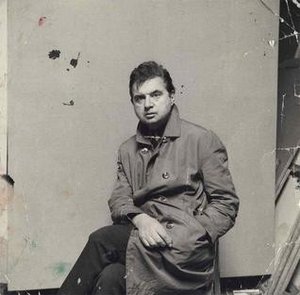
Francis Bacon
1909 - 1992 , Írország
Rövid információk
- Artistic Movement Or Style: Expresszionizmus
- Artists Or Movements Influenced By This Artist: ['Poszt-háborús expresszionizmus']
- Artists Who Influenced This Artist:
- Picasso
- Egon Schiele
- Date Of Birth: 1909. október 28.
- Date Of Death: 1992. április 28.
- Full Name: Francis Bacon
- Nationality: Ír-brit
- Notable Artworks:
- Három tanulmány...
- Pope sorozat
- George Dyer portré
- Place Of Birth (City And Country): Dublin, Írország
Kapcsolódó cikkek

Surrealist Expressionism: A Definitive Guide to the Intersection of Dream Logic and Raw Emotion
Explore the profound history of Surrealist Expressionism. Discover how artists blended dream logic with raw emotion to navigate post-war trauma through masterful, evocative imagery and psychological depth.
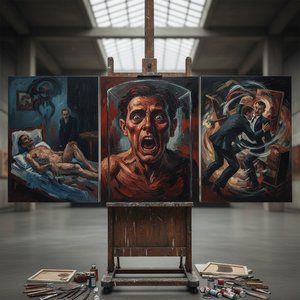
Francis Bacon legkiemelkedőbb művei: 25 lenyűgöző alkotás a modern művészetben | OriginalUniqueArt.com
Fedezze fel Francis Bacon 25 legkiemelkedőbb művét! Ismerje meg a modern művészet ikonikus festőjének sötét, érzelmes világát. Vászonképek, portrék és absztrakt alkotások – inspiráció otthonába. OriginalUniqueArt.com: múzeumi minőségű reprodukciók és exkluzív dekorációk online.

Surrealist Expressionism: A Visual Journey Through Dream Logic and Raw Emotion
Dive into the visceral world of Surrealist Expressionism. Explore how dream logic meets raw emotion through a visual journey of iconic techniques, post-war history, and bold aesthetics to transform your modern space with high-impact, unforgettable art.

Crimson Threads of Narrative: Exploring Symbolism & Representation in Artworks Featuring the Red Dress
Explore the rich symbolism of the red dress in art history! From ancient power displays to iconic portraits like Cézanne’s 'Madame Cezanne', discover the cultural and artistic significance behind this captivating color. Expert analysis & insights.
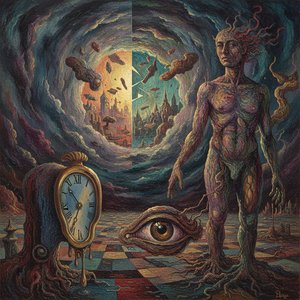
Beyond Reality: The Dreamlike Power of Surrealist Expressionism and the Subconscious Mind
Explore the profound depths of Surrealist Expressionism. Discover how masters like Dalí used dream logic and subconscious imagery to redefine reality through emotionally resonant, museum-quality art.


