

 Megtekintés
 Küldés
 Megosztás
 Részletek
 Útmutató

 Letöltés
 Hasonló darabok
 X-ray felvétel
 Diavetítés
 Statisztika
Madonna with Child
 Oil On Panel
- Renaissance Early Renaissance
 1514
1514 93.0 x 68.0 cm
 Hermitázsmúzeum
 Összes részlet megjelenítése
Giclée / Műnyomat
Múzeumi minőségű giclée vagy vászonnyomat, gyors gyártással és rugalmas finomítási lehetőségekkel. ( Kézzel festett másolat rendelése Áttérés digitális képre)




P118B Ft10

P118H Ft10

P118W Ft10

P438Z Ft10

P508JH Ft12

P508YH Ft12

P805H Ft10

P805Z Ft10

P919BZ Ft10

P919G Ft10

P919XJ Ft10

P959ZH Ft10

P968JZ Ft12

W106C Ft8

W218G Ft10

W218JH Ft8

W218Y Ft10

W307PJ Ft10

W316G Ft10

W316PJ Ft8

W316Y Ft10

W398PJ Ft8

W4111J Ft10

W500HY Ft15

W500JH Ft15

W692G Ft12

W849H Ft8

W940BG Ft15

W953PJ Ft8




Válasszon előre meghatározott méreteink közül, amelyek megfelelnek a műalkotás eredeti arányainak.

Írja be a keretének vagy a falának megfelelő szélességet és magasságot. A nyomatot csak le lehet vágni, soha nem tehető nagyobbá, mint az eredeti kép, így egy eltérő alakú méretnél a kép egy része elveszik. Mielőtt bármit kinyatintanánk, küldünk egy digitális próbamodellt jóváhagyásra. Az oldalon látható kép nem tartalmazza a valós levágást — ezt csak a próbamodell mutatja meg.
Világszerte történő kiszállítás területére mindössze 2 hét alatt, a szokásos 4-5 hét helyett. (26 október)

Ingyenes globális expressz szállítás

Prémium minőségű len vászon

Teljes körű szállítási biztosítás

Vámvisszatérítési Garancia

Hiteles színarányosság garancia

100 napos visszaküldési lehetőség (csak hibás termékek esetén)

100% pénzvisszatérítési garancia

Több darab vásárlásakor kedvezmény
 Az üvegkeretes opció csak 110 cm alatti méretben érhető el

Madonna with Child
Giclée / Műnyomat
Reprodukció mérete
-


Összesített ár
Ft 25681
A Portrait of Devotion: Unveiling the Madonna with Child
Within the hallowed halls of the Hermitage Museum in St. Petersburg resides a painting that transcends mere representation, offering instead a profound glimpse into the heart of Renaissance faith and artistry – the Madonna with Child by Francesco Bigi, more commonly known as Franciabigio. Completed around 1514, this oil on panel is not simply a depiction of Mary cradling her infant son; it’s a carefully constructed tableau brimming with symbolism, technical mastery, and an undeniable emotional resonance that continues to captivate viewers centuries later.
Franciabigio, a Florentine artist born around 1482 and tragically passing in 1525, carved out a unique niche within the artistic landscape of his time. Unlike many of his contemporaries who focused primarily on grand religious commissions, Franciabigio distinguished himself through his evocative portraits and masterful frescoes. His work is characterized by an intimate quality, a remarkable ability to capture not just physical likeness but also the subtle nuances of human emotion – qualities that are powerfully evident in this Madonna with Child.
The Anatomy of Faith: Symbolism and Composition
At first glance, the painting presents a serene scene: Mary, depicted as a youthful woman radiating grace and composure, holds the infant Jesus close. His gaze is direct, engaging the viewer with an innocent curiosity that belies his divine status. However, beneath this surface tranquility lies a complex web of symbolism. The dove hovering above the Madonna – a frequent motif in Christian art – represents the Holy Spirit, signifying divine guidance and blessing. The small object held by the infant Jesus, often interpreted as a bird or a small dove, further reinforces this theme of peace and spiritual grace.
Franciabigio’s compositional choices are equally deliberate. The figures are arranged within a balanced, harmonious space, creating a sense of stability and tranquility. The soft, rounded forms, characteristic of the High Renaissance style, lend a lifelike quality to the subjects, while the gentle use of light and shadow imbues the scene with an ethereal glow. The background landscape, rendered in muted greens and blues, provides a subtle yet effective contrast to the vibrant colors of Mary’s robe – a rich red that speaks to her role as Mother of God.
A Master's Touch: Technique and Historical Context
Francibigio’s technical skill is undeniable. His use of color is remarkably sophisticated, particularly in his rendering of textures—the delicate folds of Mary’s robe, the soft curls of the infant Jesus’ hair. The painting demonstrates a keen understanding of perspective and anatomy, reflecting the influence of artists like Leonardo da Vinci, whose anatomical studies profoundly impacted Renaissance art.
The Madonna with Child was created during a period of significant artistic innovation in Florence, a time when artists were pushing the boundaries of realism and exploring new ways to represent religious subjects. Franciabigio’s work stands as a testament to this dynamic creative environment, showcasing his ability to synthesize classical influences with contemporary trends. The painting's creation coincided with the rise of the Medici family, who commissioned numerous works of art to glorify their lineage and demonstrate their patronage of the arts.
A Timeless Legacy: Reproduction and Inspiration
Today, reproductions of the Madonna with Child continue to inspire artists and interior designers alike. Its serene beauty, profound symbolism, and masterful technique make it a timeless masterpiece that transcends its historical context. Whether displayed in a grand gallery or cherished within a private home, this painting offers a powerful reminder of the enduring power of faith, art, and human connection.
Kérdések és válaszok
Milyen nyomtatási méretet javasolunk a(z) „Madonna with Child”, Franciabigio alkotása alkotáshoz?
A „Madonna with Child”, Franciabigio alkotása ajánlott nyomtatási mérete: Medium.
Mennyire intenzívek a "Madonna with Child" színei?
A „Madonna with Child”, Franciabigio alkotása színei Subtle Color telítettséget és Monochromatic intenzitást mutatnak be.
Milyen érzést kelt „Madonna with Child”, Franciabigio alkotása színe?
A „Madonna with Child”, Franciabigio alkotása egy Earthy színpalettát ötvöz a Tranquil hangulatú tónussal.
A művész életrajza
Franciabigio: A florentini reneszánsz portréfestő
Franciabigio (kb. 1482 – 1525. január 24.) egy egyedülálló alakként áll a magasan reneszánsz korszak vibráló florentini művészetének szövetében – festő, akinek öröksége nem monumentális vallási megrendelésekben, hanem kifejező portréjaiban és mesteri freskóiban rejlik. Bár pontos életrajzi adatok ma is nehezen feltárhatóak, a tudósok úgy vélik, hogy az olaszországi Firente városában született, valószínűleg Francesco di Cristofano néven, bár a történelmi feljegyzések között időszakos változatai, mint Marcantonio Franciabigio vagy Francia Bigio is megjelentek. Korai művészeti képzése Alberto Altramonte mentorálásában zajlott, amely alapozta meg későbbi együttműködéseit és stilisztikai fejlődését. 1506 körül Franciabigio átkerült Andrea del Sarto műtermébe, ami döntő fordulatot jelentett pályáján. Ez a partnerség az innováció és az kísérletezés környezetét teremtette meg, amely csúcspontja egy közös műhely megalapítása volt a Piazza del Granóban – ez a művészeti aktivitás központ olyan neves alkotók számára volt vonzó, mint Rosso Fiorentino, Pontormo, Francesco Indaco és Baccio Bandinelli. Franciabigio hamar hírnevet szerzett freskókészítésében mutatott rendkívüli képességeivel, és megérte a kitüntetést, hogy kortársai felülmúlja ebben a technikában. Pontosan ebben az alanyt körülölelő médiumban csillogott Franciabigio művészi tudásának ereje: képes volt a legfinomabb arckifejezéseket megörökíni és lenyűgöző érzékességgel közvetíteni a lelki mélységet. Hírneve olyan portrék révén vált végleg stabilitássá, amelyek érezhető naturalizmussal áradnak, megkülönböztetve őt számos kortársától, akik az idealizált ábrázolásokat részesítették előnyben. Ellentétben a Santa Maria della Annunziata kolostor monumentális freskóival – ahol Andrea del Sarto egy nagyobb projektet irányított Franciabiggió mellett, és amely alkotást del Sarto ünnepelt „A Vénusz születése” című műve árnyékol le – Franciabigio munkássága az egyéni karakterre és az érzelmekre összpontosított. Az 1513-ban készült „A Szűz szəkletét” példaként szolgál erre a megközelítésre, bemutatva a művész képességét, hogy bibliai narratívákat humanisztikus realizummal töltsön meg. A firenzei Convento della Calza templomba (1514) készült „Az Úradalom utolsó vacsorája” freskó tovább megszilárdította hírnevét – ez egy monumentális vállalkozás volt, amelyet Andrea del Sarto felügyelet under Pontormo és Indaco részvételével valósult meg. Franciabigio hozzájárulása azonban ezen az ambiciózus projekten belül érezhetően visszafogottabb volt, mint del Sarto mesterművének, kiemelve mentorja stilisztikai dominanciáját. Hasonlóképpen a Convento della Salzo templomban (1518-19) Franciabigio együttműködött Andrea del Sarto-val az „Szent János keresztbaptismja utáni távozása a sivatagba” és a „Szent János és Jézus találkozása” című alkotásokon, demonstrálva folyamatos elkötelezettségét az innovatív művészeti kísérletezés iránt. Művészeti utazása a Poggio a Caiano melletti Villa Mediciben ért csúcspontját (1520-21), ahol felvállalta „Cicero diadalmaratonja” freskók készítését – egy olyan projekt, amely kiáltóan mutatta be Franciabigio stilisztikai rokonságát Pontformóval, különösen a Vertumnus és Pomona ábrázolását tartalmazó lunettában. Ellentétben Pontormo mitológiai alakok fényes ábrázolásával, Franciabigio kompozíciója melankóliát és nyugtalanságot sugárzott – ezt tükrözte egy proto-mannerista érzékiség, amely finoman eltért a kor prevailing esztétikai ideáljától. Különösen érdemes megemlíteni az 1516-os „Szent Job oltárképet”, amely technikai mesterségét és művészi vízióját bizonyította. Franciabigio befolyása túlmutatott közvetlen kortársain részen; Raphael Sanzio stilisztikai nyomai is felfedezhetők néhány neki tulajdonított festményében – leginkább a „Madonna és a gyermek” című alkotásában, amely aláhúzza a reneszánsz művészeti elvek széles körű hatását. Franciabigio maradandó öröksége abban rejlik, hogy képes volt a humanista eszméket vizuális formává alakítani, az emberi érzelmek összetettségét páratlan művészi kidolgozottsággal megörökítve – ez egy egyedülálló hozzájárulás flames de firenze művészettörténetéhez.
Franciabigio
1482 - 1525 , Olaszország
Rövid információk
- Artistic Movement Or Style: Reneszánsz
- Artists Or Movements Influenced By This Artist: ['Reneszánsz']
- Artists Who Influenced This Artist:
- Andrea del Sarto
- Raphael Sanzio
- Date Of Birth: Firenze, Olaszország (1482)
- Date Of Death: 1525. január 24.
- Full Name: Francesco Cristofano
- Nationality: Olasz
- Notable Artworks:
- Egy férfi portréja
- A Madonna feje
- Angyal
- Szent Job oltárképe
- A Szűzesség házassága
- Az utolsó vacsora
- János keresztese távozása
- János keresztese találkozása
- Cicero diadalma
- Vertumnus és Pomona
- Place Of Birth: Firenze
Kapcsolódó cikkek
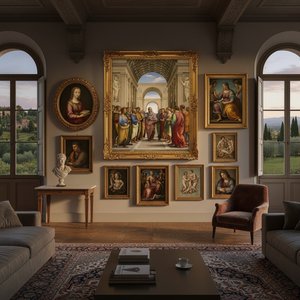
Raphael 25 Mesterműve: A Reneszánsz Zsenialitása – Vásároljon Kiváló Minőségű Reprodukciókat!
Fedezze fel Raphael 25 legpárásabb műalkotását! Olvasson a reneszánsz zsenialitásáról, festészeti technikáiról és ikonikus képeiről. Vásároljon exkluzív olajfestmény reprodukciókat otthona díszítésére a OriginalUniqueArt.com-on!
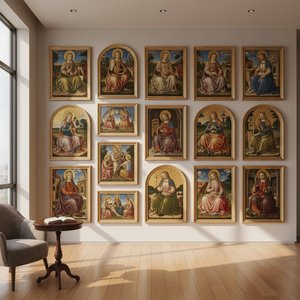
Fra Angelico Mesterek: A 25 Legszebb Műalkotás a Lelki Békeért – OriginalUniqueArt.com
Fedezze fel Fra Angelico 25 legszebb műalkotását! Reneszánsz festmények, angyalok és spirituális ikonfestészet a firenzei iskola mesterétől. Vásároljon exkluzív olajfestmény reprodukciókat otthonába a OriginalUniqueArt.com-on. Explore the full collection online!

The Enduring Power of Painting: A Historical & Contemporary Exploration of Form and Emotion
Explore the rich history & enduring techniques of oil painting with OriginalUniqueArt. Discover masterpieces, learn about art collecting, and find authentic handmade reproductions crafted by skilled artists.

The Enduring Legacy of Oil on Canvas: Technique, History & Aesthetic Impact
Explore the rich history & techniques of oil painting – from Renaissance masters to Impressionism. Discover pigments, layering methods, and why this timeless medium endures. Expert insights for artists & art enthusiasts.

Oil on Canvas: A Historical & Technical Exploration of a Timeless Artistic Medium
Explore the rich history & enduring techniques of oil painting on canvas. Discover the science behind its longevity, conservation practices, and contemporary relevance. Expert insights for art enthusiasts.