

 Megtekintés
 Küldés
 Megosztás
 Részletek
 Útmutató

 Letöltés
 Hasonló darabok
 X-ray felvétel
 Diavetítés
 Statisztika
Apollo and Daphne
 Oil On Canvas
- WallArt
- Baroque
 Early Modern
 73.0 x 60.0 cm
 Hermitázsmúzeum
 Összes részlet megjelenítése
Vásároljon nagy felbontású, javított digitális képet, amely minőségében messze felülmúlja az online előnézetet.
Minden fájlt szakembereink a legmodernebb eszközök és precíz, kézi retusálás segítségével készítenek el aprólékosan. Gondoskodunk arról, hogy minden kép kivételes tisztasággal, pontos színhelyességgel és részletgazdag finomsággal rendelkezzen.
A végleges fájl 72 órán belül e-mailben megérkezik, professzionális, szerkesztői és nyomtatási környezetbe optimalizálva az azonnali használathoz. Ez ugyanaz a minőség, amelyben a legmeghatározóbb tervezőstúdiók, kiadók és galériák is megbízhatnak.
Digitális kép
Töltsön le nagy felbontású fájlt személyes kiállításokhoz, nyomtatáshoz és kreatív projektekhez. ( Váltás nyomtatványra Kézzel festett másolat rendelése)
Minden digitális kép rendeléséhez tartozó extrák
Szakértői digitális kézbesítés, garantáltan
Amikor a OriginalUniqueArt.com szolgáltatást választja, nem csupán egy képet kap – professzionálisan felmagasított digitális műalkotást kap, amely precizitással készült, és amelyet megelégsedési gwarancia tesz biztoslássá. Az alábbiakban automatikusan minden benne 】

Gyors e-mail teslimítés
A nagy felbontású digitális képmásolatát a megrendelést követő 72 órán belül e-mailben elküldjük Önnek – azonnal használható formátumban.

MI-alapú digitális fájljavítás
Műve professzionális módon kerül optimalizálásra fejlett mesterséges intelligencia eszközök és manuális szerkesztés segítségével, biztosítva a maximális részletességet, tisztaságot és színpontosságot.

Örök életű ingyenes újradelivery
Véletlenül törölted vagy elvesztetted a fájlodat? Ne aggódj – bármikor ingyen újra megküldjük neked.

Nincs importköltség – soha
Élvezze műalkotásait azonnal, vám, illeték vagy szállítási költség nélkül – a digitális letöltések mindig adamentesek.

Színpontosság garantálása
Professzionális eszközök és színkezelés segítségével garantáljuk, hogy digitális képe a lehető legpontosabban tükrözze az eredeti színeket.

100 napos elégedettségi garancia
Ha nemມີ elégedett a digitális képével, 100 napon belül felülvizsgáljuk vagy 100% visszatérítjük az amountot – kérdés बिना.

100% Pénzvisszatérítési garancia
Nem tetszett a vásárlás? 100 napon belül teljes visszatérítést garantálunk a digitális fájl megvételétől számítva – kérdés nélkül.

Tömegrendelési kedvezmények
Vásároljon 3 képet, spóroljon 10%-et - Vásároljon 5-öt, spóroljon 15%-et - Vásároljon 10+ képet, spóroljon 20%-at. Kiváló kreatív projektekhez, galériákhoz és ügynökségekhez.
A Moment Frozen in Transformation
In the grand theater of Baroque art, few moments possess the visceral tension found in Francesco Trevisani’s Apollo and Daphne. This evocative oil on canvas, created between 1685 and 1690, captures the very heartbeat of a mythic crisis. As the sun god Apollo pursues the nymph Daphne, we witness the precise second where divine obsession meets mortal desperation. The painting does not merely depict a chase; it captures a metamorphosis in progress. Inspired by the legendary tales within Ovid’s Metamorphoses, Trevisani masterfully illustrates the climax of the pursuit, where the terror of being caught drives Daphne to seek refuge in the only way possible: by shedding her humanity and rooting herself into the earth as a laurel tree.
The composition is a triumph of dramatic movement and structural balance. Utilizing a classic pyramidal arrangement, Trevisani directs the viewer's eye through the swirling energy of the figures. Apollo, a figure of muscular strength and unyielding intent, looms over the scene, his presence commanding and heavy. In stark contrast, Daphne occupies a lower, more vulnerable position within the frame, her body twisting in an attempt to break free from his grasp. This physical hierarchy serves to heighten the emotional stakes, making the viewer feel the weight of Apollo's pursuit and the frantic, breathless flight of the nymph.
The Mastery of Light and Shadow
To behold this masterpiece is to experience the profound power of chiaroscuro. Trevisani employs a sophisticated interplay of light and shadow to sculpt the figures from the darkness of the landscape. A luminous, warm glow illuminates Apollo’s torso and the pale, terrified visage of Daphne, pulling them forward from a somber, atmospheric background. This technique does more than create three-dimensionality; it imbues the scene with a sense of theatrical urgency, as if a single spotlight has been cast upon this divine tragedy.
The artist’s technical precision is particularly evident in his treatment of texture and naturalism. Every detail—from the flowing, silken strands of Daphne’s hair to the delicate, emerging foliage of the laurel branches—is rendered with meticulous care. This commitment to realism serves a deeper purpose: by making the transformation feel tangible and physically real, Trevisani bridges the gap between the mythological and the human. For the collector or designer, such detail offers a profound depth that rewards close inspection, bringing a sense of classical elegance and narrative complexity to any curated space.
A Legacy of Emotional Resonance
Beyond its technical brilliance, Apollo and Daphne resonates through its deep symbolic layers. The painting explores the duality of passion—the destructive force of Apollo’s unrequited desire versus the desperate preservation of self found in Daphne's transformation. The laurel tree itself becomes a symbol of enduring memory and triumph, forever linked to the god who lost his love but gained a sacred emblem. This tension between pursuit and escape, between life and metamorphosis, provides an emotional gravity that transcends the era of its creation.
For those looking to integrate a piece of this magnitude into an interior, Trevisani’s work offers more than mere decoration; it offers a conversation. Whether placed in a sunlit gallery or a moody, sophisticated study, the painting acts as a focal point of dramatic storytelling. A high-quality reproduction of this Baroque treasure allows the timeless struggle of light against shadow and desire against flight to breathe new life into contemporary surroundings, inviting all who gaze upon it to contemplate the beautiful, often turbulent, nature of change.
Kérdések és válaszok
Milyen színintenzitással rendelkezik a „Apollo and Daphne”, Francesco Trevisani alkotása?
A "Apollo and Daphne" színtelítettsége Monochromatic. Az intenzitás azt mutatja meg, mennyire erőteljesnek tűnnek a színek.
Milyen érzést kelt „Apollo and Daphne”, Francesco Trevisani alkotása színe?
A „Apollo and Daphne”, Francesco Trevisani alkotása egy Earthy színpalettát ötvöz a Melancholic hangulatú tónussal.
Van-e útmutató a(z) „Apollo and Daphne”, Francesco Trevisani alkotása alkotáshoz?
A "Apollo and Daphne" útmutatója a mű Útmutató oldala – egy kinyomtatható adatlap, amely bemutatja a művet a leírással, a szerzői megjegyzéssel és az azonosító táblázattal (művész, dátumok, technika, eredeti méret, gyűjtemény) együtt.
Művész életrajza
The Grace of the Barochetto
Francesco Trevisani stands as a luminous figure in the transition between the dramatic intensity of the late Baroque and the emerging elegance of the early Rococo, a period often referred to as barochetto. Born in Capodistria, Istria, his artistic journey was shaped by the rich traditions of both Venice and Rome. As the son of an architect, he first learned the fundamental principles of design through the guidance of his father, Antonio Trevisani. This early foundation in structure and composition would later allow him to master the complex, theatrical arrangements that define his most celebrated works.
His training was deeply rooted in the masters of his era, studying under figures such as Antonio Zanchi and Joseph Heintz the Younger. These influences provided him with a technical vocabulary that blended vigorous movement with a refined sensibility. As he moved through the artistic hubs of Venice and Rome, Trevisani developed a style that could capture both the profound sorrow of religious martyrdom and the tender, celestial grace of divine encounters. His ability to navigate these emotional extremes made him a sought-after painter for significant ecclesiastical and private commissions.
Mastery of Emotion and Light
The works of Trevisani are characterized by an unflinching commitment to emotional depth and a breathtaking use of light. In his religious compositions, the boundaries between the earthly and the divine often seem to dissolve. One can observe this in his depictions of sacred scenes, where the heavy, sacred silence of a moment is palpable. Whether portraying the lifeless body of Christ being borne by angels or the poignant devotion of saints, Trevis andani utilized a palette and brushwork that emphasized the spiritual fervor of the age.
His technical prowess is particularly evident in his ability to render texture and atmosphere. In works such as The Martyrdom of the Seven Sons of Saint Felicity, he weaves together complex narratives involving Roman emperors, pagan statues, and celestial messengers. Through meticulous detail, he directs the viewer's eye across the canvas, using light to highlight the agony of the martyrs and the hope offered by heavenly crowns. This mastery of narrative painting allowed him to create works that were not merely decorative but served as profound instruments of devotion.
Legacy and Artistic Significance
Throughout his long career, Trevisani’s influence was felt deeply within the Roman art scene, particularly through his connection to influential patrons like Cardinal Ottoboni. His masterpiece, the frescoes in San Silvestro in Capite, serves as a testament to his ability to transform architectural spaces with grand, sweeping narratives. His style, heavily influenced by Carlo Maratta, helped define the aesthetic of the late Baroque, bridging the gap between the heavy shadows of the previous century and the lighter, more airy compositions of the coming Rococo era.
The historical significance of Francesco Trevisani lies in his role as a bridge between eras. He maintained the grandeur and dramatic tension required by the Counter-Reformation while introducing a sweetness and grace that anticipated the next movement in European art. His ability to balance the monumental with the intimate ensures that his paintings remain powerful windows into the spiritual and artistic soul of the early eighteenth century.
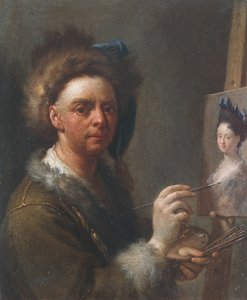
Francesco Trevisani
1656 - 1746 , Olaszország