
 Megtekintés
 Küldés
 Megosztás
 Részletek

 Letöltés
 Hasonló darabok
 X-ray felvétel
 Diavetítés
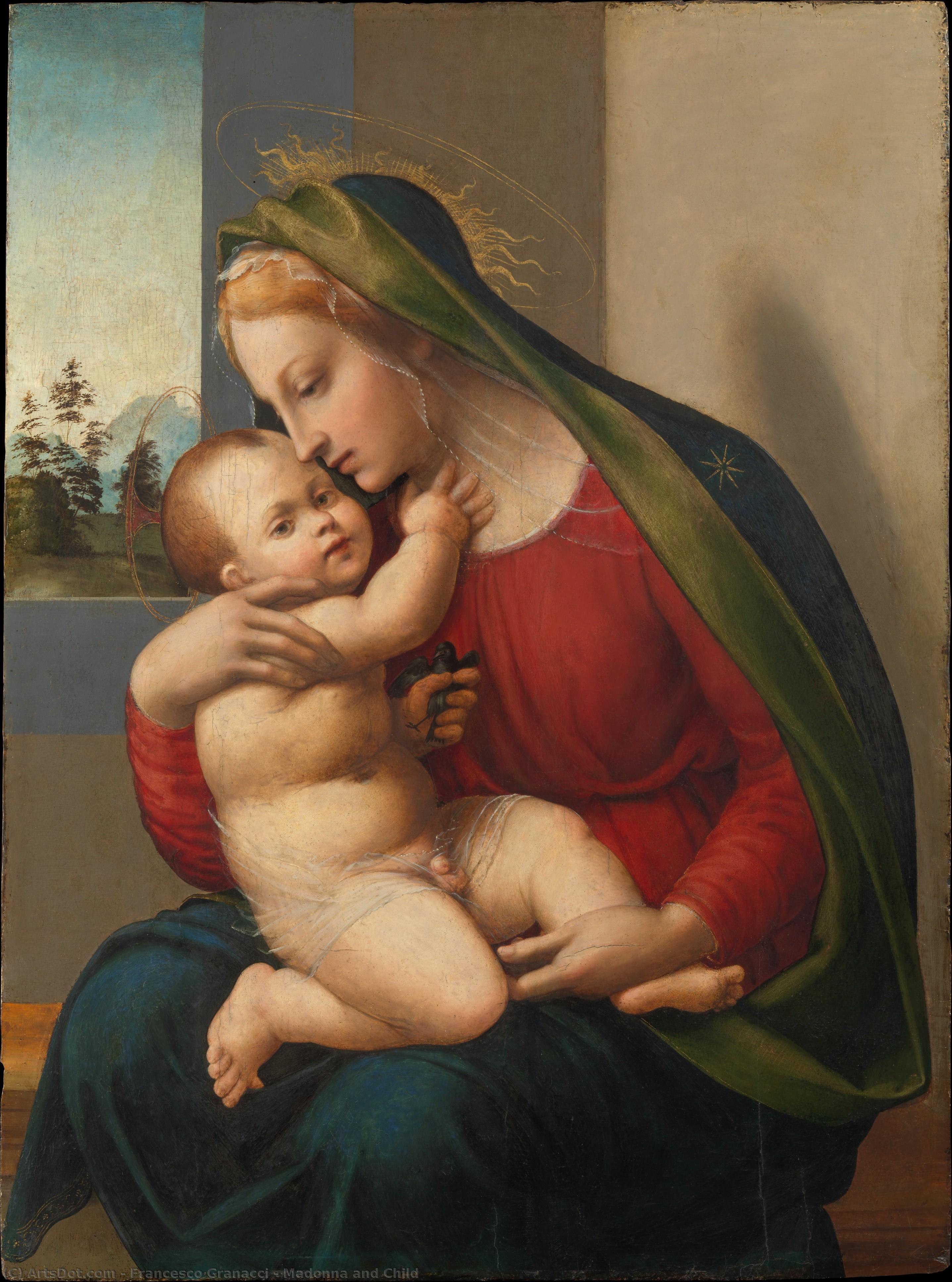
Madonna and Child
 1520
1520 87.0 x 65.0 cm
 Összes részlet megjelenítése
Vásároljon nagy felbontású, javított digitális képet, amely minőségében messze felülmúlja az online előnézetet.
Minden fájlt szakembereink a legmodernebb eszközök és precíz, kézi retusálás segítségével készítenek el aprólékosan. Gondoskodunk arról, hogy minden kép kivételes tisztasággal, pontos színhelyességgel és részletgazdag finomsággal rendelkezzen.
A végleges fájl 72 órán belül e-mailben megérkezik, professzionális, szerkesztői és nyomtatási környezetbe optimalizálva az azonnali használathoz. Ez ugyanaz a minőség, amelyben a legmeghatározóbb tervezőstúdiók, kiadók és galériák is megbízhatnak.
Digitális kép
Töltsön le nagy felbontású fájlt személyes kiállításokhoz, nyomtatáshoz és kreatív projektekhez. ( Nyomat rendelése Kézzel festett másolat rendelése)
Minden digitális kép rendeléséhez tartozó extrák
Szakértői digitális kézbesítés, garantáltan
Amikor a OriginalUniqueArt.com szolgáltatást választja, nem csupán egy képet kap – professzionálisan felmagasított digitális műalkotást kap, amely precizitással készült, és amelyet megelégsedési gwarancia tesz biztoslássá. Az alábbiakban automatikusan minden benne 】

Gyors e-mail teslimítés
A nagy felbontású digitális képmásolatát a megrendelést követő 72 órán belül e-mailben elküldjük Önnek – azonnal használható formátumban.

MI-alapú digitális fejlesztésű fájl
Műve professzionális módon kerül optimalizálásra fejlett mesterséges intelligencia eszközök és manuális szerkesztés segítségével, biztosítva a maximális részletességet, tisztaságot és színpontosságot.

Örök életű ingyenes újradelivery
Véletlenül törölted vagy elvesztetted a fájlodat? Ne aggódj – bármikor ingyen újra megküldjük neked.

Nincs importköltség – soha
Élvezze műalkotásait azonnal, vám, illeték vagy szállítási költség nélkül – a digitális letöltések mindig adamentesek.

Színpontosság garantálása
Professzionális eszközök és színkezelés segítségével garantáljuk, hogy digitális képe a lehető legpontosabban tükrözze az eredeti színeket.

60 napos elégedettségi garancia
Ha nemມີ elégedett a digitális képpel, 60 napon belül átmunkáljuk azt, vagy 100% visszatérítjük az amountot – kérdés nélkül.

100% Pénzvisszatérítési garancia
Nem érheted el a teljes elégedettséget? 60 napon belül teljes visszatérítést kapsz a digitális fájlod megérkezése után – kérdés nélkül.

Tömegrendelési kedvezmények
Vásároljon 3 képet, spóroljon 10%-et - Vásároljon 5-öt, spóroljon 15%-et - Vásároljon 10+ képet, spóroljon 20%-at. Kiváló kreatív projektekhez, galériákhoz és ügynökségekhez.
A gyűjtemény részletei
A művész életrajza
Early Life and Florentine Beginnings
Francesco Granacci, born in the Tuscan village of Villamagna in 1469, emerged during a period of extraordinary artistic ferment in Florence. His early life was deeply intertwined with the city’s burgeoning Renaissance spirit, and his formative years were spent within the esteemed workshop of Domenico Ghirlandaio—a master renowned for his clarity of line, balanced compositions, and vibrant narrative frescoes. It was here that Granacci absorbed the foundational principles of Florentine painting, honing his skills alongside a cohort of talented apprentices. However, it wasn’t solely Ghirlandaio who shaped the young artist's trajectory; a particularly close friendship with Michelangelo Buonarroti blossomed during this time. The two shared a passion for classical sculpture and frequented Lorenzo de’ Medici’s renowned garden, immersing themselves in the study of ancient forms—an experience that would subtly yet profoundly influence Granacci’s artistic development. Early works like the Madonna and Child with Saints Michael and John the Baptist, now housed in Berlin's Staatliche Museen, and the Adoration of the Child at the Honolulu Museum of Art reveal a nascent talent already demonstrating Ghirlandaio’s influence, yet hinting at a unique sensibility beginning to emerge.A Collaborative Spirit and Roman Interlude
Granacci’s artistic path wasn't solely defined by solitary practice; collaboration played a significant role in his growth. He frequently worked alongside Filippino Lippi, whose style also left an indelible mark on his early paintings. Vasari recounts that Granacci even served as a model for the nude figure in Lippi’s celebrated Raising of Theophilus within the Brancacci Chapel—a testament to the close working relationship between the two artists. In 1508, a pivotal moment arrived when Granacci journeyed to Rome. There, he joined Michelangelo and other skilled painters assisting with the monumental task of decorating the Sistine Chapel ceiling. While his direct contribution remains debated, this experience exposed him to the sheer scale and ambition of High Renaissance art, broadening his artistic horizons and instilling a greater sense of sculptural form in his compositions. Upon returning to Florence, Granacci’s work began to exhibit a newfound dynamism, evident in pieces like Rest on the Flight into Egypt, where figures possess a more robust physicality and are set within exotic landscapes rendered with radiant color.Religious Themes and Florentine Commissions
The majority of Granacci's oeuvre centers around religious subjects—frescoes, altarpieces, and devotional paintings that reflect the piety and artistic tastes of his time. He secured numerous commissions throughout Florence, working for various churches and convents. Notable examples include the Madonna with Child with Saints Francesco and Jerome, originally created for the Augustinian convent of San Gallo, and the Assumption of the Virgin commissioned for Santi Girolamo e Francesco sulla Costa—both now residing in the Galleria dell'Accademia. In 1515, he participated in a large-scale decorative project celebrating Pope Leo X’s visit to Florence, collaborating with prominent artists such as Andrea del Sarto and Jacopo Pontormo. This period saw him create Joseph Presents his Father and his Brothers to the Pharaoh, now gracing the Uffizi Gallery—a work that showcases his skill in narrative clarity and detailed composition.Later Years and Artistic Synthesis
As Granacci matured, his style underwent a subtle yet significant evolution. He began incorporating influences from artists like Fra Bartolomeo and Pietro Perugino, absorbing elements of Umbrian painting characterized by its soft modeling and harmonious color palettes. This synthesis of diverse artistic currents resulted in works that balanced the clarity of Florentine tradition with a more nuanced emotional depth. While he never achieved the widespread renown of his contemporaries, Granacci was consistently regarded as a dependable and skilled craftsman—a painter whose work stood at an important juncture between the older Florentine manner and the emerging aesthetics of the High Renaissance. He passed away in Florence in 1543, buried within the Church of Sant’Ambrogio, leaving behind a legacy of devotional paintings that continue to offer glimpses into the artistic life of Renaissance Italy.Historical Significance
Francesco Granacci's historical significance lies not in radical innovation but in his embodiment of the collaborative spirit and evolving stylistic trends of Florentine painting during the High Renaissance. He was a skilled artisan who successfully navigated the complex interplay of influences—from Ghirlandaio and Lippi to Michelangelo, Fra Bartolomeo, and Perugino—creating works that reflect the artistic diversity of his time. Though often overshadowed by more celebrated figures, Granacci’s paintings provide valuable insights into the religious sensibilities and aesthetic preferences of 16th-century Florence. His ability to blend narrative clarity with a growing emotional depth makes him a compelling figure in the broader context of Renaissance art history—a testament to the enduring power of artistic synthesis and dedicated craftsmanship.
Francesco Granacci
1469 - 1543

