
 Megtekintés
 Küldés
 Megosztás
 Részletek
 Útmutató

 Letöltés
 Hasonló darabok
 X-ray felvétel
 Diavetítés
 Kérdések és válaszok
 Statisztika
Architectural View

- 124.0 x 234.0 cm


 Összes részlet megjelenítése
Giclée / Műnyomat
Múzeumi minőségű giclée vagy vászonnyomat, gyors gyártással és rugalmas finomítási lehetőségekkel. ( Kézzel festett másolat rendelése Áttérés digitális képre)




P118B Ft10

P118H Ft10

P118W Ft10

P438Z Ft10

P508JH Ft12

P508YH Ft12

P805H Ft10

P805Z Ft10

P919BZ Ft10

P919G Ft10

P919XJ Ft10

P959ZH Ft10

P968JZ Ft12

W106C Ft8

W218G Ft10

W218JH Ft8

W218Y Ft10

W307PJ Ft10

W316G Ft10

W316PJ Ft8

W316Y Ft10

W398PJ Ft8

W4111J Ft10

W500HY Ft15

W500JH Ft15

W692G Ft12

W849H Ft8

W940BG Ft15

W953PJ Ft8




Válasszon előre meghatározott méreteink közül, amelyek megfelelnek a műalkotás eredeti arányainak.

Írja be a keretének vagy a falának megfelelő szélességet és magasságot. A nyomatot csak le lehet vágni, soha nem tehető nagyobbá, mint az eredeti kép, így egy eltérő alakú méretnél a kép egy része elveszik. Mielőtt bármit kinyatintanánk, küldünk egy digitális próbamodellt jóváhagyásra. Az oldalon látható kép nem tartalmazza a valós levágást — ezt csak a próbamodell mutatja meg.
Világszerte történő kiszállítás területére mindössze 2 hét alatt, a szokásos 4-5 hét helyett. (7 november)

Ingyenes globális expressz szállítás

Prémium minőségű len vászon

Teljes körű szállítási biztosítás

Vámvisszatérítési Garancia

Hiteles színarányosság garancia

100 napos visszaküldési lehetőség (csak hibás termékek esetén)

100% pénzvisszatérítési garancia

Több darab vásárlásakor kedvezmény
 Az üvegkeretes opció csak 110 cm alatti méretben érhető el

Architectural View
Giclée / Műnyomat
Reprodukció mérete
-


Összesített ár
Ft 26396
A Window on Renaissance Grandeur: Francesco di Giorgio Martini’s “Architectural View”
The Staatliche Museen in Berlin houses a painting that transcends mere representation; it offers a meticulously crafted glimpse into the heart of Renaissance architectural thought – Francesco di Giorgio Martini's "Architectural View," completed around 1477. More than simply a depiction of a courtyard, this work is a profound meditation on space, perspective, and the burgeoning humanist ideals shaping Europe’s artistic landscape. Martini, a polymath whose talents spanned painting, sculpture, architecture, and engineering, imbued this piece with an intellectual rigor rarely found in contemporary art, making it a cornerstone of his legacy.
The scene unfolds within a classically inspired courtyard, a carefully orchestrated composition dominated by muted earth tones – ochres, siennas, and umbers – that evoke the weathered grandeur of ancient Rome. Columns, arches, and domes rise with an almost mathematical precision, each element contributing to a sense of ordered harmony. Martini’s mastery lies not just in his technical skill but in his ability to capture the *illusion* of depth and volume. The use of linear perspective draws the viewer's eye towards the central fountain or pool, creating a powerful focal point that anchors the entire composition. Notice how the diminishing size of objects in the distance – a subtle yet crucial element of Renaissance painting – reinforces this sense of spatial recession.
The Architect’s Vision: Martini and the Dawn of Perspective
Martini's "Architectural View" stands as a pivotal work, representing a significant departure from the prevailing artistic conventions of his time. While other artists were primarily focused on portraying realistic appearances, Martini was deeply invested in understanding and replicating the principles of linear perspective – a technique that had been developing for centuries but was only beginning to be fully embraced by Renaissance painters. This painting isn’t merely a representation of an existing space; it's a demonstration of how that space *could* be rendered on a two-dimensional surface, reflecting Martini’s own architectural theories.
The influence of Leon Battista Alberti and Filarete, prominent architects and theorists of the early 15th century, is evident in Martini’s approach. However, Martini pushed beyond their established methods, incorporating elements of his own innovative designs – particularly concerning staircase planning and the arrangement of spaces within a building. The meticulous detailing of the columns, arches, and domes speaks to a deep understanding of architectural construction, suggesting that Martini intended this painting to serve as both an artistic statement and a practical guide for aspiring architects.
Symbolism and the Ideal City
Beyond its technical brilliance, “Architectural View” is rich in symbolic meaning. The courtyard itself represents a microcosm of the ideal city – a carefully planned space designed for civic life, contemplation, and social interaction. The central fountain or pool, often associated with abundance and prosperity, further reinforces this theme. The muted color palette contributes to an atmosphere of timelessness and serenity, evoking a sense of classical antiquity while simultaneously suggesting the potential for future innovation.
Interestingly, Martini’s architectural treatise, “Trattato di architettura, ingegneria e arte militare,” reveals his fascination with creating an ‘ideal city,’ a concept deeply rooted in humanist philosophy. This painting can be seen as a visual manifestation of that vision – a carefully constructed representation of the principles governing harmonious urban design. The influence of this treatise is further evidenced by the inclusion of geometric patterns within the ceiling, echoing the mathematical precision underlying Martini’s architectural theories.
A Legacy in Reproduction: Bringing Renaissance Grandeur Home
Today, “Architectural View” remains a testament to Francesco di Giorgio Martini's extraordinary talent and intellectual curiosity. Reproductions by OriginalUniqueArt offer an exceptional opportunity to bring this masterpiece into your home or office, allowing you to appreciate its beauty and complexity in exquisite detail. The careful attention to color, texture, and perspective ensures that these reproductions capture the essence of Martini’s original vision, transporting you back to the heart of the Renaissance.
For those seeking a deeper understanding of this remarkable work, we encourage you to explore the supplementary resources provided: links to scholarly articles, online exhibitions, and detailed analyses of Martini's artistic techniques. Discovering the rich history and symbolism behind “Architectural View” is an enriching experience in itself – a journey into the mind of one of Renaissance Italy’s most innovative thinkers.
Kérdések és válaszok
Mely múzeum őrzi az eredeti "Architectural View" című alkotást?
A „Architectural View”, Francesco di Giorgio Martini alkotása kiállítva található a Staatliche Museen zu Berlin, Berlin, Germany-ben. A múzeumi hivatkozás az eredeti műre vonatkozik, nem a reprodukciókra.
A „Architectural View” 1477-es dátuma Francesco di Giorgio Martini pályájának mely szakaszára tekintthető?
A "Architectural View", amely 1477 évben készült, Francesco di Giorgio Martini pályájának Early Period szakaszába tartozik.
Milyen hangulatot áraszt egy enteriőrben „Architectural View”, Francesco di Giorgio Martini alkotása?
A Calm hangulatával a "Architectural View" című alkotás egy Living Room helyiségbe is javasolt.
A művész életrajza
A reneszánsz polihisztor: Francesco di Giorgio Martini élete és víziója
Az olasz Quattrocento vibráló szövetében kevés olyan alak tűnik fel olyan monumentálisnak vagy sokoldalúnak, mint Francesco di Giorgio Martini. Valódi homo universalis, akinek intellektuma átjárta a képzőművészet égi szépsége és a mérnöki tudomány szigorú precizitása közötti határokat. 1439-ben, Sienában született Martini egy mély kultúrális átalakulás korában jött erre a világra, amikor a középkor árnyékait már az emberizmus fénye taszította el. Élete nem csupán egy művészi karrier volt, hanem az univerzum zuglagi geometriájának megértésére irányuló élethosszig tartó törekvés – legyen szó egy Madonna finom ecsetvonásáról vagy egy ideális város megerészeltett falairól.
Martini művészeti utazása Vecchietta figyelme alatt kezdődött, a sienai iskola mesterének, akinek stílusa a ritmikus, frizszzerű kompozíciókat részesítette előnyben. Bár korai képzése mély tiszteletet sulykolt benne a vallási ikonográfia és Siena elegáns hagyományai iránt, Francesco számára ott volt a megvárhatatlan vágy az innovációra. Lokális hagyományokon túlmutatott, és felé tekintett a fejlődő firenzei érdekesség felé a lineáris perspektívában és az antik klasszikus világban. Ez az intellektuális kíváncsiság lehetővé tette számára, hogy megússza elődei dekoratív jellegét, és műveit újfajta pszichológiai mélységgel, valamint a térbeli kapcsolatok kifinomult uralmával átszínezze, ami később Leonardo da Vinci géniuszában is visszhangzott.
A szellem és a szerkezet szintézise
Martini alkotói munkásságának szélessége nem ítélhető meg csupán lenyűgözőnek. Festőként ritka képességgel rendelkezett, amellyel képes volt összekapcsolni a szentet a testi valósággal. A mesterműveiben, mint például a Madonna és a gyermek szentekkel és angyalokkal, mély gyengédség figyelhető meg szigorú strukturális tisztasággal párosulva. Vallási alkotásai, köztük a sienai katedrálisnak készült monumentális Szűz Mária Koronázása, demonstrálják képességét, hogy egyesítse a klasszikⲟ grandeza-t az ártó művészet által megkövetelt érzelmi erővel. Nem csupán szent alakokat ábrázolt; olyan világba helyezte őket, amely építészetileg stabilnak és fizikailag jelenlévőnek tűnt.
Azonban Martini csak egy festőként való megtekintése mellett volna hiányos, mert ezzel elútná valódi géniuszának szívütését is. Az architektúra és a katonai mérnöki munka terهén tett hozzájárulásai hasonlóan átalakító erejűek voltak. Trattato di architettura című művé 통해 sokkal többet nyújtott, mint puszta technikai rajzokat; vizionárius tervrajzt kínált az città ideale-hoz – az ideális városhoz. Részletes illusztrációi és kéziratai egy olyan elmét tárnak fel, amely a proporciók harmóniája és a védelem stratégiai szükséglete iránt szenvedélyesen küzdött. Ezekben a vázlatokban látjuk a modern város tervezésének magvait, ahol a szépség és a hasznosság finom, kalkulált egyensúlyban létezik.
Egy építészetívionári öröksége
Francesco di Giorgio Martini történelmi jelentősége abban rejlik, hogy képes volt áthidalni a szakadékot a művész intuíciója és a mérnök logikája között. Olyan ember volt, aki nem látott különbséget egy szobrázott végtag eleganciája és egy kőbástya ereje között. Hatása áradt a reneszánsz áramlatokon keresztül, formálva a következő generációk szemét a tervezést olyan integrált tudományként, amely összefogja a különböző területeket. Élete, amely 1502-ben zárult le Sienában, olyan örökséget hagyott hátra, amely ma is visszhangzik a művészettörténet és az építészetelmélet tanulmányozásakor.
Művészetének tartós hatásának megfontolása során érdemes a nagyságának következő oszlopaira tekinteni:
- A perspektíva mesterléte: Szerepe a sienai művészet dekoratív hagyományból a magasreneszánsz térbeli mélységébe való átalakításában.
- Építészetileg innováció: Az urbanisztikai tervezés és a városvédelem elméleti kereteinek fejlesztése, amely évszázadokon át befolyásolta a mérnöki tudományt.
- Humanista integráció: A klasszikus anatómiai tanulmányok és a vallási ájtatoraság, valamint a tudományos kutatás zökkenőmentes ötvözése.
- A polihisztor ideál: Mint a reneszánsz alkotó definíció szerinti mintája, ahol a művészet, a tudomány és az intellekt elválaszthatatlan egységet alkot.

Francesco di Giorgio Martini
1439 - 1502 , Olaszország
Rövid információk
- Artistic Movement Or Style: Reneszánszi
- Artists Or Movements Influenced By This Artist: ['Leonardo da Vinci']
- Artists Who Influenced This Artist:
- Vecchietta
- Andrea del Verrocchio
- Date Of Birth: Szeptember 23, 1439
- Date Of Death: November 29, 1502
- Full Name: Francesco Maurizio di Giorgio Martini
- Nationality: Olasz
- Notable Artworks:
- A Szüleníés
- Szent Koronáció
- Place Of Birth: Sziena, Olaszország
Kapcsolódó cikkek

A homokszínű mesterművek világa: 10 ikonikus festmény a OriginalUniqueArt kínálatában
Fedezze fel a 10 legikonikusabb homokszínű festményt! Monet, Van Gogh és más mesterek művei inspirálnak. Vászonképek, faliképek otthonába – OriginalUniqueArt.com kínálatából. Explore the full collection online!

A 10 legikonikusabb festmény gombaszínekben – művészet otthonába a OriginalUniqueArt.com-mal
Fedezze fel a 10 legikonikusabb festményt, melyeket gombaszínek és barna árnyalatok dominálnak! Ismerje meg Van Gogh, Monet, Rembrandt műveit és inspirálódjon otthon dekorációjához. Museum-minőségű reprodukciók a OriginalUniqueArt.com-on!
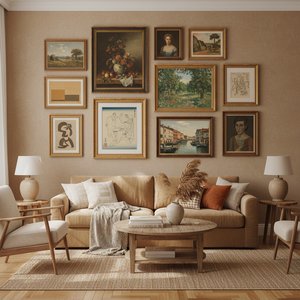
A 10 legikonikusabb festmény a barna árnyalataiban – OriginalUniqueArt.com
Fedezze fel a 10 legikonikusabb barna árnyalatú festményt! Ismerje meg Rembrandt, Vermeer és más mesterek alkotásait. Inspirálódjon klasszikus művészettel otthonába – OriginalUniqueArt.com kínálatából válogasson múzeumi minőségű reprodukciókat.

Earthen Hues: Exploring the Psychological & Artistic Significance of Earth Tones
Explore the captivating world of earth tones! Discover their historical significance, psychological impact & artistic techniques. Find inspiration for your home decor and museum-quality reproductions at OriginalUniqueArt.

The Resonance of Earthly Tones: Exploring Nuance, History & Emotional Impact in Art
Explore the captivating world of earth tones in art! Discover historical context, emotional resonance & artistic techniques behind these timeless colors. Find inspiration for your home decor and museum-quality reproductions.


