Text size

() ·

A painting made for you, by hand

Prophet Job

Kézzel készített olajfestmény reprodukció

Kézzel festett olajvastú vászon, az Ön által választott méretben és keretben, művészeink készítik meglévőre. ( Váltás nyomtatványra Áttérés digitális képre)

A gyűjtemény leírása

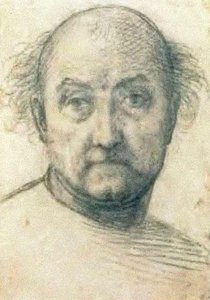
Fra Bartolomeo's 'Prophet Job' (1516) is a poignant High Renaissance masterpiece depicting faith and suffering. Explore the iconic image of Job’s resilience through art history.

A művész életrajza

Fedezze fel Fra Bartolomeot (1472-1517), a Hochrenessánce florentin mesterét! Ismerje meg békés vallásos művészetét, a drapériák mesteri ábrázolását és művészetének mély hatását Raphaelra.

from ·

Chapter 1

How large should it be?

Slide to change the size; the picture on the left shows the frame at its real width. The proportions of the original are kept.

Standard méret
egyedi méretű
CM
INCH

Válasszon előre meghatározott méreteink közül, amelyek megfelelnek a műalkotás eredeti arányainak.

szélesség
magasság

Írja be a kívánt szélességet és magasságot, hogy illeszkedjen a keretéhez vagy a falához. Mivel ez kézzel festett alkotás, egy eltérő formájú méret esetén a művész akár festhet is valamivel többet a kép körül, vagy korolathat is belőle — az Ön döntésének megfelelően. A festés megkezdése előtt küldünk egy digitális tervezetet jóváhagyásra. Az oldalon látható kép nem tartalmazza a végeredményt — csak a tervezet mutatja meg a valódi eredményt.

Chapter 2

How should it arrive?

Choose the edges of the stretched canvas

Choose your frame

Corner sample of the WhiteWrap canvas edge finish, stretched on tömörfa bars
White Ft1
Corner sample of the BlurSideWrap canvas edge finish, stretched on tömörfa bars
Blurside Ft1
Corner sample of the ExtendedWrap canvas edge finish, stretched on tömörfa bars
Extended Ft1
Corner sample of the P118B picture frame: formázott polisztirol, 5 cm wide and 3 cm thick
P118B Ft10
Corner sample of the P118H picture frame: formázott polisztirol, 5 cm wide and 3 cm thick
P118H Ft10
Corner sample of the P118W picture frame: formázott polisztirol, 5 cm wide and 3 cm thick
P118W Ft10
Corner sample of the P438Z picture frame: formázott polisztirol, 5.5 cm wide and 3.5 cm thick
P438Z Ft10
Corner sample of the P508JH picture frame: formázott polisztirol, 7 cm wide and 3.5 cm thick
P508JH Ft12
Corner sample of the P508YH picture frame: formázott polisztirol, 7 cm wide and 3.5 cm thick
P508YH Ft12
Corner sample of the P805H picture frame: formázott polisztirol, 5 cm wide and 3.5 cm thick
P805H Ft10
Corner sample of the P805Z picture frame: formázott polisztirol, 5 cm wide and 3.5 cm thick
P805Z Ft10
Corner sample of the P919BZ picture frame: formázott polisztirol, 7 cm wide and 3.5 cm thick
P919BZ Ft10
Corner sample of the P919G picture frame: formázott polisztirol, 7 cm wide and 3.5 cm thick
P919G Ft10
Corner sample of the P919XJ picture frame: formázott polisztirol, 7 cm wide and 3.5 cm thick
P919XJ Ft10
Corner sample of the P959ZH picture frame: formázott polisztirol, 5 cm wide and 3 cm thick
P959ZH Ft10
Corner sample of the P968JZ picture frame: formázott polisztirol, 6 cm wide and 4 cm thick
P968JZ Ft12
Corner sample of the W106C picture frame: tömörfa, 5 cm wide and 3 cm thick
W106C Ft8
Corner sample of the W218G picture frame: tömörfa, 5 cm wide and 3 cm thick
W218G Ft10
Corner sample of the W218JH picture frame: tömörfa, 5 cm wide and 3 cm thick
W218JH Ft8
Corner sample of the W218Y picture frame: tömörfa, 5 cm wide and 3 cm thick
W218Y Ft10
Corner sample of the W307PJ picture frame: tömörfa, 6 cm wide and 3 cm thick
W307PJ Ft10
Corner sample of the W316G picture frame: tömörfa, 6 cm wide and 3 cm thick
W316G Ft10
Corner sample of the W316PJ picture frame: tömörfa, 6 cm wide and 3 cm thick
W316PJ Ft8
Corner sample of the W316Y picture frame: tömörfa, 6 cm wide and 3 cm thick
W316Y Ft10
Corner sample of the W398PJ picture frame: tömörfa, 5 cm wide and 3 cm thick
W398PJ Ft8
Corner sample of the W4111J picture frame: tömörfa, 6.5 cm wide and 3.5 cm thick
W4111J Ft10
Corner sample of the W500HY picture frame: tömörfa, 7 cm wide and 5 cm thick
W500HY Ft15
Corner sample of the W500JH picture frame: tömörfa, 7 cm wide and 5 cm thick
W500JH Ft15
Corner sample of the W692G picture frame: tömörfa, 8 cm wide and 4 cm thick
W692G Ft12
Corner sample of the W849H picture frame: tömörfa, 5 cm wide and 3 cm thick
W849H Ft8
Corner sample of the W940BG picture frame: tömörfa, 7.5 cm wide and 4.5 cm thick
W940BG Ft15
Corner sample of the W953PJ picture frame: tömörfa, 6 cm wide and 3.5 cm thick
W953PJ Ft8
Corner sample of the H24-GOLD picture frame: faragott fa gesszóval, 10 cm wide and 6 cm thick
H24-GOLD Ft30
Corner sample of the H24-SILVER picture frame: faragott fa gesszóval, 10 cm wide and 6 cm thick
H24-SILVER Ft30
Corner sample of the H36-GOLD picture frame: faragott fa gesszóval, 15 cm wide and 6.5 cm thick
H36-GOLD Ft45
Corner sample of the H36-SILVER picture frame: faragott fa gesszóval, 15 cm wide and 6.5 cm thick
H36-SILVER Ft45

Moulding: . Overall size with the frame: .

Chapter 3

Who paints it, and should anything change?

Examples of what can be changed: Replace face with customer photo; Add pet (e.g., replace cat with dog); Include hidden message in background; Change background landscape or elements.
After order, OriginalUniqueArt.com team will email client for instructions and provide a mockup preview

Világszerte elérhető szállítás () 3-4 hét alatt a szokásos 5 hét helyett. (1 november). A minőség nem kérdőjelezhető.

Chapter 4

The finishing touches

A nameplate, as in a museum?

A gravírozott bronztábla részletei

This elegant plaque features the artist's name and the title of the artwork, finely engraved for a timeless presentation.

It is made from bronze with a refined, elegant finish. The text is precisely laser-engraved for a sharp and permanent result. Measuring 9x2 cm, the plaque is compact yet easy to read. It's built to be durable and scratch-resistant, offering a professional, museum-quality look. Mounting is simple thanks to the included adhesive backing.

Átlátszó akril tábla részletei

The plaque includes essential engraved details such as the artist's name, the title of the artwork, the date it was created, the type of media used-like oil on canvas or watercolor-a brief description of the piece, and a QR code that links to the complete artwork information.

It is crafted from clear acrylic, offering a sleek, modern appearance. The text is UV-engraved in black to ensure strong visual contrast. With a size of 10x15 cm, it ensures optimal readability. It comes equipped with two metal hooks for secure wall mounting. The plaque is designed to be weather-resistant, making it suitable for various environments, and it includes interactive features that work seamlessly with smartphone scanning.

Fekete akril tábla részletei

This elegant plaque includes engraved information such as the artist's name, the title of the artwork, the date it was created, the type of media used (like oil on canvas or watercolor), a short description of the artwork, and a QR code for quick access to more information.

The plaque itself is made from refined black acrylic with a premium finish. The text is laser-engraved in white for high contrast and readability. Its size is 10x15 cm, designed to be easy to read. It comes with two metal hooks for professional mounting. The design is sleek and fits any interior style. It is also weather-resistant and durable, with built-in digital integration for mobile compatibility.

A protective varnish?

When do you need it?

Chapter 5

Your painting, as you ordered it

Prophet Job

Reprodukciós technika

Reprodukció mérete

-

Kiváló mesterművész

Nagyobb részletesség, finomság és bővített gyártási idő

-

Reprodukció keretezése

-

-

A bármely oldalsó méretét túlszálaló 105 cm (kb. 41 hüvelyk) meghaladó műalkotások vagy reprodukciók esetében a keret összeszerelhető készletként, szétszerelve kerül szállításra. Ez a módszer biztosítja a biztonságos szállítást, és megakadályozza a szállítás során fellépő sérüléseket.

Szakmész összeszerelést igényel – ez nem DIY (önösszeszerelhető) termék.
A készletet egy tapasztalt keretező szakembernek kell összeszerelnie és a vásznat feszítenie kell, fa ragasztó (nem tartalmazza a csomag), vásznfeszítő fogó és szorítók használatával, amelyek a ragasztó száradásáig a keretrészeket egymáshoz vuôngjba tartják. A helytelen összeszerelés vagy a nem egyenletes vásznfeszítés maradandó károsíthatja a műalkotást, és ez nem része a garanciánknak.

  • A készlet tartalmazza az összes tömörfa rudat, pontosan méretre vágva.

  • A mellékelt csavarokkal, valamint a sarokszerekhez szükséges faütő ragasztóval kell összeszerelnie (ez nem tartalmazható a csomagban), így a keretrendezőnek külön kell beszereznie.

  • A csomag nem tartalmazza a szükséges professzionális eszközöket: egy vászonfeszítőt és klipseket a rácsok vízszintes tartásához a ragasztó megszáradásáig.

Fontos:
A sarokcsatlakozásokhoz fánylagra van szükség, a keretrudakat szorítókapcsokkal kell rögzíteni, amíg a rag teljesen meg nem szárad, a kész keretre feszített vászonhoz pedig vászonfeszítő fogat szükséges. Ezek egyike sem található meg a készletben. Kérjük, rendelés előtt győződjön meg róla, hogy rendelkezik tapasztalt keretező szakemberrel.

Névtábla

-

-

Védőréteg (Lakk)

Fényes lakk (intenzívabb színek, védelem a fény és a nedvesség hatása ellen)

-

Műalkotásom egyedi igényre szabása

Példák a módosíthatóságra: az arc kicserélése az ügyfél fotójára; háziállat hozzáadása (pl. macska helyett kutya); rejtett üzenet elhelyezése a háttérben; a háttér tájainak vagy elemeinek megváltoztatása.

-

Sürgős

Világszerte szóló szállítás () mindössze 3-4 hét alatt, a szokásos 5 hét helyett. (1 november). A minőség nem kérdőjelezhető.

-

Express szállítás

Világszerte elérhető szállítás területre 5 héten belül. (8 november).

A szállítás díja tartalmazza

Összesített ár

Ft 98243

Összesített ár Ft 98243

Az üvegkeretes opció csak 110 cm alatti méretben érhető el

Included with every order

  • Ingyenes globális expressz szállítás
  • Prémium minőségű len vászon
  • Teljes körű szállítási biztosítás
  • Vámvisszatérítési Garancia
  • Hiteles színarányosság garancia
  • 100 napos visszaküldési lehetőség (csak hibás termékek esetén)
  • 100% pénzvisszatérítési garancia
  • Több darab vásárlásakor kedvezmény

The Prophet Job: A Testament of Faith in Fra Bartolomeo’s Florence

Fra Bartolomeo's "Prophet Job," painted circa 1516, is more than just a depiction of biblical narrative; it’s a profound meditation on suffering, faith, and the enduring power of human resilience. Created during a pivotal moment in Florentine art – bridging the late Renaissance with the burgeoning Mannerism – this oil-on-panel masterpiece offers a glimpse into the artist's deeply considered worldview and his masterful command of both religious iconography and humanist ideals. The painting resides within the Galleria dell’Accademia di Firenze, a testament to its enduring artistic merit.

At first glance, the scene is remarkably serene. A solitary figure, identified as Job, occupies a simple stone pedestal, bathed in a diffused light that suggests both divine presence and quiet contemplation. He's rendered with an almost sculptural quality – his posture conveys a dignified acceptance of fate, while his face, etched with sorrow yet radiating inner strength, speaks volumes about the weight he carries. The rich crimson robes, meticulously detailed, contrast sharply with the muted tones of the background, drawing immediate attention to Job’s central role within the composition. The artist's use of color is restrained but deliberate, emphasizing the solemnity and gravity of the subject matter.

A Renaissance Synthesis: Style and Technique

Fra Bartolomeo’s style in “Prophet Job” represents a harmonious blend of influences – elements of early Florentine Renaissance painting, particularly from his apprenticeship with Cosimo Rosselli, combined with the more contemplative spirit fostered by his later embrace of Dominican monasticism. The composition is carefully balanced, adhering to classical principles of perspective and proportion, yet imbued with a distinctly humanistic sensibility. Noticeably, there’s an absence of dramatic gestures or overtly emotional expressions; Job's sorrow isn’t presented through outward displays but rather through the subtle lines of his face and the stillness of his posture.

Technically, Bartolomeo demonstrates remarkable skill in rendering drapery – a hallmark of his style. The folds of Job’s robes cascade with an almost sculptural grace, creating a sense of volume and movement that belies the painting's static nature. His use of light is equally masterful, subtly illuminating key elements while maintaining a harmonious overall atmosphere. The background, rendered in atmospheric perspective, recedes into a hazy distance, further emphasizing Job’s isolation and his connection to the divine.

Symbolism and Theological Depth

Beyond its aesthetic qualities, “Prophet Job” is rich in symbolic meaning. The choice of Job as the subject reflects the broader theological concerns of the era – questions about justice, suffering, and God’s relationship to humanity. The setting—a simple stone pedestal—suggests a stripping away of worldly comforts and a focus on spiritual matters. The scroll held by Job, bearing the phrase “ipse erit salvator meus” (“He also shall be my salvation”), underscores his unwavering faith in God's ultimate redemption.

Furthermore, the painting’s composition subtly alludes to biblical themes of testing and endurance. Job’s ordeal mirrors the trials faced by other righteous figures in the Old Testament, highlighting the universality of human suffering and the importance of maintaining faith in times of adversity. The inclusion of two figures in the background—one standing behind Job and another further back on the right—adds a layer of mystery, perhaps suggesting the presence of angels or divine messengers observing Job’s plight.

A Legacy of Serenity: Impact and Reproduction

“Prophet Job” endures as one of Fra Bartolomeo's most celebrated works, admired for its profound emotional depth, technical mastery, and enduring spiritual resonance. It exemplifies the artist’s ability to translate complex theological concepts into a visually compelling and emotionally engaging experience. Today, reproductions of this iconic painting offer art lovers and interior designers alike an opportunity to bring a touch of Renaissance serenity and contemplative beauty into their homes or spaces.

When selecting a reproduction, consider the level of detail and the quality of materials used. A faithful reproduction will capture the nuances of Bartolomeo’s original technique – the subtle gradations of color, the delicate rendering of drapery, and the overall sense of quiet contemplation that defines this timeless masterpiece.

Kérdések és válaszok

Hogyan írják le „Prophet Job”, Fra Bartolomeo alkotása színezetét?

A „Prophet Job”, Fra Bartolomeo alkotása színek palettáját úgy jellemzik, mint Dark. Ez a mű színeinek tömör leírása.

Mely paletta és domináns szín határozza meg a "Prophet Job" alkotást?

A „Prophet Job”, Fra Bartolomeo alkotása színek identitása: egy Dark paletta, amelyet Espresso (#3c211b) dominál.

Milyen színtelítettséggel rendelkezik „Prophet Job”, Fra Bartolomeo alkotása?

A „Prophet Job”, Fra Bartolomeo alkotása alkotás Clear Color Presence telítettségű színekkel készült.

More about this painting

Megtekintés AR előnézet Váltás nyomtatványra Áttérés digitális képre Küldés
Részletek Útmutató Kedvencekhez ad Letöltés Hasonló darabok X-ray felvétel Diavetítés Q&A Statisztika

In numbers

  • 1516the year it was painted
  • 29frames to choose from
  • standard sizes, in its own proportions
  • 5weeks to paint and deliver it
Fra Bartolomeo

Fra Bartolomeo

1472 - 1517, Olaszország

Quick facts about Fra Bartolomeo

  • Artistic Movement Or Style: Magyar Reneszánsz
  • Artists Or Movements Influenced By This Artist:
    • Rafael
    • Maneizmus
  • Artists Who Influenced This Artist:
    • Cosimo Rosselli
    • Mariotto Albertinelli
    • Rafael
  • Date Of Birth: 1472. március 28.
  • Date Of Death: 1517. október 31.
  • Full Name: Fra Bartolomeo
  • Nationality: Olasz
  • Notable Artworks:
    • Savonarola portré
    • Szent Bernát visãoja
    • Vénusz imádata
    • Isten Atya
  • Place Of Birth: Prato, Olaszország

A művész életrajza

Korai élet és művészeti nevelés Firenzében

Fra Bartolomeo korai évei a reneszánsz Olaszország vibráló művészeti légkörté áztatották, hiszen 1472. március 28-án született Baccio della Porta névvel a toszkán Savignano di Prato településen. A „Baccio della Porta” név – melynek jelentése „Az ajtó csálása” – már önmagában is egy szerény kezdetre utal, hiszen családja a San Pier Gattolini kapu közelében élt. Formális képzése körülbelül 1ms83 vagy 1484 körül kezdődött, amikor belépett Cosimo Rosselli műtermébe, egy neves firenzei festő műhelyébe, akit hatalmas freskó-ciklusairól ismertek. Ez a tanhelyszín alapvető fontosságú alapot nyújtott a kor technikai készségei és stilisztikai konvenciói terén, feltárva a fiatal Bacciót a Firenzét áramló új művészeti innovációk előtt. Éppen ezen a formálódó időszakban kezdte elsajátítani a perspektíva, az összetétel és a színek olyan alapelveit, amelyek később saját, egyedülálló stílusát határozták meg. 1490 vagy 1491 óta Mariotto Albertinellivel folytatott jelentős együttműködése tovább finomította képességeit; partnerségük közös megbízásokhoz és a művészeti ötletek termékeny cserehálózatához vezetett, megszilárdítva Baccio helyét a firenzei művészeti szférában.


Savonarola árnyéka és egy spirituális ébredés

Az 1490-es évek vége fordulópontot jelentett Fra Bartolomeo életében, mélyen befolyásolva Girolamo Savonarola tűzkiem lovagoló prédikletei és moralisztikus tanításai. A dominikán szerzetes világbeli hivények és a firenzei társadalomban érzett korrupció leiratkozása mélyen megérintette Bacciót, arra késztetve, hogy kérdőre vonja a művészeti ábrázolás célját és értékét. Ez a spirituális válság egy döntő pillanatban kulminált: 1500-ban, Savonarola üzenete által mélyen meghatva, teljesen feladta a festést, és dominikán szerzetesként belépett a San Marco kolostorba. Ennek az időszaknak leghírlenebb műve, az 1498-ban készült Savonarola-portré, a reformátor hatásának erőteljes vizuális tanújaként áll fenn. Savonarola tekintetének intenzitása és az összetétel nyers egyszerűsége a kor osztré vallási klímáját tükrözi. Néhány évig Fra Bartolomeo teljesen a vallási életnek szentelte magát, látszólag feladva művészeti törekvéseit. Azonban a sors – és rendje szükségletei – hamar beavatkoztak.

Visszatérés a vászonhoz: A magasreneszánsz nyugalmának és Raphael hatásának köszönhető fejlődés

1504-ben, a kolostora felsőbbvezetői kérésére Fra Bartolome मद्देनválták a festés újra megkezdésére, és a San Marco műhely vezetőjévé tették. Ez a művészeti alkotás robusztus visszatérése volt, de egy olyan folyamat, amelyet éveknyi spirituális kontempláció már átalakított. Stílusa az idealizált magasreneszánsz esztétika felé kezdett fejlődni, amelyet békés kompozíciók, kegyes alakok, valamint a fény és az árnyék mesteri használata jellemezett. Az „Szent Bertalan lávatartása” (1507), bár ma már törékeny állapotban van, példaként szolgál erre az új irányra – eteresz minősége és harmonikus egyensúlya, úgy hódol, hogy lenyűgözte a fiatal Raphaelet Firenzében járogatása során. Szoros barátság bontott ki a két művész között, elősegítve az ötletek és technikák kölcsönös cseréjét. Fra Bartolomeo lelkesen befogadta Raphael perspektívatudását, miközben saját szakértelmét adta át a színezésben és a díszes anyagok finom ábrázolásában. Ez az együttműködés döntő jelentőségű volt mindkét művész alkotási pályájának alakításában. Alakjai elegánssá váltak, belső béke és spirituális kegyelem áradása töltötte be őket, miközben egyre inkább a fény finom hatásainak formára gyakorolt hatására összpontosított.

Örökség: A tájfestészet és a vallásos ájtátosság úttörője

Fra Bartolomeo hozzájárulásai a reneszánsz művészethez túlmutatnak vallásos festményeinen is. Ő a tájfestészet úttörője is volt, az olaszországi legkorábbi tiszta tájképi vázlatokat készítve – amelyek lenyűgözőek a természet és az atmoszférikus hatások érzékeny megfigyelésével. Ezek a rajzok a természet szépségének megörökítésének korai érdeklődését mutatják be, előrejegyezve a tájfestészet későbbi fejlődését. Pályája során számos oltárarat készített az olaszországi templomokba, beleértve a velencében, Luccában és Besançonban megrendelt műveket is. Végső alkotása, a fiesolei Pian di Mugnone közelében található „Noli Me Tangere” (Ne érints meg!) freskója művészeti utazásának megható csúcspontját jelenti. Fra Bartolomeo hatása Raphaelra tagadhatatlan, hozzájárulva a magasreneszánsz művészet fejlődéséhez. Egyedülálló módon ötvözte a mély vallási ájtátosságot a kivételes művészi képességgel, olyan műveket alkotva, amelyek egyszerre szolgáltak spirituális és esztétikai célokat. Karrierje a korai firenzei stílus kritikus átmenetét jelenti az idealizált formák és a magasreneszánszra jellemző egyensúlyos kompozíciók felé. Fra Bartolomeo 1517. október 31-én halt meg Firenzében, magára hagyva egy örökséget, amely a békés szépség, a spirituális mélység és az művészeti innováció jele, amely ma is csodálatot és tiszteletet ébreszt.

Gyors információk

  • Location: Galleria dell'Accademia
  • Artist: Fra Bartolomeo
  • Notable elements: Scroll with text
  • Medium: Oil on panel
  • Title: Prophet Job
  • Artistic style: Religious painting

Művészeti kvíz

Minden kérdésre csak egy helyes válasz létezik.

Kérdés 1:
What is the primary subject depicted in Fra Bartolomeo’s ‘Prophet Job’?
Kérdés 2:
In what year was ‘Prophet Job’ painted, according to historical records?
Kérdés 3:
The image shows a figure in red robes. What is the significance of this color choice?
Kérdés 4:
Fra Bartolomeo’s style in ‘Prophet Job’ is best described as:
Kérdés 5:
The painting ‘Prophet Job’ was originally commissioned for which chapel?