Early Renaissance · 1442
The Annunciation (Fra Angelico, 1442)
Fra Angelico (1395–1455) megalkotta: The Annunciation. 1442-ből származik. A Early Renaissance irányzathoz tartozik. Fresco anyagból készült. A műtárgyat a Firenze, Olaszország-i San Marco Konvent-ben őrzik. Mérete 230 × 321 cm.
- 1442
- Fresco
- 230 × 321 cm
- San Marco Konvent, Firenze

 Kézzel festett olajfestmény
 Küldés
 Megosztás
 Információs lap


 Letöltés
 Hasonló darabok
 Diavetítés
 Kérdések és válaszok

 Statisztika
The Annunciation röviden
- Cím
- The Annunciation
- Művész
- Fra Angelico (1395–1455)
- A művész születési helye
- Vicchio, Olaszország
- Dátum
- 1442
- Műszaki adatok
- Fresco
- Méretek
- 230 × 321 cm
- Megtekinthető helyszín
- San Marco Konvent, Firenze, Olaszország
- Mozgalom
- Early Renaissance
- Időszak
- Renaissance
- Téma
- annunciation, mary, gabriel, angel, fresco, medieval
Mit ábrázol a The Annunciation?
A Moment of Divine Revelation: Fra Angelico’s “The Annunciation”
Fra Angelico's "The Annunciation," painted in 1442, is more than just a depiction of a pivotal biblical event; it’s an immersion into a realm of serene spirituality and exquisite detail. This fresco, housed within the walls of a Dominican monastery (though its exact location has shifted over time), captures the profound moment when the Archangel Gabriel announces to Mary that she will conceive and bear the son of God. The painting immediately draws the viewer in with its carefully orchestrated composition – a sense of quiet grandeur achieved through the strategic placement of arches, benches, and the central figures themselves.
The scene unfolds within a room bathed in a soft, diffused light, characteristic of Fra Angelico’s signature style. Earth tones dominate the palette—ochres, siennas, and umbers—creating an aged, almost timeless quality that speaks to the enduring nature of faith. This deliberate use of color isn't merely decorative; it evokes the atmosphere of a monastic setting, reflecting the contemplative life of the Dominican order. Notice how the artist masterfully employs *sfumato*, a technique borrowed from Leonardo da Vinci, softening edges and creating an ethereal haze that contributes to the overall sense of otherworldly beauty.
The Dance of Figures: Composition and Symbolism
At the heart of the composition are Mary and Gabriel. Mary, kneeling in humble reverence, gazes upwards with a mixture of surprise and acceptance. Her posture is graceful yet grounded, embodying both vulnerability and strength. The angel, rendered with delicate wings outstretched, presents the news with an air of solemnity and divine authority. The subtle shift in their gestures—Mary’s downward tilt of her head versus Gabriel's raised hand—creates a dynamic interplay between them, illustrating the exchange of this momentous revelation.
Beyond the central figures, details abound that enrich the narrative. The two benches flanking the scene aren’t merely architectural elements; they represent the earthly realm and the setting for this divine encounter. The presence of a third figure, partially obscured within the architecture – often interpreted as John the Baptist or even an attendant – adds to the sense of a sacred space unfolding before our eyes. The lilies held by Gabriel are a potent symbol of purity and virginity, directly referencing Mary’s role in salvation history.
A Masterclass in Early Renaissance Technique
Fra Angelico's skill as a painter is immediately apparent in the meticulous detail of "The Annunciation." He was renowned for his painstaking preparation – often sketching numerous studies before committing to fresco. This dedication is evident in the rendering of Mary’s garments, the folds of her veil, and the intricate details of Gabriel’s wings. The artist's use of *tempera* on gesso—a technique common at the time—allowed for layering colors and achieving remarkable luminosity.
- Layered Fresco Technique: Fra Angelico employed a meticulous process, starting with a rough ground (gesso) and building up layers of color to create depth and vibrancy.
- Sfumato Effect: The subtle blurring of lines and edges, particularly around the figures’ faces, contributes to the painting's ethereal quality.
- Symbolic Color Palette: The earth tones evoke a sense of monastic austerity and spiritual contemplation.
Emotional Resonance and Timeless Beauty
"The Annunciation" transcends its biblical subject matter, offering a profound meditation on faith, humility, and divine grace. It’s a painting that invites quiet reflection, prompting viewers to consider the transformative power of belief. Fra Angelico's ability to capture such intense emotion with such understated elegance is what secures this work’s place as one of the most beloved and enduring images of the Early Renaissance. OriginalUniqueArt offers exceptional reproductions of this masterpiece, allowing you to bring its serene beauty into your home or office – a testament to the timeless artistry of Fra Angelico.
Melyik múzeumban található meg a The Annunciation?
San Marco Konvent
Firenze, Olaszország
A Hit és a Művészet Szentsége A San Marco Kolostor egyedülálló tanúbizonysága Firenze művészeti örökségének – egy olyan hely, ahol a reneszánsz szelleme mély vallási odaadással fonódik össze. Ez a hely nem csupán mesterművek otthona, hanem egy magával ragadó utazás vissza a XV. századba, amely meghívja a látogatókat, hogy csodálják Fra Angelico és Girolamo Savonarola örökségét egy gyönyörűen megőrzött dominikánus kolostor falai között.


The Annunciation nagy felbontású képei

Felfüggesztett szerzői jogok: a művész 1455-ben halt meg.
Egyéb méretek, kivágások és idézetforrás →Fra Angelico, The Annunciation (1442), San Marco Konvent. Felfüggeszthető jogforrás
The Annunciation kapcsán felmerülő kérdések megválaszolva
Mely múzeum őrzi az eredeti "The Annunciation" című alkotást?
A „The Annunciation”, Fra Angelico alkotása eredeti darabja a San Marco Konvent, Firenze, Olaszország gyűjteményében található. A reprodukció lehetővé teszi, hogy a mű otthonában is megjelenjen.
Mikor készült a "The Annunciation"?
A "The Annunciation" 1442-ban készült. Ez az időpont meghatározó jelentőséggel bír Fra Angelico pályájában és az adott korszak kontextusában is.
Milyen anyagból készült a "The Annunciation"?
A „The Annunciation”, Fra Angelico alkotása technikája Fresco. A reprodukciók célja ezen technika megjelenítésének hiteles återadása.
Mekkora méretű az eredeti "The Annunciation"?
A(z) "The Annunciation" eredeti mérete 230 x 321 cm. Az eredeti adatok hasznos referenciát nyújtanak a reprodukció méretének kiválasztásakor.
Milyen témák jelennek meg a(z) „The Annunciation”, Fra Angelico alkotása alkotásban?
„The Annunciation”, Fra Angelico alkotása a következőket ábrázolja: annunciation, mary, gabriel, angel, fresco, medieval, spirituality, tuscan.
A „The Annunciation”, Fra Angelico alkotása jogtalanul védett (public domain)?
A „The Annunciation”, Fra Angelico alkotása közösségi tulajdon – a szerzői jog lejártt státuszú mű. Ez a jogi státusz határozza meg, hogy a mű képmásolata hogyan reproduzható.
Ki készítette a(t): "The Annunciation"?
A "The Annunciation" alkotását Fra Angelico készítette. Az ezen az oldalon található információk Fra Angelico eredeti művészetét mutatják be.
Milyen stílusba tartozik a "The Annunciation"?
A „The Annunciation”, Fra Angelico alkotása a Early Renaissance irányzat része. Ez az irányzat adja a mű stilisztikai kontextusát.
A „The Annunciation” Fra Angelico pályájának mely szakaszát képviseli?
A "The Annunciation" Fra Angelico alkotói pályájának Early Renaissance szakaszát képviseli.
A művészről: Fra Angelico
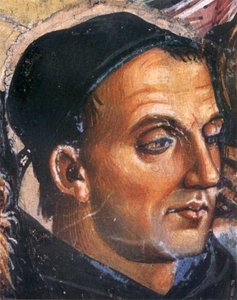
1395–1455, Olaszország
Fra Angelico
Korai életút és spirituális fejlődés Guido di Pietro néven született a Mugello falai között a férfi, aki később Fra Angelico néven vált ismertté, életét a firenze környéki toszkán dombok között kezdte. Körülbelül 1395-ben Giovanni da Fiesole néven járt, és korai éveket ezen régió csendes tájai formálták. Végül a fiatal Giovanni a fiesole-i dominikánus rendbe lépett, ez a döntés pedig a laikus életből a szerzetesi élet fegyelmezett és kontemplatív világába vezette őt. Pont ezen falak között fogadta el a rendszereket, és megkapta a Fra Angelico nevet – egy olyan megszólítást, amely már nemcsak szerzetesi státuszát, hanem az évszázadok során művészetének is meghatározó jelzőjévé vált.
Fra Angelico további művei
 Az Ítélet Szava1430
 Madonna a gyermekkel, szentekkel és a megfeszítéssel
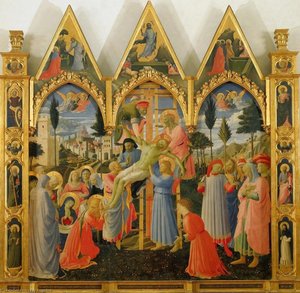 A Megválasztás
 Utolsó ítélet1431
Esszék a The Annunciation körül
 Divine Beauty: The 25 Most Iconic Masterpieces by Fra AngelicoJourney through the divine beauty of Fra Angelico's finest works. Explore 25 iconic Renaissance masterpieces, from ethereal frescoes to sac…
 The Enduring Legacy of Fresco: Technique, History & Artistic ExpressionExplore the rich history & enduring artistry of fresco painting. Discover techniques from Giotto to Michelangelo, conservation efforts, & m…
 Sacred Narratives: Decoding the Iconography and Artistry of the AnnunciationExplore the profound symbolism and mastery behind Renaissance Annunciation paintings. Discover the secrets of these sacred masterpieces now.