

 Megtekintés
 Küldés
 Megosztás
 Részletek

 Letöltés
 Hasonló darabok
 X-ray felvétel
 Diavetítés
 Statisztika
Annunciation (8)
 Acrylic On Canvas
- WallArt
- Renaissance Early
 1437
1437 64.0 x 23.0 cm
 Frick Gyűjtemény
 Összes részlet megjelenítése
Vásároljon nagy felbontású, javított digitális képet, amely minőségében messze felülmúlja az online előnézetet.
Minden fájlt szakembereink a legmodernebb eszközök és precíz, kézi retusálás segítségével készítenek el aprólékosan. Gondoskodunk arról, hogy minden kép kivételes tisztasággal, pontos színhelyességgel és részletgazdag finomsággal rendelkezzen.
A végleges fájl 72 órán belül e-mailben megérkezik, professzionális, szerkesztői és nyomtatási környezetbe optimalizálva az azonnali használathoz. Ez ugyanaz a minőség, amelyben a legmeghatározóbb tervezőstúdiók, kiadók és galériák is megbízhatnak.
Digitális kép
Töltsön le nagy felbontású fájlt személyes kiállításokhoz, nyomtatáshoz és kreatív projektekhez. ( Áttérés Nyomtatványra Kézzel festett másolat rendelése)
Minden digitális kép rendeléséhez tartozó extrák
Szakértői digitális kézbesítés, garantáltan
Amikor a OriginalUniqueArt.com szolgáltatást választja, nem csupán egy képet kap – professzionálisan felmagasított digitális műalkotást kap, amely precizitással készült, és amelyet megelégsedési gwarancia tesz biztoslássá. Az alábbiakban automatikusan minden benne 】

Gyors e-mail teslimítés
A nagy felbontású digitális képmásolatát a megrendelést követő 72 órán belül e-mailben elküldjük Önnek – azonnal használható formátumban.

MI-alapú digitális fejlesztésű fájl
Műve professzionális módon kerül optimalizálásra fejlett mesterséges intelligencia eszközök és manuális szerkesztés segítségével, biztosítva a maximális részletességet, tisztaságot és színpontosságot.

Örök életű ingyenes újradelivery
Véletlenül törölted vagy elvesztetted a fájlodat? Ne aggódj – bármikor ingyen újra megküldjük neked.

Nincs importköltség – soha
Élvezze műalkotásait azonnal, vám, illeték vagy szállítási költség nélkül – a digitális letöltések mindig adamentesek.

Színpontosság garantálása
Professzionális eszközök és színkezelés segítségével garantáljuk, hogy digitális képe a lehető legpontosabban tükrözze az eredeti színeket.

100 napos elégedettségi garancia
Ha nemມີ elégedett a digitális képével, 100 napon belül felülvizsgáljuk vagy 100% visszatérítjük az amountot – kérdés बिना.

100% Pénzvisszatérítési garancia
Nem tetszett a vásárlás? 100 napon belül teljes visszatérítést garantálunk a digitális fájl megvételétől számítva – kérdés बिना.

Tömegrendelési kedvezmények
Vásároljon 3 képet, spóroljon 10%-et - Vásároljon 5-öt, spóroljon 15%-et - Vásároljon 10+ képet, spóroljon 20%-at. Kiváló kreatív projektekhez, galériákhoz és ügynökségekhez.
Filippo Lippi’s Annunciation: A Renaissance Revelation
The Annunciation, painted by Filippo Lippi around 1449-1459, is more than just a depiction of a pivotal biblical moment; it's a window into the burgeoning artistic and spiritual landscape of early Renaissance Florence. This tempera on panel masterpiece, now residing in the National Gallery in London, pulsates with a quiet intensity—a testament to Lippi’s unique approach to religious painting and his deeply personal vision. Initially conceived as part of a larger altarpiece intended for the chapel of the Medici palace in Prato, it retains an exquisite intimacy and emotional resonance that transcends its origins.
Lippi's artistic journey is inextricably linked to the legacy of Masaccio, whose innovative use of perspective and naturalism profoundly influenced his early work. The painting immediately echoes this influence—particularly in the subtly modeled forms of Mary and Gabriel, rendered with a delicate realism that was revolutionary for its time. However, Lippi swiftly developed his own distinctive style, characterized by a luminous palette, graceful figures, and an emphasis on serene contemplation. Unlike many of his contemporaries who favored dramatic gestures and elaborate compositions, Lippi’s Annunciation unfolds with a measured elegance, inviting the viewer to share in the quiet miracle unfolding before them.
A Symphony of Light and Color
The painting's visual impact is immediately striking due to Lippi’s masterful manipulation of light. He employs a technique known as “sfumato,” blurring the edges of forms and creating an atmospheric haze that softens the scene and imbues it with a sense of ethereal beauty. The colors are rich and harmonious—a blend of deep blues, vibrant reds, and delicate golds—that evoke both the sacredness of the event and the warmth of human emotion. Note particularly the luminous glow surrounding Mary’s face, suggesting her receptivity to divine grace. The background is rendered with a subtle depth, creating an illusion of space that draws the viewer into the intimate setting.
Lippi's use of gold leaf—particularly in the depiction of the dove and the halo around Mary—adds further luminosity and emphasizes the spiritual significance of the scene. The careful layering of paint creates a remarkable sense of texture, inviting close inspection and revealing the artist’s meticulous attention to detail. The composition itself is carefully balanced, with Gabriel positioned slightly off-center, drawing the eye towards Mary and the central moment of revelation.
Symbolism and Spiritual Depth
Beyond its technical brilliance, the Annunciation is rich in symbolic meaning. The dove, representing the Holy Spirit, descends from heaven to announce Mary’s impending motherhood—a pivotal event in Christian theology. Gabriel's gesture of presenting the lily—a symbol of purity and innocence—underscores Mary’s virtue. The architectural setting, though simplified, suggests a domestic space—emphasizing the personal nature of this divine encounter. The inclusion of God’s hand at the top of the lunette is a subtle but powerful reminder of his active role in the unfolding drama.
Lippi's decision to depict Mary not as a passive recipient of grace, but as an intelligent and receptive figure—her face filled with wonder and contemplation—is particularly noteworthy. This portrayal reflects a shift in Renaissance art towards a more humanistic understanding of religious subjects, emphasizing the emotional and spiritual experience of faith. The painting speaks to the profound mystery of divine intervention and the transformative power of belief.
A Legacy of Beauty and Innovation
The Annunciation stands as a cornerstone of Lippi’s oeuvre and a significant work within the broader context of Renaissance art. Its influence can be seen in the works of subsequent generations of painters, who continued to draw inspiration from its luminous palette, graceful figures, and profound emotional depth. Today, it remains a captivating masterpiece—a testament to Filippo Lippi's artistic genius and his enduring contribution to the history of Western art. Reproductions capture only a fraction of the original’s power; experiencing this painting in person is an unforgettable encounter with beauty, spirituality, and the transformative spirit of the Renaissance.
A művész életrajza
A Florentine Rebel: The Life and Art of Filippo Lippi
Filippo di Tommaso Lippi, a name forever intertwined with both artistic brilliance and scandalous intrigue, stands as one of the most compelling figures of the Italian Renaissance. Born in Florence around 1406 to a butcher father and a mother who tragically died shortly after his birth, young Filippo’s early life was marked by profound loss and an unusual upbringing. He was entrusted to the care of his aunt, Mona Lapaccia, a woman whose unconventional methods – including reportedly sending him out to beg for discarded grapes – shaped his early experiences and perhaps contributed to his later rebellious spirit. At the tender age of eight, he entered the Carmelite convent, a decision that would profoundly influence both his artistic development and the trajectory of his life.From Religious Vows to Artistic Innovation
The cloistered walls of the Carmelite priory provided Filippo with an education far beyond the typical monastic routine. He quickly demonstrated a remarkable aptitude for learning, though not necessarily in traditional subjects; accounts suggest he spent much of his time filling books with caricatures rather than studying scripture. However, it was within this environment that his passion for painting truly ignited. Giorgio Vasari, the renowned art historian, recounts how Lippi became utterly captivated by Masaccio’s groundbreaking frescoes in the Brancacci Chapel – an encounter that served as a pivotal catalyst for his artistic evolution. Masaccio's innovative use of light, perspective, and naturalism profoundly impacted Lippi, leading him to abandon the more rigid conventions of earlier devotional art. His early works, such as the *Tarquinia Madonna*, reveal this nascent influence: a newfound realism begins to emerge, subtly challenging established norms. Yet, Lippi was not merely an imitator; he quickly developed his own distinctive style – characterized by lyrical grace, delicate coloring, and a remarkable ability to infuse religious scenes with a sense of intimacy and human connection.A Master of Composition and Controversy
Lippi’s artistic career flourished in Florence, where he gained recognition for his skill and garnered commissions from prominent families, including the powerful Medici clan. His works during this period – such as *The Annunciation and the Seven Saints* – demonstrate a mastery of composition, incorporating intricate symbolism and elegant detail. The *Coronation of the Virgin*, completed in 1441 for the nuns of Sant’Ambrogio, stands out as particularly significant; it features a half-length figure that many scholars believe to be a self-portrait of Lippi himself – a bold declaration of artistic identity within a context where religious art often prioritized anonymity. However, Lippi's life was far from serene. He frequently faced financial difficulties, legal disputes, and accusations of forgery, fueled by his unconventional lifestyle and rumored indiscretions. The most sensational episode involved his abduction of Lucrezia Buti, a nun from Prato, with whom he eventually married after years of scandal and controversy – an act that defied societal expectations and cemented his reputation as a rebellious figure.The Scandalous Marriage and Artistic Flourishing
Despite the turmoil surrounding his personal life, Lippi continued to produce some of the most beautiful and celebrated works of the Florentine Renaissance. His workshop became a breeding ground for future masters, including Sandro Botticelli and Francesco di Pesello (Pesellino), both of whom benefited from Lippi’s tutelage and went on to achieve significant acclaim in their own right. His influence can be seen throughout Florentine painting during the late Quattrocento – a period marked by a shift towards greater emotional expression and a more humanistic approach to religious subjects. Works like *The Annunciation* showcase his ability to blend spiritual piety with worldly realism, creating images that are both deeply moving and visually stunning. Lippi’s technical skill was exceptional; he possessed an unparalleled mastery of color, composition, and detail, earning him the admiration of contemporaries such as Giorgio Vasari, who described his work as “astonishingly graceful” and “finely composed.”Legacy and Influence
Filippo Lippi died in Spoleto in 1469, leaving behind a legacy that continues to fascinate and inspire. His life – a blend of artistic genius, scandalous romance, and unwavering defiance of convention – serves as a potent reminder of the complexities inherent in Renaissance Italy. His art remains a testament to the power of human creativity and the enduring allure of beauty, solidifying his place as one of the most important and captivating figures of the Italian Renaissance. His story is not simply that of a painter; it’s the tale of a man who dared to challenge societal norms, embrace personal happiness, and leave an indelible mark on the art world.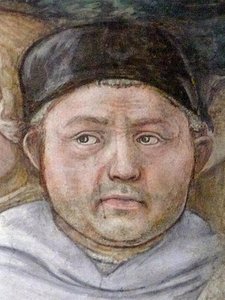
Filippo Lippi
1406 - 1469 , Olaszország
Érdekességek
- Artistic Movement Or Style: Quattrocento
- Artists Or Movements Influenced By This Artist: ['Botticelli']
- Artists Who Influenced This Artist: ['Masaccio']
- Date Of Birth: 1406 körül
- Date Of Death: 1469
- Full Name: Filippo di Tommaso Lippi
- Nationality: Olasz
- Notable Artworks:
- Tarquinia Madonna
- Az Ítélet
- Szent György
- Place Of Birth: Firenze, Olaszország