
 Megtekintés
 Küldés
 Megosztás
 Részletek
 Útmutató

 Letöltés
 Hasonló darabok
 X-ray felvétel
 Diavetítés
 Kérdések és válaszok
 Statisztika
The Penitent St Jerome

- 47.0 x 34.0 cm


 Összes részlet megjelenítése
Giclée / Műnyomat
Múzeumi minőségű giclée vagy vászonnyomat, gyors gyártással és rugalmas finomítási lehetőségekkel. ( Kézzel festett másolat rendelése Áttérés digitális képre)




P118B Ft10

P118H Ft10

P118W Ft10

P438Z Ft10

P508JH Ft12

P508YH Ft12

P805H Ft10

P805Z Ft10

P919BZ Ft10

P919G Ft10

P919XJ Ft10

P959ZH Ft10

P968JZ Ft12

W106C Ft8

W218G Ft10

W218JH Ft8

W218Y Ft10

W307PJ Ft10

W316G Ft10

W316PJ Ft8

W316Y Ft10

W398PJ Ft8

W4111J Ft10

W500HY Ft15

W500JH Ft15

W692G Ft12

W849H Ft8

W940BG Ft15

W953PJ Ft8




Válasszon előre meghatározott méreteink közül, amelyek megfelelnek a műalkotás eredeti arányainak.

Írja be a keretének vagy a falának megfelelő szélességet és magasságot. A nyomatot csak le lehet vágni, soha nem tehető nagyobbá, mint az eredeti kép, így egy eltérő alakú méretnél a kép egy része elveszik. Mielőtt bármit kinyatintanánk, küldünk egy digitális próbamodellt jóváhagyásra. Az oldalon látható kép nem tartalmazza a valós levágást — ezt csak a próbamodell mutatja meg.
Világszerte történő kiszállítás területére mindössze 2 hét alatt, a szokásos 4-5 hét helyett. (5 november)

Ingyenes globális expressz szállítás

Prémium minőségű len vászon

Teljes körű szállítási biztosítás

Vámvisszatérítési Garancia

Hiteles színarányosság garancia

100 napos visszaküldési lehetőség (csak hibás termékek esetén)

100% pénzvisszatérítési garancia

Több darab vásárlásakor kedvezmény
 Az üvegkeretes opció csak 110 cm alatti méretben érhető el

The Penitent St Jerome
Giclée / Műnyomat
Reprodukció mérete
-


Összesített ár
Ft 26301
The Penitent St Jerome: A Renaissance Echo of Spiritual Struggle
Filippino Lippi’s “The Penitent St Jerome,” painted in 1485, is more than just a depiction of a biblical figure; it's a profound meditation on faith, remorse, and the arduous path to redemption. The painting immediately draws the viewer into a world of stark contrasts – the cool, shadowed depths of the cave against the warm glow emanating from the central figure, the rough texture of the stone juxtaposed with the delicate folds of his robe. It’s a scene steeped in emotional intensity, rendered with the meticulous detail and psychological insight characteristic of the Florentine Renaissance.
Lippi masterfully employs perspective to create an immersive experience. The viewer is positioned as if observing St Jerome from a slightly elevated vantage point, peering into the darkness of his refuge. The receding cityscape in the background—a hazy, almost dreamlike vision of Florence—suggests both earthly constraints and the promise of spiritual transcendence. This architectural backdrop isn’t merely decorative; it subtly reinforces the theme of isolation and the struggle between the material world and divine grace.
A Masterclass in Renaissance Technique
The painting is executed primarily in oil on panel, a medium that allowed Lippi to achieve an extraordinary level of realism and luminosity. Note the subtle gradations of color – the deep blues and purples of the shadows, the earthy browns and ochres of the stone, and the rich crimson of the saint’s robe. Lippi's brushwork is remarkably controlled, yet imbued with a sense of movement and dynamism. The texture of the rock face is rendered with astonishing accuracy, inviting the viewer to almost feel its rough surface beneath their fingertips. This attention to detail extends to the folds of the fabric, which appear both weighty and fluid, conveying the saint’s physical suffering.
The pyramidal composition—a hallmark of Renaissance art—anchors the scene and directs the eye towards St Jerome. The figure dominates the center, radiating a quiet intensity that speaks volumes about his inner turmoil. The use of chiaroscuro – the dramatic interplay of light and shadow – further emphasizes this sense of drama and psychological depth. Lippi doesn’t simply depict a saint; he captures the very essence of his struggle.
Symbolism and Spiritual Resonance
“The Penitent St Jerome” is rich in symbolic meaning. The cave itself represents both physical isolation and spiritual retreat, a place where the saint can confront his past sins and seek forgiveness. The stone he uses to beat his chest is a potent symbol of self-flagellation – a practice associated with penance and repentance. The small lion, traditionally an attribute of St Jerome, is barely visible in the background, perhaps suggesting the fading power of earthly dominion and the triumph of spiritual authority.
The presence of the crucifix—a subtle but crucial element—underscores the central theme of redemption through sacrifice. St Jerome’s posture – hunched over, his face etched with sorrow – conveys a profound sense of humility and devotion. The painting isn't merely about suffering; it’s about transformation, about the possibility of finding solace and grace amidst pain and regret.
A Timeless Meditation on Faith
“The Penitent St Jerome” remains a powerfully evocative work of art, offering viewers a glimpse into the complexities of faith, repentance, and the human condition. It’s a testament to Lippi's artistic skill and his profound understanding of the spiritual themes he explored. Reproductions of this masterpiece capture not only its visual beauty but also the emotional weight and timeless resonance of its message – a reminder that even in our darkest moments, redemption is always within reach.
Kérdések és válaszok
Milyen színintenzitással rendelkezik a „The Penitent St Jerome”, Filippino Lippi alkotása?
A "The Penitent St Jerome" színtelítettsége Monochromatic. Az intenzitás azt mutatja meg, mennyire erőteljesnek tűnnek a színek.
Megtekinthetném „The Penitent St Jerome”, Filippino Lippi alkotása alkotást más megvilágítás mellett is?
A „The Penitent St Jerome”, Filippino Lippi alkotása röntgensugár-nézetét a mű X-ray felvétel oldalán tekinthetjük meg: ez az alkotás interaktív vizsgálata eleven optikai rétegeken keresztül.
Milyen az „The Penitent St Jerome”, Filippino Lippi alkotása általános hangulata?
A "The Penitent St Jerome" Dramatic hangulatú.
A művész életrajza
Filippino Lippi élete és korai tanulmányai
- Született: 1457 áprilisa, Prato, Itália
- Elhunyt: 1504 áprilisa
- Szülei: Fra Filippo Lippi (festő) és Lucrezia Buti
- Filippino egy híres festő törvénytelen fia volt.
- Korai tanulmányai apja irányítása alatt feküdtek, ami megalapozta művészi karrierjét.
Művészeti pályafutása és fejlődése
- Kora időszak (1475-1480): Kezdeti munkái, mint például a Madonnák, kevésbé finom stílust mutattak. Ezeket kezdetben egy névtelen művésznek tulajdonították, akit "amico di Sandro"-nak neveztek.
- Evolúció (1480-1485): Egyénibb és hatékonyabb megközelítés fejlődött ki olyan munkákon keresztül, mint a *Tobias útjai*.
- Érettség (1485-1504): A Magas Reneszánsz stílusának elsajátítása, amelyet *Krisztus megjelenése Szűz Máriának* példáz.
Főbb művek és együttműködések
- Együttműködés Peruginóval, Ghirlandaioval és Botticellivel Lorenzo de' Medici villáján készült freskókon.
- Masaccio befejezetlen dekorációjának kiegészítése a Brancacci kápolnában Masolino mellett.
- Kiemelkedő művei közé tartozik: *A Szűz koronázása*, *Tobias és az angyal*, *Szent Jeromos* és *Szent Tamás Aquinói élete jelenete*.
Hatások és művészeti stílus
- Korai hatások: Sandro Botticelli, Fra Filippo Lippi.
- Stílusként: Élénk forma és vonal, meleg kolorizmus, részletes tájak, kifejező alakok, valamint a perspektívikus geometria intimebb belső terekkel való ötvözése.
- Római antikvitások: A római antikvitások tanulmányozása Rómában tartózkodása idején befolyásolta munkáit, beépítve az antik szókincset művészetébe.
Történelmi jelentősége és öröksége
- A firenzei hagyomány vezető képviselője a nagyszabású freskóciklusok terén.
- Hatása tagadhatatlan a Magas Reneszánszra.
- Művei megtalálhatók világszerte múzeumokban, köztük a firenzei Uffizi Galériában.
- Arról ismert, hogy áthidalja a korábbi reneszánsz stílusok és a feltörekvő Magas Reneszánsz esztétikája közötti szakadékot.
További megjegyzések
- Filippino Lippi művészete gyakran ábrázolt vallási témákat, különösen a Szűz Máriát és Szent Tamás Aquinói életét.
- Képeinek részletgazdagsága és érzelmi mélysége kiemelkedő.
- A Brancacci kápolnában végzett munkája különösen fontos, mivel Masaccio stílusának folytatásaként tekinthető.
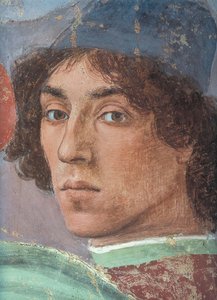
Filippino Lippi
1457 - 1504 , Olaszország
Rövid információk
- Artistic Movement Or Style: Magas Reneszánsz
- Artists Or Movements Influenced By This Artist: ['Raffaellino del Garbo']
- Artists Who Influenced This Artist:
- Fra Filippo Lippi
- Sandro Botticelli
- Date Of Birth: 1457 április
- Date Of Death: 1504 április
- Full Name: Filippino Lippi
- Nationality: Olasz
- Notable Artworks:
- Koronázás
- Tobias és angyala
- Place Of Birth (City And Country): Prato, Olaszország
Kapcsolódó cikkek

Filippino Lippi: Renaissance Innovation Bridging Faith & Humanism
Explore the captivating world of Filippino Lippi, a Renaissance master bridging faith & humanism through innovative art. Discover his key works, influences, and lasting legacy with OriginalUniqueArt.

Oil on Canvas: A Historical & Technical Exploration of a Timeless Artistic Medium
Explore the rich history & enduring techniques of oil painting on canvas. Discover the science behind its longevity, conservation practices, and contemporary relevance. Expert insights for art enthusiasts.

The Enduring Power of Painting: A Historical & Contemporary Exploration of Form and Emotion
Explore the rich history & enduring techniques of oil painting with OriginalUniqueArt. Discover masterpieces, learn about art collecting, and find authentic handmade reproductions crafted by skilled artists.
Filippo Lippi: Bridging Renaissance Devotion & Artistic Innovation
Explore the life & revolutionary art of Filippo Lippi, a pivotal Renaissance painter. Discover his masterpieces, influence on Botticelli, and investment potential. Expert analysis at OriginalUniqueArt.

The Enduring Legacy of Oil on Canvas: Technique, History & Aesthetic Impact
Explore the rich history & techniques of oil painting – from Renaissance masters to Impressionism. Discover pigments, layering methods, and why this timeless medium endures. Expert insights for artists & art enthusiasts.
