
 Megosztás
 Megosztás
 Részletek
 Útmutató

 Letöltés
 Hasonló darabok
 Diavetítés
 Statisztika
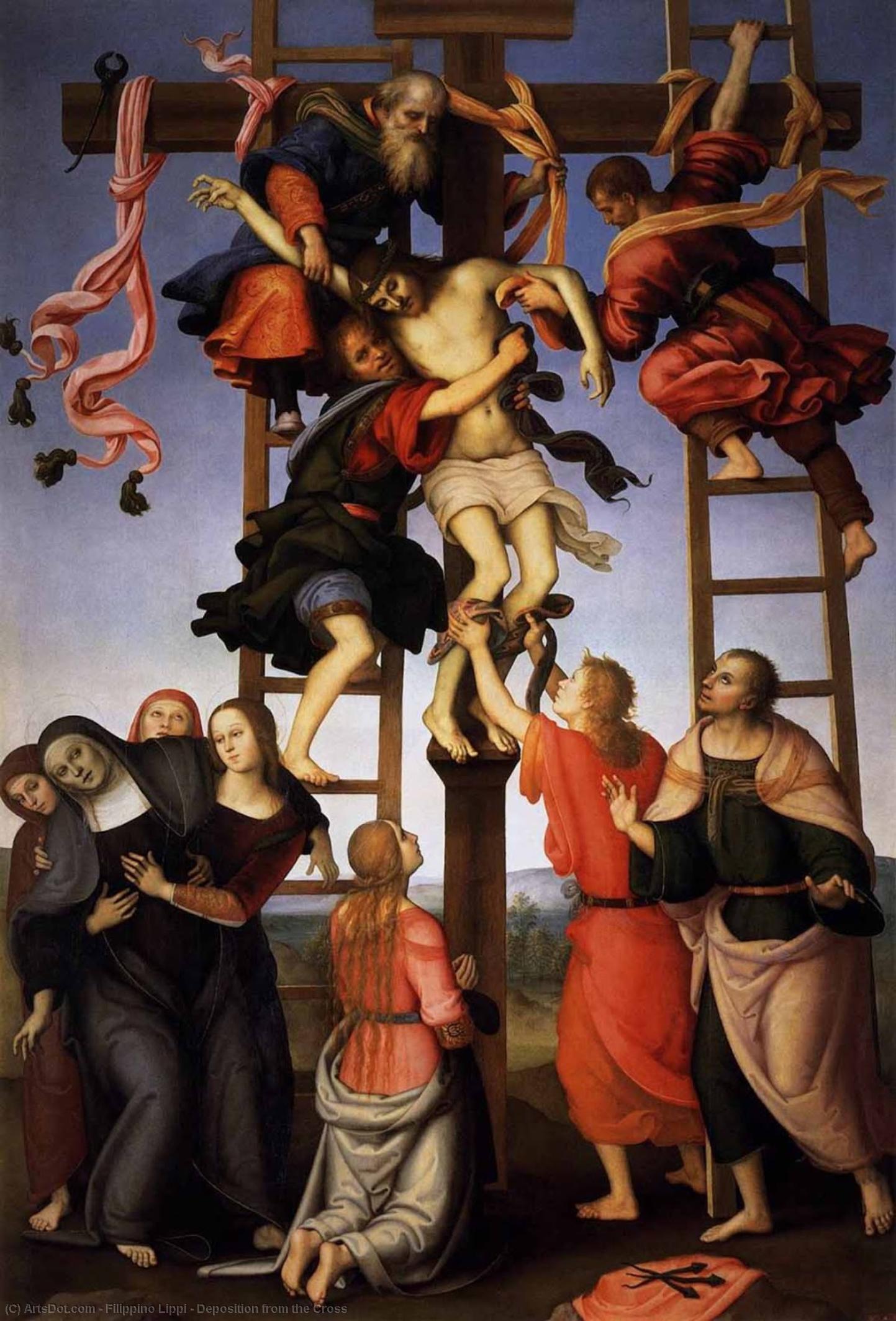
Deposition from the Cross
 Fresco
- Decor
- High Renaissance
 1506
1506- Renaissance
 333.0 x 218.0 cm
 Galleria dell’Accademia di Firenze
 Tovább olvasom
Kézzel készített olajfestmény reprodukció
Kézzel festett olajvastú vászon, az Ön által választott méretben és keretben, művészeink készítik meglévőre. ( Váltás nyomtatványra Áttérés digitális képre)




































Válasszon előre meghatározott méreteink közül, amelyek megfelelnek a műalkotás eredeti arányainak.

Ön megadhat saját méreteket egy adott kerethez vagy térhez igazításhoz. Ha a kiválasztott méret nem egyezik az eredeti kép arányával, akkor a műalkotást levágjuk, vagy további kézzel festett elemekkel meghosszabbítjuk a festményt. A gyártás megkezdése előtt küldünk Önnek egy digitális előnézetet jóváhagyásra.
Kérjük, vegye figyelembe, hogy a képernyőn megjelenő előnézet nem tükrözi a tényleges vágást vagy kiterjesztést. Csak az előnézet fog pontosan mutatni a végső kompozíciót.
Bár egyedi méretek állnak rendelkezésre, javasoljuk, hogy válasszon egy méretet az előre meghatározott listából az eredeti arányok megőrzése érdekében.
A rendelést követően a OriginalUniqueArt.com csapata e-mailt küld az ügyfélnek az instrukciókért, és biztosít egy előnézeti képet (mockup).
Világszerte elérhető szállítás () 3-4 hét alatt a szokásos 5 hét helyett. (25 szeptember). A minőség nem kérdőjelezhető.

Ingyenes globális expressz szállítás

Prémium minőségű len vászon

Teljes körű szállítási biztosítás

Vámvisszatérítési Garancia

Tökéletes színarányosság garancia

100 napos visszaküldési garancia (csak gyártási hibás termékek esetén)

100% pénzvisszatérítési garancia

Több darab vásárlásakor kedvezmény
 Az üvegkeretes opció csak 110 cm alatti méretben érhető el

Deposition from the Cross
Reprodukciós technika
Reprodukció méretei
-


Összesített ár
$ 300
A Moment Frozen in Devotion
In the hallowed stillness of the Basilica di Santa Maria Novella, there exists a window into the profound sorrow and spiritual transcendence of the High Renaissance. Filippino Lippi’s Deposition from the Cross is not merely a depiction of a biblical event; it is a visceral encounter with human grief and divine sacrifice. Completed around 1506, this monumental masterpiece captures the precise, heart-wrenching moment when the body of Christ is lowered from the cross. The composition draws the viewer into a tight, emotionally charged circle of mourners, where every slumped shoulder and bowed head speaks to the weight of loss. Through Lippi’s masterful hand, the scene transcends its historical era, offering a timeless meditation on mortality and faith that continues to captivate the modern soul.
The painting serves as a breathtaking synthesis of Florentine tradition and the burgeoning innovations of the 16th century. Lippi, the son of the celebrated Fra Filippo Lippi, possessed a unique ability to bridge the elegant, lyrical grace of his predecessor, Sandro Botticelli, with the rigorous anatomical precision and perspectival depth pioneered by masters like Masaccio. In this work, one observes a delicate balance between the idealized beauty of the figures and a raw, palpable realism. The way the light catches the pale, lifeless skin of Christ against the darker, more textured garments of the surrounding figures creates a dramatic chiaroscity that directs the eye toward the central tragedy, ensuring that the viewer cannot look away from the profound gravity of the scene.
Technical Brilliance and Luminous Artistry
To behold this work is to witness the pinnacle of Renaissance technical mastery. Lippi utilized an exquisite layering technique, employing thin washes of color and meticulous glazing to achieve a luminous, almost ethereal glow. This process of building up translucent layers of pigment allows light to penetrate the surface, creating an illusionistic depth that makes the figures appear to breathe within their space. The modeling of Christ’s body is particularly noteworthy; through subtle gradations of tone, Lippi conveys the heavy, limp weight of a lifeless form, a feat of anatomical skill that lends the painting its hauntingly realistic quality. This technical precision is matched by his command of color, where deep, somber tones are punctuated by the delicate, flowing drapery that echoes the classical elegance of the Florentine school.
For the discerning collector or interior designer, a high-quality reproduction of this masterpiece offers more than just aesthetic beauty; it brings an atmosphere of contemplative grandeur into a space. The Deposition from the Cross possesses a unique ability to anchor a room, providing a focal point that invites deep reflection and conversation. Whether placed in a private study, a grand gallery, or a sophisticated living area, the painting’s rich textures and profound emotional resonance serve as a testament to the enduring power of fine art. It is an investment in history, a piece of the Renaissance brought into the contemporary world to inspire awe and provide a sense of timeless elegance.
A művész életrajza
Filippino Lippi élete és korai tanulmányai
- Született: 1457 áprilisa, Prato, Itália
- Elhunyt: 1504 áprilisa
- Szülei: Fra Filippo Lippi (festő) és Lucrezia Buti
- Filippino egy híres festő törvénytelen fia volt.
- Korai tanulmányai apja irányítása alatt feküdtek, ami megalapozta művészi karrierjét.
Művészeti pályafutása és fejlődése
- Kora időszak (1475-1480): Kezdeti munkái, mint például a Madonnák, kevésbé finom stílust mutattak. Ezeket kezdetben egy névtelen művésznek tulajdonították, akit "amico di Sandro"-nak neveztek.
- Evolúció (1480-1485): Egyénibb és hatékonyabb megközelítés fejlődött ki olyan munkákon keresztül, mint a *Tobias útjai*.
- Érettség (1485-1504): A Magas Reneszánsz stílusának elsajátítása, amelyet *Krisztus megjelenése Szűz Máriának* példáz.
Főbb művek és együttműködések
- Együttműködés Peruginóval, Ghirlandaioval és Botticellivel Lorenzo de' Medici villáján készült freskókon.
- Masaccio befejezetlen dekorációjának kiegészítése a Brancacci kápolnában Masolino mellett.
- Kiemelkedő művei közé tartozik: *A Szűz koronázása*, *Tobias és az angyal*, *Szent Jeromos* és *Szent Tamás Aquinói élete jelenete*.
Hatások és művészeti stílus
- Korai hatások: Sandro Botticelli, Fra Filippo Lippi.
- Stílusként: Élénk forma és vonal, meleg kolorizmus, részletes tájak, kifejező alakok, valamint a perspektívikus geometria intimebb belső terekkel való ötvözése.
- Római antikvitások: A római antikvitások tanulmányozása Rómában tartózkodása idején befolyásolta munkáit, beépítve az antik szókincset művészetébe.
Történelmi jelentősége és öröksége
- A firenzei hagyomány vezető képviselője a nagyszabású freskóciklusok terén.
- Hatása tagadhatatlan a Magas Reneszánszra.
- Művei megtalálhatók világszerte múzeumokban, köztük a firenzei Uffizi Galériában.
- Arról ismert, hogy áthidalja a korábbi reneszánsz stílusok és a feltörekvő Magas Reneszánsz esztétikája közötti szakadékot.
További megjegyzések
- Filippino Lippi művészete gyakran ábrázolt vallási témákat, különösen a Szűz Máriát és Szent Tamás Aquinói életét.
- Képeinek részletgazdagsága és érzelmi mélysége kiemelkedő.
- A Brancacci kápolnában végzett munkája különösen fontos, mivel Masaccio stílusának folytatásaként tekinthető.
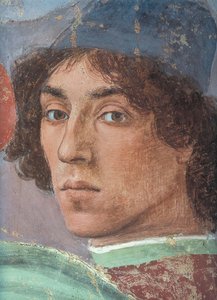
Filippino Lippi
1457 - 1504 , Olaszország
Gyors információk
- Artistic Movement Or Style: Magas Reneszánsz
- Artists Or Movements Influenced By This Artist: ['Raffaellino del Garbo']
- Artists Who Influenced This Artist:
- Fra Filippo Lippi
- Sandro Botticelli
- Date Of Birth: 1457 április
- Date Of Death: 1504 április
- Full Name: Filippino Lippi
- Nationality: Olasz
- Notable Artworks:
- Koronázás
- Tobias és angyala
- Place Of Birth (City And Country): Prato, Olaszország
Kapcsolódó cikkek

Henri Edmond Cross: A Pioneer of Neo-Impressionism & the Divisionist Aesthetic
Explore the life & art of Henri Edmond Cross, a pivotal Neo-Impressionist painter. Discover his innovative divisionist technique, political affiliations, and lasting influence on modern art movements like Fauvism. Learn about key works & legacy.

Filippino Lippi: Renaissance Innovation Bridging Faith & Humanism
Explore the captivating world of Filippino Lippi, a Renaissance master bridging faith & humanism through innovative art. Discover his key works, influences, and lasting legacy with OriginalUniqueArt.
High Medieval Art: 10 Masterpieces That Shaped an Era | OriginalUniqueArt
Journey through High Medieval Art! Explore 10 iconic masterpieces – from Giotto's frescoes to stunning Gothic cathedrals. Discover the stories behind these timeless paintings, sculptures & illuminated manuscripts. Find museum-quality art reproductions at OriginalUniqueArt.com.
A Reneszánsz 10 Mesterműve: A Korábbiaknál Magasabb Színvonal a Fine Artban
Fedezze fel a Reneszánsz 10 legikonikusabb műalkotását! Leonardo da Vinci, Michelangelo és Raffaelo remekművei – történetük, technikájuk és örök szépségük. Museum-minőségű reprodukciók a OriginalUniqueArt.com oldalon. Böngéssze online kínálatunkat!
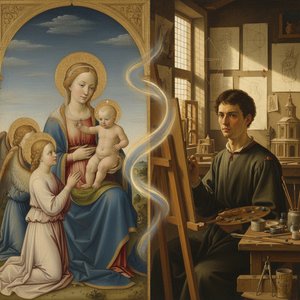
Filippo Lippi: Bridging Renaissance Devotion & Artistic Innovation
Explore the life & revolutionary art of Filippo Lippi, a pivotal Renaissance painter. Discover his masterpieces, influence on Botticelli, and investment potential. Expert analysis at OriginalUniqueArt.
