

 Megosztás
 Megosztás
 Részletek
 Útmutató

 Letöltés
 Hasonló darabok
 Diavetítés
 Statisztika
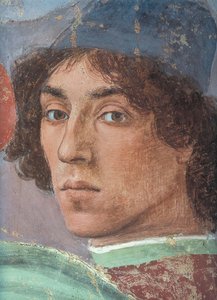
Assumption (detail) (8)


 Tovább olvasom
Giclée / Műnyomat
Múzeumi minőségű giclée vagy vászonnyomat, gyors gyártással és rugalmas finomítási lehetőségekkel. ( Kézzel festett másolat vásárlása Áttérés digitális képre)




































Válasszon előre meghatározott méreteink közül, amelyek megfelelnek a műalkotás eredeti arányainak.

Megadhat saját méreteket is egy konkrét kerethez vagy helyszínhez igazítva. Amennyiben a kiválasztott méret nem egyezik az eredeti kép arányokkal, a műalkotást le fogjuk vágni, vagy kiegészítjük a képet tükrözött vagy egyszínű szélekkel. A gyártás megkezdése előtt egy digitális tervezetet küldünk jóváhagyásra.
Kérjük, vegye figyelembe, hogy a képernyőn látható előnézet nem tükrözi a tényleges levágást vagy kiegészítést. Csak a tervezet mutatja pontosan a végső kompozíciót.
Bár az egyedi méretek is elérhetőek, az eredeti arányok megőrzése érdekében azt javasoljuk, hogy válasszon a előre meghatározott listából származó méretet.
Világszerte történő kiszállítás területére mindössze 2 hét alatt, a szokásos 4-5 hét helyett. (21 szeptember)

Ingyenes globális expressz szállítás

Prémium minőségű len vászon

Teljes körű szállítási biztosítás

Vámvisszatérítési Garancia

Tökéletes színarányosság garancia

100 napos visszaküldési garancia (csak gyártási hibás termékek esetén)

100% pénzvisszatérítési garancia

Több darab vásárlásakor kedvezmény
 Az üvegkeretes opció csak 110 cm alatti méretben érhető el

Assumption (detail) (8)
Giclée / Műnyomat
Reprodukció méretei
-


Összesített ár
$ 80
Filippino Lippi’s “Assumption (detail)”: A Renaissance Vision of Divine Grace
The fresco fragment known as “Assumption (detail)”, painted by Filippino Lippi in 1489, offers a breathtaking glimpse into the heart of early High Renaissance artistry. More than simply a depiction of a pivotal biblical event – the Virgin Mary’s ascent to heaven – it's a complex tapestry woven with theological symbolism, masterful technique, and an intensely human understanding of emotion. This particular section, part of a larger mural cycle intended for the Carafa Chapel in Rome, showcases Lippi’s signature dynamism and his profound engagement with both classical ideals and the burgeoning spirit of the Renaissance.
Lippi's artistic journey is crucial to appreciating this work. Born into an illegitimate lineage, he received his initial training under his father, Fra Filippo Lippi, a renowned painter in Florence. This early influence instilled within him a deep appreciation for narrative clarity and a vibrant use of color, qualities that would later be refined through collaborations with masters like Botticelli and Perugino. However, Filippino quickly developed his own distinctive style – one characterized by an almost theatrical quality, a heightened sense of movement, and a willingness to push the boundaries of perspective and spatial representation.
A Symphony of Line and Color: Technique and Composition
The fresco’s power lies not just in its subject matter but also in Lippi's extraordinary command of technique. He employs a layered approach to painting, building up surfaces with thin glazes of pigment – a hallmark of the *tempera* method favored by Florentine artists at the time. This creates a remarkable sense of texture and luminosity, particularly evident in the drapery of Mary’s robes, which appears both voluminous and incredibly delicate. The use of linear perspective is subtly employed to draw the viewer's eye into the background landscape, suggesting an immense depth and creating a powerful illusion of space.
Notice the deliberate fragmentation presented here – it’s not a complete fresco but a carefully selected section. This allows us to appreciate Lippi’s compositional choices with greater clarity. The figures are arranged in a pyramidal structure, drawing the eye upwards towards Mary at the apex. The architectural elements—columns and pilasters—are rendered with meticulous detail, grounding the scene in a believable, albeit idealized, setting. The dramatic lighting, originating from an unseen source above, casts strong shadows that emphasize volume and form, contributing to the overall sense of drama and reverence.
Symbolism and Spiritual Depth
Beyond its visual beauty, “Assumption (detail)” is rich in symbolic meaning. The setting sun in the background, a recurring motif in Lippi’s work, represents both the passage of time and the sacrifice of Christ. The cross, subtly incorporated into the composition, serves as a poignant reminder of the event's significance. Mary herself embodies humility and grace, her serene expression conveying a profound sense of acceptance and devotion. The angels surrounding her are not merely attendants but active participants in the divine drama, their gestures suggesting both celebration and reverence.
Furthermore, Lippi’s choice to depict this moment – the *Assumptio*, or taking up of Mary into heaven – was deeply rooted in contemporary theological debates. It reflected a growing belief that Mary's ascension represented not just her personal salvation but also the redemption of humanity. The fresco thus becomes a visual meditation on faith, sacrifice, and the promise of eternal life.
A Legacy of Innovation: Filippino Lippi’s Place in Art History
Filippino Lippi stands as a pivotal figure in the transition from Early to High Renaissance art. His work demonstrates a willingness to experiment with perspective, color, and composition, pushing the boundaries of artistic convention while retaining a deep respect for classical ideals. “Assumption (detail)” is a testament to his genius – a vibrant, emotionally resonant masterpiece that continues to captivate viewers centuries after its creation. Reproductions offer an accessible way to experience this extraordinary work, bringing its beauty and spiritual depth into any space.
A művész életrajza
Filippino Lippi élete és korai tanulmányai
- Született: 1457 áprilisa, Prato, Itália
- Elhunyt: 1504 áprilisa
- Szülei: Fra Filippo Lippi (festő) és Lucrezia Buti
- Filippino egy híres festő törvénytelen fia volt.
- Korai tanulmányai apja irányítása alatt feküdtek, ami megalapozta művészi karrierjét.
Művészeti pályafutása és fejlődése
- Kora időszak (1475-1480): Kezdeti munkái, mint például a Madonnák, kevésbé finom stílust mutattak. Ezeket kezdetben egy névtelen művésznek tulajdonították, akit "amico di Sandro"-nak neveztek.
- Evolúció (1480-1485): Egyénibb és hatékonyabb megközelítés fejlődött ki olyan munkákon keresztül, mint a *Tobias útjai*.
- Érettség (1485-1504): A Magas Reneszánsz stílusának elsajátítása, amelyet *Krisztus megjelenése Szűz Máriának* példáz.
Főbb művek és együttműködések
- Együttműködés Peruginóval, Ghirlandaioval és Botticellivel Lorenzo de' Medici villáján készült freskókon.
- Masaccio befejezetlen dekorációjának kiegészítése a Brancacci kápolnában Masolino mellett.
- Kiemelkedő művei közé tartozik: *A Szűz koronázása*, *Tobias és az angyal*, *Szent Jeromos* és *Szent Tamás Aquinói élete jelenete*.
Hatások és művészeti stílus
- Korai hatások: Sandro Botticelli, Fra Filippo Lippi.
- Stílusként: Élénk forma és vonal, meleg kolorizmus, részletes tájak, kifejező alakok, valamint a perspektívikus geometria intimebb belső terekkel való ötvözése.
- Római antikvitások: A római antikvitások tanulmányozása Rómában tartózkodása idején befolyásolta munkáit, beépítve az antik szókincset művészetébe.
Történelmi jelentősége és öröksége
- A firenzei hagyomány vezető képviselője a nagyszabású freskóciklusok terén.
- Hatása tagadhatatlan a Magas Reneszánszra.
- Művei megtalálhatók világszerte múzeumokban, köztük a firenzei Uffizi Galériában.
- Arról ismert, hogy áthidalja a korábbi reneszánsz stílusok és a feltörekvő Magas Reneszánsz esztétikája közötti szakadékot.
További megjegyzések
- Filippino Lippi művészete gyakran ábrázolt vallási témákat, különösen a Szűz Máriát és Szent Tamás Aquinói életét.
- Képeinek részletgazdagsága és érzelmi mélysége kiemelkedő.
- A Brancacci kápolnában végzett munkája különösen fontos, mivel Masaccio stílusának folytatásaként tekinthető.
Filippino Lippi
1457 - 1504 , Olaszország
Gyors információk
- Artistic Movement Or Style: Magas Reneszánsz
- Artists Or Movements Influenced By This Artist: ['Raffaellino del Garbo']
- Artists Who Influenced This Artist:
- Fra Filippo Lippi
- Sandro Botticelli
- Date Of Birth: 1457 április
- Date Of Death: 1504 április
- Full Name: Filippino Lippi
- Nationality: Olasz
- Notable Artworks:
- Koronázás
- Tobias és angyala
- Place Of Birth (City And Country): Prato, Olaszország
Kapcsolódó cikkek

The Enduring Legacy of Fresco Painting: Techniques, History & Contemporary Relevance
Explore the rich history & enduring artistry of fresco painting – from Giotto to Michelangelo! Discover techniques, conservation efforts, & modern applications. Learn how OriginalUniqueArt brings this timeless art form to your home.

The Enduring Legacy of Fresco: Technique, History & Artistic Expression Across Cultures
Explore the rich history & enduring legacy of fresco painting! Discover ancient techniques, Giotto's masterpieces, and modern applications. Expert insights for art lovers & professionals.

A családi örökség festői világa: Hogyan őrizzük meg a múltat a falakon?
Őrizze meg családja történetét festményekkel! Egyedi portrék, régi fényképek restaurálása és családi címer tervezése profi művészek által. Fedezze fel a kínálatát!

A személyes történetek, a kulturális gyökerek és a spirituális szimbólumok tükre: Egyedi falfestmények az otthon mélyebb értelméért
Egyedi falfestményekkel teremtsen otthona egyedülálló hangulatát! Szakértői segítség, prémium minőségű anyagok és személyre szabott tervezés. Fedezze fel kulturális gyökereit és spirituális értékeit falainkon!

Filippino Lippi: Renaissance Innovation Bridging Faith & Humanism
Explore the captivating world of Filippino Lippi, a Renaissance master bridging faith & humanism through innovative art. Discover his key works, influences, and lasting legacy with OriginalUniqueArt.
