

 Előnézet
 Megosztás
 Megosztás
 Részletek
 Útmutató

 Letöltés
 Hasonló darabok
 X-ray felvétel
 Diavetítés
 Statisztika
Annunciation


 Tovább olvasom
Kézzel készített olajfestmény reprodukció
Kézzel festett olajvastú vászon, az Ön által választott méretben és keretben, művészeink készítik meglévőre. ( Váltás nyomtatványra Áttérés digitális képre)




P118B Ft10

P118H Ft10

P118W Ft10

P438Z Ft10

P508JH Ft12

P508YH Ft12

P805H Ft10

P805Z Ft10

P919BZ Ft10

P919G Ft10

P919XJ Ft10

P959ZH Ft10

P968JZ Ft12

W106C Ft8

W218G Ft10

W218JH Ft8

W218Y Ft10

W307PJ Ft10

W316G Ft10

W316PJ Ft8

W316Y Ft10

W398PJ Ft8

W4111J Ft10

W500HY Ft15

W500JH Ft15

W692G Ft12

W849H Ft8

W940BG Ft15

W953PJ Ft8




Válasszon előre meghatározott méreteink közül, amelyek megfelelnek a műalkotás eredeti arányainak.

Írja be a kívánt szélességet és magasságot, hogy illeszkedjen a keretéhez vagy a falához. Mivel ez kézzel festett alkotás, egy eltérő formájú méret esetén a művész akár festhet is valamivel többet a kép körül, vagy korolathat is belőle — az Ön döntésének megfelelően. A festés megkezdése előtt küldünk egy digitális tervezetet jóváhagyásra. Az oldalon látható kép nem tartalmazza a végeredményt — csak a tervezet mutatja meg a valódi eredményt.
A rendelést követően a OriginalUniqueArt.com csapata e-mailt küld az ügyfélnek az instrukciókért, és biztosít egy előnézeti képet (mockup).
Világszerte elérhető szállítás () 3-4 hét alatt a szokásos 5 hét helyett. (24 október). A minőség nem kérdőjelezhető.

Ingyenes globális expressz szállítás

Prémium minőségű len vászon

Teljes körű szállítási biztosítás

Vámvisszatérítési Garancia

Tökéletes színarányosság garancia

100 napos visszaküldési garancia (csak gyártási hibás termékek esetén)

100% pénzvisszatérítési garancia

Több darab vásárlásakor kedvezmény
 Az üvegkeretes opció csak 110 cm alatti méretben érhető el

Annunciation
Reprodukciós technika
Reprodukció méretei
-


Összesített ár
Ft 96017
The Annunciation: A Renaissance Dialogue of Light and Grace
Filippino Lippi’s “Annunciation,” painted in 1489 for the Medici family’s villa near Florence, is more than just a depiction of a pivotal biblical moment; it's a masterful orchestration of light, color, and human emotion. This fresco, now residing within the serene walls of Santa Maria sopra Minerva, offers a glimpse into the burgeoning artistic spirit of the High Renaissance – a period defined by its renewed interest in classical ideals and a profound exploration of human experience.
The scene itself is instantly recognizable: the angel Gabriel, rendered with an almost startlingly youthful energy, delivers the momentous news to Mary. Lippi’s genius lies not merely in his accurate portrayal of the figures but in his manipulation of space and atmosphere. The interior setting, though somewhat simplified, feels remarkably real – a modest chamber furnished with a chair, books, and a table, suggesting a domestic tranquility disrupted by this divine visitation. Note the careful attention to detail: the folds of Mary’s garments, the delicate rendering of Gabriel's wings, and the subtle play of light on the objects within the room all contribute to an immersive experience for the viewer.
A Symphony of Color and Technique
Lippi was a master of tempera paint, a medium known for its luminous quality and ability to achieve rich, vibrant colors. He employed a technique called *sfumato*, blurring lines and softening edges to create an ethereal effect – particularly evident in the hazy light that bathes the scene. The palette is dominated by warm hues: reds, golds, and ochres—reflecting the importance of Mary’s role as the Mother of God. The use of perspective, though not entirely rigorous by Renaissance standards, creates a sense of depth and spatial awareness, drawing the viewer into the heart of the narrative.
Furthermore, Lippi's brushwork is remarkably expressive. Observe how he captures the movement of Gabriel’s hand as he presents the message to Mary, or the gentle curve of her neck in response. These subtle gestures convey a profound sense of emotion and vulnerability – a testament to Lippi’s ability to imbue his figures with life.
Symbolism and Spiritual Resonance
The “Annunciation” is rich in symbolic meaning. Gabriel, often depicted as youthful and radiant, represents divine grace and the messenger of God's will. Mary, presented as a modest and contemplative figure, embodies humility and acceptance. The dove hovering above them symbolizes the Holy Spirit – the source of life and inspiration. The open book on the table is a subtle reference to scripture and the importance of faith.
Beyond these immediate symbols, the painting speaks to broader themes of communication, revelation, and the transformative power of divine grace. It’s a moment of profound significance—the beginning of a new era in Christian theology and art. The composition itself can be interpreted as a dialogue between heaven and earth, between the spiritual realm and the human world.
A Timeless Masterpiece for Reflection
“Annunciation” by Filippino Lippi remains a powerful and moving work of art. Its beauty lies not only in its technical brilliance but also in its ability to evoke a sense of wonder and contemplation. Whether viewed as a historical document, a religious icon, or simply a stunning example of Renaissance artistry, this fresco continues to captivate audiences centuries after its creation. Reproductions offer an accessible way to experience the depth and nuance of Lippi’s vision, bringing this timeless dialogue of light and grace into any space.
Useful Links:
- Annunciation (Filippo Lippi, London) - Wikipedia
- Annunciation 1489-91 Reproduction For Sale | 1st Art Gallery
- The National Gallery, London
Additional Research:
Gyakran Ismételt Kérdések
Milyen más nevét vagy álname""")vét használ még Filippino Lippi?
Filippino Lippi a következő más néven is ismert: Filippo Di Tommaso Lippi, Filippo Lippi Fia, Fra Filippo Lippi Fia, Lippi, Filippino.
Hová sorolható a Filippino Lippi pályájának mely szakaszába a "Annunciation"?
Filippino Lippi pályaművében a „Annunciation” a Mature Renaissance korszakba tartozik. Ez az időszak segít összehasonlíthatóvá tenni a művet a művész többi alkotásával.
Mennyire tel愈t a "Annunciation" színpalettája?
A "Annunciation" színpalettájának telítettsége Balanced Soft.
A művész életrajza
Filippino Lippi élete és korai tanulmányai
- Született: 1457 áprilisa, Prato, Itália
- Elhunyt: 1504 áprilisa
- Szülei: Fra Filippo Lippi (festő) és Lucrezia Buti
- Filippino egy híres festő törvénytelen fia volt.
- Korai tanulmányai apja irányítása alatt feküdtek, ami megalapozta művészi karrierjét.
Művészeti pályafutása és fejlődése
- Kora időszak (1475-1480): Kezdeti munkái, mint például a Madonnák, kevésbé finom stílust mutattak. Ezeket kezdetben egy névtelen művésznek tulajdonították, akit "amico di Sandro"-nak neveztek.
- Evolúció (1480-1485): Egyénibb és hatékonyabb megközelítés fejlődött ki olyan munkákon keresztül, mint a *Tobias útjai*.
- Érettség (1485-1504): A Magas Reneszánsz stílusának elsajátítása, amelyet *Krisztus megjelenése Szűz Máriának* példáz.
Főbb művek és együttműködések
- Együttműködés Peruginóval, Ghirlandaioval és Botticellivel Lorenzo de' Medici villáján készült freskókon.
- Masaccio befejezetlen dekorációjának kiegészítése a Brancacci kápolnában Masolino mellett.
- Kiemelkedő művei közé tartozik: *A Szűz koronázása*, *Tobias és az angyal*, *Szent Jeromos* és *Szent Tamás Aquinói élete jelenete*.
Hatások és művészeti stílus
- Korai hatások: Sandro Botticelli, Fra Filippo Lippi.
- Stílusként: Élénk forma és vonal, meleg kolorizmus, részletes tájak, kifejező alakok, valamint a perspektívikus geometria intimebb belső terekkel való ötvözése.
- Római antikvitások: A római antikvitások tanulmányozása Rómában tartózkodása idején befolyásolta munkáit, beépítve az antik szókincset művészetébe.
Történelmi jelentősége és öröksége
- A firenzei hagyomány vezető képviselője a nagyszabású freskóciklusok terén.
- Hatása tagadhatatlan a Magas Reneszánszra.
- Művei megtalálhatók világszerte múzeumokban, köztük a firenzei Uffizi Galériában.
- Arról ismert, hogy áthidalja a korábbi reneszánsz stílusok és a feltörekvő Magas Reneszánsz esztétikája közötti szakadékot.
További megjegyzések
- Filippino Lippi művészete gyakran ábrázolt vallási témákat, különösen a Szűz Máriát és Szent Tamás Aquinói életét.
- Képeinek részletgazdagsága és érzelmi mélysége kiemelkedő.
- A Brancacci kápolnában végzett munkája különösen fontos, mivel Masaccio stílusának folytatásaként tekinthető.
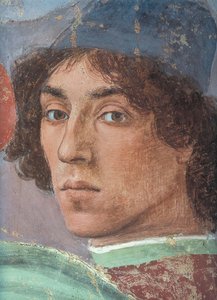
Filippino Lippi
1457 - 1504 , Olaszország
Gyors információk
- Artistic Movement Or Style: Magas Reneszánsz
- Artists Or Movements Influenced By This Artist: ['Raffaellino del Garbo']
- Artists Who Influenced This Artist:
- Fra Filippo Lippi
- Sandro Botticelli
- Date Of Birth: 1457 április
- Date Of Death: 1504 április
- Full Name: Filippino Lippi
- Nationality: Olasz
- Notable Artworks:
- Koronázás
- Tobias és angyala
- Place Of Birth (City And Country): Prato, Olaszország
Kapcsolódó cikkek

Dante Gabriel Rossetti 25 Mesterműve: Szépség és Lelkiség a Vásznon – OriginalUniqueArt
Fedezze fel Dante Gabriel Rossetti 25 legszebb művészeti alkotását! Ismerje meg a prerafaeliták titkait, a viktoriánus festészet szépségét és a romantikus szimbolizmus mélységeit. Prémium minőségű art reprodukciók a OriginalUniqueArt-on – inspiráció otthonába!

Celestial Messengers: A Comprehensive Exploration of Angelic Representation in Art History
Explore the captivating history of angels in art! Discover symbolism, iconic Renaissance masterpieces & renowned artists. Expert insights for art lovers & collectors at OriginalUniqueArt.

A családi örökség festői világa: Hogyan őrizzük meg a múltat a falakon?
Őrizze meg családja történetét festményekkel! Egyedi portrék, régi fényképek restaurálása és családi címer tervezése profi művészek által. Fedezze fel a kínálatát!

Celestial Messengers: Angels in Painting – A Historical & Artistic Exploration
Explore the captivating history of angels in painting! Discover symbolism, iconic Renaissance & Byzantine masterpieces, and renowned artists. Expert insights for art lovers & collectors at OriginalUniqueArt.

The Enduring Legacy of Fresco Painting: Techniques, History & Contemporary Relevance
Explore the rich history & enduring artistry of fresco painting – from Giotto to Michelangelo! Discover techniques, conservation efforts, & modern applications. Learn how OriginalUniqueArt brings this timeless art form to your home.
